
Navigating Crypto News

CoinFeather
Navigating Crypto News

Quick market read from this story
Bitcoin's reclaim of $71K and Ethereum's push towards $2,250 are driven by macro-economic shifts, specifically ceasefire hopes, indicating a short-term risk-on sentiment in the crypto market.
Despite the upward momentum, both BTC and ETH face significant resistance at current levels, suggesting the rally requires further confirmation to sustain, with potential for a short-term correction if key support levels are breached.
The market is experiencing renewed liquidity and positive altcoin performance, but the current uptrend is not yet structurally confirmed, making the next few trading sessions critical for determining the sustainability of the rally.
Source, catalyst, and sector overlap from the latest feed.
Bitcoin is showing early technical breakout signals, potentially targeting $75,000-$76,000, which could extend to $80,000-$85,000 if sustained. The current crypto market rally is heavily influenced by macro factors, particularly oil prices and geopolitical stability, rather than internal crypto narratives. Ethereum and XRP are expected to follow Bitcoin's lead, with their upside contingent on broader market sentiment and Bitcoin's performance, lacking independent strong catalysts. A short-term momentum-driven rally fueled by positioning squeeze is possible, but medium-term gains depend on easing macro pressures like declining oil prices and stable geopolitical conditions.
Live Feed
Loading the broader stream in the same flow as the homepage feed.
XRP's surge to become the top-traded asset on Upbit, surpassing BTC and ETH, highlights South Korea's significant influence on altcoin market dynamics and investor appetite for payment-focused tokens. The substantial trading volume for XRP on Upbit suggests increasing institutional interest and potential for wider adoption in cross-border payments, driven by regional market activity. This development indicates that regional exchanges and specific asset narratives can capture significant market share, challenging the dominance of established large-cap cryptocurrencies in certain markets.
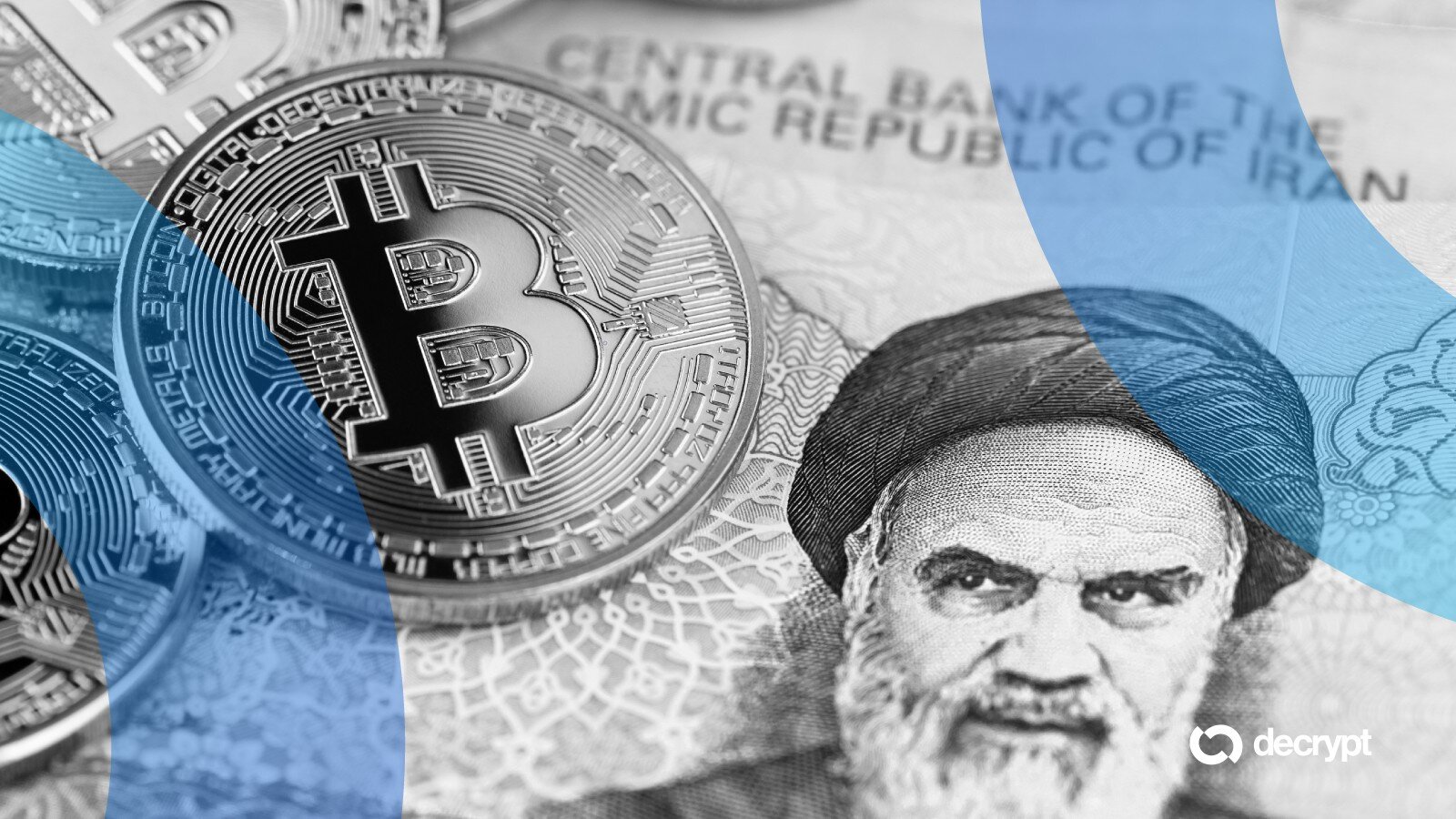
Iran's proposed Bitcoin toll for oil tankers transiting the Strait of Hormuz signals a strategic move to circumvent sanctions by leveraging cryptocurrency for untraceable payments. The implementation of Bitcoin for transit fees could introduce new complexities and potential volatility to oil markets, especially given the geopolitical significance of the Strait. This development highlights the increasing use of digital assets by nation-states to navigate international financial restrictions, potentially setting a precedent for future sanction circumvention strategies.

The $285M Drift hack, attributed to North Korean threat actors, highlights a critical security gap beyond smart contracts, focusing on social engineering of multisig signers and zero-timelock governance, suggesting a new vector for large-scale exploits. The incident and Stabble's precautionary withdrawal signal that insider threats and compromised access, rather than just code vulnerabilities, are emerging as significant risks, potentially leading to widespread fear and capital flight in DeFi. While the bear case points to latent exposure within protocols due to hiring and access control failures, the bull case suggests Drift could be a forcing event, prompting upgrades in governance design, identity verification, and operational security to build a 'trust premium'. The market may begin to price in operational security and governance hygiene as crucial factors, differentiating protocols that implement robust non-code controls from those that solely rely on smart contract audits, potentially leading to capital rotation towards more secure entities.

White House economists said banning rewards wouldn't significantly boost banks' financial health, amplifying the crypto industry view in the Clarity Act debate.

Blockchain technology offers enhanced transparency and immutability for digital casino games, addressing long-standing player concerns about fairness and manipulation. While blockchain provides provably fair gaming mechanics and auditability, potential vulnerabilities in user interfaces and wallet management remain, requiring careful consideration by platforms and players. The adoption of blockchain in online gambling may introduce operational delays and transaction fees, posing practical trade-offs for low-cost games and potentially impacting user experience. Blockchain's immutable ledger can support compliance and responsible gambling initiatives by creating verifiable logs for player limits and game outcomes, though it also raises questions about data privacy.
The launch of the Nicholas Bitcoin and Treasuries AfterDark ETF provides investors with a novel way to gain exposure to Bitcoin price action outside of traditional U.S. trading hours, potentially capturing overnight volatility. The ETF's structure, which allocates to Bitcoin futures and options after market close and settles before the open, addresses a perceived market inefficiency where Bitcoin previously showed weakness during U.S. trading sessions. While the immediate catalyst for the ETF's relevance was an overnight Bitcoin surge following geopolitical news, its long-term success may depend on the persistence of off-hours market-moving events and potential expansion to other digital assets like ETH and SOL.
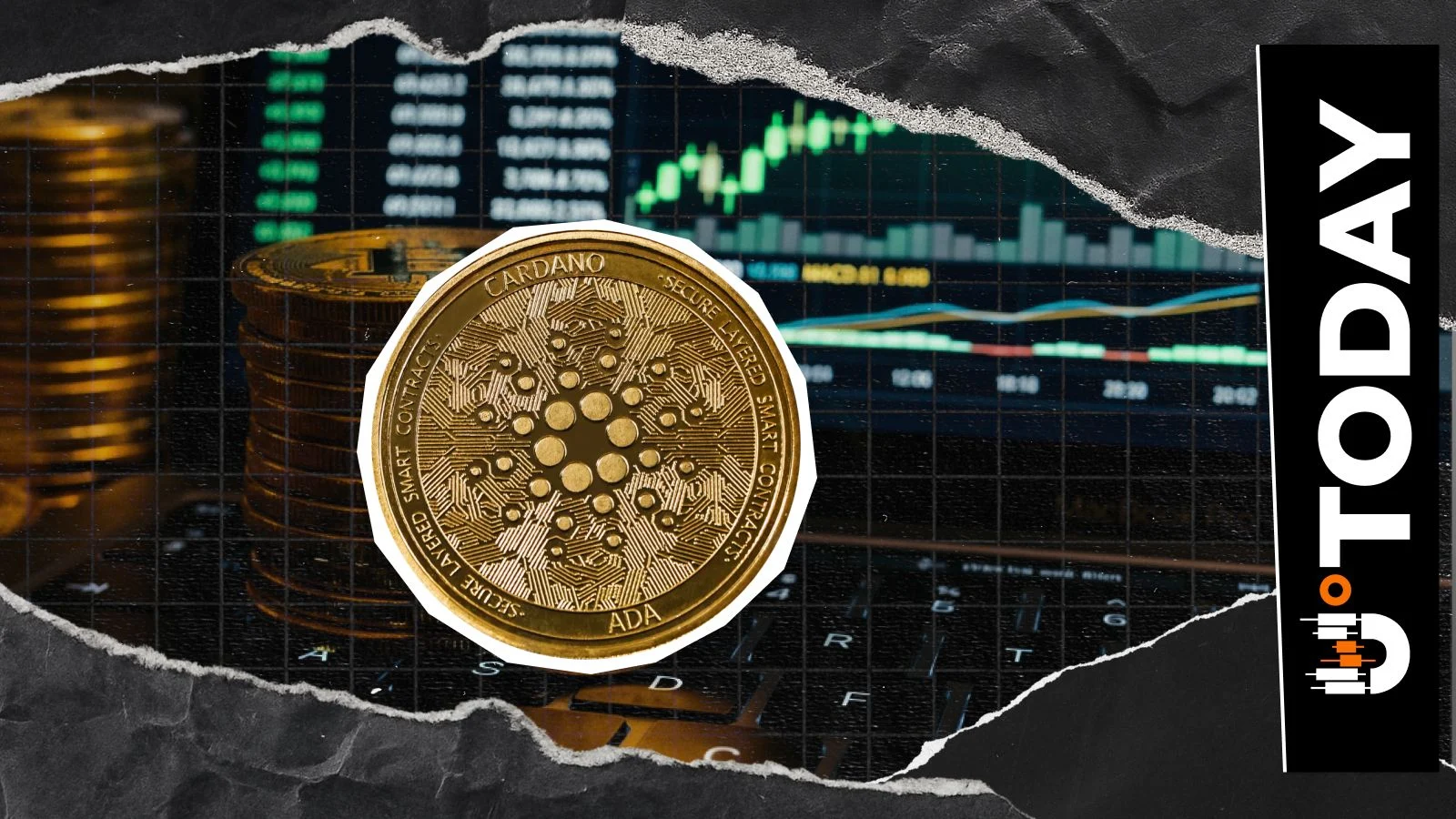
Cardano's trading volume has surged by 79.5% to over $678 million, indicating a significant increase in investor interest and potential accumulation at current price levels. The rise in ADA's trading volume, coupled with a 6% price increase in 24 hours and a 3.9% weekly rebound, suggests building bullish momentum and increased trader participation. Accumulation by Cardano 'whales' holding 10 million ADA or more, which has reached 424 addresses, signals strong confidence from large investors, potentially supporting long-term price appreciation. While ADA shows positive signs, its price action is also influenced by broader market trends, with Bitcoin stabilizing around $71,700 and Ethereum at $2,251, suggesting that a sustained crypto market recovery could further boost ADA's performance.

Standard Chartered's potential move to internalize Zodia Custody operations signals a broader trend of traditional finance integrating digital asset infrastructure, potentially increasing institutional adoption and regulatory oversight. This strategic shift by Standard Chartered could impact the competitive landscape for specialized crypto custodians, as large banks aim to offer comprehensive digital asset services in-house. The development highlights increasing institutional confidence in digital asset custody, suggesting a maturing market where traditional financial players are seeking greater control over their crypto operations.
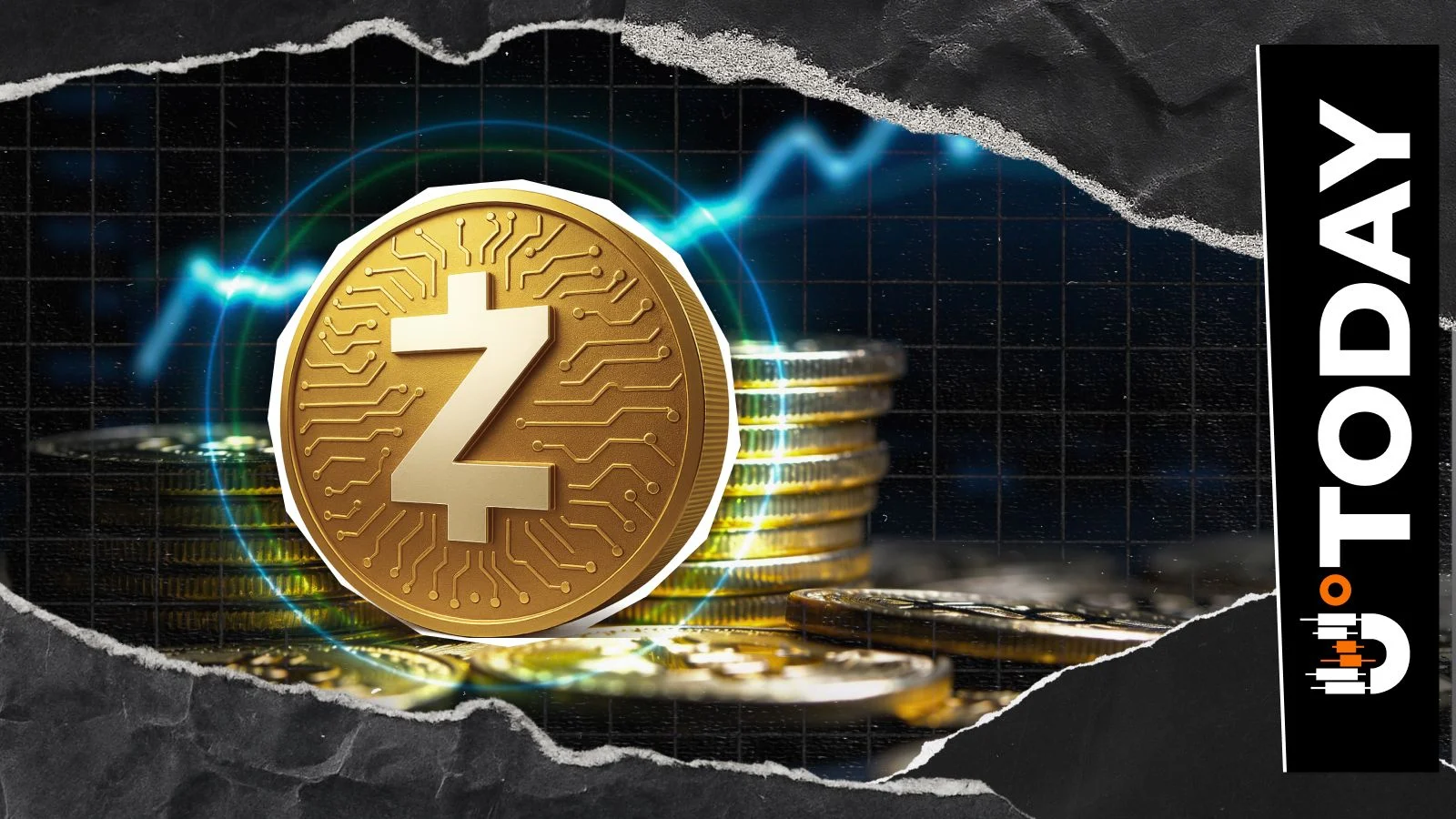
Zcash experienced a significant price surge driven by a short squeeze, indicating strong short-term bullish momentum and a reversal of bearish sentiment. The substantial liquidation of bearish futures bets, particularly short positions, amplified Zcash's price action and suggests a potential shift in market sentiment for the privacy token. Despite Zcash's strong performance, the broader crypto market remains range-bound, implying that this rally may be a localized event rather than a systemic market shift.

The public feud between CZ and Star Xu, reignited by CZ's memoir, centers on historical contract disputes and alleged forgery, potentially impacting the reputation of both Binance and OKX founders. Xu's direct accusations of CZ being a 'habitual liar' and disputing specific claims from the memoir suggest a prolonged and potentially damaging public relations battle for the involved parties. While the dispute involves historical events and personal accusations, it touches upon past exchange operational issues like withdrawal halts, which could resurface concerns among users about exchange reliability.
Shiba Inu's futures open interest has surged 9.29% to $57.33 million, indicating increased trader interest and potentially bullish sentiment in the derivatives market. Despite positive futures activity, spot holders are exhibiting selling pressure with net inflows to exchanges, creating a mixed signal for near-term price action. The 4% price rally in SHIB, coupled with increased liquidations, suggests a market adjusting to the growing derivatives interest, but the conflicting spot activity warrants caution.

Bernstein assesses the quantum computing threat to Bitcoin as manageable, emphasizing a multi-year upgrade cycle rather than an immediate existential crisis. While quantum advancements accelerate timelines for cryptographic risk, the report suggests Bitcoin has 3-5 years to transition to post-quantum cryptography, with mining remaining secure. The primary vulnerability is concentrated in older 'legacy' Bitcoin wallets, indicating a need for proactive migration to newer, more secure standards.

JPMorgan's Q1 2026 analysis indicates a significant slowdown in digital asset inflows, with total inflows at $11 billion, a stark contrast to the previous year's pace, suggesting a shift in market sentiment and investor behavior. The report highlights that corporate buyers, particularly MicroStrategy (MSTR), and venture capital funding are now the primary drivers of crypto flows, compensating for weakened retail and institutional demand and ETF outflows. Despite a broadly negative Q1 for crypto markets with significant price drops, stabilization occurred towards the quarter's end, with Bitcoin consolidating near $70,000, indicating potential resilience amidst macroeconomic pressures. Venture capital activity, while concentrated in larger deals, remains a bright spot, with a notable rotation towards infrastructure, stablecoins, and payments, while gaming and NFT sectors see reduced interest.
Shiba Inu's burn rate has surged over 3,230% in 24 hours, removing approximately 4.11 million SHIB from circulation, which signals increasing demand and a potential positive catalyst for price action. The significant reduction in SHIB supply, despite the small dollar value of tokens burned, is interpreted by market participants as a bullish indicator, potentially supporting the recent 4.7% price increase. While the burn event is positive, the relatively small amount of SHIB burned ($24 worth) suggests this is more of a sentiment driver than a fundamental supply shock, warranting a 'WATCHLIST' action type.
Signal context only. Validate with price action, liquidity, and risk limits before taking a position.
No explicit catalyst tagged.
WhiteBIT's acquisition of a broker license in Georgia enables regulated crypto derivatives trading, including perpetual futures, expanding its regulated market presence. The move introduces compliant derivatives trading to Georgia, a country recognized for high crypto adoption, potentially boosting local market infrastructure and investor access. This regulatory approval signifies WhiteBIT's strategic expansion into new jurisdictions, reinforcing its position as a compliant European exchange.
