
Navigating Crypto News

CoinFeather
Navigating Crypto News

Quick market read from this story
Multiple governance and development team departures signal potential weakening of Aave's core infrastructure, raising concerns about future protocol stability and innovation.
An oracle misconfiguration leading to $27 million in liquidations highlights operational risks within Aave, despite assurances of full reimbursement.
A catastrophic $50 million trade resulting in a 99.9% loss due to extreme slippage on the Aave interface underscores critical user experience and risk management flaws.
The confluence of governance exits, technical failures, and severe trading issues within a short period suggests a potential systemic breakdown in Aave's operational integrity, warranting close market observation.
Deep Dive
Decentralized finance (DeFi) lending giant Aave has experienced a tumultuous 12-day period in March 2026, marked by four distinct crises that have raised concerns about the protocol's stability. These events include the departure of key governance and development teams, a significant oracle bug, and a catastrophic trading slippage incident.
The turmoil began on March 3, 2026, when the Aave Chan Initiative (ACI), a crucial governance group responsible for 61% of governance actions over the past three years, announced its exit. ACI founder Marc Zeller cited a loss of trust due to allegations that Aave Labs, which proposed a $42.5 million funding, had its addresses vote on its own budget. This departure followed news that BGD Labs, the team behind Aave V3, was also preparing to leave by April 2026, leaving Aave without its primary governance operator and core development team.
Further instability arose on March 10, when a misconfiguration in Aave's Correlated Asset Price Oracle (CAPO) system caused wstETH (wrapped staked Ethereum) to be undervalued by approximately 2.85%. This led to the liquidation of 34 user accounts, resulting in the sale of about $27 million worth of wstETH. While Chaos Labs, Aave's risk management partner, pledged full reimbursement, the incident eroded user confidence. The situation worsened on March 12, when a user attempted to purchase $50.4 million worth of AAVE tokens via the Aave interface. Due to extremely thin liquidity, with one pool holding only $73,000, the trade resulted in the user receiving just 324 AAVE tokens, valued at approximately $36,000, representing a 99.9% loss due to extreme slippage. Aave CEO Stani Kulechov stated the interface had warned of slippage, but critics noted that competing aggregators like LlamaSwap would have blocked such a trade entirely.
The convergence of these four events—a governance split, developer exit, oracle failure, and a massive slippage disaster—within a short span has led to significant concern within the crypto community. While Aave continues to manage over $27 billion in deposits and its native token trades around $110, the recent crises have shifted the narrative from strength to apprehension. The protocol's future stability hinges on its response to these challenges.
Source, catalyst, and sector overlap from the latest feed.
The appointment of a new CEO with a strong compliance background signals Binance.US's strategic pivot towards rebuilding trust and adhering to U.S. regulatory frameworks following the SEC's dismissal of its lawsuit. Binance.US's stated plans to expand staking, DeFi services, and tokenized asset offerings indicate a move to compete with other exchanges by offering yield-generating products and innovative financial instruments. The leadership change and strategic focus on compliance and product expansion for Binance.US occur in the context of the broader Binance entity still facing investigations and a significant prior settlement, highlighting a bifurcated risk profile between the global and U.S. operations. The timing of the new CEO's appointment, coinciding with the SEC's dismissal of its case with prejudice, suggests a coordinated effort to reset Binance.US's market position and operational trajectory within the U.S.
A massive $50 million USDT to AAVE trade resulted in extreme slippage, leaving the trader with only $36,000, highlighting significant risks in large DeFi swaps. Speculation points to Bitcoin OG Garrett Jin as the potential trader behind the $50M slippage event, based on wallet analysis and recent transaction patterns. The substantial losses were distributed among liquidity providers, arbitrage bots, and protocol fees, with a significant portion going to the block builder, underscoring MEV dynamics. Aave's founder indicated plans to refund fees, but the incident serves as a stark reminder of the operational risks and lack of traditional financial safeguards in DeFi for large-scale transactions.
Senate Majority Leader John Thune indicates the CLARITY Act is unlikely to advance before April, citing other legislative priorities and potentially delaying regulatory clarity for the digital asset market. Despite potential delays, projections from Kristin Smith and JPMorgan suggest the CLARITY Act could still pass by July 2026, highlighting ongoing efforts to establish a clearer regulatory framework. Former President Donald Trump's call to fast-track the CLARITY Act and his warning about China gaining an advantage underscore the geopolitical implications of US regulatory inaction. The differing timelines and political pressures surrounding the CLARITY Act suggest a complex and uncertain path forward for crypto regulation in the US, impacting market sentiment and investment decisions.
Bitcoin's exchange reserves hitting 2019 lows and a 5-month high in scarcity index suggest tightening supply, which historically precedes price appreciation. The surge in the futures/spot ratio to an 18-month high indicates increased leverage in the derivatives market, potentially amplifying short-term price movements but also signaling strong conviction from active traders. Combined inflows into ETFs and treasuries, alongside reduced exchange balances, create a bullish backdrop for Bitcoin by decreasing readily available supply and indicating long-term accumulation. Despite increased derivatives activity, the underlying trend of reduced exchange liquidity and rising scarcity points to a strengthening bullish outlook for Bitcoin, even amidst broader market uncertainty.
BlackRock's launch of the iShares Staked Ethereum ETF (ETHB) introduces a novel product that combines direct ETH exposure with staking rewards, potentially attracting investors seeking yield and simplifying direct ETH staking for a broader audience. The introduction of ETHB by a major asset manager like BlackRock signifies continued institutional adoption and product innovation within the Ethereum ecosystem, potentially increasing demand and liquidity for ETH. While the ETF itself is a new product, its launch coincides with broader market volatility, suggesting that while it may attract capital, its immediate price impact on ETH will be influenced by macroeconomic factors and overall market sentiment.
The XRP Ledger's v3.1.2 update addresses a critical security flaw that could have compromised $80 billion in network value, significantly enhancing protocol security and stability. The rapid patching of this vulnerability, identified with AI assistance, demonstrates the XRPL Foundation's commitment to safeguarding institutional capital and supports its growing role in DeFi. While the update is purely a security fix, the underlying technical improvements and increasing network activity suggest a strengthening foundation for XRP, potentially supporting near-term price consolidation and upside.
The article reframes the XRP narrative from replacing SWIFT to enabling institutional settlement infrastructure, driven by corporate treasury and tokenized capital markets demand. The DTCC's planned tokenization in H2 2026, referencing XRP and XLM as liquidity tokens, signals a potential structural role for XRP in bridging future tokenized asset networks. Mastercard's Crypto Partner Program, integrating treasury solutions with its payment network, creates a direct bridge between traditional finance and digital asset rails, potentially increasing demand for underlying settlement assets like XRP. While XRP's price action is currently outperforming, the core development is the potential for its ledger to become a critical liquidity bridge in a tokenized financial system, processing trillions in FX settlement.
The release of XRP Ledger Software version 3.1.2 addresses a critical node outage glitch, enhancing network stability and reliability for participants. This update follows an emergency patch for a bug in the Batch amendment, indicating ongoing efforts to secure and stabilize the XRPL protocol. While the immediate node outage is resolved, the ongoing voting process for the XRP Ledger Lending protocol amendment highlights the gradual nature of protocol upgrades and adoption.
The recent 10% price surge in PI coin is primarily driven by its listing on Kraken, significantly expanding trading access and liquidity for the token. Anticipation for the annual Pi Day event on March 14, coupled with ongoing mainnet technical upgrades, is fueling community activity and renewed trading interest. While technical indicators suggest strong momentum and a shift towards a stronger trend, the RSI nearing overbought territory indicates potential for short-term consolidation.
Binance Coin (BNB) has surpassed $666, driven by a bullish golden cross technical signal and positive market sentiment. The price surge is supported by an 18.18% increase in trading volume, indicating strong investor interest and potential for further upside towards the $688-$718 range. BNB's performance is crucial for maintaining its fourth market cap rank against XRP, highlighting ongoing competition for dominance among major altcoins.
A significant $50 million loss occurred on Aave due to a user overriding a slippage warning, highlighting critical UX flaws in DeFi interfaces for large transactions. The incident resulted in substantial profits for MEV bots and block builders on Ethereum, demonstrating the ongoing extraction of value from user errors within the ecosystem. While Aave and CoW Protocol refunded fees, the event underscores the need for improved safeguards and clearer warnings to prevent catastrophic user errors in high-value DeFi trades. The potential identification of the trader as a known figure like Garrett Jin adds a layer of scrutiny to large-scale DeFi operations and risk management practices.
Kraken-linked SPAC, KRAKacquisition, is actively seeking a crypto-native target valued up to $10 billion, signaling potential consolidation and increased institutional interest in the sector. The SPAC's broad search across stablecoins, DeFi, and payments indicates a strategic move to align with areas showing strong Wall Street appeal, potentially bringing new capital and public market access to these segments. With Kraken itself considering an IPO, the SPAC's activity suggests a broader strategy to leverage public markets and potentially integrate acquired entities with the exchange's ecosystem. The mention of Bitcoin as a 'hard asset hedge' in the SPAC's filing highlights a narrative that could influence investor sentiment towards digital assets during periods of economic uncertainty.
Bitcoin demonstrated resilience, outperforming gold and equities during geopolitical tensions, suggesting its potential as a real-time geopolitical hedge. A significant $50M DeFi swap error on Aave highlights critical execution risks and slippage vulnerabilities within decentralized finance protocols, impacting user confidence. The launch of staking ETFs by BlackRock and Grayscale signals growing institutional adoption and a maturing crypto market, integrating traditional finance products with digital assets. Despite DeFi blunders and network issues on Solana, the market is simultaneously pricing in institutional legitimacy and the inherent risks within crypto infrastructure.
Live Feed
Loading the broader stream in the same flow as the homepage feed.
Shiba Inu's price has surged 11% this week, with technical indicators like Bollinger Bands suggesting a potential further 22% upside to $0.00000760. The current price action for SHIB mirrors a strong bullish period observed in December 2025, indicating potential for continued upward momentum if market conditions remain favorable. Historical data shows the lower Bollinger Band acting as strong support for SHIB, reinforcing the bullish outlook following recent tests of this level.

Circle's stock performance, doubling since February and outperforming major indices, signals strong institutional confidence in stablecoin adoption beyond speculative crypto use cases. The pilot of stablecoin payments for insurance premiums by Aon, alongside Wells Fargo's trademark filing for crypto services, indicates a growing integration of digital assets into traditional finance, potentially driving demand for stablecoins. Canaan's decision to increase its Bitcoin and Ether reserves, contrary to many competitors, suggests a strategic bet on future price appreciation despite current market downturns and post-halving pressures. The expansion of stablecoin use into traditional finance, exemplified by Aon's insurance premium pilot and Wells Fargo's potential crypto services, points to a structural shift that could increase demand for stablecoins like USDC.

Circle's USYC token has surpassed BlackRock's BUIDL, becoming the largest tokenized U.S. Treasury fund at $2.2 billion, indicating strong investor demand for on-chain yield and collateral options. The rapid growth of tokenized Treasuries, now exceeding $11 billion, highlights a significant shift towards utilizing these assets for capital efficiency and as a safe haven during market downturns. Binance's integration of USYC as collateral for institutional derivatives on BNB Chain appears to be a key driver of its recent surge, demonstrating a practical, high-volume use case for tokenized RWA. The increasing competition and market share shifts between Circle and BlackRock in the tokenized Treasury space signal a maturing RWA sector with significant growth potential.

The FBI's investigation into malware distributed via Steam games highlights a persistent threat vector targeting gamers, potentially impacting user funds and data security. While the direct impact on specific crypto assets is not detailed, the recurring nature of these attacks on gaming platforms suggests a need for increased vigilance among users holding digital assets linked to gaming ecosystems. The FBI's active pursuit of victims indicates a serious regulatory and law enforcement focus on illicit activities within the gaming and crypto intersection, which could lead to future crackdowns or stricter platform oversight.
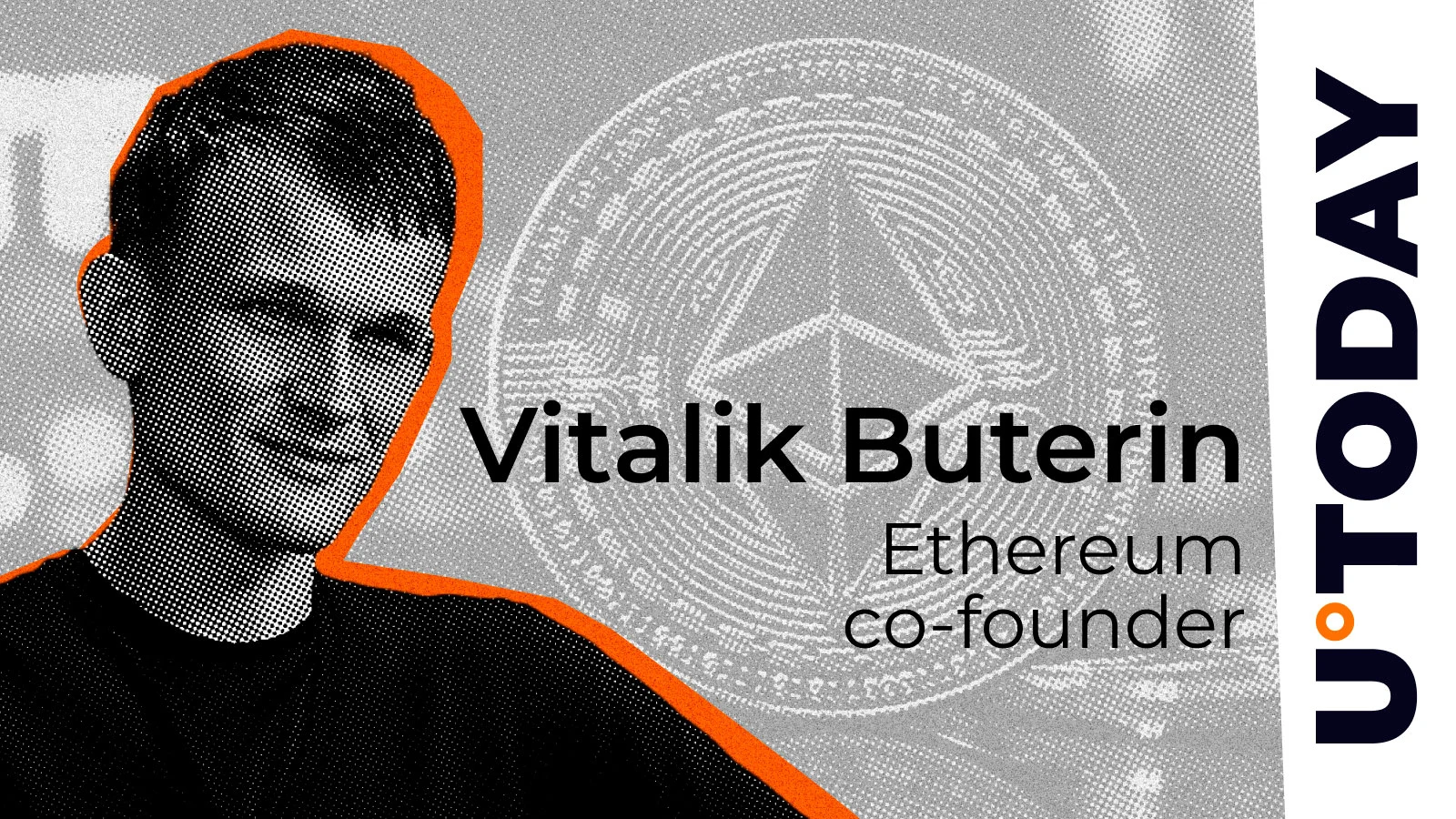
Vitalik Buterin's introduction of the EF Mandate signals a renewed focus on Ethereum's core principles of decentralization, censorship resistance, and security, potentially reinforcing its long-term value proposition against more specialized blockchains. The 'CROPS' framework (censorship resistance, open source, privacy, security) outlined in the mandate provides a clear strategic direction for the Ethereum Foundation, emphasizing foundational strengths over chasing transient trends. By articulating a 'walkaway test' and critiquing blockchains that chase immediate use cases, Buterin positions Ethereum as a defensive, foundational technology, implying a strategic divergence from competitors focused on rapid adaptation.

Bitcoin is approaching new monthly highs, indicating sustained bullish momentum driven by strong weekly returns. Analysts are closely monitoring key price levels that BTC must surpass to maintain its upward trajectory and confirm continued strength. The current market sentiment suggests a positive outlook for Bitcoin, with potential for further price appreciation if critical resistance levels are broken.
Bitcoin's price is approaching monthly highs, driven by renewed buying pressure indicated by a positive Coinbase premium gap after ten weeks and strong ETF inflows. Analysts are closely watching key price levels around $74,000 and $75,000, where significant liquidity clusters and potential liquidation targets exist, which could fuel further upward momentum. Corporate accumulation, exemplified by Strategy's recent BTC acquisition, alongside improving institutional demand via ETFs, suggests a strengthening fundamental bid for Bitcoin. A sustained break above $74,000 and subsequent retest of the $85,000 region is crucial for rebuilding a higher-time frame bullish trend, with potential spillover effects into altcoin markets.
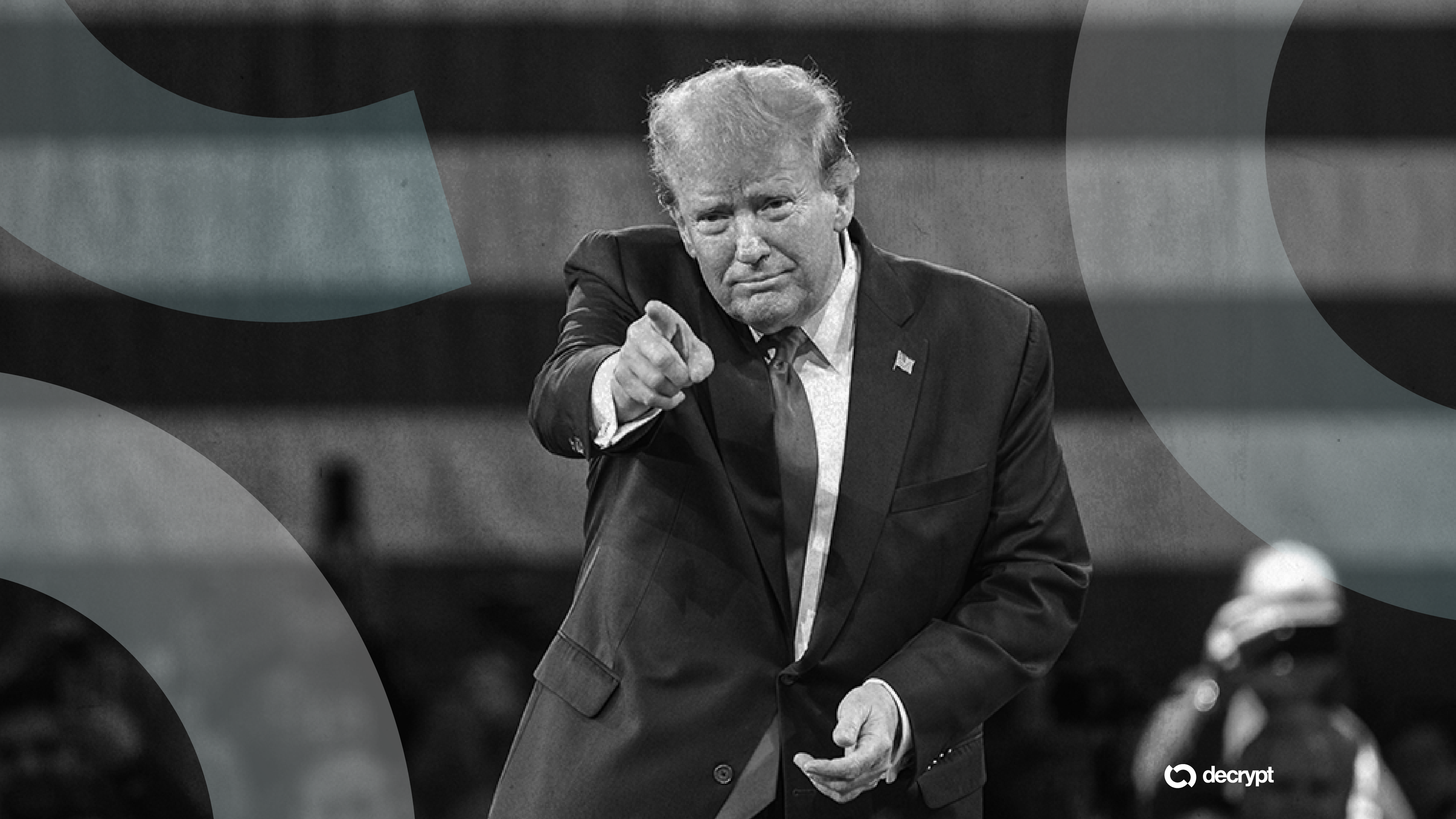
The TRUMP meme coin experienced a significant 35% price surge and a substantial increase in trading volume, driven by the announcement of an exclusive event offering access to President Trump for top holders. The event's structure, requiring substantial token holdings for VIP access, creates a demand-side pressure on the TRUMP token, potentially incentivizing accumulation among holders aiming for exclusive perks. The surge in trading volume, exceeding $1.78 billion in 24 hours, indicates strong speculative interest and liquidity, though the long-term fundamental value remains tied to the meme coin's narrative and event utility. The association with political figures and exclusive events raises regulatory scrutiny concerns, as highlighted by past criticisms, which could pose a risk to the token's perception and future accessibility.
XRP ownership remains highly concentrated, with the top 50 wallets controlling 40-45% of circulating supply, indicating potential for significant price impact from a small group of holders. The 'XRP billionaire club' includes exchanges, Ripple-linked wallets, and unidentified whales, highlighting a structural centralization that influences market dynamics and potential price appreciation capture. While retail participation is growing, the significant holdings by whales and Ripple suggest that large-scale price movements may be heavily influenced by these entities in the next market cycle. The accessibility of XRP upside for smaller holders is defined by thresholds like 2,200 XRP for the top 10% and 46,000 XRP for the top 1%, framing the distribution of potential gains.

Bitcoin's resistance at $74,500 suggests a potential consolidation phase, which could precede a significant upward breakout if current support levels hold. The shallow pullback in BTC price, as indicated, may signal underlying strength and could lead to a broader altcoin rally if Bitcoin breaks through its resistance. Traders should monitor Bitcoin's price action around the $74,500 level for confirmation of a breakout, as this could dictate near-term directional moves for the broader market.
Bitcoin faces strong resistance near $74,500, with key support at $60,000, suggesting a potential breakout to $84,000 if resistance is cleared, but a breakdown could lead to significant downside. Several major altcoins including ETH, BNB, XRP, SOL, DOGE, ADA, BCH, and XMR are showing signs of breaking through immediate resistance levels, indicating potential short-term upside if broader market sentiment remains positive. Despite short-term price predictions, historical data suggests significant drawdowns in Bitcoin during US midterm election years, followed by substantial gains in the subsequent two years, implying a longer-term bullish outlook post-election cycles. Bitcoin's resilience as the best-performing macro asset amidst geopolitical stress suggests investor confidence, potentially forming a bottom and supporting a broader market recovery.
Vitalik Buterin's public criticism of the Future of Life Institute's use of a $500M SHIB donation highlights a divergence in AI safety strategy, shifting from technical roadmaps to political advocacy. The debate between technical research and political action in AI safety, as exemplified by Buterin's contrasting approach with his own $40M initiative, signals a potential fragmentation in how existential risks are addressed within the crypto and tech communities. Buterin's concern that large-scale political action funded by substantial capital can lead to unintended, potentially authoritarian outcomes suggests a cautious outlook on the effectiveness and control of such initiatives, impacting sentiment around large philanthropic crypto donations.

Billionaire investor Stanley Druckenmiller's long-term bullish outlook on stablecoins, predicting they will dominate payments within 10-15 years, signals a potential structural shift favoring fiat-pegged digital assets over other crypto use cases. Druckenmiller's dismissive view of most cryptocurrencies as 'solutions looking for a problem' suggests a bifurcated market perception, potentially leading to increased focus and capital allocation towards stablecoins while other sectors may face skepticism. The commentary from a prominent investor like Druckenmiller, despite his skepticism towards broader crypto, could attract institutional interest to the stablecoin sector, reinforcing its role in the future financial system and potentially impacting payment infrastructure development.

The escalating physical coercion incidents in France targeting crypto holders, including kidnappings and home invasions, highlight a critical shift from cybersecurity threats to personal security risks for digital asset owners. This trend forces a re-evaluation of self-custody's security model, as hardware wallets and private key protection are insufficient against real-world violence and extortion. The French government's response, offering emergency police services and security briefings, underscores the severity and systemic nature of this evolving criminal phenomenon, impacting the perception of France as a crypto-friendly jurisdiction. The increasing targeting of private individuals, not just industry insiders, suggests a broader operational security challenge for all crypto holders, necessitating adaptations like multisig, key separation, and lower public profiles.

Mike McGlone's prediction of a 2008-like setup, citing oil shock and rising volatility, suggests a potential broad market downturn impacting risk assets like crypto. The assertion that gold is no longer a reliable store of value, if true, implies a shift in traditional safe-haven assets and could redirect capital flows into alternative stores of value or riskier assets depending on market sentiment. The commentary highlights increasing volatility across commodities and crypto, indicating a heightened risk environment that traders should monitor for potential cascading effects on equity markets.
Mike McGlone suggests that elevated gold volatility, exceeding that of the S&P 500, indicates it's no longer a reliable store of value, potentially signaling a shift in traditional safe-haven assets. The strategist posits that Bitcoin and crypto may be acting as leading indicators for global risk assets, with current downturns potentially foreshadowing a broader correction in traditional markets similar to pre-2008 conditions. The ongoing oil shock and potential energy supply disruptions are framed as macro risks that could drive increased volatility across commodities, equities, and crypto, resembling historical periods of financial stress.
Signal context only. Validate with price action, liquidity, and risk limits before taking a position.
