
Navigating Crypto News

CoinFeather
Navigating Crypto News

Quick market read from this story
Analysts suggest the market overreacted to the CLARITY Act's impact on stablecoin yield, potentially creating a buying opportunity for Circle.
The CLARITY Act's potential restriction on stablecoin yield could shift bargaining power from Coinbase's distribution model to Circle's issuer infrastructure, improving Circle's long-term economics.
Despite regulatory headwinds on yield, the core utility of stablecoins for cross-border payments and blockchain access remains intact, supporting Circle's growth potential towards a $75 billion valuation.
Deep Dive
Circle (CRCL) experienced a significant selloff following the latest draft of the CLARITY Act's stance on stablecoin yield, a move that analysts suggest may ultimately benefit the stablecoin issuer over exchange platforms like Coinbase (COIN).
The CLARITY Act's latest provisions, which reportedly restrict stablecoin yield rewards on balances, have impacted both Circle and Coinbase. While both stocks saw a modest bounce on Wednesday, they remain lower since the news emerged. Markus Thielen, founder of 10x Research, argues that the bill, in its current form, weakens Coinbase's distribution-driven model more than Circle's infrastructure role.
Coinbase currently benefits significantly from its distribution agreement with Circle, capturing most of the economics for USDC held on its platform. Thielen estimates that Circle pays Coinbase over $900 million annually in revenue share, representing about half of Circle's total revenue. This arrangement has made stablecoin revenue a high-margin business for Coinbase. However, if regulators curtail yield-like rewards, this advantage could diminish.
Thielen suggests that the federal framework would shift value toward regulated issuers with strong compliance, scale, and credible balance sheets, thereby favoring Circle on a relative basis. This dynamic could become even more critical ahead of the companies' next commercial renegotiation in August 2026, with Thielen anticipating Circle could secure improved terms under a stricter regulatory regime.
Bitwise CIO Matt Hougan views the selloff in Circle as potentially
Source, catalyst, and sector overlap from the latest feed.
Startale Group secured a significant $63 million Series A funding round, indicating strong investor confidence in their strategy to build comprehensive blockchain tools for financial firms and retail users. The funding will accelerate the expansion of Strium for tokenized securities and RWA trading, alongside the adoption of their stablecoins JPYSC and USDSC, positioning Startale as a key player in Japan's evolving tokenized finance landscape. With backing from SBI Group and Sony Innovation Fund, Startale is poised to develop its consumer app into a 'SuperApp' for asset management and payments, potentially driving broader adoption of onchain services in Japan. The development aligns with Japan's regulatory push towards integrating crypto and blockchain into its financial infrastructure, suggesting a favorable environment for tokenized assets and stablecoins.
Solana is positioning itself as core infrastructure for an emerging 'agentic' internet, where AI systems drive economic activity, potentially reshaping monetization models. The network's high throughput and low transaction costs are highlighted as key advantages for AI agents requiring efficient, programmatic payments, with stablecoins expected to be the default medium. This strategic pivot towards AI agents could significantly increase transaction volume and utility for the Solana network, driving demand for its payment processing capabilities. The shift implies a future where a vast majority of crypto transactions originate from AI agents rather than humans, underscoring the importance of API accessibility and machine-readable interfaces.
Obex's deployment of $1 billion to integrate tangible assets like AI hardware, energy, and housing into the Sky ecosystem signals a strategic pivot beyond purely crypto-native yield sources. This initiative aims to expand the utility and supply of the USDS stablecoin by diversifying its backing with real-world asset income, potentially attracting more institutional capital into tokenized markets. The move aligns with the broader market trend of RWA tokenization, which has seen significant growth, suggesting increased demand for stable and predictable returns compared to speculative crypto strategies. By targeting structured credit, fintech, energy, AI, and real estate, Obex is positioning Sky to capture yield from productive sectors, enhancing its resilience and appeal to a wider investor base.
Plus: Solana developer platform, Balancer Labs to shut down and Bitcoin mining concentration triggers small reorg.
The Ethereum Foundation's proactive development of post-quantum cryptography, integrated into upcoming hard forks, addresses a fundamental long-term security threat to the network. This multi-year effort, now producing working code and devnets, signals a commitment to network resilience, potentially mitigating future risks associated with quantum computing advancements. The migration strategy, touching execution, consensus, and data layers with specific upgrades like leanXMSS signatures and vector math precompiles, aims for a smooth transition without a disruptive 'flag day'. While not an immediate catalyst, the successful implementation of these quantum-resistant measures will be crucial for maintaining Ethereum's security and value proposition against future technological shifts.
The appointment of prominent tech and crypto leaders, including Coinbase co-founder Fred Ehrsam, to a US presidential advisory council signals potential future policy influence on digital assets. While the council's formation is a positive signal for crypto's integration into mainstream policy discussions, the lack of progress on market structure legislation in the US Senate indicates continued regulatory uncertainty. The inclusion of figures like Fred Ehrsam suggests a growing recognition of the crypto industry's importance by political bodies, potentially leading to more informed regulatory approaches.
Bernstein analysts suggest the market overreacted to the CLARITY Act's potential impact on Circle, as the legislation primarily targets yield distribution rather than issuer reserve income, implying Circle's core business model remains intact. Despite a recent sell-off, Circle's stock shows resilience, with analysts reiterating a bullish outlook based on accelerating USDC adoption and strong reserve income, suggesting potential for further upside. The CLARITY Act's distinction between yield distribution and issuer income could lead to a recalibration of market sentiment, potentially benefiting stablecoin issuers like Circle whose reserves are invested in traditional assets.
Argentina's nationwide ban on Polymarket highlights that rapid global growth does not exempt crypto platforms from local regulations, particularly when their core activity is classified as unlicensed gambling. Regulators are increasingly adopting an 'economic reality' approach, focusing on user behavior and the substance of transactions rather than the underlying technology, leading to classification as gambling due to staking money on uncertain outcomes. Concerns over inadequate identity and age verification, coupled with the monetization of sensitive economic data like inflation figures, have intensified regulatory scrutiny and justified enforcement actions against prediction markets. The Polymarket ban in Argentina signals a broader global trend of increased regulatory pushback against prediction markets, forcing platforms to choose between formal compliance or facing persistent operational barriers.
An analyst suggests the XRP lawsuit may have been a strategic move to suppress retail speculation and allow Ripple to secure institutional partnerships. The ongoing debate around the XRP lawsuit's true intent highlights persistent uncertainty regarding regulatory actions and their impact on market perception. Despite speculation of a coordinated plan, new revelations have introduced doubt, suggesting the lawsuit might have been a more direct regulatory action against XRP.
The UK's immediate ban on political parties accepting cryptocurrency donations signals a heightened regulatory scrutiny on digital assets within political financing. This regulatory move, driven by concerns over illicit finance and foreign influence, could set a precedent for other jurisdictions considering similar measures. While the ban directly impacts political fundraising, it may indirectly affect market sentiment towards cryptocurrencies by highlighting perceived risks of misuse.
Visa's entry as a Super Validator on Canton Network signifies a major endorsement of privacy-preserving blockchain infrastructure for institutional finance, potentially accelerating stablecoin adoption and on-chain settlement for regulated entities. The integration highlights Canton Network's growing importance as a hub for major financial players like JPMorgan and DTCC, suggesting a maturing ecosystem for tokenized assets and interbank payments. Visa's strategic move into the institutional blockchain space, building on its existing stablecoin settlement work, indicates a broader trend of traditional finance embracing digital asset infrastructure for enhanced efficiency and new product offerings.
Startale Group secured a significant $50 million investment from SBI, completing a $63 million Series A, which signals strong institutional confidence in their tokenized securities, stablecoin, and consumer onchain product development in Japan. The substantial funding will accelerate Startale's vertically integrated strategy, focusing on scaling their Strium blockchain for RWAs and tokenized equities, expanding stablecoin adoption (JPYSC, USDSC), and enhancing their consumer SuperApp. This development reinforces the growing trend of institutional players like SBI backing blockchain infrastructure for traditional asset tokenization and stablecoin use cases within regulated markets like Japan.
Live Feed
Loading the broader stream in the same flow as the homepage feed.
A significant influx of over 350 billion SHIB tokens to exchanges indicates increased selling pressure, suggesting potential downside risk for the token's price in the short term. The sharp 6.23% spike in exchange netflow, following a recent price rally, highlights the typical behavior of meme coin holders locking in profits, which can lead to rapid reversals. Traders should monitor SHIB's price action closely as the substantial exchange inflow suggests that recent upward momentum may be unsustainable and could lead to a price correction.
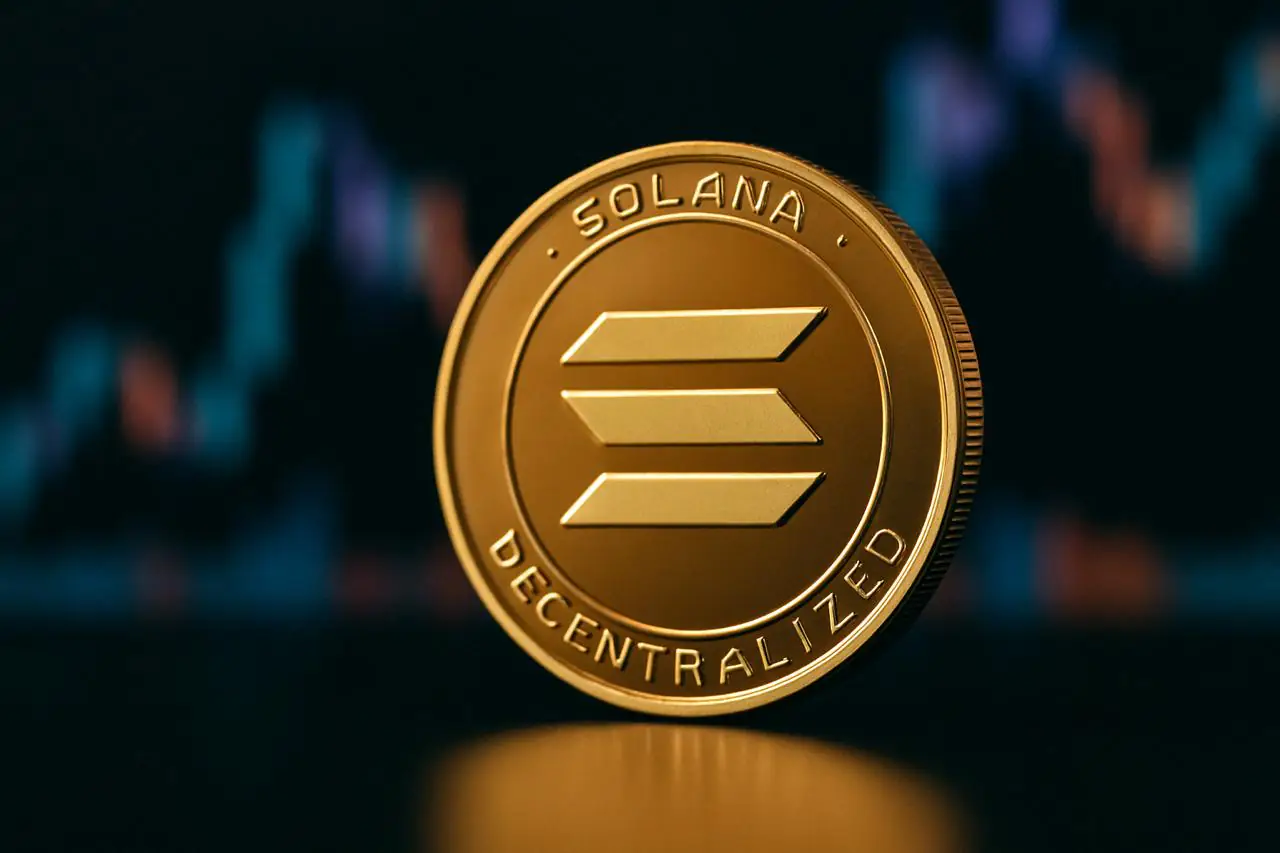
Solana's network is demonstrating significant utility as a payment rail for AI agents, processing millions of transactions with sub-cent fees, indicating a potential shift towards machine-to-machine commerce infrastructure. The upcoming SIMD-0266 token standard, promising a 95% reduction in token transfer compute costs, directly addresses the scalability needs for high-frequency AI transactions, positioning Solana for future AI-driven network growth. Despite recent price stagnation, Solana's underlying ecosystem shows strength with $337.5 billion in tokenized assets and stable ETF capital, suggesting underlying investor conviction and a robust foundation for future price appreciation. Solana's price action shows early signs of recovery, crossing the 50-day moving average and exhibiting building momentum, with key technical levels at $95 and $102 indicating potential near-term upside if market conditions permit.

The increasing partnerships between traditional asset managers like Franklin Templeton and crypto firms such as Ondo Finance signal a significant acceleration in the tokenization of real-world assets, potentially unlocking substantial new capital flows into the digital asset space. Bitpanda's development of a MiCA-compliant Ethereum L2 solution, Vision Chain, indicates a strategic move to capture institutional demand for regulated tokenized asset trading in Europe, highlighting the growing importance of regulatory clarity for market infrastructure. The projected $13.5 trillion market for tokenized assets by 2030 underscores a major competitive landscape shift, where control over trading and access platforms will be as crucial as the assets themselves. Startale Group's substantial $63 million funding round, backed by major players like SBI Group and Sony Innovation Fund, demonstrates continued investor confidence in the underlying infrastructure required for the expansion of tokenized finance.

The post Best Crypto to Invest in as Bitcoin Bounces 5% to $71,000 on Iran Pause and Pepeto Presale Keeps Growing appeared first on Coinpedia Fintech News Bitcoin jumped above $71,000 after Trump postponed strikes on Iran, and the entire crypto market followed with a relief rally that pushed altcoins up 5% across the board. When the market sells off on fear and bounces the moment tension eases, that tells you demand never left. The best crypto to invest in right now …

Bitmine's launch of the MAVAN platform signifies a growing trend of institutional-grade infrastructure development in Ethereum staking, catering to increasing demand for yield and compliance. The expansion of Bitmine's staking operations to external clients, leveraging its significant ETH holdings, suggests a potential increase in staked ETH and associated rewards, impacting network economics. With backing from major investors and a stated goal to acquire 5% of total ETH supply, Bitmine's move could attract substantial institutional capital into ETH staking, reinforcing its position as a yield-generating asset.

Easing geopolitical tensions between the US and Iran are reducing inflation fears tied to oil supply disruptions, which could allow for a return of rate-cut expectations and improve liquidity for risk assets like Bitcoin. Bitcoin's recent price action above $70,000 appears driven by macro liquidity conditions and stabilization in broader markets rather than crypto-native catalysts, suggesting its correlation with traditional risk assets remains strong. A sustained de-escalation in the Middle East, leading to lower oil prices and a less hawkish central bank stance, presents a clearer path for Bitcoin to potentially retest and surpass recent highs. The market is sensitive to oil supply dynamics, with any breakdown in diplomatic efforts potentially reversing the positive sentiment and reintroducing stagflationary concerns that would pressure risk assets.
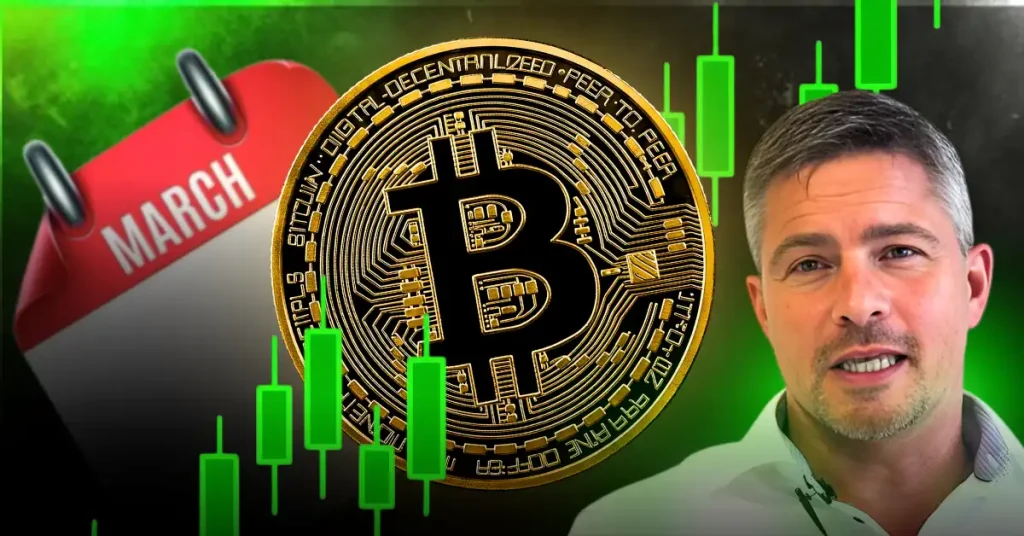
The post Bitcoin Price Prediction: Can BTC Break $73K or Drop Again? appeared first on Coinpedia Fintech News Bitcoin is showing signs of a short-term recovery, with price action attempting to push higher toward the $73,500 level. However, analysts warn that the current move may not mean a full bullish reversal, but rather a temporary rebound within a broader corrective structure. Recent market activity shows that Bitcoin climbed steadily before encountering resistance near …
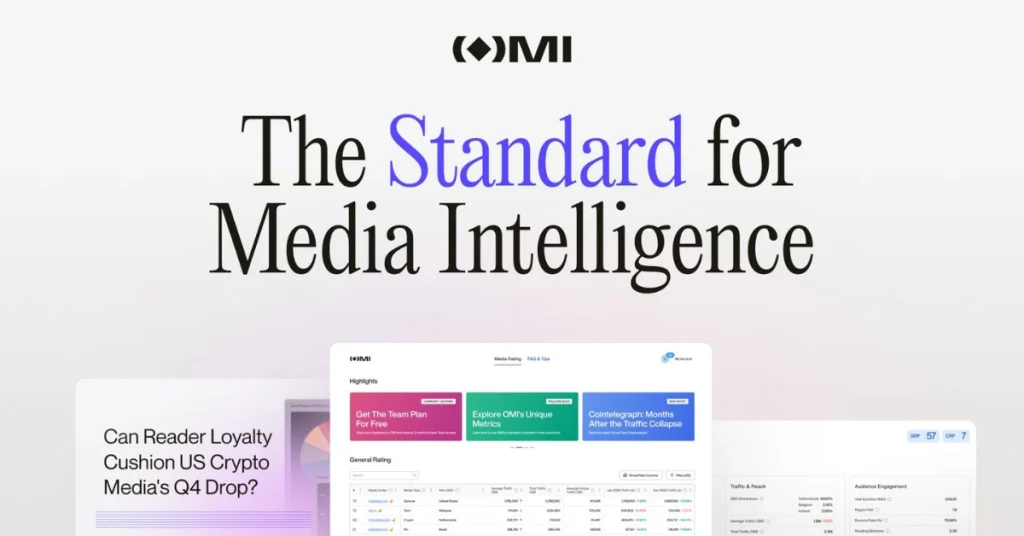
The launch of the Outset Media Index (OMI) introduces proprietary metrics like Unique Score and Composite Score, aiming to provide a more nuanced understanding of media performance beyond traditional traffic data for crypto-native and finance publications. By analyzing factors such as Reading Behaviour, Editorial Rigidity, and Reprints Score, OMI offers deeper insights into content engagement and distribution effectiveness, which can inform marketing and PR strategies. The index's focus on sustained attention and content circulation, rather than just initial visibility, signals a shift towards valuing long-term impact and audience quality in media analysis. For traders and analysts, OMI's metrics could offer a new lens to evaluate the effectiveness of PR campaigns and media placements, potentially influencing how marketing budgets are allocated within the crypto space.

Key Insights: MicroStrategy is preparing for another mega Bitcoin purchase spree courtesy of its latest announcement. The company just announced two equity offering programs collectively aimed at raising $42 billion, which will reportedly be invested in Bitcoin. MicroStrategy confirmed that the two equity offerings will feature a $21 billion MSTR stock offering and a $21 […] The post MicroStrategy Announces Plan to Raise $42 Billion for Mega Bitcoin Acquisition appeared first on The Coin Republic.

Bitcoin's price is facing headwinds as on-chain metrics indicate a shift from accumulation to distribution among investors, suggesting a lack of organic demand to sustain current price levels. Reduced whale activity and declining network usage, coupled with macroeconomic uncertainties and geopolitical tensions, point to a cautious market sentiment where significant upside is unlikely without external catalysts. The sharp drop in Bitcoin's hash rate due to rising energy costs and compressed profitability for miners increases the risk of miner capitulation, potentially leading to intensified sell pressure on the spot market.
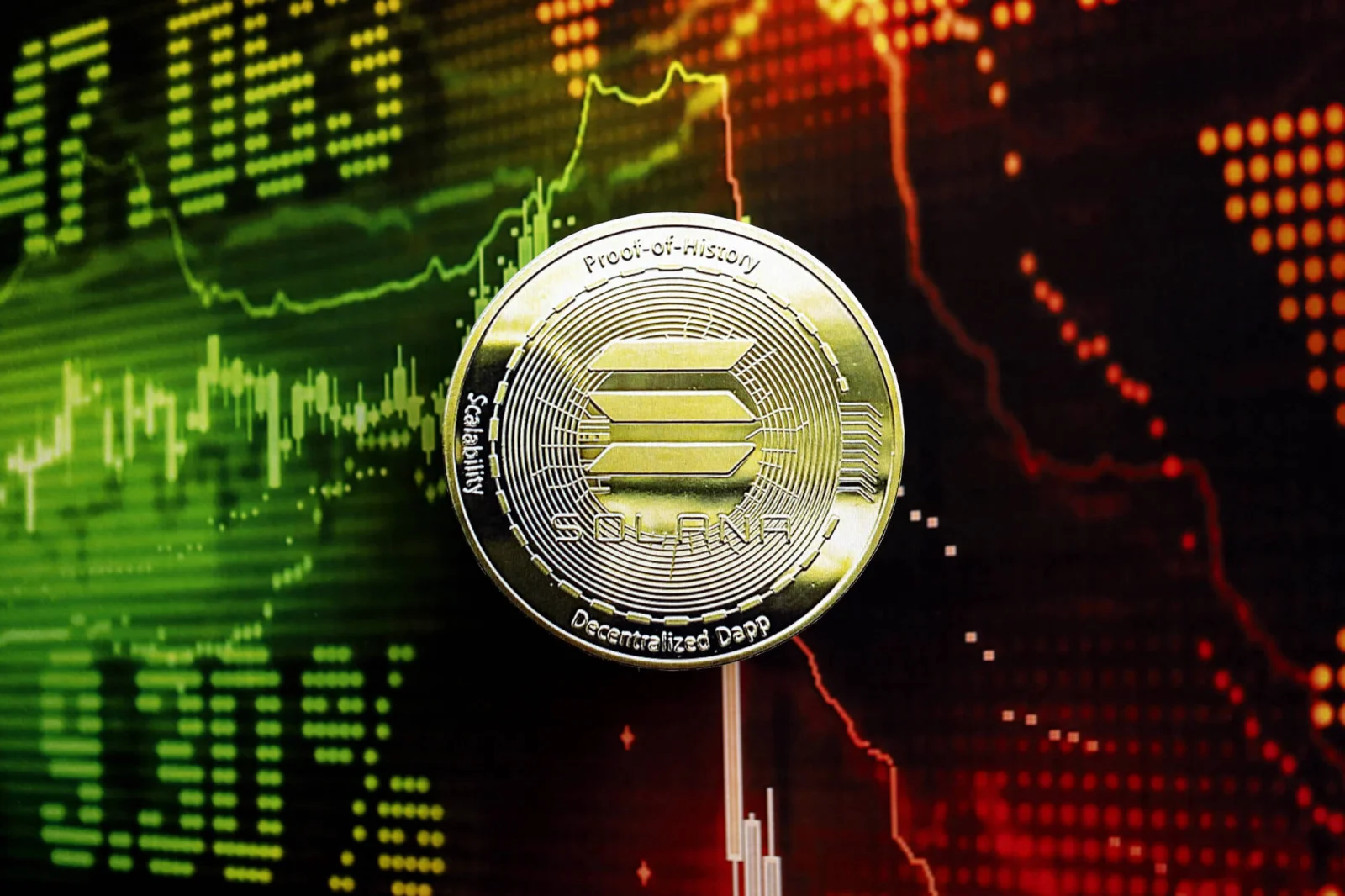
The significant long/short ratio skew on Solana derivatives, exceeding 3:1, indicates overwhelming trader bias towards upside, yet the lack of corresponding open interest growth suggests an unstable setup prone to liquidation. Despite a bullish trader sentiment indicated by the long/short ratio, the absence of increasing open interest on Solana derivatives signals a lack of new capital commitment, raising the probability of a volatile price swing rather than a sustained recovery. Solana's current market positioning, characterized by a high long/short ratio without increased open interest, functions as a pressure gauge, implying that a price move could be amplified by liquidations in either direction, making it a potential catalyst for volatility.
Sandisk's $1 billion investment in Nanya Technology signals a strategic shift towards securing memory chip supply, aiming to mitigate risks from market shortages and protect margins. Despite a 6% stock drop, Sandisk's strong Q2 FY2026 performance and positive analyst outlook suggest underlying fundamentals remain robust, with the Nanya deal introducing execution risk and uncertainty. The market reaction is divided, with bulls viewing the dip as a buying opportunity driven by growth and supply chain control, while bears express concerns over geopolitical exposure and long-term returns from the foreign investment. The AI-driven storage market's demand is a key growth driver for Sandisk's data center segment, making supply chain security a critical factor for future expansion and competitive positioning.
Signal context only. Validate with price action, liquidity, and risk limits before taking a position.
