
Navigating Crypto News

CoinFeather
Navigating Crypto News

Quick market read from this story
Charles Schwab's upcoming spot trading for Bitcoin and Ethereum signifies a major traditional finance institution embracing digital assets, potentially increasing accessibility and legitimacy for retail investors.
The planned rollout, starting with a limited release before broader expansion, suggests a cautious approach by Schwab, indicating a focus on regulatory compliance and operational readiness.
While the news is positive for broader crypto adoption, the direct market impact on BTC and ETH prices in the short term may be muted as the offering is still pending and likely to be phased in.
Source, catalyst, and sector overlap from the latest feed.
FIFA's partnership with ADI Predictstreet for the 2026 World Cup introduces a novel prediction market platform, potentially driving adoption for ADI Chain and its native token. The ADI token's recent surge to an all-time high, coinciding with the FIFA announcement, suggests positive market sentiment and speculative interest in the project's growth potential. While the partnership signals a significant step for fan engagement and blockchain integration in sports, the platform's unlaunched status and the broader regulatory scrutiny of prediction markets warrant a cautious outlook.
Live Feed
Loading the broader stream in the same flow as the homepage feed.

Ripple's BBB issuer rating for its prime brokerage arm signals increased institutional confidence and potential access to a larger pool of traditional finance capital. Shiba Inu's significant burn rate increase, despite low absolute value, indicates heightened network activity and a potential narrative driver for the token. Cardano's potential integration into Mastercard's partner network via EMURGO could boost ADA's mainstream adoption and utility in payment ecosystems.

The Ethereum Foundation's near-completion of its 70,000 ETH staking goal signifies a strategic shift towards yield generation for ecosystem funding, potentially reducing reliance on token sales and signaling confidence in ETH's long-term value. The EF's increased participation in staking and DeFi, as outlined in their treasury policy, suggests a growing integration with the core Ethereum ecosystem's financial infrastructure, aiming to support development and grants through generated yield. Vitalik Buterin's caution regarding the Ethereum Foundation's staking potentially forcing positions in contentious hard forks highlights a subtle centralization risk that the EF is actively exploring mitigation strategies for, a point of interest for network governance discussions.
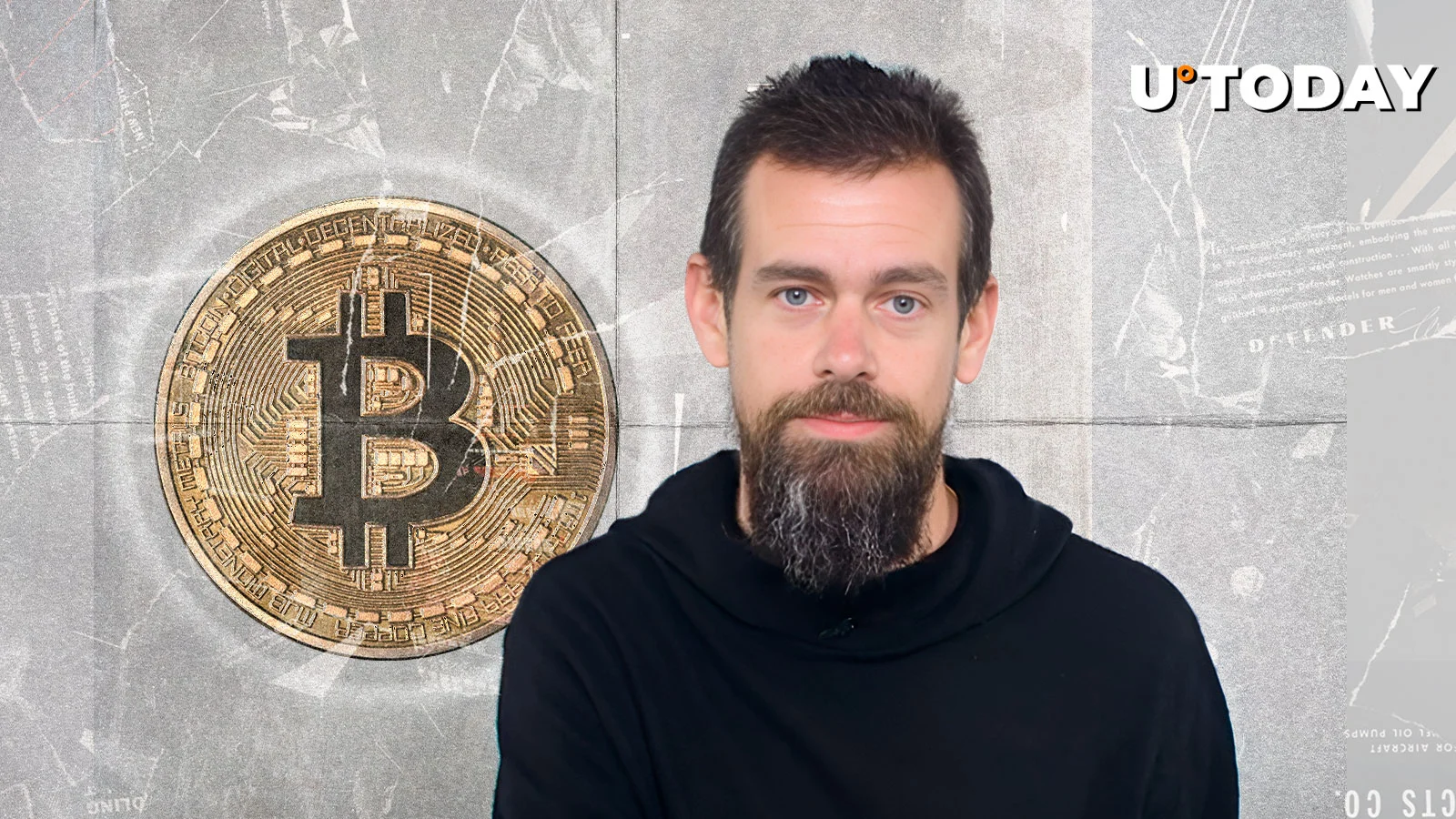
Jack Dorsey's revival of the Bitcoin faucet taps into early crypto nostalgia, signaling a potential marketing push for Block's initiatives. While the new faucet will not distribute significant BTC amounts, its return serves as a symbolic nod to Bitcoin's decentralized and experimental origins. The initiative highlights Block's engagement with Bitcoin's foundational history, potentially attracting attention from long-term holders and early adopters.
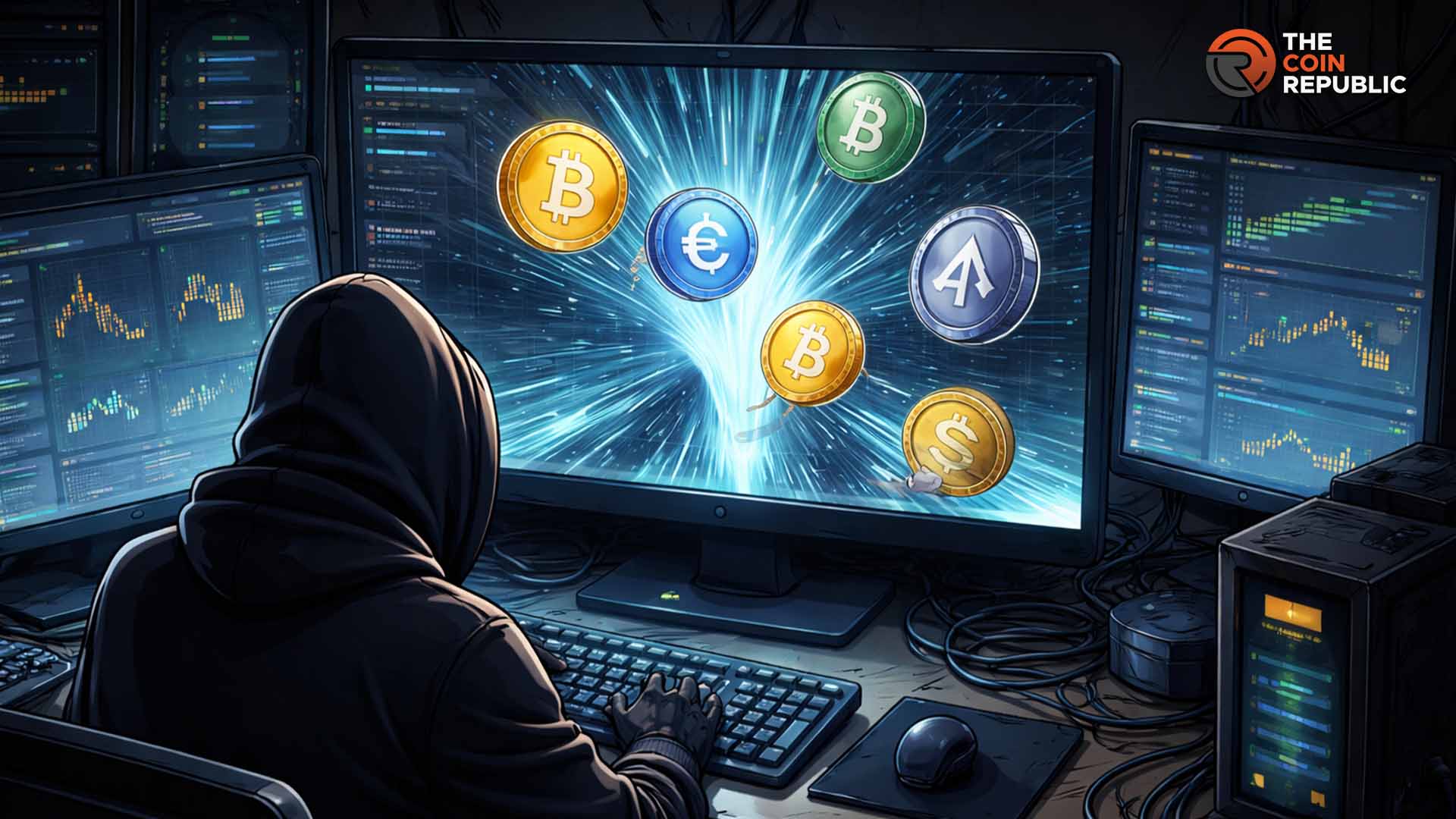
DeFi protocols experienced $168.6 million in hacks across 34 incidents in Q1 2026, indicating a persistent security risk within the sector. The concentration of hacks on protocols like Step Finance ($40M) and Truebit ($26.4M) highlights specific vulnerabilities that attackers are exploiting. Historical data suggests that crypto hacks tend to increase during bull markets and periods of high liquidity, implying that increased market activity could lead to further exploits. The evolving nature of crypto hacks, moving towards more organized and sophisticated attacks targeting core infrastructure, necessitates continuous security enhancements for DeFi platforms.

Bitcoin is currently behaving as a risk-on asset rather than a safe haven, reacting negatively to geopolitical tensions and rising oil prices, which suggests a shift in its market correlation. The article outlines a plausible downside scenario for Bitcoin, projecting a potential drop to $50,000 if leveraged positions unwind amid sustained inflation, with a tail risk scenario of $10,000 under extreme geopolitical escalation. Weakening demand signals from institutional and mid-sized holders, coupled with negative Coinbase Premium, indicate that Bitcoin's underlying support is eroding, making it more vulnerable to macro shocks. The interplay of geopolitical risk, rising energy prices, and tightening financial conditions creates a 'triple-constraint regime' that is pressuring Bitcoin and limiting its ability to recover.
The post Circle’s $420M Compliance Crisis: ZachXBT Exposes Massive USDC Scandal appeared first on Coinpedia Fintech News On-chain investigator ZachXBT has published a detailed investigation alleging delays or failures in USDC stablecoin issuer Circle to freeze theft proceeds worth over $420 million since 2022. Dubbed the “Circle $USDC files,” the X thread highlights 15 cases in which the company took little to no action regarding illicit funds. USDC issuer Circle faulted for …

Macro investor James Lavish warns that markets may be underpricing the geopolitical risk associated with the Iran conflict, potentially leading to a renewed inflation shock and stagflation fears if the situation escalates. A prolonged conflict and subsequent inflation shock could place the Federal Reserve in a difficult position, balancing the need to control inflation with the risk of triggering a recession, impacting broader market liquidity and risk appetite. While Bitcoin has shown relative resilience, Lavish suggests it could face a significant drawdown, potentially revisiting the $50,000 or even $40,000 range, if global markets experience a severe 'correlation-to-one' panic event driven by geopolitical instability. Despite potential short-term downside, Lavish views a significant Bitcoin sell-off as a potential long-term opportunity, reinforcing the underlying investment thesis rather than invalidating it.

Circle faces scrutiny over its response to the $285 million Drift hack, with critics arguing faster action on freezing stolen USDC could have mitigated losses. The incident highlights the tension between Circle's ability to control USDC and the legal risks of acting without formal authorization, raising questions about its role as neutral infrastructure. The debate over Circle's inaction underscores the challenges stablecoin issuers face in balancing rapid response to illicit activity with regulatory compliance and user rights.

The tide is turning once again in the battle for safe-haven assets..

Allegations of Circle's failure to freeze $420M in illicit USDC funds since 2022, as detailed by ZachXBT, raise significant concerns about stablecoin issuer compliance and the security of user assets in the face of ongoing hacks and exploits. The repeated inaction on law enforcement and private sector requests, despite having the technical capability to freeze funds, could lead to increased regulatory scrutiny and potentially impact market confidence in USDC's perceived stability and security. While Circle has previously frozen funds, the scale of alleged inaction highlighted by ZachXBT suggests a potential systemic issue in their response to illicit flows, which could have broader implications for the DeFi ecosystem and the role of stablecoins in preventing financial crime.
Signal context only. Validate with price action, liquidity, and risk limits before taking a position.
MARA's strategic pivot from pure Bitcoin mining to AI infrastructure, evidenced by significant BTC sales and workforce reduction, signals a broader industry trend of diversification beyond core crypto operations. The company's $1.1 billion Bitcoin sale, while fueling its AI ambitions, also highlights the capital intensity required for this strategic shift and the potential need for further asset liquidation if AI infrastructure development accelerates. Despite recent layoffs and a stock performance down 53% in six months, MARA's stock saw an 8% increase on Thursday, suggesting a speculative market reaction to the strategic repositioning rather than immediate operational improvements. The trend of Bitcoin miners like MARA, Riot Platforms, and Cango selling significant BTC holdings to fund AI initiatives indicates a potential shift in supply dynamics for Bitcoin, as miners may prioritize infrastructure investment over holding reserves.
