
Navigating Crypto News

CoinFeather
Navigating Crypto News
Quick market read from this story
Bitcoin is approaching critical monthly support zones around $67,000 and potentially $57,000-$58,000, where multiple technical indicators suggest significant buying interest could emerge.
The confluence of AVWAP levels, volume profile, 50-month SMA, and lower Bollinger Band near $57K-$58K indicates a key test for the current pullback, with a decisive break below potentially signaling further downside.
While the analysis points to potential support, the outcome hinges on Bitcoin holding these levels; a failure to do so could invalidate the bullish thesis and accelerate a deeper correction.
Source, catalyst, and sector overlap from the latest feed.
Ethereum is consolidating within identified support zones ($1,800-$1,400 and potentially lower near $1,065), suggesting a potential accumulation phase rather than a confirmed trend reversal. The $4,700 level is highlighted as a critical resistance and breakout point; failure to reclaim this level suggests continued consolidation or a retest of lower support. Longer-term bullish scenarios project targets of $10,000-$20,000 based on historical pattern repetition, but these are contingent on completing the current accumulation phase and achieving a strong breakout. Market participants should monitor ETH's ability to hold current support levels and build higher lows to confirm accumulation, with a break below support indicating a shift to bearish short-term outlook.
Live Feed
Loading the broader stream in the same flow as the homepage feed.
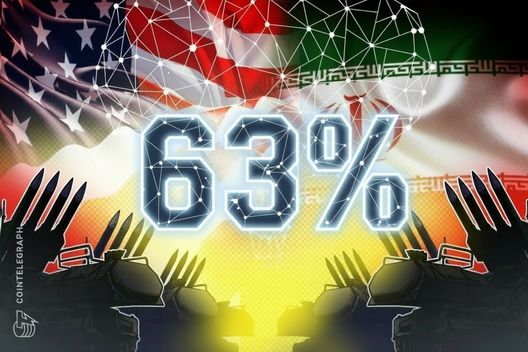
Geopolitical tensions surrounding potential US-Iran conflict are creating significant uncertainty for risk assets, as evidenced by fluctuating odds on prediction markets. Despite heightened geopolitical rhetoric, Bitcoin and the S&P 500 have shown muted reactions, suggesting that current market pricing may have already incorporated some level of geopolitical risk. The mixed signals from the US administration regarding Iran create a volatile environment for traders, making it difficult to establish clear directional bias for risk assets.

Polymarket's removal of the Iran rescue market highlights the increasing scrutiny and regulatory pressure on prediction markets, potentially impacting their growth and operational scope. Congressional Democrats' proposed legislation to ban contracts tied to elections, war, and government actions signals a significant regulatory risk for the prediction market sector. The CFTC's lawsuits against states attempting to bypass federal oversight and the NFL's requests to avoid objectionable contracts indicate a broader trend of increased regulatory assertion across various market segments. Despite regulatory headwinds, the entry of institutional players like JPMorgan and Kalshi's margin trading license suggest underlying market expansion and potential for future innovation in prediction markets.
Rising open interest combined with persistently negative funding rates suggests a heavily shorted XRP market, creating conditions ripe for a short squeeze. A short squeeze scenario implies a rapid price appreciation driven by forced buying from liquidating short positions, potentially leading to significant near-term upside for XRP. Traders should monitor XRP's price action closely for signs of a breakout, as the current derivatives market setup indicates a high probability of a cascading upward price movement.

Traditional finance is rapidly integrating blockchain technology for securities trading and settlement, directly challenging DeFi's claim to the future of finance by offering regulated, 24/7 operations. The recent Drift exploit, resulting in a $285 million loss and significant TVL drop, highlights systemic risks in DeFi's control and governance layers, pushing institutional capital towards more regulated, permissioned tokenization infrastructure. DeFi's composability advantage is under threat; for open protocols to capture institutional capital, they must demonstrate enhanced governance discipline, stricter security standards, and transparent risk management to mitigate contagion risks. The market is bifurcating into two paths: a bull case where DeFi enhances its security and captures $16B-$33B of on-chain capital, and a bear case where traditional finance dominates, leaving DeFi with under $3B in retail and reflexive flows.
Algorand's price surge of over 40% is directly linked to Google's quantum computing paper, which cited ALGO 32 times as a benchmark for post-quantum cryptography, positioning it as a leader in quantum-resistant technology. The Google paper significantly lowers the estimated qubit requirement to break Bitcoin's cryptography, accelerating the perceived urgency for quantum-resistant solutions and highlighting Algorand's existing implementations like Falcon signatures and State Proofs. Algorand's recent integrations with SWIFT for ISO 20022 and Visa Principal membership, coupled with its established RWA tokenization market share, suggest a strategic build-out that positions it favorably for institutional adoption amidst quantum threats. While Bitcoin and Ethereum are still developing quantum-resistant roadmaps, Algorand's proactive integration of NIST-standardized post-quantum cryptography and features like native rekeying offer a tangible advantage, potentially justifying its current market premium.
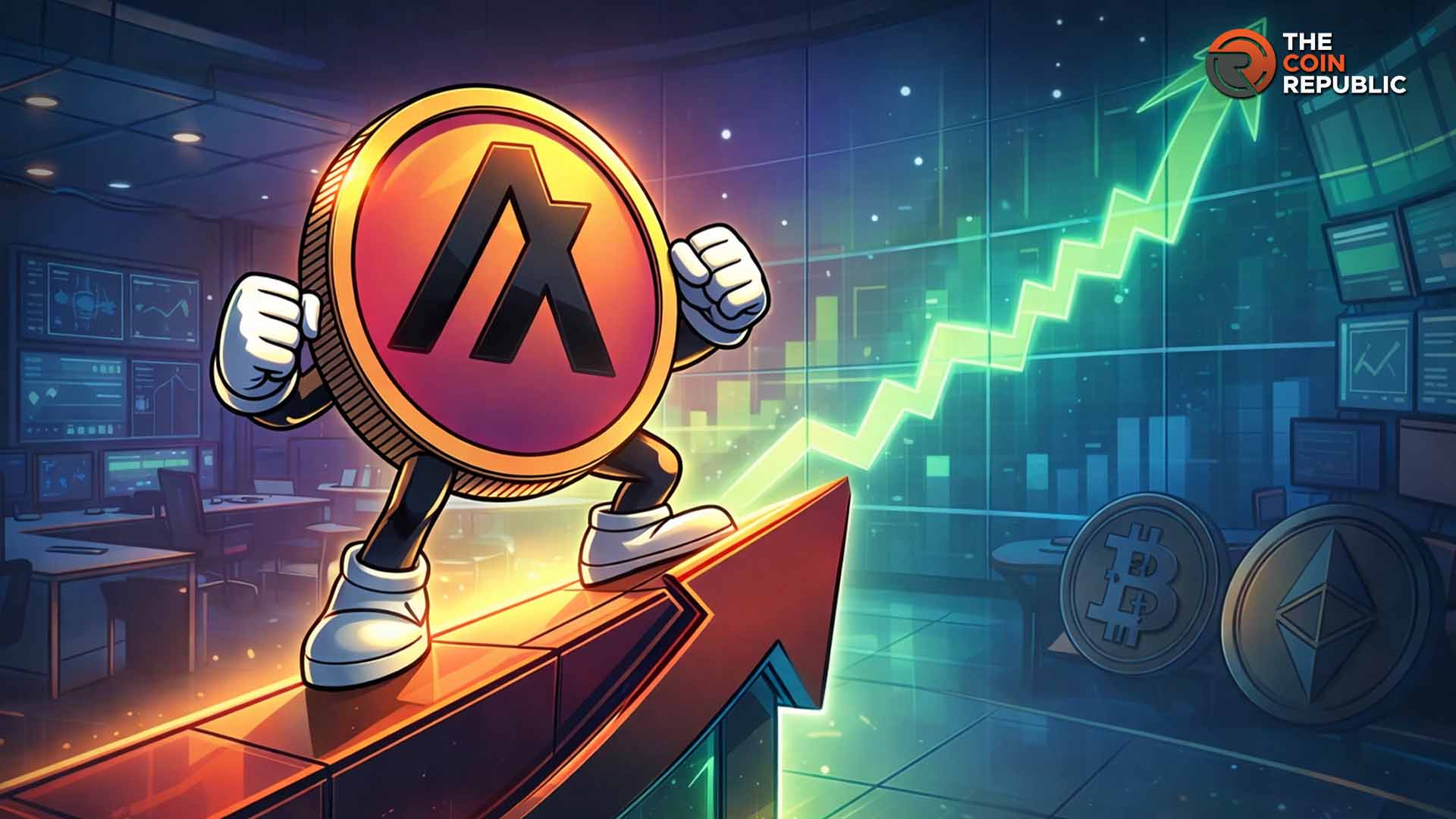
Algorand's ALGO experienced a significant 57% price surge, marking its best week since July 2025, driven by its mention in Google's research on post-quantum cryptography. Despite the recent rally, ALGO shows signs of being overbought with potential for short-term profit-taking, indicated by spot outflows and a doubling of derivatives open interest. The integration of ALGO staking on Revolut and Algorand's strong position in Real-World Assets (RWA) with over $425 million in tokenized assets provide underlying fundamental support beyond the quantum cryptography news. While the quantum cryptography news and RWA developments offer long-term bullish potential, current market conditions and technical indicators suggest a likely short-term correction before any sustained recovery.
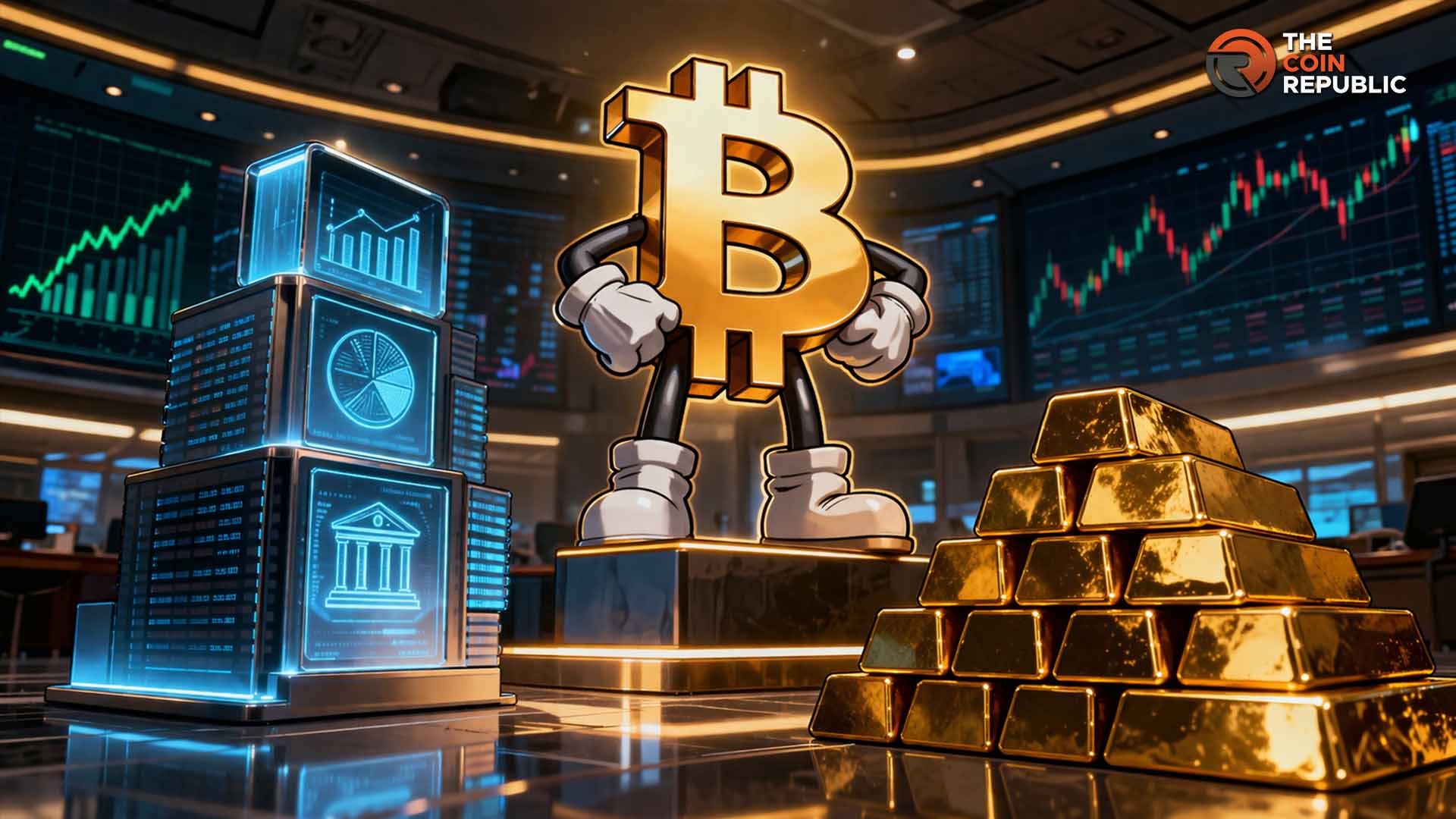
Bitcoin ETFs are projected to surpass gold ETFs in assets under management, driven by growing institutional demand and Bitcoin's multifaceted utility beyond a simple store of value. Strong inflows into Bitcoin ETFs contrast with outflows from gold ETFs, indicating a significant shift in investor preference towards digital assets for portfolio diversification and growth exposure. The comparison of Bitcoin ETFs to gold ETFs highlights a maturing market perception, suggesting that Bitcoin is increasingly viewed as a legitimate investment asset with broader applications than traditional safe havens.

Kevin Warsh's potential Fed chairmanship signals a hawkish monetary policy stance, prioritizing balance sheet reduction over immediate rate cuts, which could reduce liquidity and pressure risk assets like Bitcoin and Ethereum. Market expectations for rate cuts have significantly diminished, with probabilities for June and July cuts collapsing, indicating a shift towards a tighter monetary environment that historically correlates with lower crypto valuations. While Warsh expresses skepticism towards altcoins and CBDCs, his nuanced view of Bitcoin as a 'policeman of monetary policy' and a 'generation's gold' suggests a potential differentiation in how he perceives Bitcoin versus the broader crypto market. The upcoming Senate hearing on April 16 is a critical event for crypto markets, as Warsh's confirmation of his monetary policy priorities could lead to immediate price action, with potential for further downside if he signals continued hawkishness.
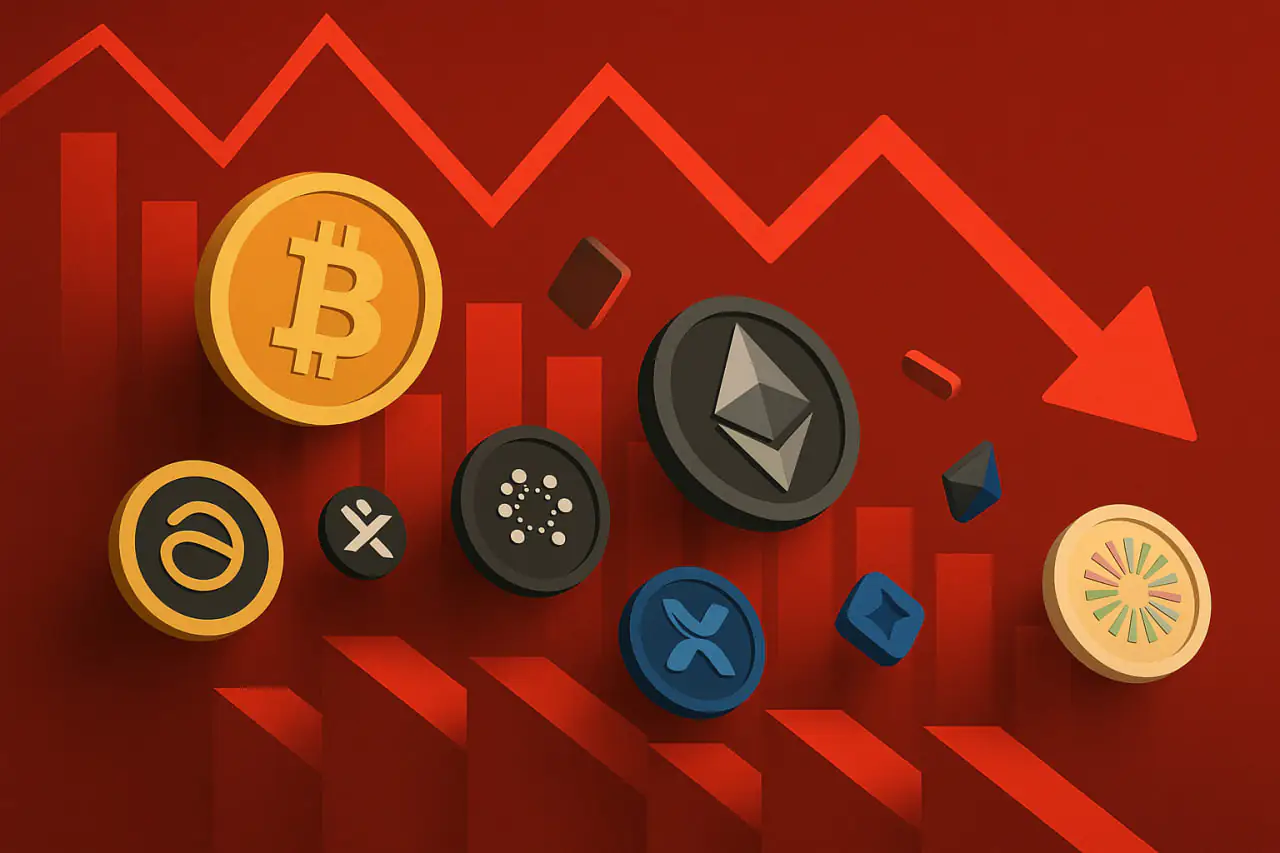
SIREN's drastic 65% weekly decline highlights the extreme risk associated with high supply concentration, as a single whale cluster controls nearly 90% of its tokens, leading to significant downside for retail participants. Ethena (ENA) faces selling pressure from a ~$14.7M token unlock for contributors and early investors, compounded by a six-month low in active addresses, suggesting limited organic demand to absorb the new supply. LayerZero (ZRO) experienced selling pressure from Alameda Research's ~$15.3M token offload, overshadowing positive news of institutional interest from Worldpay and Global Payments. Midnight (NIGHT) launched its mainnet but is facing community concerns over its one-way bridge to Cardano and ongoing Glacier Drop airdrop unlocks, creating liquidity risks and adding selling pressure.
The assertion that Bitcoin and the US dollar share a symbiotic relationship, driven by the dominance of BTC/USD trading pairs, suggests that increased Bitcoin adoption could indirectly bolster dollar demand, contrary to common narratives of Bitcoin undermining fiat. The analysis highlights how stablecoins, particularly Tether (USDT), function as a bridge, reinforcing the US dollar's global financial standing through their backing and trading pair dominance. China's regulatory approach, banning Bitcoin and stablecoins to promote its CBDC (digital yuan), underscores the geopolitical tension between centralized digital currencies and decentralized cryptocurrencies for capital control. Despite China's bans, the significant hash rate controlled by Chinese mining pools indicates the persistent challenge of enforcing complete prohibition on decentralized networks.
Pi Network faces resistance around $0.30 with a key protocol deadline approaching, suggesting potential short-term price pressure if support levels are breached. Hyperliquid's market cap surpassing $1.3 billion indicates growing traction in the derivatives space, with potential for further upside towards $45 if current momentum continues. BlockDAG is attracting significant market attention due to its reported 79,900% growth and upcoming trading phase, positioning it as a project to watch for potential upside as it moves towards broader exchange listings.
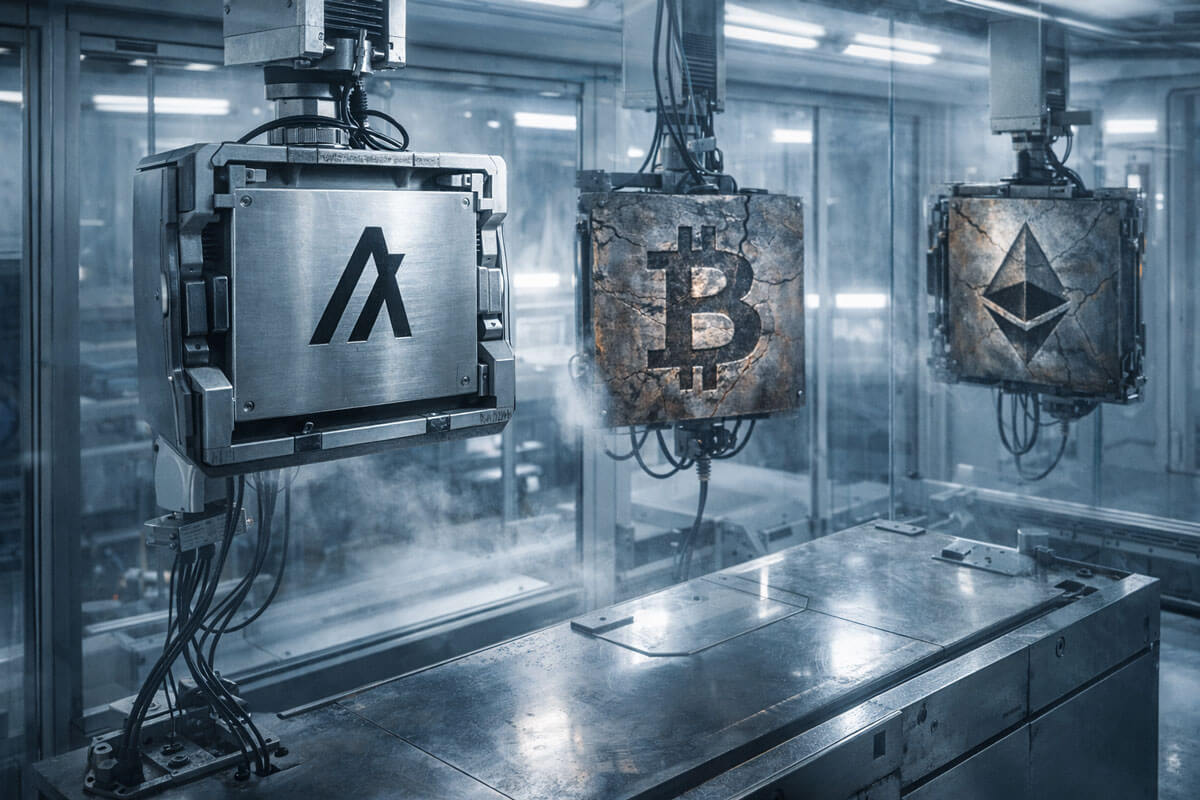
Algorand's ALGO token experienced a significant 50% price surge, driven by a Google Quantum AI paper highlighting its post-quantum cryptography implementation as a live example, contrasting with the perceived slower migration paths for Bitcoin and Ethereum. The Google paper has intensified scrutiny on Bitcoin and Ethereum's quantum vulnerability, particularly concerning legacy addresses and the complexity of migrating large, established networks, suggesting potential long-term risks for these foundational Layer 1s. Algorand's proactive development in post-quantum cryptography, including Falcon digital signatures and state proofs, positions it as a potential leader in quantum-resistant blockchain technology, attracting trader attention and validating its technical roadmap.
Signal context only. Validate with price action, liquidity, and risk limits before taking a position.
No explicit catalyst tagged.
Reports indicate Iran is potentially accepting cryptocurrency and Chinese yuan for passage fees through the Strait of Hormuz, a critical global oil chokepoint. While Iran's tightening control over the Strait of Hormuz is confirmed by multiple sources, the specific details and scale of crypto payments remain unverified, suggesting a need for caution. The potential monetization of passage through Hormuz via crypto could represent a novel geopolitical revenue stream, though its broader market impact is currently limited by verification gaps.
