
Navigating Crypto News

CoinFeather
Navigating Crypto News

Source, catalyst, and sector overlap from the latest feed.
Morgan Stanley's strategy shift indicates a maturing institutional approach to digital assets, moving beyond hype towards foundational infrastructure development. The bank's planned support for tokenized equities trading signals a significant step towards integrating traditional securities with blockchain technology, potentially impacting RWA and broader market structure. Despite current market conditions, the sustained investment in crypto infrastructure by major financial institutions suggests a long-term commitment to digital asset integration.
Live Feed
Loading the broader stream in the same flow as the homepage feed.

BitGo and Susquehanna Crypto are launching institutional OTC access to prediction markets, enabling large investors to trade event-based contracts using crypto collateral, which addresses key infrastructure gaps for institutional participation. This development comes amid increasing regulatory scrutiny of prediction markets in the US, with several states taking action against platforms, highlighting a complex regulatory landscape that could impact future growth. The offering allows for bilateral trades using crypto collateral like Bitcoin or stablecoins, potentially increasing demand for these assets as collateral in new financial products. By facilitating institutional access to prediction markets, this partnership could signal a growing trend of integrating crypto-native financial products into traditional institutional workflows.

The filing of multiple competing ETFs for Hyperliquid's HYPE token by major asset managers indicates institutional interest, but suggests that the early retail entry window for significant gains has likely closed. The article promotes Pepeto as a superior investment opportunity compared to assets being packaged for institutional ETFs, highlighting its presale pricing, working exchange, and experienced co-founder as key differentiators for retail investors. While Digitap and Mutuum Finance are presented as alternative investments, their projected return profiles are deemed less explosive than Pepeto's, positioning Pepeto as the primary 'best crypto to invest in' before its listing.
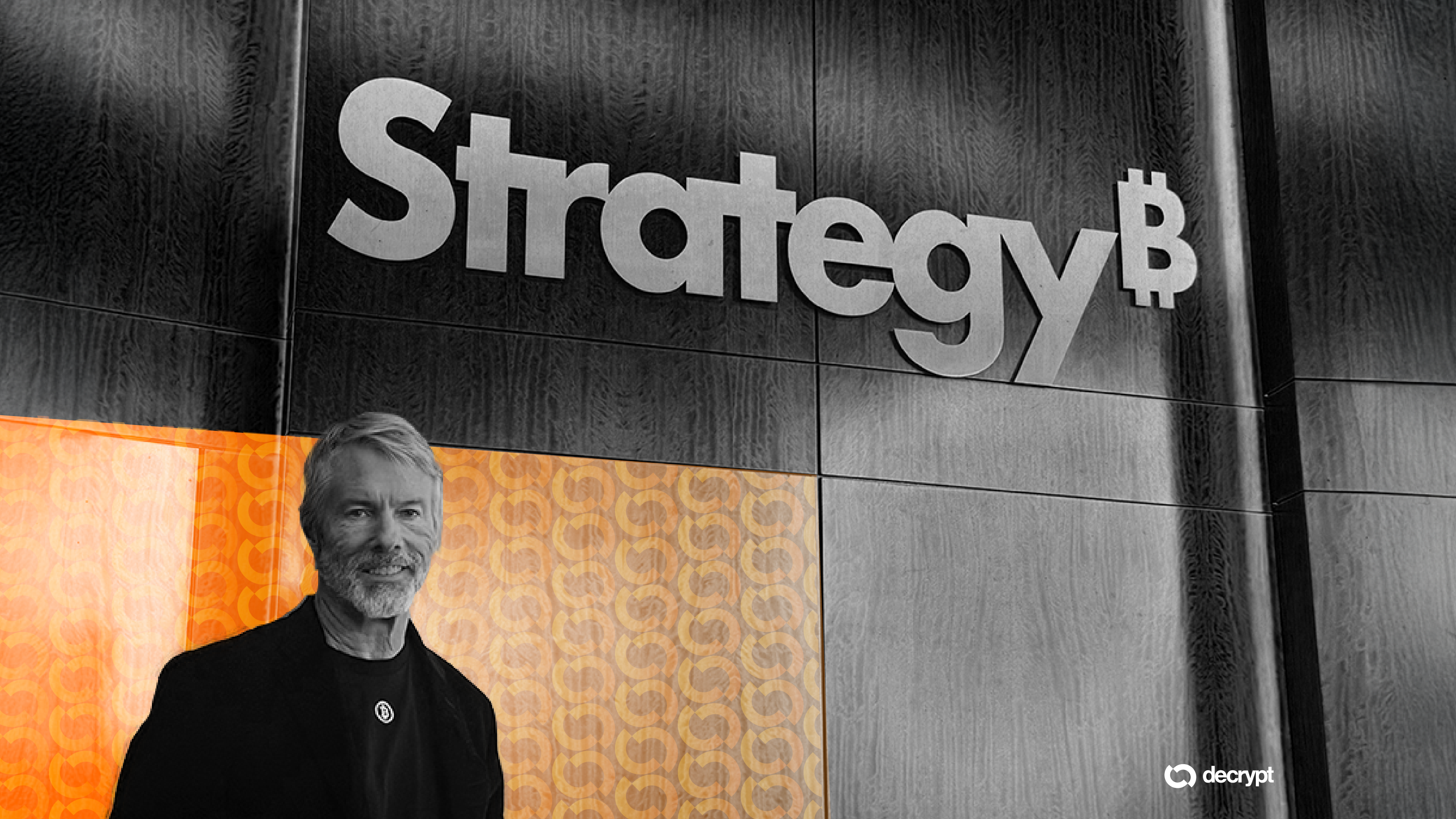
Bernstein analysts suggest Bitcoin's price has likely bottomed, projecting a rise to $150,000 by year-end, indicating a potential shift in market sentiment and a bullish outlook for the asset. Strategy's resilience in accumulating Bitcoin during market downturns, supported by its preferred share offering, highlights its strategic financial management and reinforces its position as a major corporate holder. The maturation of Bitcoin's market structure, evidenced by the debut of ETFs and Strategy's role as a 'Bitcoin bank of last resort,' suggests a growing and more resilient capital base, potentially altering traditional cycle-based market expectations.
Microsoft stock is experiencing a near-term pullback driven by broader market weakness and geopolitical tensions, despite positive underlying economic data and continued AI growth narrative. The stock's long-term technical support at the 200-week moving average remains intact, suggesting resilience despite current volatility, which could be a factor for traders to watch for potential reversals. While AI competition is intensifying, Microsoft's integration of AI into Azure and products like Copilot continues to be a key driver for enterprise technology and long-term revenue growth.

BlackRock's CEO envisions digital wallets as the next frontier for asset management, aiming to integrate traditional investment products like stocks and ETFs, signaling a significant TradFi adoption trend. The firm's substantial existing AUM in stablecoin reserves ($65B) and digital asset ETPs ($80B) provides a strong foundation for this strategy, indicating tangible progress beyond mere rhetoric. This move could accelerate mainstream adoption of wallet-native investing by leveraging BlackRock's infrastructure to bridge traditional finance with crypto-native rails, potentially impacting market access and distribution models. While the long-term vision includes fractional private market access, current progress is focused on tokenized cash and Treasury products, suggesting a phased rollout prioritizing regulated and established assets.
The NYSE's partnership with Securitize to launch a tokenized securities platform signifies a major institutional embrace of blockchain technology, potentially accelerating the adoption of RWA tokenization. Securitize's designation as NYSE's first digital transfer agent establishes a precedent for on-chain settlement of traditional securities, indicating a significant shift in financial infrastructure. This move by the NYSE, alongside other major players like BlackRock and Franklin Templeton, suggests a growing trend towards tokenization, which could redefine market liquidity and accessibility for traditional assets.
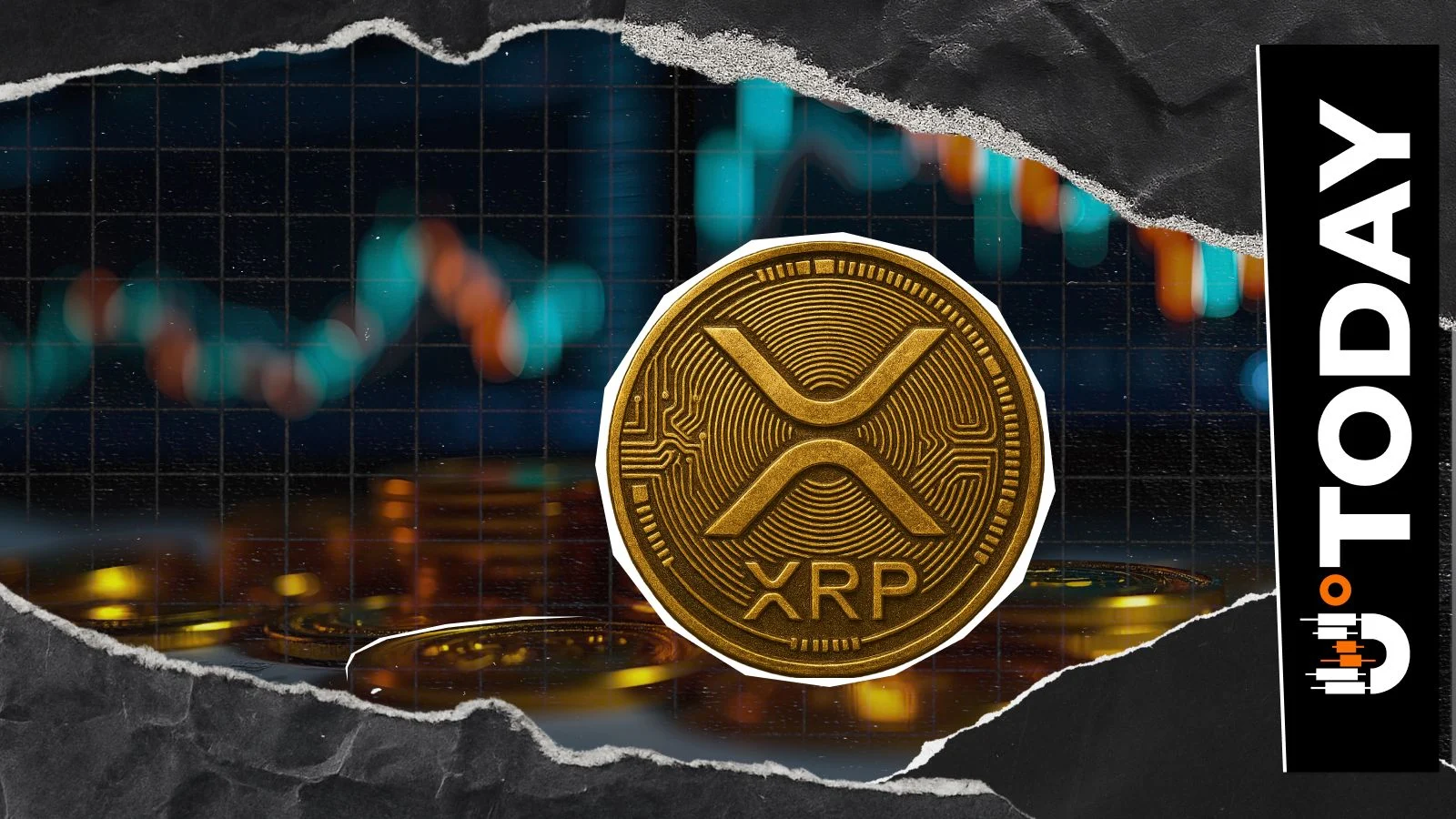
XRP's Q2 performance historically shows significant volatility, with an average April return of +24.8% and a notable +1,109% in Q2 2017, suggesting potential for a strong rebound after its -23% start to 2026. Despite historical bullish tendencies in Q2, the possibility of a 'bull trap' or further decline exists, as evidenced by a -59.4% Q2 in 2022 and a potential repeat of 2024's April weakness. The current oversold market condition for XRP, following a weak Q1 2026 and a bearish Q4 2025, sets the stage for a critical Q2 'moment of truth' with divergent outcomes.
Circle's CRCL stock has experienced a significant pullback of approximately 18% from recent highs, despite strong on-chain performance and increased usage of its USDC stablecoin. The stock's correction suggests that market sentiment is shifting from pure stablecoin optimism to a more cautious outlook, factoring in potential future interest rate cuts and regulatory uncertainties that could impact Circle's revenue streams. Traders are closely monitoring USDC's net inflow trends and the sustainability of stablecoin activity growth, as these metrics will determine if the recent dip in CRCL stock presents a buying opportunity or signals further downside.
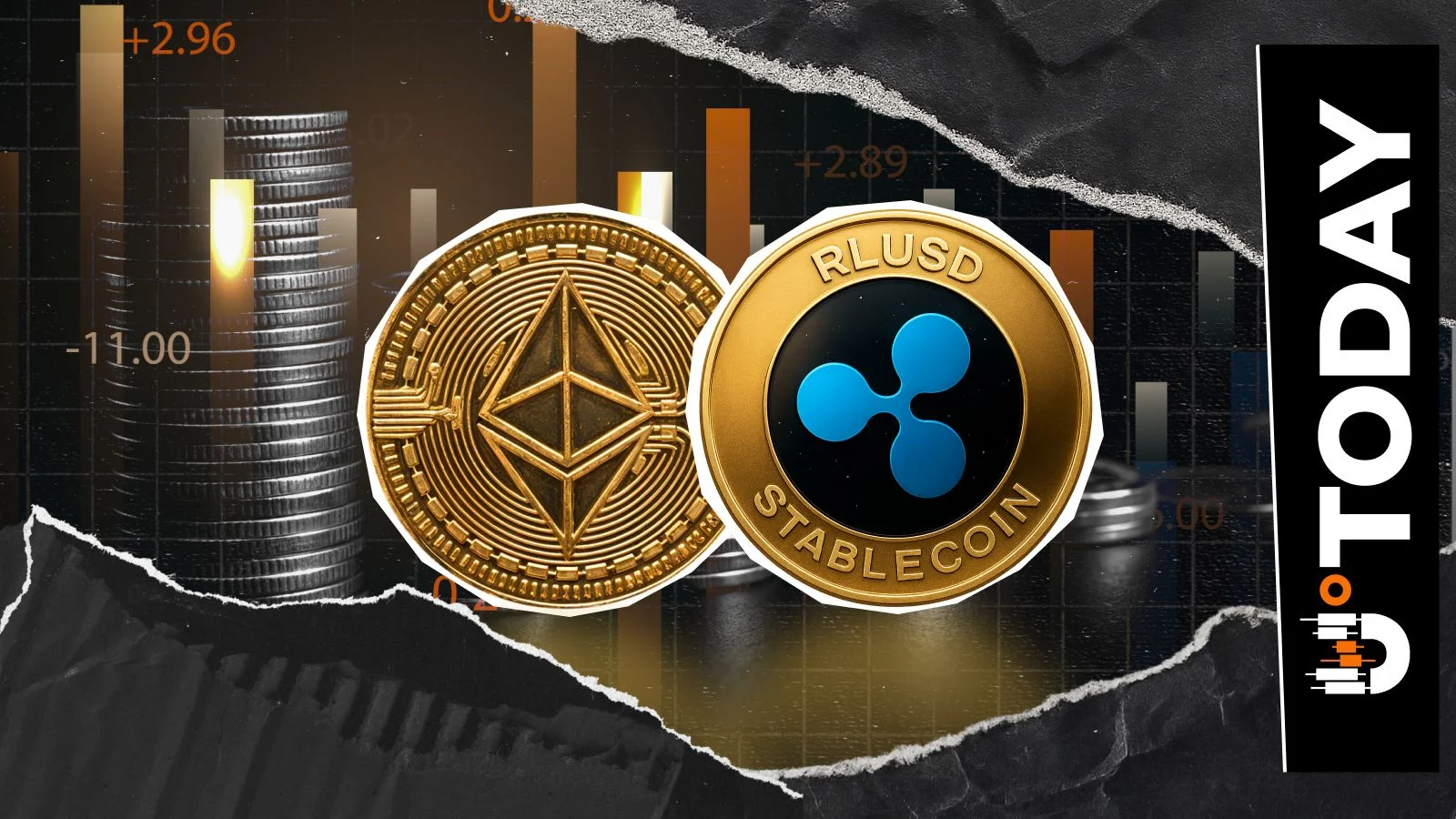
The recent burning of 40 million RLUSD on Ethereum, following previous burns, raises questions about potential declining demand despite the stablecoin's overall growth trajectory. While token burns are a normal mechanism for fully-backed stablecoins to maintain parity with reserves, the frequency and scale of recent RLUSD burns may signal a shift in institutional redemption patterns. Despite concerns over burn activity, RLUSD's circulating supply remains robust, approaching $1.5 billion, indicating continued underlying adoption and potential for further growth towards the $2 billion milestone. The net reduction in RLUSD supply over the past week (45 million burned vs. 10 million minted) suggests a temporary slowdown in net issuance, which could impact its growth rate in the short term.
Signal context only. Validate with price action, liquidity, and risk limits before taking a position.
Quick market read from this story
Bitcoin's slip below $70,000, mirroring equity market weakness, suggests a continued correlation with risk assets driven by shifting interest rate expectations.
The significant drop in Circle's stock (CRCL) and Coinbase (COIN) highlights the market's sensitivity to regulatory news impacting stablecoin yields and exchange operations.
The shift from anticipated rate cuts to potential rate hikes by the Federal Reserve is creating a risk-off environment, pressuring speculative assets like cryptocurrencies.
Tether's announcement of a full audit by a 'Big Four' firm, alongside regulatory concerns for USDC, could lead to a significant shift in stablecoin market dynamics and trust.
Deep Dive
Bitcoin (BTC) fell back towards the $69,000 mark on Tuesday, mirroring a wider pullback in risk assets and equities. The cryptocurrency, which had traded near $71,000 earlier, dropped to approximately $69,600 in early U.S. trading hours. This decline follows a recent trend where Bitcoin has tended to rise slightly on Mondays and fall modestly on Tuesdays.
The broader market downturn was evident in the tech sector, with the iShares Expanded Tech-Software Sector ETF (IGV) declining by about 4%. Crypto prices have shown a strong correlation with this sector in recent months, both trending lower since October. Major equity indexes like the S&P 500 and Nasdaq also saw losses, giving up previous gains amid news of U.S.-Iran talks, rising global yields, a firm DXY above 99, and a 2% increase in oil prices, all contributing to a risk-off sentiment.
Crypto-linked equities experienced significant pressure. Circle (CRCL), the issuer of the USDC stablecoin, led the declines, plummeting 16%. This sharp reversal followed a recent rally that saw its shares gain over 100% in a month. Crypto exchange Coinbase (COIN) also dropped 8%. These moves occurred as reports indicated that the latest version of the Clarity Act may not permit rewards on stablecoin balances, potentially limiting yields. According to Shay Boloor, chief market strategist at Futurum Equities, this development weakens the case for USDC evolving into a store-of-value product.
In contrast, USDT issuer Tether announced it has hired a
Proposed changes to the Clarity Act could significantly curtail stablecoin yield generation, impacting the value proposition for holding stablecoins like USDC and potentially reducing adoption. Circle's stock experienced an 18% decline due to the legislative threat, indicating market sensitivity to regulatory actions that affect core revenue streams and product utility. The concurrent news of Tether undergoing a full reserve audit introduces competitive pressure, potentially shifting market share away from USDC if USDT's transparency improves significantly. Despite a sharp sell-off, some analysts suggest the market may be overreacting, implying potential for a rebound if the final legislation is less restrictive than the draft suggests.
