
Navigating Crypto News

CoinFeather
Navigating Crypto News

Quick market read from this story
Geopolitical tensions are driving capital flight from traditional assets like Dubai real estate, which has seen an 18% decline, while Bitcoin has shown resilience, rising approximately 5.4% during the same period.
The contrasting performance suggests Bitcoin is acting as a potential safe haven or uncorrelated asset during periods of geopolitical uncertainty, unlike traditional real estate markets.
While Bitcoin ETFs experienced some outflows, overall weekly flows remain net-positive, indicating continued institutional interest despite broader market volatility.
The surge in private jet charters from Dubai highlights a significant capital exodus, contrasting with Bitcoin's ability to absorb market shocks and maintain price levels.
Deep Dive
The escalating Iran war, which began on February 28, has triggered significant capital flight and market volatility, leading to an 18.1% plunge in the Dubai real estate index since the conflict's start. This sharp decline has erased most of the index's gains for 2025. In contrast, Bitcoin experienced a notable rise, climbing approximately 5.4% from around $65,492 to $69,000 during the same period, demonstrating a stark divergence in market performance.
The Dubai Financial Market Real Estate Index experienced a dramatic fall after reaching a peak near 16,900 on February 27. Within five trading sessions, the index dropped by an estimated 18-20%, wiping out all gains accumulated in 2025. By Monday's close, the index was approximately 18% lower than its pre-conflict level. Major developers like Aldar Properties and Emaar Properties saw declines of about 5% each. This downturn is attributed to shaken stability and a pause from foreign investors, particularly offshore capital from Russian, Asian, and crypto wealth, which has rapidly evaporated. The geopolitical shock has also halted bond issuance for UAE developers and widened credit spreads.
In stark contrast to the real estate sector, the cryptocurrency market, particularly Bitcoin, has shown remarkable resilience. As of March 10, Bitcoin was trading near $70,000, having recovered from a brief dip to around $63,000 after the initial airstrikes on February 28, when it was trading near $65,500. This performance stands in contrast to other risk assets like gold and oil, which have seen significant price increases. Analysts suggest that crypto markets, operating 24/7, absorbed initial liquidation without widespread panic. While the U.S. spot Bitcoin ETF experienced some volatile flows, including large outflows on a Thursday, weekly flows remained net-positive. Many investors are believed to have moved funds to private wallets rather than selling outright.
The geopolitical tensions have also fueled a tangible exodus from Dubai, with restricted Gulf airspace leading many expatriates to flee the UAE at considerable expense. Reports indicate a surge in private jet traffic, with charter requests in Dubai increasing by 200% to 300% since the conflict began. Ticket prices to Europe have also soared. This capital flight underscores the immediate impact of the conflict on the region's stability and investor confidence. While Bitcoin and digital assets are not showing the same stress as Gulf real estate, markets remain on edge as the war news evolves.
Source, catalyst, and sector overlap from the latest feed.
Strong positive inflows into US Bitcoin ETFs, totaling $167 million, signal renewed institutional demand and a potential shift in market sentiment. The resurgence in ETF inflows, particularly led by BlackRock's IBIT, suggests that institutional investors are re-engaging with Bitcoin, potentially supporting a sustained price above $70,000. The recovery in Bitcoin's price to over $71,000, coinciding with improved global risk sentiment, indicates that macroeconomic factors and geopolitical events can significantly influence short-term price action.
Solana ETFs are attracting significant institutional capital ($540M) despite a substantial 57% price drop in SOL, indicating a potential disconnect between product demand and underlying asset performance. The strong inflows into Solana ETFs, with nearly half of holdings from institutional investors via 13F filings, suggest a growing acceptance of regulated crypto products by traditional finance, even amidst price volatility. Despite robust ETF demand, SOL price remains technically pressured within a bearish flag pattern between $75-$93, suggesting that short-term price action may continue to favor downside until a clear breakout occurs. The divergence between ETF inflows and SOL's price weakness raises questions about whether this demand represents new capital or a migration of existing holdings into a more familiar ETF structure, impacting future price discovery.
Ripple's payment network processing over $100 billion and its RLUSD stablecoin reaching $1 billion market cap signifies significant adoption and utility growth, potentially increasing demand for XRP as a settlement asset. The article highlights historical XRP price patterns correlating with the 100 EMA, suggesting potential accumulation zones and future upside targets between $6-$9 and $20-$25 if broader market conditions improve. Increased institutional interest in blockchain settlement solutions, coupled with Ripple's expanding payment infrastructure, could drive demand for XRP as a bridge currency for cross-border transactions.
Sonic Labs' launch of the USSD stablecoin, backed by tokenized Treasuries, aims to inject much-needed liquidity into its Layer 1 network which has seen a significant decline in activity and total value locked. The USSD stablecoin's integration with Frax's frxUSD infrastructure and its backing by established products like BlackRock's BUIDL and WisdomTree's WTGXX signal a strategic move to leverage real-world asset yield for on-chain utility. By providing a native, permissionless stablecoin, Sonic Labs seeks to reduce fragmentation and simplify capital inflow, potentially revitalizing user activity and developer adoption on the platform. Despite the launch, Sonic faces a challenging market reality with its native token (S) trading significantly below its all-time high, indicating that the stablecoin's success will depend heavily on its ability to drive tangible ecosystem growth.
Nasdaq and Kraken's collaboration signals a significant step towards integrating traditional equities with blockchain technology, potentially expanding market access for global investors. The partnership aims to preserve issuer rights and shareholder protections within a regulated framework, addressing key concerns for institutional adoption of tokenized stocks. The planned 2027 operational launch suggests a long-term strategic play, indicating that tokenized equities are moving beyond experimentation towards becoming a core component of market infrastructure. This development could pave the way for 24/7 trading of equities and ETFs, fundamentally altering traditional market hours and accessibility for international participants.
Live Feed
Loading the broader stream in the same flow as the homepage feed.

Ripple's planned acquisition of an Australian Financial Services License via BC Payments Australia signifies a strategic expansion into a key APAC market, aiming to offer its full payments suite. The move is supported by a near doubling of Ripple's APAC payments volume in 2025, indicating strong regional demand and potential for further growth in cross-border transactions. While the acquisition is pending, it positions Ripple to enhance its regulated footprint globally, with over 75 licenses worldwide, and participate in Australia's digital asset infrastructure initiatives like Project Acacia. The mention of XRP trading at $1.38, up 0.3%, suggests a minor market reaction to the news, but the primary focus remains on Ripple's operational and regulatory expansion rather than direct XRP price catalysts.
Institutional adoption and expanding use cases in DeFi, stablecoins, and RWA present a bullish outlook for crypto in 2026, suggesting potential for continued growth beyond speculative interest. Despite potential upside, extreme volatility and regulatory uncertainty remain significant risks for crypto investors in 2026, necessitating a cautious approach and diversification. The comparison of Bitcoin to 'digital gold' highlights its potential as a store of value, but its higher volatility compared to gold requires investors to assess their risk tolerance carefully.

Bitcoin's resilience above $70,000 is being tested, with buyers needing to consolidate gains to avoid a return to previous consolidation patterns. Easing energy price fears due to the IEA's proposed oil reserve release could marginally strengthen the case for Fed rate cuts, positively influencing risk assets like Bitcoin. While Bitcoin shows signs of buyer confidence, holding above $70,000 and breaking the $73,000 resistance level are crucial for sustained upward momentum. The correlation between Bitcoin and the S&P 500 remains high, indicating that crypto markets will likely follow any signals from the upcoming Fed meeting.

Despite a significant increase in XRP Ledger transactions to 2.7 million daily, XRP's price remains rangebound between $1.34 and $1.44, indicating that on-chain activity is not currently translating into upward price momentum. The growing value of tokenized real-world assets on the XRP Ledger, approaching $461 million, suggests underlying ecosystem development, but traders are prioritizing technical levels due to thin liquidity and lack of clear directional catalysts. XRP's consolidation pattern between $1.34 and $1.44, with declining volume, suggests a potential breakout is building, but traders are awaiting confirmation of a break above resistance or support to signal the next significant price move. The current market environment for XRP is characterized by low trading volume and a lack of specific token catalysts, leading to a neutral sentiment as participants await a decisive break of key technical levels.

Bitcoin options market data indicates a significant shift in trader sentiment, with a notable decrease in downside hedging and a growing probability (35%) of BTC reaching above $80,000 by the end of June. The recovery in Bitcoin's skew from -25% to approximately +10% suggests traders are becoming more confident, potentially reducing demand for protective puts and increasing bullish positioning. The current options pricing and recovering skew suggest a market expectation for Bitcoin to trade towards the $80,000 level between June and September, implying potential near-term upside.

US lawmakers are proposing legislation to explicitly ban prediction market contracts on war, death, and assassination, removing regulatory discretion. The proposed "DEATH BETS Act" aims to codify a ban on such contracts, irrespective of CFTC leadership, addressing concerns over national security and insider profit. This regulatory push, coupled with the CFTC's announced plans to expand oversight, signals increased scrutiny on prediction markets and their potential for misuse. The development could impact platforms offering event contracts, potentially leading to delistings or stricter compliance requirements for specific contract types.

Elon Musk's X Money launch, offering a 6% yield on fiat balances, directly competes with stablecoin products and could create regulatory arbitrage if launched before stablecoin legislation passes. Despite the announcement of X Money, Dogecoin experienced a speculative rally and subsequent reversal, highlighting its historical sensitivity to Musk's pronouncements rather than confirmed integration. The 6% APY offered by X Money, if sustained, represents a significant challenge to traditional savings accounts and money market funds, potentially drawing capital away from other yield-generating products. The regulatory landscape for yield-bearing products is a key factor, as X Money's fiat-based approach could be viewed differently than stablecoin yields, creating a potential advantage for the platform.

Australia's ASIC fintech chief advocates for regulating crypto based on economic substance rather than technological form, aligning with existing financial laws. This approach contrasts with bespoke crypto regulations in the US and EU, suggesting a potential shift towards integrating digital assets into established financial frameworks. The ASIC's stance implies that tokenized securities and stablecoins will be subject to existing securities and payment services legislation, respectively, potentially reducing regulatory arbitrage opportunities. By focusing on intermediaries and economic functions, Australia aims to provide clearer rules and enhance market integrity, though decentralized offerings may still present classification challenges.

Despite record network activity on Ethereum, Ether's price has declined approximately 30% over the past six months, indicating a decoupling between on-chain usage and market valuation. Capital outflows from Ethereum, evidenced by exchange flow data showing ether moving to trading venues faster than bitcoin, suggest elevated selling pressure despite the surge in active addresses and smart contract calls. Ethereum's declining share of transaction fees and protocol revenue, with Layer-2 solutions like Base and Polygon capturing significant economic activity, highlights a shift in value accrual away from the base layer. The diminished correlation between on-chain activity and ETH price, a departure from previous market cycles, suggests that incremental usage growth now has less explanatory power for the token's valuation.

Nvidia's CEO Jensen Huang asserts that AI's massive infrastructure buildout will create significant job growth, countering fears of widespread job displacement. The projected trillions of dollars in infrastructure investment for AI, encompassing energy, chips, and data centers, signals a substantial economic expansion opportunity. While some companies cite AI for layoffs, Huang's perspective suggests a net positive job creation outlook driven by the demand for skilled labor in AI infrastructure development and maintenance.

Ripple's pursuit of an Australian Financial Services License via BC Payments acquisition signals a strategic move to integrate its payment infrastructure within a regulated framework, potentially paving the way for broader institutional adoption of blockchain-based settlement in the APAC region. The expansion into Australia, driven by nearly doubled APAC payment volumes, highlights the growing demand for efficient cross-border payment solutions and positions Ripple to compete more directly with traditional financial rails in higher-friction markets. While the license offers legitimacy and a potential template for mainstream crypto integration, market observers note that adoption hinges on regulatory clarity, consumer education, and demonstrable speed or cost advantages over existing domestic and emerging stablecoin offerings.

Bitcoin's return above $70,000 is driven by a shift in geopolitical sentiment, specifically easing tensions in the Middle East, which is boosting social media optimism and potentially triggering FOMO. Despite positive social sentiment, the Crypto Fear & Greed Index remains in 'extreme fear,' suggesting a divergence between short-term social media buzz and broader market sentiment, which could lead to volatility. Institutional buying from entities like Strategy, coupled with Bitcoin's resilience to geopolitical shocks and oversold technicals, suggests potential for a short squeeze and a test of higher price levels. The narrative of Bitcoin as an alternative asset is reinforced by its 24/7 global trading and independence from single financial systems, making it a potential beneficiary during periods of geopolitical uncertainty.
Ripple's acquisition of BC Payments and subsequent pursuit of an Australian Financial Services License (AFSL) signals a strategic expansion into the APAC region, leveraging existing remittance services to build a stronger regulatory foothold. The move to secure an AFSL in Australia, coupled with recent OCC approval for a US trust bank charter and UK/EU licenses, indicates Ripple's ongoing strategy to obtain regulatory compliance across key global markets. While the article mentions XRP price action and potential resistance/support levels, the primary focus is on Ripple's corporate and regulatory developments, suggesting that direct price impact from this news alone may be limited in the short term. Ripple's continued efforts to integrate digital currencies with traditional payment systems, as evidenced by Project Acacia and the planned RLUSD stablecoin, highlight a focus on institutional adoption and utility beyond speculative trading.

Arthur Hayes, a prominent Bitcoin bull, signals a shift to a wait-and-see approach, indicating he will only buy Bitcoin when the Federal Reserve begins quantitative easing. The geopolitical tensions in the Middle East are cited as a potential catalyst for increased Fed money printing, which Hayes believes is the true driver for Bitcoin's price appreciation. Despite a previous $250,000 price target for Bitcoin, Hayes suggests current geopolitical risks could lead to a significant sell-off, potentially pushing Bitcoin below $60,000 before any recovery.

China's AI strategy focuses on efficiency and broad integration into physical systems, contrasting with the US pursuit of AGI, suggesting a divergence in technological development priorities. The emphasis on open-source models and efficiency by Chinese AI developers, potentially leveraging techniques like model distillation, presents a different competitive landscape than the US focus on massive compute. The differing approaches to AI development between the US and China could pave the way for international agreements on AI development, akin to arms control treaties, by establishing 'red lines'.

Ripple's acquisition of BC Payments Australia and its AFSL positions the company to expand its payments business in a key market, signaling a strategic move towards regulatory compliance and operational growth. The acquisition is expected to close by April 1, marking a significant step in Ripple's international licensing strategy and potentially paving the way for broader adoption of its services in Australia. This development, coupled with ongoing regulatory discussions in Australia, could alleviate 'debanking' issues for crypto firms and foster a more favorable environment for institutional digital asset interest.
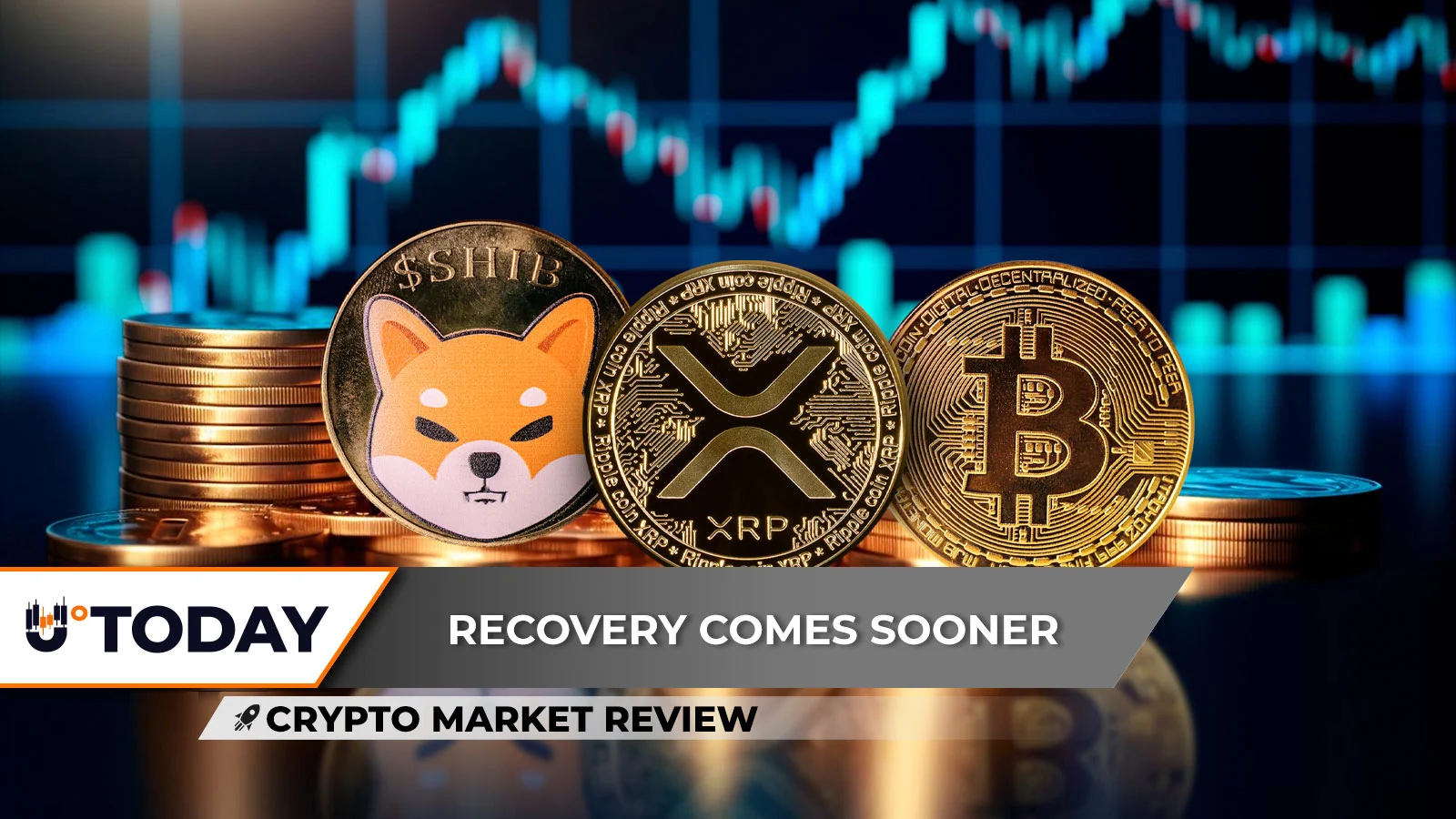
Bitcoin reclaiming the $70,000 level signals renewed buyer conviction and a potential shift towards a broader trend reversal, though elevated volatility and short-term pullbacks remain likely. Shiba Inu's 8% spike represents a short-term relief bounce driven by oversold conditions rather than a confirmed structural reversal, with momentum indicators showing early signs of stabilization. XRP is approaching a critical technical test at the 26-day EMA, where a breakout could signal a shift to bullish momentum, while failure would reinforce its existing bearish structure.
Signal context only. Validate with price action, liquidity, and risk limits before taking a position.
