
200+ crypto news providers in one place.

CoinFeather
200+ crypto news providers in one place.
Quick market read from this story
Core Scientific secures up to $1 billion in funding from Morgan Stanley
Funding will accelerate the transition of Bitcoin mining facilities into AI data centers
The company aims to generate significantly more revenue per kilowatt-hour from AI hosting compared to Bitcoin mining
This strategic shift follows Core Scientific missing Q4 revenue estimates and a prior sale of Bitcoin holdings.
Deep Dive
Core Scientific Inc., a prominent Bitcoin mining company, announced on Thursday that it has secured a significant financing agreement with Morgan Stanley, potentially worth up to $1 billion. This funding is earmarked to accelerate the company's strategic shift of its ten Bitcoin mining facilities into specialized AI data centers.
The initial phase of the agreement involves an initial $500 million loan with a 364-day term, which includes an accordion feature allowing for an additional increase of up to $500 million. The capital will be utilized for acquiring necessary equipment, land, and covering the increased energy expenditures associated with high-density colocation services for AI clients.
This substantial financing comes in the wake of Core Scientific reporting a shortfall of over $44 million in its Q4 2025 revenue estimates. This financial pressure coincided with a significant drop in Bitcoin's price, which fell from its 2025 all-time high of $126K to a low of $71K, placing miners in a difficult position as their production costs remained around $93K. At the time of reporting, Bitcoin was trading at $71,086, still within this challenging miner capitulation zone.
In response to these market conditions, Core Scientific recently divested nearly all of its Bitcoin holdings, amounting to 2,537 BTC, to finance its AI infrastructure development. Furthermore, the company is engaged in a $10 billion partnership with the AI cloud platform CoreWeave, providing essential AI facilities for CoreWeave's graphical processing units (GPUs).
Core Scientific is not alone in this strategic pivot; it is part of a broader trend among large-scale Bitcoin miners transitioning to AI data centers. Other notable companies pursuing similar strategies include Iris Energy, Cipher Mining, TeraWulf, and Hut 8 Corp.
This industry-wide move is facilitated by the existing infrastructure of these mining companies, including their established electric grids, pre-allocated power capacities, and physical assets like land, warehousing, and cooling systems. The transition to hosting AI services is projected to generate up to 25 times more revenue per kilowatt-hour compared to Bitcoin mining, with the added benefit of dollar-tied, more stable income streams.
Despite these strategic developments, Core Scientific's stock (CORZ) had not yet fully reflected the news, trading at $15.67 with a 1.07% decrease in the 24 hours prior to the report.
Source, catalyst, and sector overlap from the latest feed.
Japanese fintech firm launches global trade finance payment platform on XRP Ledger. XRP ETFs reach $1.1 billion in assets under management. Institutional investors show growing interest via XRP ETFs, with Bitwise ETF being the largest in the US. New infrastructure for XRP yield generation is being developed, enabling cross-chain liquidity participation.
XRP price is consolidating below $1.40, failing to sustain moves above $1.48 resistance. A descending parallel channel indicates a bearish market structure for XRP. Key support at $1.33, with breakdown potentially leading to $1.20-$1.15. Break above $1.48 could target $1.60 and $1.75, but current momentum is weak.
VanEck CEO states Bitcoin is forming a bottom, with price predictions ranging from $110,000 to $200,000. Bitcoin ETFs saw over $458 million in inflows on March 3, indicating an accumulation phase. Pepeto presale has raised over $7.5 million, offering 209% APY staking rewards. Bitcoin's 50-day moving average crossing below the 200-day (death cross) suggests consolidation before potential expansion.
G Coin, the utility token for Playnance's digital entertainment ecosystem, has amassed over 180,000 holders before its public listing. The Playnance ecosystem processes over 1.5 million on-chain transactions daily, supporting 10,000 on-chain games. G Coin features a fixed supply of 77 billion tokens with no inflation, utilizing time-based lock mechanisms instead of token burns. The token has achieved a market capitalization exceeding $35 million prior to its full market availability.
Cardano founder Charles Hoskinson questions if XRP would be classified as a security under the proposed Digital Asset Market Clarity Act of 2025. The bill, H.R. 3633, passed the House and is in the Senate, aiming to clarify crypto regulation by splitting oversight between SEC and CFTC. Hoskinson argues that many tokens, including XRP, Cardano, and Ethereum, would likely start as securities under the bill's framework. A token could transition to commodity status only if the blockchain becomes sufficiently decentralized, a process Hoskinson believes could be subject to regulatory interpretation and delays.
Bitwise donated an additional $233,000 to Bitcoin developers from BITB ETF profits. Total Bitcoin developer donations from Bitwise now exceed $383,000. BITB ETF has attracted approximately $2.2 billion in net inflows since its launch. Traditional finance may adopt on-chain infrastructure faster than previously anticipated.
Western Union launched a $3 billion USDPT stablecoin on the Solana blockchain. The USDPT stablecoin aims to link digital dollars with global cash access via 360,000 physical points. Crossmint is partnering to integrate its payment APIs with Western Union's Digital Asset Network for USDPT support. Analysts suggest SOL could target $115 if it reclaims the $100-$105 range, citing strengthening buying pressure.
Cardano (ADA) is now accepted at 137 SPAR supermarkets in Switzerland. Payments are converted to Swiss francs instantly for merchants via DFX.swiss. Transaction fees are approximately two-thirds lower than traditional card processors. The goal is to extend ADA acceptance to all 300 SPAR locations in Switzerland.
Core Scientific secured a $500 million loan facility from Morgan Stanley, with an option to increase it to $1 billion. Financing will support data center expansion for AI and HPC workloads, alongside Bitcoin mining. Company is pivoting its infrastructure to focus more on AI and high-density computing. This follows a recent Q4 earnings miss and a prior Chapter 11 bankruptcy restructuring.
US banking regulators mandate identical capital treatment for tokenized and traditional securities. Capital requirements will not differ based on whether securities are tokenized or not. This policy applies to securities issued on permissioned or permissionless blockchains. Regulators clarified that tokenized assets can be used as collateral with the same haircuts as traditional securities.
SEC proposes interpretative guidance on federal securities laws for crypto assets. Proposal aims to clarify which tokens are considered securities under SEC purview. Interpretative guidance carries more weight than staff-level statements. Move comes as crypto market structure bill progresses in US Senate.
Roblox implements AI to rephrase profanity in real-time chat instead of using hashmarks. The feature aims to maintain conversation readability and enforce community standards. Roblox is also enhancing chat filters to detect evasion tactics like leetspeak. This AI integration follows similar trends in the gaming industry for player behavior moderation.
CleanSpark sold 553 BTC for $36.6M in February, producing 568 BTC. Company expanded power capacity in Texas, adding 300 MW. CleanSpark is exploring AI and HPC workloads for its infrastructure. Other miners like Riot Platforms and Core Scientific also sold BTC holdings.
Zero Hash applied for a national trust bank charter with the OCC on March 4, 2026. The proposed bank will offer digital asset custody, stablecoin management, and staking services. This move aims to consolidate regulatory oversight under a single federal framework, bypassing state-level licensing. Traditional banking groups express concerns about blurred regulatory lines and potential systemic risk.
Live Feed
Loading the broader stream in the same flow as the homepage feed.

Rainberry Inc. to pay $10 million civil penalty to settle SEC case SEC dismisses remaining claims against Justin Sun and affiliated entities Settlement resolves unregistered securities and market manipulation allegations Case resolution removes regulatory overhang for Tron founder
BlockDAG (BDAG) trading officially launched on March 5, 2026, on exchanges including Coinstore, BitMart, and Pionex USA. Market makers project BDAG could reach a top 50 market cap rank with potential for 100x growth. Uniswap (UNI) price increased 18% last week, driven by trading volume and a potential fee-burning governance update. Cardano (ADA) shows positive signs with large holders accumulating coins and a strong floor at $0.28, targeting $0.35.

Rainberry Inc. to pay $10 million fine as part of SEC settlement. SEC dismisses all charges against Justin Sun, Tron Foundation, and BitTorrent Foundation. Settlement requires Rainberry to be barred from future securities violations. SEC's case against Sun and Tron, filed in 2023, alleged federal securities law violations.

ETH derivatives signal professional desks hedging against downside risks due to global instability. ETH options skew indicates persistent skepticism among professional traders. Ethereum network activity and DEX volumes have declined, impacting ETH burn mechanism. Ethereum ecosystem maintains dominant TVL share despite competition from Solana and BNB Chain.

XRP liquidity on Binance has dropped significantly to 0.097, increasing volatility risk. Shiba Inu burn rate surged 53,954% in 24 hours, coinciding with a 6.35% price increase. Rockefeller Capital Management increased its MicroStrategy (MSTR) stake by 146% to 198,283 shares.

Bitcoin price surged 7% on March 4, 2026, from $68K to $73.5K. Institutional TWAP orders totaling $790 million and $560 million in ETF inflows fueled the rally. US demand surge indicated by a $61 Coinbase premium, alongside 8,000 BTC withdrawn from exchanges. A $3.5 billion spike in derivatives leverage presents a key risk for potential liquidations.

Short seller Culper Research initiates a bearish position against ETH and BitMine (BMNR). Culper cites Ethereum's December 2025 Fusaka upgrade as impairing ETH tokenomics and reducing validator yields. Report estimates Ethereum fees have dropped approximately 90% post-upgrade. Vitalik Buterin has sold nearly 20,000 ETH this year, adding to the bearish narrative.

Dogecoin (DOGE) experienced an 8% decline in the last 24 hours, leading losses among top 100 cryptocurrencies. The meme coin category is the only top 20 market cap category in the red over the last 24 hours. Analyst suggests Dogecoin's value relies on the attention economy, not sustainable rallies. DOGE is down 87% from its 2021 all-time high of $0.73.
BlockDAG (BDAG) trading is live on Coinstore, BitMart, and Pionex USA, with market makers projecting targets of $0.2-$0.5. Aave (AAVE) shows potential for a breakout to $131 driven by whale accumulation and clearing a bullish flag formation. Chainlink (LINK) surged over 14% due to institutional adoption and integrations, with Grayscale's trust holding over $70 million. BlockDAG's DAG architecture supports 10,000 TPS, with projections of a $1.2 billion market cap and outperforming early Solana staking yields.
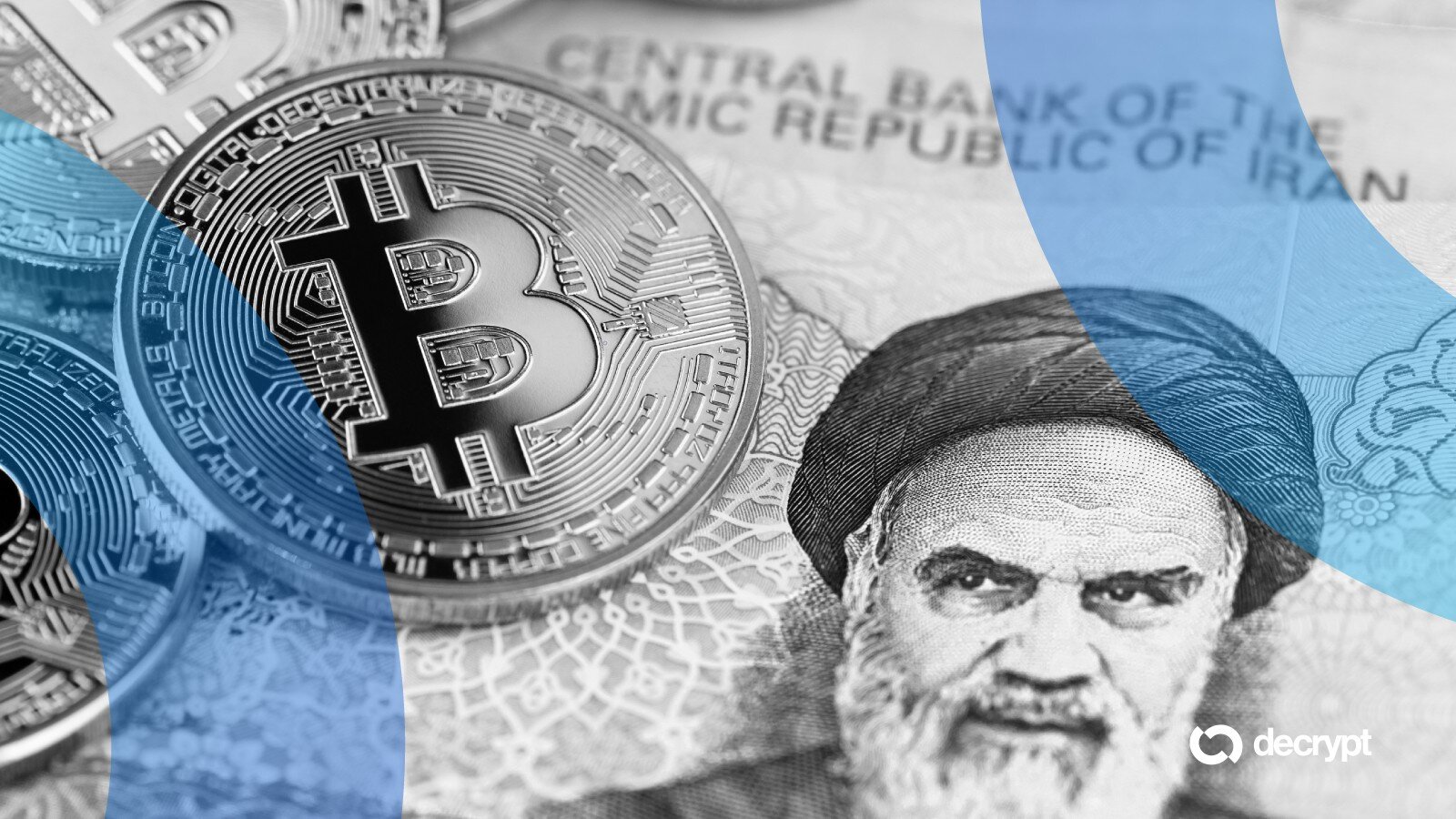
Illicit crypto addresses received $154 billion in 2025, a 162% year-over-year increase. Sanctioned entities accounted for $104 billion of illicit crypto flows. Iran's IRGC-linked networks moved over $3 billion in Q4 2025 to support proxies and procure equipment. North Korea-backed hackers stole over $2 billion in 2025, a record year for crypto theft.

SEC Chairman Paul Atkins supports the passage of the CLARITY Act for clear digital asset rules. Representative French Hill highlights bipartisan support for the CLARITY Act and GENIUS Act in the House. The CLARITY Act aims to provide a regulatory framework for the US cryptocurrency market. Lobbying efforts from traditional banking and crypto industries are currently delaying legislative progress.

IRS proposes mandating electronic delivery of tax forms for crypto users. Exchanges may terminate relationships with clients refusing electronic tax form delivery. Proposal prohibits retroactive revocation of consent for electronic forms. Tax compliance is a cited barrier to crypto adoption for US users.

Public Bitcoin miners have sold over 15,000 BTC since October. Sales are driven by tightening margins and debt pressure. This marks a strategic shift from the previous hold strategy. Companies like Cango, Bitdeer, Riot Platforms, and Core Scientific are among those selling.

PEI Licensing, owner of Original Penguin, sues Pudgy Penguins for trademark infringement. The lawsuit alleges Pudgy Penguins' marks are confusingly similar to Original Penguin's established trademarks. PEI Licensing claims Pudgy Penguins continued infringement after receiving a cease-and-desist letter in October 2023. PEI seeks monetary relief, rejection of Pudgy Penguins' USPTO applications, and destruction of infringing products.
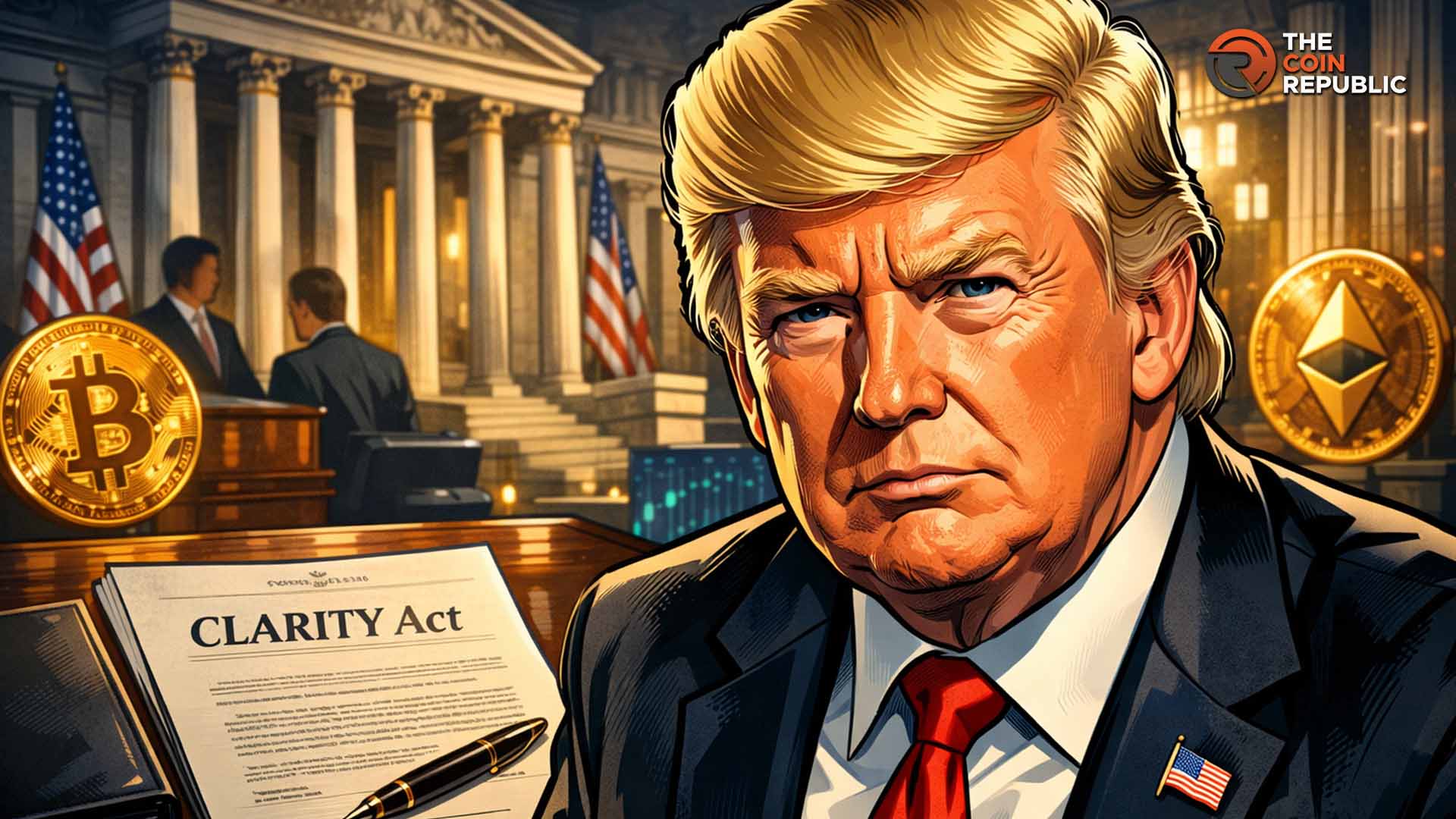
President Trump is pressuring regulators to expedite the CLARITY Act, citing concerns about international competition. Banks are accused of hindering regulatory progress on the CLARITY Act and GENUS Act, particularly regarding stablecoin yields. Kraken has secured a Federal Reserve Master Account, granting it direct access to US core payment systems. The CLARITY Act's progress remains uncertain despite renewed political attention.
Signal context only. Validate with price action, liquidity, and risk limits before taking a position.
