
Navigating Crypto News

CoinFeather
Navigating Crypto News

Quick market read from this story
The upcoming $2.2 billion FTX creditor distribution on March 31 presents a significant liquidity test for Bitcoin, coinciding with a challenging macro environment characterized by rising oil prices and tightening financial conditions.
While historically a routine event, the FTX payout's timing amidst geopolitical pressure and a risk-off market sentiment increases the probability of short-term selling pressure on Bitcoin, potentially testing its ability to hold key support levels.
The market's reaction to the FTX distribution will be a crucial indicator of Bitcoin's correlation with broader risk assets, with potential outcomes ranging from renewed downward pressure to a surprising decoupling if demand absorbs the liquidity.
Deep Dive
FTX is set to commence its fourth creditor distribution on March 31, with approximately $2.2 billion slated for eligible customers. The funds will be distributed through BitGo, Kraken, and Payoneer, with recipients expected to receive their payments within 1 to 3 business days. This distribution arrives at a critical juncture, coinciding with a challenging macroeconomic period and a volatile Bitcoin market.
The timing of this substantial payout raises concerns about potential short-term selling pressure on Bitcoin, which has been trading within a fragile range. Previously, the worry was about a large influx of cash impacting Bitcoin's attempt to break above $70,000. However, with Bitcoin's price decline, the focus has shifted to the market's ability to absorb this liquidity test amidst broader macroeconomic headwinds, including rising oil prices and a strengthening dollar.
FTX has outlined specific recovery percentages for different creditor classes. Dotcom customers will receive an incremental 18% distribution, bringing their total recovery to 96%. US customer entitlement claims will receive 5%, reaching 100% recovery. General unsecured and digital asset loan claims will each get 15%, also reaching 100%. Convenience claims maintain a cumulative 120% distribution. These payouts are significant for creditors seeking to mitigate losses from the FTX collapse nearly two and a half years ago.
The distribution occurs against a backdrop of significant market shifts. Brent crude is on track for a record monthly rise, and financial markets have adjusted expectations regarding Federal Reserve interest rate cuts, with rates now anticipated to remain on hold for the year. Financial conditions have tightened considerably in March, driven by higher energy prices, widening credit spreads, increased borrowing costs, and declining stock prices. This risk-off sentiment is reflected in both crypto prices and the dollar index, which has reached a near-year high.
Bitcoin, currently trading around $66,600, is exhibiting a more defensive pattern, indicating a lack of strong risk appetite. This behavior aligns with broader market trends, including surging oil prices, a strengthening dollar, and significant monthly losses in Asian equities. The market is now contemplating three potential outcomes: creditors de-risking and putting downward pressure on Bitcoin, the payout being absorbed more easily than anticipated due to its expected nature, or Bitcoin decoupling from the broader risk complex and treating the distribution as potential future capital for digital assets.
Source, catalyst, and sector overlap from the latest feed.
Bitcoin's continuous trading allows it to act as a real-time macro market, pricing geopolitical events and sentiment shifts outside traditional U.S. trading hours. The interplay between Iranian geopolitical developments and U.S. political messaging is directly influencing cross-asset pricing, with Bitcoin acting as an early indicator. The upcoming week's economic data, particularly concerning oil prices and inflation, will be interpreted through the lens of geopolitical risk, with Bitcoin's 24/7 price action providing immediate market feedback. Traders are closely monitoring Bitcoin's behavior during off-hours for clues on market sentiment regarding geopolitical events, potentially offering an asymmetric trading edge before traditional markets open.
US policy is increasingly bifurcating digital assets into stablecoins for payments and Bitcoin for savings, reinforcing Bitcoin's 'digital gold' narrative but narrowing its transactional use case. The development of regulated digital dollar infrastructure by the US government, including proposed stablecoin frameworks and tax treatments, signals a strategic move to extend dollar dominance in the digital economy. While Bitcoin's role as a transactional currency faces headwinds from this regulatory push, its core value proposition as a scarce, sovereign-resistant asset for savings and reserves is potentially strengthened by this clearer market segmentation. The market may begin to price in this clearer role separation, potentially leading to increased institutional adoption of Bitcoin as a reserve asset while stablecoins capture mainstream payment utility.
Ripple is enhancing the XRP Ledger's appeal to institutions by introducing privacy features for transactions and AI-driven code checks, aiming to address key concerns about transparency and security in public blockchains. The strategic shift positions XRPL beyond its initial focus on cross-border payments towards a broader institutional financial infrastructure, encompassing stablecoins, treasury operations, and tokenized assets. While Ripple's advancements in privacy and AI aim to bolster XRPL's utility and security, the direct value capture for XRP remains a complex question, with potential for value to accrue to other ecosystem components like RLUSD or liquidity pools. The integration of AI for code security and the development of Confidential MPTs signal a proactive approach to meeting institutional demands for reliability and privacy, potentially paving the way for increased adoption in regulated financial applications.
Bitcoin has reclaimed the $66,900 support level after a weekend below it, shifting the immediate outlook from downside acceptance to potential repair, with $68,000 now serving as the critical test for continued recovery. The market's ability to hold $66,900 on pullbacks and subsequently break above $68,000 will be key to reversing the recent breakdown and rebuilding confidence for a move towards higher resistance levels like $71,500. Broader macro pressures, including rising oil prices and persistent inflation concerns, are contributing to a risk-off environment, which could limit the upside potential for Bitcoin even if it successfully reclaims key technical levels. A failure to hold $66,900 again would signal a return to the weekend's lower acceptance structure, suggesting that the recent bounce is merely a mean-reversion within a larger bearish trend, with attention shifting to weekend lows under renewed macro pressure.
On-chain models suggest Bitcoin's capitulation zone has shifted lower, potentially towards $45,000-$54,000, indicating that while a washout range may be near, a sustained recovery requires more than just price support. Historical drawdown analysis suggests that for every 10% increase in drawdown depth, recovery time extends by approximately 80 days, implying the current market may be only halfway through a potential 300-day healing period. Upcoming US macroeconomic data, including Fed Chair Powell's speech and the jobs report, will be critical in determining financial conditions and could significantly influence Bitcoin's near-term price action and the broader recovery timeline. Weakening market liquidity, evidenced by negative stablecoin flows and recent ETF outflows, combined with increasing long-term holder losses, signals heightened stress and a potential for further downside pressure.
Nakamoto Holdings' sale of 284 BTC for $20 million, despite its treasury strategy, signals potential liquidity pressures exacerbated by its recent acquisitions and existing loan obligations. The company's significant stock decline of 99% from its peak and a widening pre-tax loss highlight underlying financial challenges, suggesting further asset sales may be necessary. This development indicates a potential shift in corporate treasury strategies, where companies holding significant Bitcoin reserves might face pressure to liquidate assets to manage operational costs and debt.
Ethereum's upcoming Glamsterdam upgrade in June, aiming to significantly increase transaction capacity, historically precedes bullish price action for ETH, suggesting potential upside towards $2700-$2900 if the upgrade proceeds as planned. AI tokens have demonstrated strong recent performance with significant market cap growth, indicating a potential consolidation phase after initial gains, which could present buying opportunities for traders monitoring price action. Polkadot's recent permanent supply cap and upcoming staking economics upgrade, coupled with its classification as a 'Digital Economy' asset, position DOT for potential upside if it reclaims key resistance levels. The article highlights several key catalysts across different sectors including regulatory developments (CLARITY Act), protocol upgrades (Ethereum Glamsterdam, Uniswap V4), and tokenomics adjustments (Polkadot supply cap), suggesting a potentially active market in April and June.
Nakamoto's sale of $20 million in Bitcoin at a discount to its valuation signals potential liquidity needs or a strategic shift away from holding large BTC reserves. The company's decision to wind down healthcare operations and focus on BTC Inc and UTXO Management indicates a pivot towards core Bitcoin-related businesses, potentially impacting its operational structure and future revenue streams. Exiting a significant portion of its Metaplanet stake at a loss, coupled with the Bitcoin sale, suggests a period of financial restructuring and a potential reduction in speculative investments. The sharp decline in Nakamoto's share price and previous Nasdaq compliance issues highlight underlying financial distress, making future capital raises or strategic partnerships critical for survival.
Bitmine's aggressive ETH accumulation, totaling $147M this week and over $385M in five weeks, signals strong conviction in Ethereum's potential recovery from a 'mini-crypto winter' despite broader market volatility. The sustained large-scale buying by Bitmine, a leading Ether treasury holder, contrasts with the silence from its closest peers, suggesting a potentially unique strategic outlook or alpha-seeking behavior. While Bitmine focuses on ETH, the article highlights MicroStrategy's dominant BTC treasury demand, indicating divergent institutional strategies between the two largest cryptocurrencies. The commentary on the inverse correlation between crypto and oil prices suggests that a stabilization in oil markets could be a precursor to a broader crypto market recovery, influencing trading sentiment.
MicroStrategy's continued Bitcoin accumulation strategy, supported by new funding programs, positions MSTR stock for potential gains if Bitcoin rebounds in April. Bitmine's significant Ethereum purchases and ETH staking activities suggest confidence in ETH's trajectory, potentially driving BMNR stock higher. Gemini's volatile post-IPO performance and bankruptcy projections highlight significant downside risk, despite potential short-term benefits from a recovering crypto market. The article provides an analytical overview of three crypto-related stocks (MSTR, BMNR, GEMI), linking their performance to underlying crypto asset movements and corporate strategies, suggesting a watchlist approach for traders.
US prosecutors have charged an individual in connection with the 2021 Uranium Finance hacks, signaling continued enforcement action on past DeFi exploits. The revival of this case, spurred by a significant $31 million crypto seizure, highlights the long-term investigative capabilities of authorities in tracing and recovering stolen digital assets. This development underscores the risks associated with DeFi exploits and the potential for delayed but impactful legal repercussions for perpetrators, even years after the event.
Google's Quantum AI research highlights a potential future threat to approximately 6.9 million BTC, particularly older P2PK addresses, by enabling private key derivation from public keys once quantum computers reach sufficient power. The estimated timeline for quantum attacks is compressed, with a superconducting quantum computer potentially breaking a Bitcoin private key in under 10 minutes, raising concerns about transaction security and the need for quantum-resistant solutions. While a significant portion of Bitcoin's supply is flagged as vulnerable, analysts suggest that newer address formats (78% of current addresses) offer protection until coins are spent, and the broader network's resilience may mitigate systemic risk. The quantum computing threat, though not immediate, adds a layer of long-term security concern to Bitcoin's current market struggles, prompting discussions on protocol upgrades and potential regulatory frameworks for digital assets.
Aave V4's launch on Ethereum introduces a novel hub-and-spoke architecture, fundamentally altering credit market dynamics by separating liquidity and risk across distinct markets. The new credit framework's ability to support diverse collateral and risk profiles, with risk-based borrowing rates, suggests a more sophisticated and potentially more efficient DeFi lending environment. Aave's phased rollout strategy, prioritizing security with strict controls and a dedicated security council, indicates a cautious approach to managing the complexities of V4 and mitigating potential risks.
New research on Shor's algorithm and quantum computing advancements suggests a non-negligible 10% chance of private keys for Bitcoin and Ethereum being compromised by 2032. The primary threat from quantum computing is to signature cryptography (wallet and transaction security), not Bitcoin mining, indicating a shift in focus for potential vulnerabilities. While the threat is not immediate, the accelerated timeline and potential for rapid key recovery in minutes by future quantum systems warrant attention for long-term security planning in the crypto space.
Live Feed
Loading the broader stream in the same flow as the homepage feed.
Bharti Airtel's Nxtra subsidiary securing $1 billion in funding, primarily for AI data center expansion, signals significant investment in AI infrastructure growth within India. The funding round, involving major private equity firms, indicates strong investor confidence in the AI data center sector despite Bharti Airtel's recent stock price decline. Nxtra's strategic goal to scale to 1 GW capacity and target ~25% market share highlights aggressive expansion plans, potentially impacting the competitive landscape for data center services. The partnership with Google for a gigawatt-scale AI data center campus underscores the increasing demand for advanced AI computing infrastructure and its integration with major tech players.
ONGC's Daman project commencing gas production is a positive development for India's domestic energy supply, potentially reducing reliance on imports and aligning with projected demand growth. The successful and timely execution of the Daman project, delivering gas to the Hazira plant in under two years, highlights ONGC's operational efficiency and project management capabilities. Despite broader market weakness, ONGC's stock performance shows resilience, driven by this specific project milestone, suggesting that fundamental operational news can still drive asset prices.

Samson Mow's claim that Elon Musk is 'going hard into BTC' based on a recent tweet, while speculative, aligns with his prior predictions and could signal renewed interest from a high-profile figure. While Musk's past engagement with Bitcoin included significant investment and payment acceptance, his current actions are primarily symbolic, lacking concrete financial commitment that would directly impact market dynamics. Mow's broader 2026 predictions, including a $1.33 million BTC price target and MSTR stock surge, remain highly speculative and are not directly supported by current market events.
Two distinct analyst interpretations of Solana's chart suggest divergent near-term paths, with one anticipating a repeat of past recovery patterns and the other a deeper correction before significant upside. Despite differing short-term outlooks, both analyses project substantial long-term upside potential for Solana, with targets reaching as high as $1,000, contingent on holding key support levels. The market may interpret these analyses as a signal to accumulate Solana during potential dips, given the overarching bullish long-term narrative presented by both analysts.

The sale of a Thai condo for 7 BTC after being purchased for 2,900 BTC in 2015 highlights the significant opportunity cost of early Bitcoin spending, underscoring Bitcoin's substantial appreciation against traditional assets. This transaction serves as a stark illustration of Bitcoin's outperformance compared to traditional assets like gold and the S&P 500 over the past decade, reinforcing its potential as a long-term store of value. The narrative of early crypto adopters making significant real estate decisions, both buying and selling, provides context for the evolving relationship between digital assets and tangible property.

The introduction of options trading for the Hashdex Nasdaq CME Crypto Index ETF (NCIQ) provides institutional investors with crucial risk management tools, potentially lowering barriers to entry for broader crypto asset allocation. This development signifies a maturation of the crypto ETF market, enabling sophisticated TradFi-like strategies such as hedging, income generation, and defined-outcome structures, which were previously unavailable for diversified crypto baskets. The availability of options on a diversified crypto ETF, beyond single-asset ETFs, could lead to increased adoption and more complex product development, mirroring trends seen in traditional equity markets.
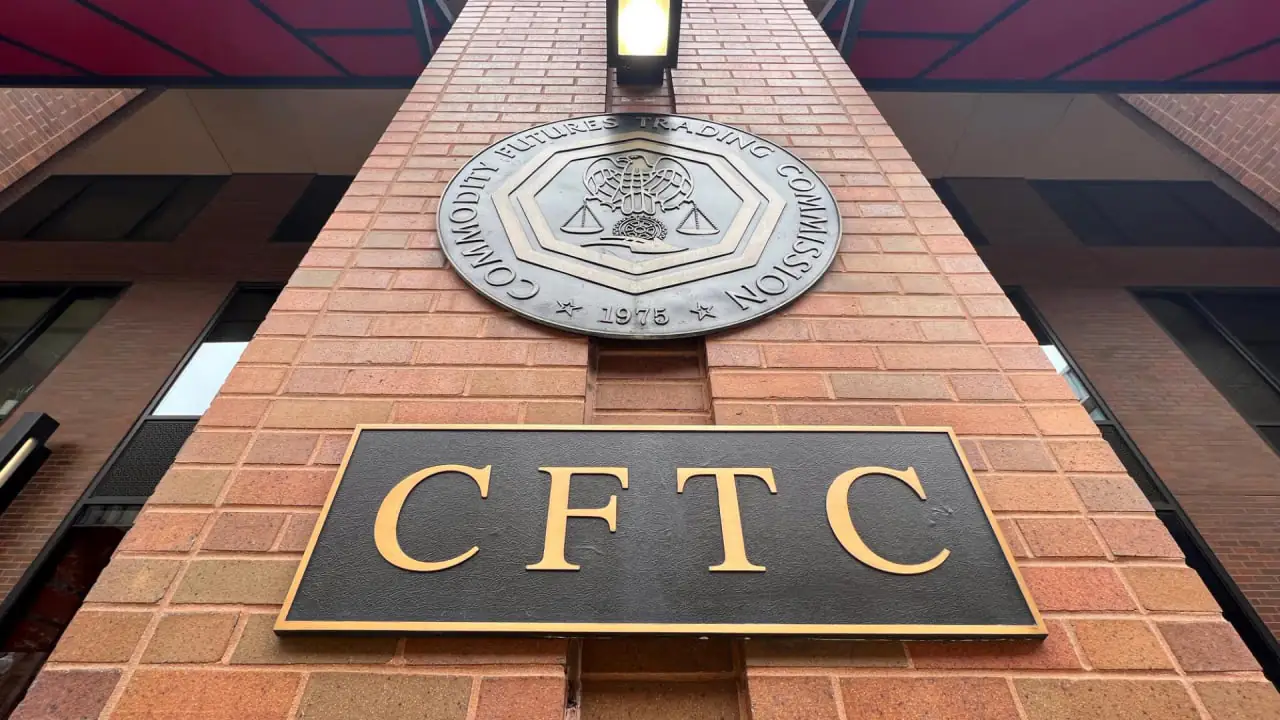
The CFTC's permanent ban on KuCoin for US users, coupled with a $500,000 civil penalty and prior $297 million criminal fines, highlights the regulatory risks for centralized exchanges operating without proper registration in the US. Binance's launch of energy commodity perpetuals, alongside similar moves by Bybit, MEXC, and OKX, signifies a growing trend of crypto exchanges expanding into traditional asset derivatives, offering 24/7 trading and leveraging volatility in markets like oil. The contrast between KuCoin's regulatory penalty and Hyperliquid's record oil contract volume on a decentralized platform raises critical questions about future crypto enforcement, particularly concerning decentralized derivatives and their regulatory oversight.
Dogecoin mining in 2026 requires specialized ASIC hardware, making traditional PC or mobile mining obsolete and unprofitable. Merged mining with Litecoin offers a key advantage for Dogecoin miners, allowing simultaneous rewards without additional energy costs. Profitability for Dogecoin mining is heavily dependent on low electricity costs and efficient ASIC hardware, with market volatility and competition being significant factors. The article serves as an educational guide for potential Dogecoin miners, detailing the necessary equipment, process, and profitability considerations for 2026.
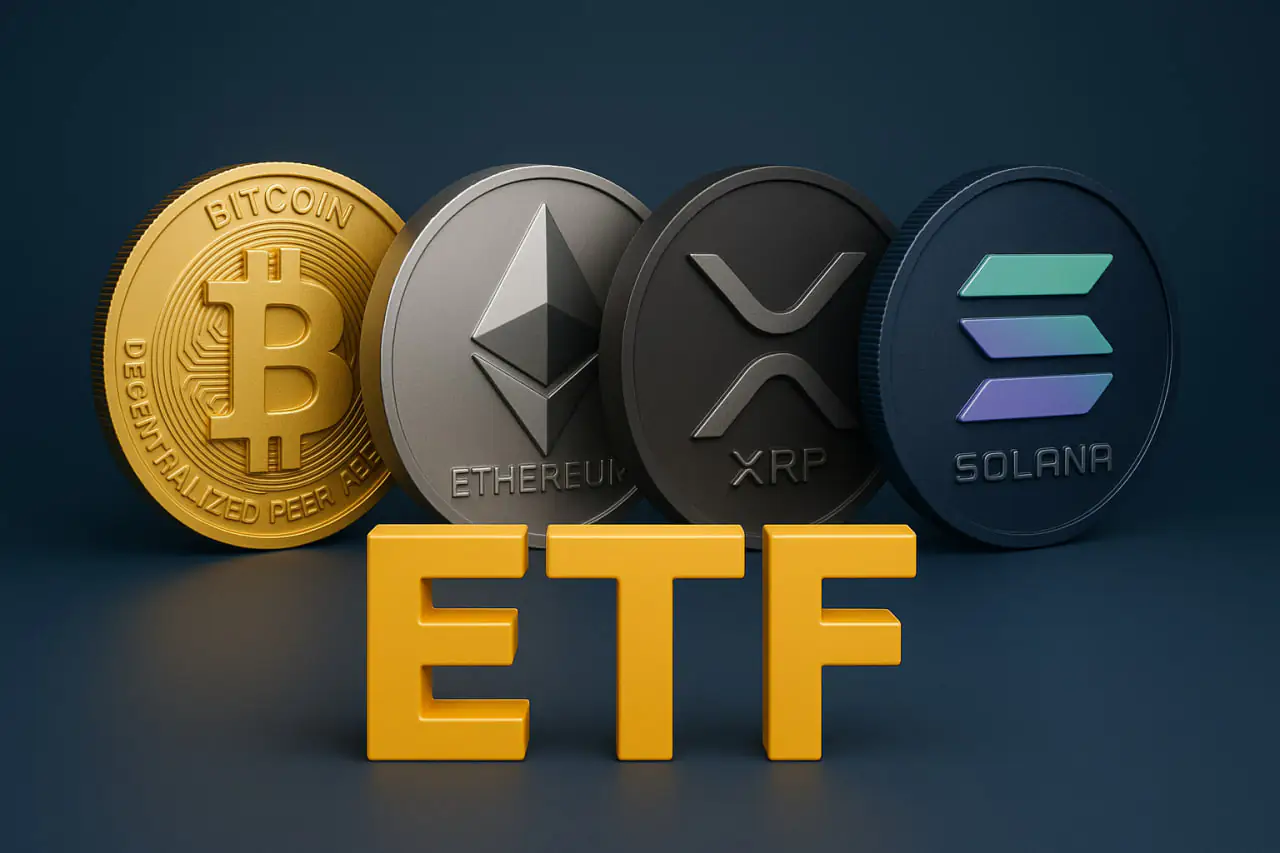
Bitcoin and Ethereum ETFs saw a positive net inflow on March 30th, marking a reversal after several days of outflows, suggesting that the most aggressive selling pressure may have subsided for now. While Bitcoin ETFs experienced a modest inflow, the overall trend for March was negative, indicating that institutional investors used the mid-March rally to reduce exposure. Ethereum ETFs attracted small inflows, but institutional accumulation by entities like Bitmine, which accelerated holdings during a market downturn, provides a contrasting signal of conviction. Solana and XRP ETFs continue to struggle, with outflows and inactivity suggesting a lack of institutional traction compared to Bitcoin and Ethereum products.

A significant $53 million Bitcoin short position opened on Hyperliquid, coupled with broader geopolitical tensions, indicates a shift towards risk-off sentiment, pressuring Bitcoin's price and suggesting it's still treated as a risk asset during macro stress. Regulatory uncertainty and a lack of clear guidance on Bitcoin activity in the US are creating compliance concerns for institutional investors, potentially limiting long-term capital deployment despite some on-chain accumulation signals. The failure of Bitcoin to hold above $67,000, combined with mixed corporate buying signals and cautious macro data releases, suggests that short-term price action will likely be dictated by external geopolitical and economic factors rather than internal crypto market dynamics.

Keyrock's Series C funding round, led by SC Ventures and including Ripple, at a $1.1 billion valuation signals continued institutional confidence in digital asset market makers and infrastructure providers. The new capital infusion is earmarked for balance sheet strengthening, service expansion, and potential acquisitions, indicating Keyrock's strategic intent to grow market share and enhance its offerings in market making, asset management, and OTC trading. Keyrock's expansion into asset and wealth management via the Turing Capital acquisition, coupled with this significant funding, positions the firm as a more comprehensive financial services provider bridging traditional finance and crypto.

TRX price has broken a descending trendline and is showing signs of accumulation, suggesting potential upside towards $0.37 if immediate resistance at $0.33-$0.35 is overcome. On-chain data indicates stable liquidity and fading selling pressure, with significant treasury holdings and stablecoin activity supporting the network's underlying strength. The shift from accumulation outflows to stable flows as price trends upward suggests a transition from consolidation to early expansion, reinforcing bullish momentum. Despite a confirmed breakout in structure and bullish momentum, the development still requires confirmation at resistance levels to solidify the upward trajectory.
Signal context only. Validate with price action, liquidity, and risk limits before taking a position.
