
Navigating Crypto News

CoinFeather
Navigating Crypto News

Source, catalyst, and sector overlap from the latest feed.
The CoinDesk 20 Index experienced a slight decline of 0.2%, indicating a broadly neutral short-term market sentiment among the tracked digital assets. Polkadot (DOT) and Ripple (XRP) were notable underperformers within the CoinDesk 20, suggesting potential localized selling pressure or a lack of immediate positive catalysts for these specific assets. With ten out of twenty assets trading higher, the mixed performance within the CoinDesk 20 suggests a selective market environment rather than a strong directional trend.
Tether's engagement of a 'Big Four' firm for a full audit signifies a proactive step towards enhanced transparency and regulatory compliance, potentially reducing market concerns surrounding USDT's reserves. The move to a full audit, beyond attestations, addresses long-standing criticisms and aims to set new disclosure standards, which could influence how other stablecoin issuers approach reserve verification. While the audit itself is a positive development for stablecoin stability, the actual findings and the firm's reputation will be critical in determining the market's reaction and potential impact on USDT's peg and broader market confidence.
Live Feed
Loading the broader stream in the same flow as the homepage feed.
The tokenization of Bitcoin mining exposure on Coinbase's Base network by Apex and Omnes signifies a significant step in bridging traditional finance with decentralized ecosystems, potentially increasing institutional adoption of on-chain RWA products. This development highlights the growing utility of Layer 2 solutions like Base for regulated financial products, moving beyond purely crypto-native assets and demonstrating their capacity to integrate real-world industrial infrastructure. The ability to use tokenized mining notes as collateral in permissioned lending systems could unlock new liquidity avenues for institutional investors, enhancing the appeal of yield-generating strategies without requiring asset divestment.
Geopolitical uncertainty surrounding Iran is directly impacting traditional markets, causing a pullback in stock futures and a rebound in oil prices, which could spill over into crypto if sentiment deteriorates. The market's rapid shift from optimism to doubt following conflicting reports on Iran-US talks highlights a headline-driven environment, suggesting that short-term price action may be more sensitive to geopolitical news than underlying fundamentals. While economic data and earnings are on the horizon, the persistent influence of Middle East tensions and rising oil prices creates a volatile backdrop, potentially overshadowing other market drivers and increasing risk aversion.

The NYSE's partnership with Securitize to develop a tokenized securities platform signifies a major institutional embrace of blockchain technology for traditional finance, potentially increasing demand for RWA infrastructure. This development, alongside Nasdaq's recent pilot approval, indicates a growing regulatory and market acceptance for tokenized stocks, suggesting a structural shift towards on-chain asset management. The increasing demand and value locked in tokenized stocks, now surpassing $1 billion, highlights a maturing RWA sector and presents opportunities for early movers in this space.

Institutional adoption of Bitcoin is accelerating through pension funds and corporate treasuries, driven by regulatory clarity and new accounting standards that favor direct asset holding. The increasing involvement of large pension funds like Hostplus and corporate entities like Strategy in Bitcoin and tokenized assets signals a maturing market and potential for sustained demand. The growth of the tokenized real-world asset market, alongside direct Bitcoin allocations by institutions, indicates a broader structural shift in finance towards blockchain-based infrastructure. While regulatory approval remains a key gating factor, the trend towards direct institutional Bitcoin exposure suggests a positive long-term outlook for the asset class.

Mastercard's strategic acquisition of BVNK signals a shift from issuing its own stablecoin to controlling payment infrastructure, aiming to integrate various digital assets rather than compete, which could position them as a key enabler in the evolving digital finance landscape. By focusing on infrastructure, Mastercard avoids the regulatory complexities and balance sheet risks associated with stablecoin issuance, allowing them to support multiple stablecoins and capture value across a broader range of digital payment flows. The move leverages BVNK's capabilities to offer faster, cheaper cross-border transactions, potentially reducing intermediaries and costs, thereby lowering adoption barriers for banks and fintechs looking to integrate digital currency services. While the acquisition offers significant potential, Mastercard faces risks from regulatory fragmentation, reliance on third-party stablecoins, competition from CBDCs and tech giants, and potential margin compression in infrastructure services.

Bernstein reiterates a $150,000 year-end Bitcoin price target, signaling a belief that the cryptocurrency has found its bottom after a significant correction. The analysis highlights resilient ETF flows and increasing corporate treasury demand as key drivers supporting Bitcoin's rebound, suggesting sustained institutional interest. MicroStrategy (MSTR) is identified as a high-beta proxy for Bitcoin, with Bernstein maintaining an outperform rating and a $450 price target, underscoring the company's strategic importance in the Bitcoin ecosystem. Despite recent volatility driven by macro factors and leveraged position unwinds, Bernstein characterizes the Bitcoin pullback as a temporary sentiment reset rather than a fundamental breakdown, implying a constructive outlook.
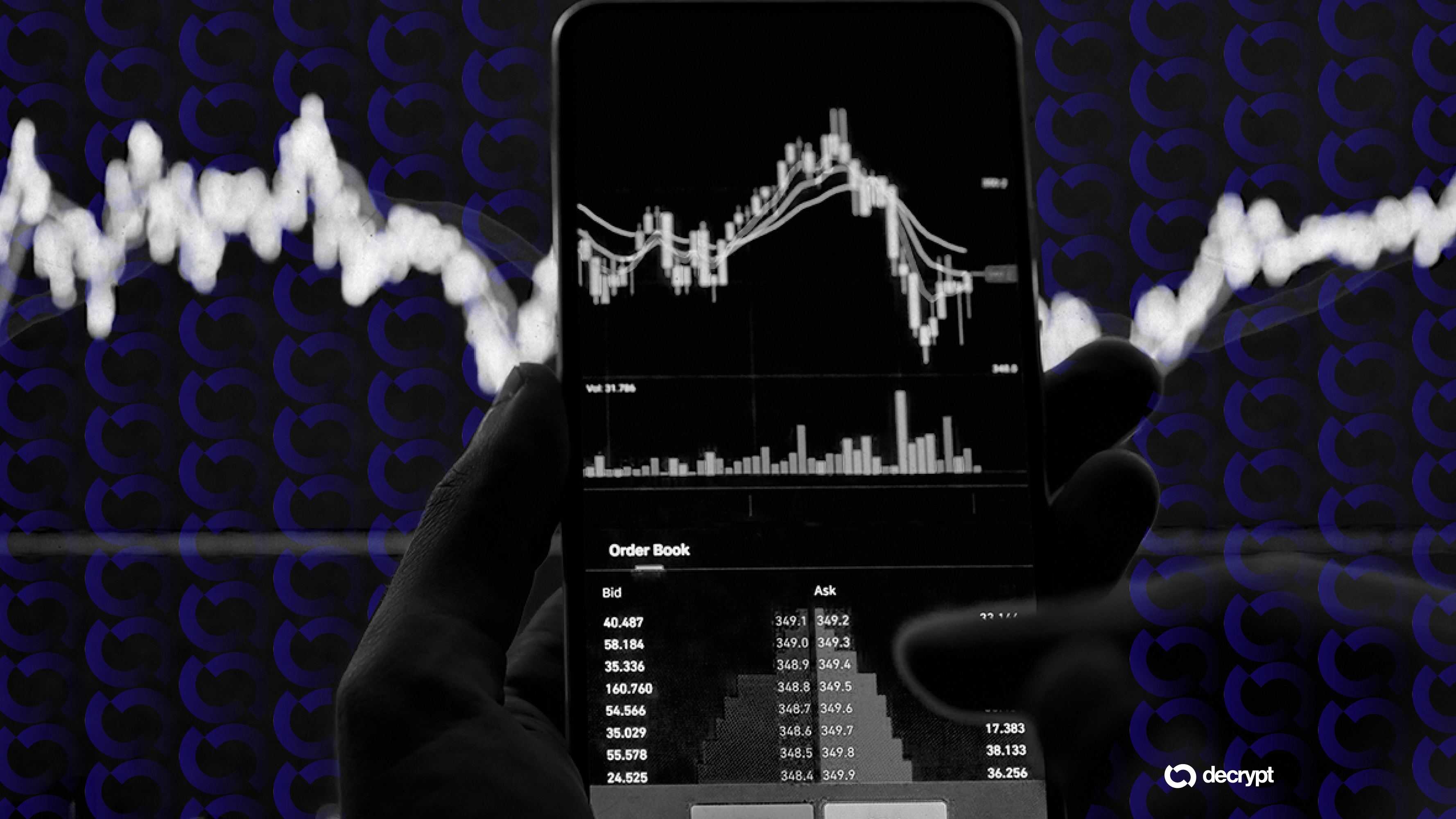
Geopolitical de-escalation initially fueled a short squeeze in AI altcoins like TAO, FET, and RENDER, demonstrating their sensitivity to macro risk sentiment. Conflicting reports regarding Iran talks created significant volatility, leading to over $670 million in crypto liquidations and highlighting the market's reaction to uncertainty. While AI altcoins saw short-term gains, the broader market faces headwinds from elevated oil prices and Treasury yields, potentially testing Bitcoin's store-of-value narrative. The convergence of geopolitical events and the Nvidia GTC conference provided a dual catalyst for AI-related crypto assets, suggesting sector-specific narratives can drive performance amidst macro noise.
Omnes and Apex Group are launching a tokenized debt note on Base, offering non-US investors exposure to Bitcoin hashrate-linked returns without direct mining operations. This product represents a new form of crypto-linked security, packaging mining output into a regulated, onchain transferable instrument, potentially increasing institutional adoption of mining-related assets. The development aligns with the growing trend of tokenized real-world assets, with the RWA market already surpassing $23 billion, indicating increasing investor interest in onchain financial products.
Dogecoin price is showing strong recovery momentum from recent lows, with support holding firm around $0.0930 and $0.074, suggesting potential for an upward move towards $0.12 resistance. Significant accumulation is observed near $0.074, with 28 billion DOGE tokens exchanged, indicating strong buyer conviction and a potential floor against further price declines. The price action respects a rising channel, with recent bounces from $0.087 mirroring historical patterns that preceded significant rallies, reinforcing a bullish short-term outlook. Analysts highlight the strategic positioning of large holders around key support levels, suggesting that the current consolidation phase could precede a notable upward trend.

ParaFi's successful $125 million raise for a new venture fund, despite a crypto market downturn, signals investor confidence in long-term blockchain infrastructure. The new fund's focus on stablecoins, tokenization, and institutional onchain products indicates a strategic shift towards RWA and institutional DeFi adoption. The development suggests a growing separation between short-term token price volatility and the fundamental value proposition of blockchain financial services.
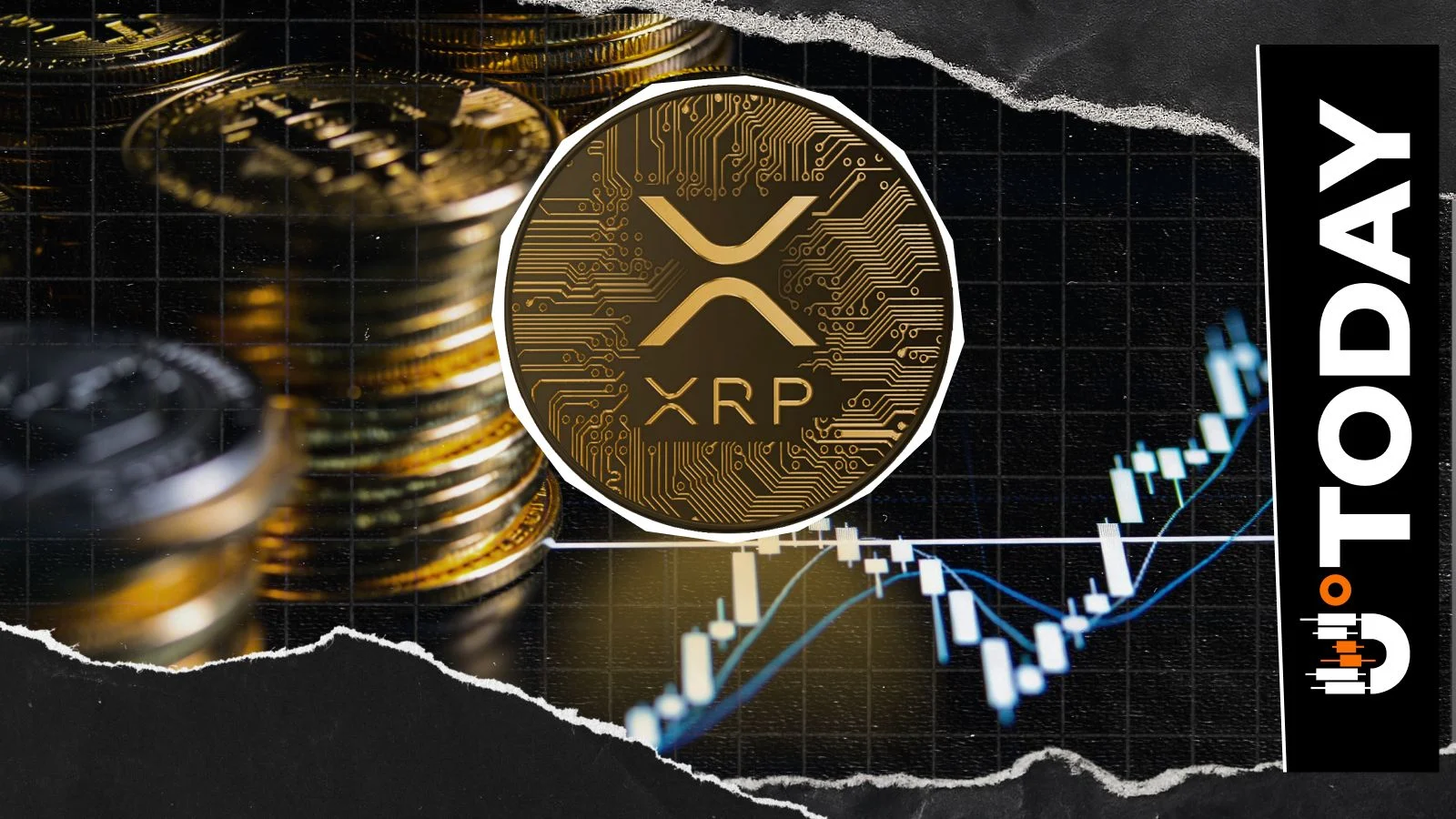
Despite XRP breaking a five-month losing streak with a recent price surge, a prominent analyst warns of a potential 'dead cat bounce' due to unchanged fundamentals, suggesting a risk of trapped bulls. Technical indicators like the RSI at 50.04 signal a neutral stance for XRP, indicating vulnerability to broader market sentiment shifts and potential downward pressure if sellers dominate. The analyst's Elliott Wave analysis suggests XRP is in a temporary recovery phase (Wave 2), with a failure to break above $1.51-$1.55 potentially leading to a retracement towards $0.87, unless it can decisively hold above $1.65. While XRP has seen a significant increase in trading volume and a positive monthly close, the underlying bearish technical signals and lack of fundamental change suggest caution for short-term traders.
Signal context only. Validate with price action, liquidity, and risk limits before taking a position.
Quick market read from this story
Bitcoin's recent price action tested and held the 2023 investor cost basis around $63,700, indicating this level as a critical support zone that has historically preceded upward price movements.
The aggregate realized price at $54,360 represents a deeper historical floor, suggesting that any significant breach below $60,000 could expose Bitcoin to substantial downside risk, echoing patterns from past bear markets.
While the article focuses on historical support levels, the current trading price of $70,000 places the 2026 buyer cohort underwater, highlighting potential selling pressure from recent investors.
Deep Dive
Bitcoin has recently found crucial support at on-chain metrics, specifically the average realized price for different years, which represents the cost basis for buyers during those periods. The 2023 average realized price, currently around $63,700, acted as a significant support level during a recent price drop to approximately $60,000 in early February. This behavior echoes patterns from the previous cycle, where Bitcoin repeatedly used the 2023 realized price as support during consolidations between $20,000 and $26,000 in March, July, and September 2023.
Looking at more recent cohorts, the 2026 average realized price has fallen to around $77,000, meaning buyers from that year are currently underwater as Bitcoin trades just above $70,000. This level is also below the cost basis for the 2024 cohort ($81,500) and the 2025 cohort ($96,400). Further out, the aggregate realized price, representing the average cost basis for all coins in circulation, stands at approximately $54,360. Historically, Bitcoin has seen significant bear markets when trading below this aggregate level, with past instances in 2011, 2015, 2019, and 2022.
In the current cycle, Bitcoin's lowest price has been around $60,000. If this level fails to hold, the next critical support to monitor would be the aggregate realized price near $54,000, which serves as a deeper historical floor.
