
Navigating Crypto News

CoinFeather
Navigating Crypto News

Quick market read from this story
Central banks, including the Fed and ECB, are revising inflation forecasts upward due to rising energy prices, signaling a potential shift towards a 'higher-for-longer' interest rate environment.
Bitcoin's recent dip below $70,000 is interpreted as a direct market reaction to the repricing of global monetary policy expectations, highlighting its sensitivity to macro liquidity conditions.
The narrative of imminent interest rate cuts is being challenged by persistent inflation concerns, suggesting that Bitcoin's primary macro tailwind may be weakening, potentially leading to further downside if energy prices remain elevated.
The market is now pricing in a higher probability of interest rate hikes rather than cuts from major central banks, forcing a reassessment of risk asset valuations, with Bitcoin acting as an immediate barometer for this liquidity recalibration.
Deep Dive
Major central banks, including the Federal Reserve, European Central Bank (ECB), and the Bank of England (BoE), are signaling a shift towards a more hawkish monetary policy due to rising inflation, primarily driven by energy prices. This marks a significant departure from the previous narrative of impending interest rate cuts, leading to a rapid repricing of market expectations and impacting risk assets like Bitcoin.
The U.S. Federal Reserve maintained its benchmark interest rate at 3.50%-3.75% on March 18. However, it raised its 2026 inflation projections for both headline and core Personal Consumption Expenditures (PCE) to 2.7%. Fed Chair Jerome Powell indicated that higher energy prices would likely push inflation up in the near term, while the median projection for the year-end fed-funds rate remained at 3.4%, implying limited rate cuts.
The European Central Bank, on March 19, held its deposit rate at 2.00% but significantly revised its 2026 inflation forecast upwards to 2.6% from 1.9%. Officials expressed concerns that the current baseline inflation forecast is already outdated due to the energy shock. Discussions about potential rate hikes may begin at the April 29-30 meeting, with action becoming more plausible at the June 10-11 meeting. The ECB's staff scenarios highlight substantial risks, with a severe scenario projecting oil prices near $145, which could push euro-area inflation to 4.4% in 2026.
The Bank of England also kept its Bank Rate unchanged at 3.75%. However, market sentiment suggests a higher probability of a rate hike than a cut. The BoE acknowledged that higher energy prices are expected to push inflation above expectations this year, with the impact intensifying the longer the conflict in the Middle East persists.
These central bank actions have led markets to drastically reprice the future path of monetary policy. Traders have reduced expectations for Fed easing by December to approximately 14 basis points, less than a single quarter-point cut. Conversely, the market is now fully pricing in two ECB rate hikes this year, with a strong possibility of a third. Bitcoin experienced a notable dip on March 19, falling below the psychological $70,000 threshold to an intraday low below $69,000. This price action is seen as the fastest market readout of the shift in liquidity expectations and the global repricing of a 'higher-for-longer' policy environment.
The escalating geopolitical tensions in the Middle East have driven oil prices higher, with Brent crude briefly exceeding $119 on March 19. This surge in energy prices is a primary concern for central banks, as it directly impacts inflation forecasts and complicates the path to achieving price stability. The ECB's baseline assumption for Brent crude in 2026 was $81.30, a figure now considered stale by some officials. The IMF estimates that a sustained 10% rise in energy prices can add 0.4% to global inflation.
Bitcoin's recent price movements underscore its sensitivity to macroeconomic shifts. The asset is increasingly acting as a barometer for liquidity and risk appetite, rather than solely an idiosyncratic crypto story. The bull case for Bitcoin hinges on a rapid de-escalation of the Middle East conflict, a sharp retreat in oil prices, and a return to a dovish central bank stance. Conversely, the bear case anticipates sustained high oil prices, further hawkish moves from central banks, and a potential test of lower price levels for Bitcoin, with Citi's recession target of $58,000 serving as a downside anchor.
Source, catalyst, and sector overlap from the latest feed.
Institutional investors are re-entering Bitcoin via ETFs, signaling a shift from gold as a primary defensive asset for professional capital amid macro uncertainty. Retail investors continue to drive gold inflows, indicating a divergence in investor behavior where gold serves as a traditional store of value while Bitcoin is increasingly viewed as a higher-risk, higher-reward institutional asset. The split in investor focus between gold and Bitcoin suggests they are no longer direct competitors for the same defensive trade, but rather cater to different risk appetites and market roles.
Coinbase's legacy Commerce wallet migration requires users to reveal seed phrases, a process security experts liken to a phishing template, potentially increasing user vulnerability to social engineering attacks. The directive to expose seed phrases on an official Coinbase page contradicts established security best practices, creating a confusing precedent that attackers could exploit by mimicking the interface. Given Coinbase's history of data breaches and customer fund losses due to social engineering, this seed phrase recovery method raises significant security concerns for users and the broader exchange sector. While the migration is a necessary step for users to access their funds before the March 31 deadline, the method employed by Coinbase presents a clear risk, warranting extreme caution from affected users.
Metaverse land values have experienced a dramatic collapse, with some prime plots falling by over 99% from their 2021-2022 peak valuations, indicating a fundamental repricing of virtual real estate as an asset class. The broader NFT market also shows significant price depreciation, with average land prices down 72% and blue-chip collections like BAYC down over 96% in ETH terms, signaling a loss of speculative premium and a shift towards more utility-driven assets. The decline in NFT lending volume by 97% further underscores the loss of leverage that previously supported high valuations, suggesting that the market's ability to sustain premium prices has been severely impaired. While some metaverse land and NFT collections have seen recent short-term gains, these are from deeply depressed levels and do not indicate a sustainable recovery without fundamental drivers like consistent user traffic and durable economic value generation.
Playnance's G Coin has officially launched on MEXC, transitioning from an ecosystem-native utility token to a publicly traded asset, which provides immediate price discovery and market access. Significant early staking participation, with over 1 billion G Coin locked shortly after launch, suggests strong initial demand and a potential reduction in circulating supply, offering a positive signal for early investors. The token's utility is tied to gameplay, rewards, and fees within the Playnance ecosystem, differentiating it from many new listings that debut before their use cases are live, potentially supporting sustained interest beyond initial trading hype. The success of G Coin will depend on the sustained interplay between exchange liquidity, staking commitment, and actual on-chain usage and user growth as initial launch attention fades.
The launch of an S&P 500 perpetual derivative on Hyperliquid allows for 24/7 trading, potentially capturing initial market reactions to global events during traditional market closures. This development positions crypto infrastructure to serve as a leading indicator for US equity market movements, especially during the 49-hour weekend gap where traditional markets are closed. The success of this S&P 500 perpetual hinges on its ability to build sufficient open interest and maintain liquidity, transitioning from a sentiment tool to a credible price discovery mechanism. While currently nascent, the S&P 500 perpetual on Hyperliquid could challenge incumbent futures markets if it consistently provides trusted price discovery during off-hours, especially during periods of geopolitical or policy shocks.
Bitcoin faces continued downside risk as liquidity zones below current price act as potential magnets before any significant rebound. Repeated failures to break key resistance levels suggest sellers remain in control, reinforcing a broader downtrend structure rather than a sustained recovery. The current choppy price action and short squeezes followed by downside indicate instability, limiting clear directional moves and delaying a confirmed trend shift. Analysts suggest that while overhead liquidity exists near $75,000, the immediate focus is on potential downside targets between $66,000 and $69,000 before any upward movement.
Bitcoin has stabilized above $70,000 despite broader market sell-offs driven by geopolitical tensions and hawkish Fed sentiment, suggesting underlying resilience. Analyst views highlight Bitcoin's potential to benefit from rising inflation expectations and economic activity, positioning it as a potential outperformer against traditional assets like gold and equities. Despite headwinds from tighter financial conditions, Bitcoin may have already priced in much of the macro tightening, indicating a potential 'macro discount' that could support near-term price action. Key catalysts for Bitcoin's future performance include the de-escalation of Middle East conflict and improving financial conditions, alongside continued adoption within the crypto space.
An ancient Bitcoin wallet holding 2,100 BTC, dormant for 13.7 years, has been reactivated, representing a significant unrealized gain of over $147 million. The reactivation of a long-dormant wallet with substantial holdings could signal potential selling pressure or a strategic reallocation of capital by a very early Bitcoin investor. While the event itself is a notable occurrence, its immediate market impact is likely to be limited given the current market dynamics and the fact that the BTC has not yet been moved or sold.
Declining trading volumes across major altcoins like Cardano, XRP, and Ethereum signal a systemic drop in investor interest and demand, potentially indicating a prolonged bearish phase. The current low participation environment, characterized by reduced liquidity and weak rallies, may present strategic opportunities for selective investments, though not all altcoins are expected to recover. A sustained recovery for altcoins is contingent on a significant increase in trading volume and renewed market participation, suggesting that current price action is not yet indicative of a bottoming process.
Bitcoin's open interest surge alongside a price drop and declining CVD indicates aggressive selling pressure, potentially driven by new short positions and long liquidations. The BTC price is testing a critical support zone between $69,000 and $70,000, with a breakdown potentially leading to a significant correction, while holding support could signal a renewed upward push. Recent outflows from spot Bitcoin ETFs, totaling $163.5 million on March 18, suggest a temporary cooling of institutional demand, coinciding with broader market risk-off sentiment.
Live Feed
Loading the broader stream in the same flow as the homepage feed.
The restart approval for Tata Power's 4GW Mundra plant, following a six-month suspension that caused ₹800 crore in losses, signals a significant improvement in operational capacity and potential revenue recovery. This development is particularly timely given anticipated summer power demand in India and geopolitical concerns affecting energy supply, positioning the Mundra plant to contribute economical power output. The stock's jump of over 4.6% post-announcement indicates positive market sentiment towards Tata Power's improved operational outlook and financial recovery prospects.

Coinbase's expansion into stock perpetuals for non-US traders signifies a strategic move to broaden its 'everything exchange' offering, potentially attracting new user segments and increasing trading volume. The launch positions Coinbase to compete more directly with traditional finance platforms and other crypto exchanges offering similar synthetic products, highlighting the growing convergence of crypto and traditional markets. By offering leveraged exposure to major US equities via familiar crypto derivatives structures, Coinbase aims to capture market share from traders seeking diversified, round-the-clock trading opportunities. This development underscores Coinbase's commitment to global expansion and product diversification beyond core crypto trading, leveraging its existing infrastructure and user base.
The SEC's new crypto guidance, while a step towards regulatory clarity, is explicitly described as a 'beginning, not an end,' indicating that significant regulatory questions remain unresolved. This guidance categorizes digital assets, applying existing securities laws and setting initial boundaries, which could influence how various crypto assets are treated and traded. The evolving US regulatory landscape for digital assets suggests a prolonged process of rulemaking and coordination, implying continued uncertainty for market participants in the near to medium term. Former SEC Commissioner Paul Atkins' commentary highlights that the current interpretation is not a final framework, suggesting that further developments and potential legislative actions are anticipated.

Elon Musk's revival of the "DogeFather" persona on X has generated renewed attention for Dogecoin, reminiscent of past rallies. Despite increased visibility from Musk's posts and the DOGE-1 mission announcement, Dogecoin's price remains significantly below its all-time high, indicating a disconnect between narrative and market performance. Musk's recent commentary on Bitcoin's energy consumption adds a layer of context to his engagement with digital assets, suggesting a nuanced view that may not directly translate to bullish sentiment for all cryptocurrencies. The current price action shows a steady decline despite online activity, with DOGE trading down 2.62% and failing to sustain a short-term recovery, suggesting prevailing selling pressure.

A newly identified iOS exploit chain, DarkSword, coupled with the Ghostblade malware, poses a direct threat to users of major cryptocurrency exchange and wallet applications, potentially leading to significant asset theft. The exploit targets older iOS versions, indicating a persistent vulnerability that attackers are actively leveraging, which could impact user confidence and security practices within the crypto ecosystem. Observed campaigns in multiple countries, including government website compromises, suggest a sophisticated and widespread threat actor utilizing this exploit, highlighting the need for enhanced security vigilance among crypto users and developers. This development underscores the ongoing risks of malware targeting digital assets, similar to past incidents like Inferno Drainer, emphasizing the critical importance of robust security measures beyond just software updates.

A significant majority of global finance leaders (72%) now view digital assets as essential for competitiveness, indicating a fundamental shift in institutional perception beyond speculative interest. Stablecoins are identified as the leading digital asset use case, with 74% of respondents seeing their potential to improve cash flow and unlock capital, suggesting a near-term focus on payment and treasury management applications. Financial institutions are prioritizing the 'how' of digital asset integration, focusing on building or sourcing infrastructure for custody and lifecycle management, rather than debating the 'if', signaling a move towards practical implementation.

Derivatives markets are signaling increased demand for downside protection, with rising skew and backwardation indicating traders are bracing for near-term volatility events. Despite a brief oil-driven risk-on sentiment, broader market fragility persists as indicated by falling equity futures, suggesting caution for crypto assets. While major cryptocurrencies remain range-bound, pockets of strength in altcoins like QNT and FET, driven by specific catalysts such as listings, suggest selective opportunities may emerge. The stabilization of Bitcoin open interest and normalized funding rates indicate a pause in speculative fervor, but the cautious institutional conviction suggests a lack of strong directional bias.

South Korea's National Tax Service is outsourcing custody of seized crypto following a significant security lapse that led to a $4.8 million loss, indicating a move towards formalizing digital asset management by government entities. The NTS's initiative to select a private custodian by H1 2026, coupled with the formation of a new task force, signals a structural effort to improve security and operational procedures for confiscated digital assets. This development highlights the ongoing challenges governments face in securely managing seized cryptocurrencies, potentially influencing other jurisdictions to review their own custody protocols.
The upcoming $1.7 billion Bitcoin options expiry near the $70,000 'max pain' level introduces significant short-term price uncertainty as market makers aim to minimize payouts. Ongoing selling pressure from short-term holders, with over 28,000 BTC sent to exchanges at a loss, suggests potential capitulation that could precede a market bottom, though confirmation is pending. Bitcoin's relative resilience against geopolitical pressures impacting gold and equities indicates a potential maturation of crypto as an asset class, though this remains to be seen. The approaching critical threshold on the Realized Cap Impulse indicator, particularly the long-term version nearing negative territory, historically signals the mid-phase of a bear market, warranting close observation.

The BTC/Gold ratio is exhibiting classic bottoming signals with oversold RSI recovery and an impending MACD bullish cross, historically preceding significant Bitcoin rallies against gold. Bitcoin's price action is at a critical juncture, needing to defend the $68,000-$70,000 support zone, which includes the 200-week EMA, to avoid a potential retest of lower range lows. Technical indicators suggest a potential macro bottom for Bitcoin relative to gold, mirroring patterns from previous cycles that led to substantial price appreciation.

Bitcoin Everlight introduces a novel infrastructure layer designed to generate passive BTC-denominated fees through transaction routing, offering an alternative to direct Bitcoin acquisition for retail investors. The project's dual-phase reward system, transitioning from fixed BTCL APY during presale to performance-based BTC distribution post-mainnet, presents a structured incentive model for early participants. With completed smart contract audits and KYC verifications, Bitcoin Everlight aims to build trust before its token generation event, mitigating some presale risks. The tiered shard system, offering varying APY rates and future BTC earning potential based on commitment levels, provides a clear framework for user engagement and potential upside.
The expiration of $2.1 billion in Bitcoin and Ethereum options today introduces potential short-term volatility as markets may gravitate towards 'max pain' levels of $70,000 for BTC and $2,150 for ETH. While options expiries can cause price swings, the current expiry value is slightly lower than the previous week's, potentially moderating the immediate impact on market dynamics. Recent outflows from spot Bitcoin ETFs add a layer of caution, suggesting some investor hesitancy that could influence price action around the options expiry event.
Cardano's DeFi ecosystem has achieved a new record with over 520 million ADA locked, driven by the successful launch of USDCx and recent regulatory clarity from the SEC classifying ADA as non-security. The combination of a robust stablecoin offering (USDCx) and reduced regulatory uncertainty is expected to attract further liquidity, potentially propelling Cardano's TVL towards the one billion ADA milestone in the near future. Anticipation for the upcoming v11 hard fork, which aims to boost Cardano's transaction throughput to 1,000 TPS, adds another layer of fundamental development supporting potential growth in DeFi activity.
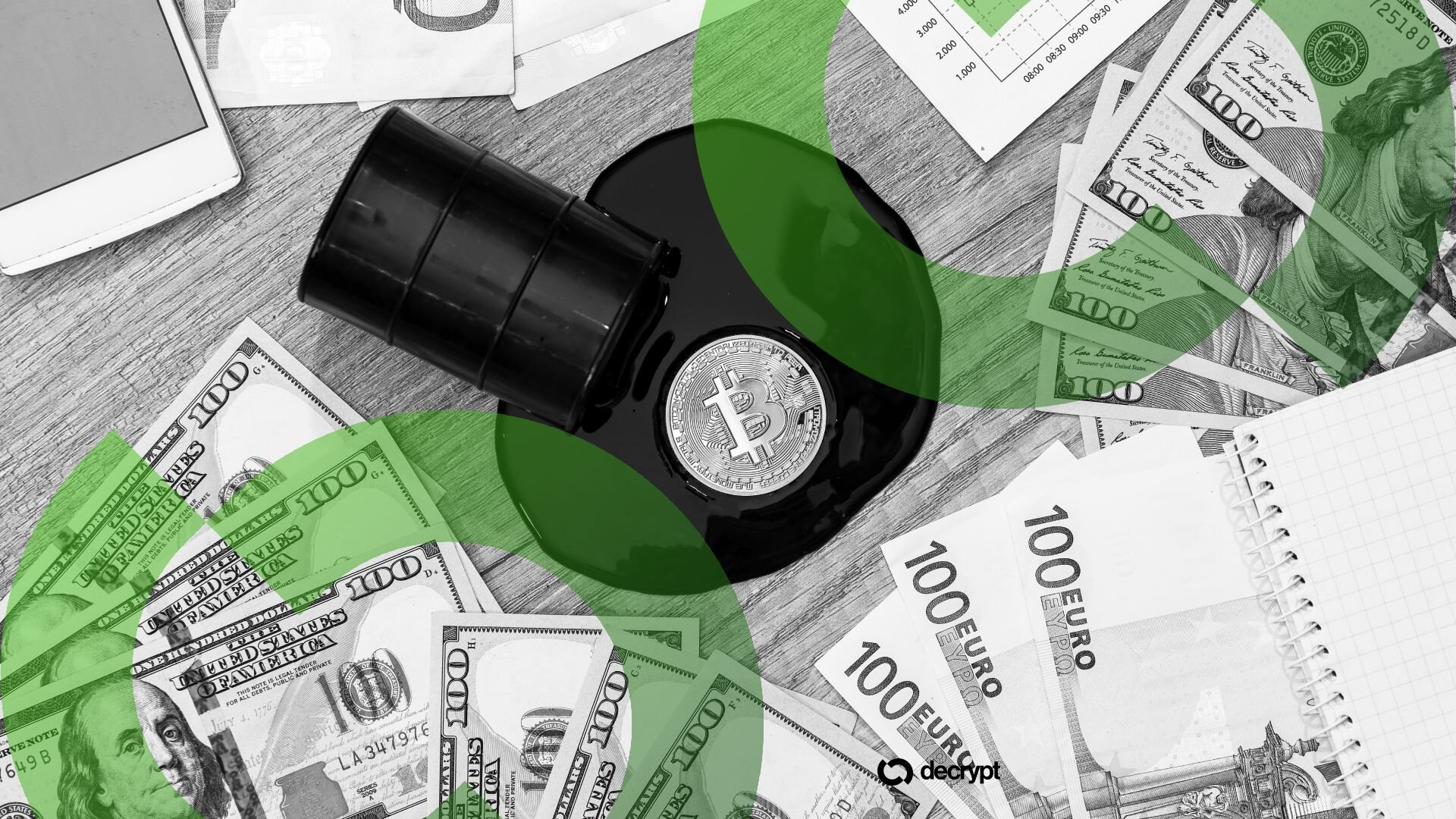
Bitcoin's rally to $71K is directly linked to potential U.S. sanctions relief on Iranian oil, suggesting a short-term correlation between geopolitical energy market shifts and crypto asset performance. The market's sensitivity to oil price swings and Middle East geopolitical events highlights Bitcoin's increasing integration into broader risk portfolios, making it susceptible to macro-economic and geopolitical shocks. Analysts warn of potential further oil price increases to $200 per barrel if the Strait of Hormuz is disrupted, which could negatively impact Bitcoin by potentially keeping interest rates higher for longer, dampening risk appetite.
Signal context only. Validate with price action, liquidity, and risk limits before taking a position.
