
200+ crypto news providers in one place.

CoinFeather
200+ crypto news providers in one place.

Quick market read from this story
Bank of Japan is testing blockchain for interbank and securities settlement
Experiments will examine links between blockchain systems and existing settlement infrastructure
Project frames controlled technical test, not policy rollout
Insights may improve BOJ-NET and explore AI integration with blockchain.
Deep Dive
The Bank of Japan (BOJ) is conducting technical experiments to test the use of blockchain technology for settling deposits held by financial institutions at the central bank. BOJ Governor Kazuo Ueda announced that a sandbox project is underway to explore settlement using central bank money in the form of current account deposits on a blockchain-based system.
The experiments will investigate methods for connecting the blockchain system with existing infrastructure and examine potential use cases, including domestic interbank settlement and securities settlement. The project focuses on settlement using central bank current account deposits, which are held by financial institutions at the BOJ. Ueda emphasized that the BOJ plans to proceed with the support of external experts, characterizing the work as a controlled technical test rather than a policy implementation.
The sandbox will also study interoperability with current systems like the Bank of Japan Financial Network System (BOJ-NET), with potential insights being used to enhance BOJ-NET. Ueda noted that the integration of artificial intelligence and blockchain could lead to improved financial services built on distributed transaction and settlement data. However, he also cautioned about design risks associated with smart contracts, stating that inadequate design could threaten the stability of financial markets and payment systems.
These experiments occur as Japan continues to refine its digital asset regulatory framework. In 2025, the Financial Services Agency initiated public consultations regarding the reclassification of certain tokens under the Financial Instruments and Exchange Act, which could impose securities-style disclosure and market conduct rules on select digital assets.
The Japanese government has also identified blockchain and tokenization as key components of its "New Capitalism 2025" growth strategy, viewing digital infrastructure as crucial for financial modernization. In the private sector, stablecoin integration is expanding. On October 27, 2025, JPYC launched Japan's first yen-backed stablecoin, recognized as an electronic payment instrument under the revised Payment Services Act. Furthermore, Sony Bank and stablecoin issuer JPYC signed a memorandum of understanding on March 2 to explore real-time transfers, enabling customers to purchase yen-backed stablecoins directly from their bank accounts.
Source, catalyst, and sector overlap from the latest feed.
Kraken Financial is the first crypto company to receive a master account from the US Federal Reserve. This grants Kraken direct access to the Fed's payment systems, moving money on the same rails as banks. The approval signifies a potentially softer regulatory tone from the Fed towards the crypto industry. Kraken's banking unit does not receive full banking privileges like interest on reserves.
Nobitex, Iran's largest crypto exchange, showed no signs of user-driven capital flight post-strike. TRM Labs attributes spike in Nobitex wallet activity to routine liquidity management, not panic withdrawals. Chainalysis reported $10.3 million in digital assets left Iranian exchanges between Feb. 28 and March 2. Hourly outflows from Iranian exchanges briefly surged over 873% higher than the 2026 average.
FATF warns stablecoins are increasingly used for sanctions evasion. P2P stablecoin transfers via self-custody wallets can bypass AML checks. FATF urges countries to assess risks and apply proportionate safeguards for stablecoins.
FATF identifies P2P stablecoin transfers via self-custody wallets as a key vulnerability for AML oversight. Stablecoins accounted for 84% of illicit transaction volume in 2025, according to Chainalysis. FATF urges countries to assess risks and apply proportionate safeguards for stablecoin arrangements. Illicit activity remains a small share of total on-chain volume, less than 1%.
Ex-OpenAI researcher's hedge fund Situational Awareness LP manages $5.52 billion in equity exposure. The fund has made significant bets on Bitcoin miners. The fund also holds positions in power and data center companies.
RippleX is integrating AI into the XRP Ledger development cycle for enhanced security. AI tools will be used for code review and automated invariant detection. The integration aims to prevent future vulnerabilities and improve ledger security. This follows a critical bug in the Batch amendment that risked ledger destabilization.
Ripple Payments expanded to over 60 markets with new stablecoin and fiat collection, custody, and liquidity tools. The platform now supports unified collections and advanced liquidity features, aiming to reduce vendor complexity for businesses. Over $100 billion in volume has been processed, with more than 75 licenses globally, targeting financial institutions and fintechs. XRP price action remains volatile, with analysts suggesting a potential fractal pattern indicating a move higher later in March.
Visa and Bridge are expanding stablecoin card program to over 100 countries by end of 2026. MetaMask and Phantom users can spend crypto directly from self-custody wallets via Bridge's API. Visa is testing direct on-chain settlement using stablecoins on the Solana blockchain. Expansion follows recent regulatory clarity in the US with the GENIUS Act.
Ripple expands stablecoin payments platform for banks and fintechs. Platform upgrade supports collection, custody, conversion, and payout of stablecoins. Aims to reduce reliance on pre-funded accounts and correspondent banking networks. Ripple USD (RLUSD) supply reaches $1.5 billion.
Mastercard enables SoFiUSD stablecoin settlement for card transactions. SoFi Bank's Galileo platform will offer clients stablecoin settlement options. This partnership expands stablecoin use cases beyond traditional payments. Visa is also actively expanding its stablecoin settlement and payout infrastructure.
Tether Investments made a $1.5 billion investment in Eight Sleep. The investment aims to advance AI-driven health technology and sleep optimization. Tether's QVAC architecture will be integrated into Eight Sleep products.
Kraken's banking arm, Kraken Financial, has secured direct access to the Federal Reserve's master account. This grants Kraken direct access to Fedwire, a major interbank payment network, bypassing partner banks. The approval allows for potentially faster deposits and withdrawals for large traders and institutional clients. Access is limited; Kraken will not earn interest on reserves or access the Fed's emergency lending.
Live Feed
Loading the broader stream in the same flow as the homepage feed.

Bitcoin reached a one-month high of $71,800, approaching previous resistance near $72,000. Rally driven by increased demand for haven assets amid escalating Middle East conflict. Gold and silver also saw significant gains, indicating a broader risk-off sentiment shift. Altcoins, particularly lower-market-cap tokens like KITE, AERO, and TAO, outperformed majors with double-digit gains.
Bitcoin price surged above $71,000 driven by five consecutive days of spot Bitcoin ETF inflows. Binance buy-to-sell ratio reached 1.18, the highest this year, indicating strong buying pressure. Trading volumes exceeded $1 billion per hour, supporting Bitcoin's upward price movement. Continued inflows and buying pressure suggest potential for further short-term gains.
77,000 ETH worth $152.6 million withdrawn from Binance to an anonymous wallet. Ethereum price has reclaimed the $2,000 level amid a broader market recovery. Bitcoin shows resilience, trading as a potential safe haven while stocks and gold decline. A separate transaction shows a whale buying 4,900 ETH for nearly $10 million on Binance.
Sanae Token on Solana surged to $27.7M market cap before crashing to $7M. Japanese FSA is reviewing the Sanae Token case for potential regulatory violations. Prime Minister Sanae Takaichi publicly denied any connection to the token.
Total crypto market capitalization surpassed $2.4 trillion following a rapid rebound. Bitcoin surged past $71,000, gaining 5% in five hours, driven by short liquidations and declining selling pressure. Ethereum rose above $2,050, and XRP traded near $1.40 as the rally extended to major altcoins. Improved macroeconomic sentiment, including Fed comments on interest rates, supported risk asset inflows.
Bitcoin surged past $71,000 driven by a short squeeze and easing geopolitical tensions. Over $320 million in leveraged short positions were liquidated, accelerating BTC's rally. Ethereum, Solana, and XRP also saw significant gains as risk appetite returned. Analysts target $75,000 for BTC if oil prices remain stable below $85.
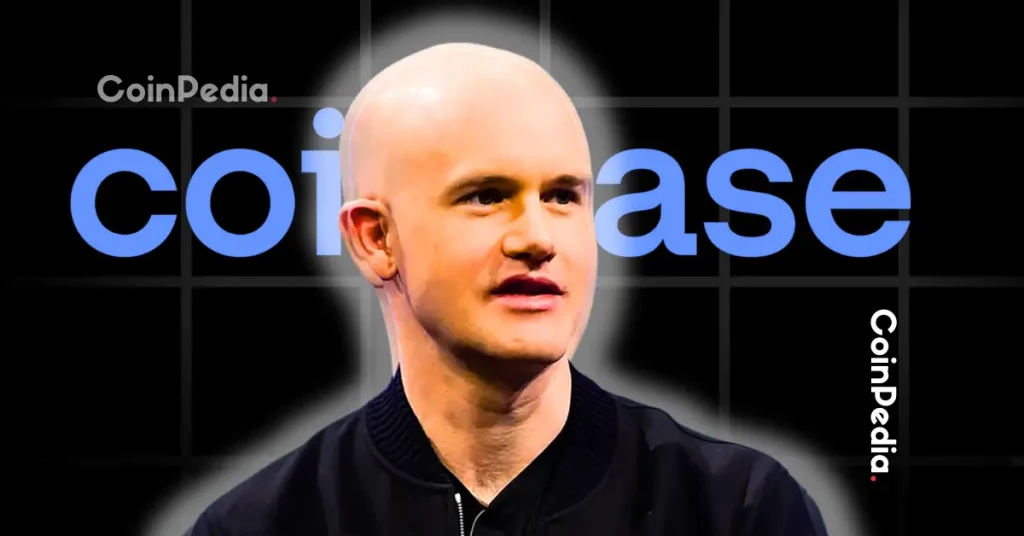
Coinbase CEO Brian Armstrong cites stronger crypto foundations including faster settlements and institutional adoption. Bitcoin price surged over 6% to $71,000 amid geopolitical tensions and strong ETF inflows. Spot Bitcoin ETFs recorded over $1 billion in weekly inflows. Market resilience is noted despite geopolitical fears and volatile price swings.

MARA Holdings authorized balance-sheet sales of its entire 53,822 BTC treasury, reversing its prior HODL policy. The shift is driven by funding AI data center infrastructure and covering operational costs amid tighter post-halving margins. This move signals a potential structural shift in how public miners manage their Bitcoin treasuries, treating them as working capital. The potential for significant miner BTC sales creates an overhang, especially with thin market liquidity and fragile sentiment.
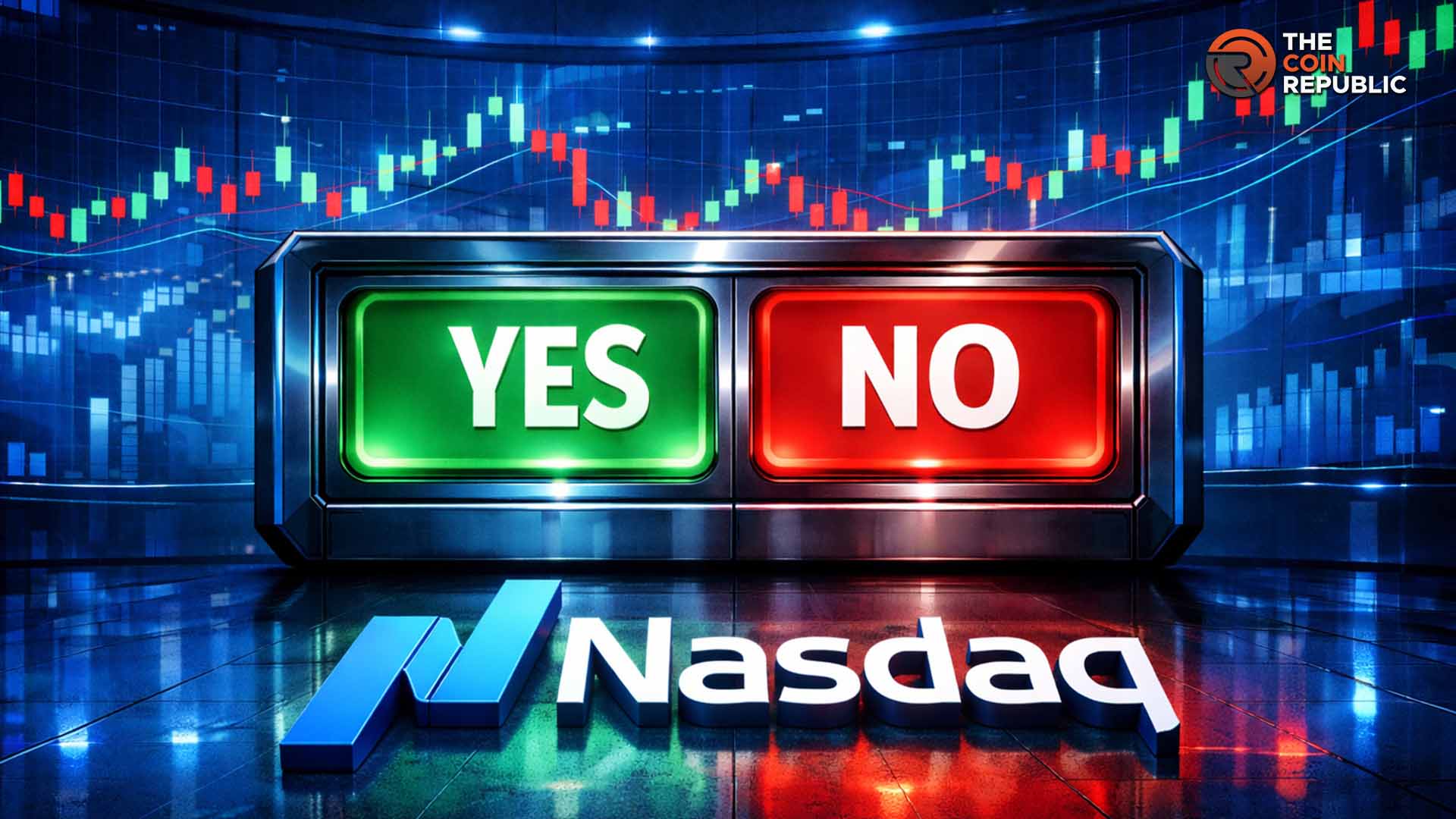
Nasdaq MRX filed with SEC for cash-settled binary options on Nasdaq-100 Index. These 'yes/no' contracts will be priced from $0.01 to $1, focusing on financial outcomes. The move signifies traditional finance exploring prediction market-style products. Nasdaq plans to potentially list these options on NOM and PHLX exchanges as well.

Strategy's STRC stock saw $198.7 million in trading volume, a significant increase from its 30-day average of $123.3 million. Approximately 1,000 BTC were purchased on Tuesday, with an additional estimated 763 BTC acquired on Monday, totaling 1,762 BTC over two days. The STRC issuance program is activated when trading volume exceeds its $100 par value, with 40% of volume above this threshold estimated for BTC purchases. Strategy raised the dividend rate on STRC to 11.5%, the seventh increase since its debut.
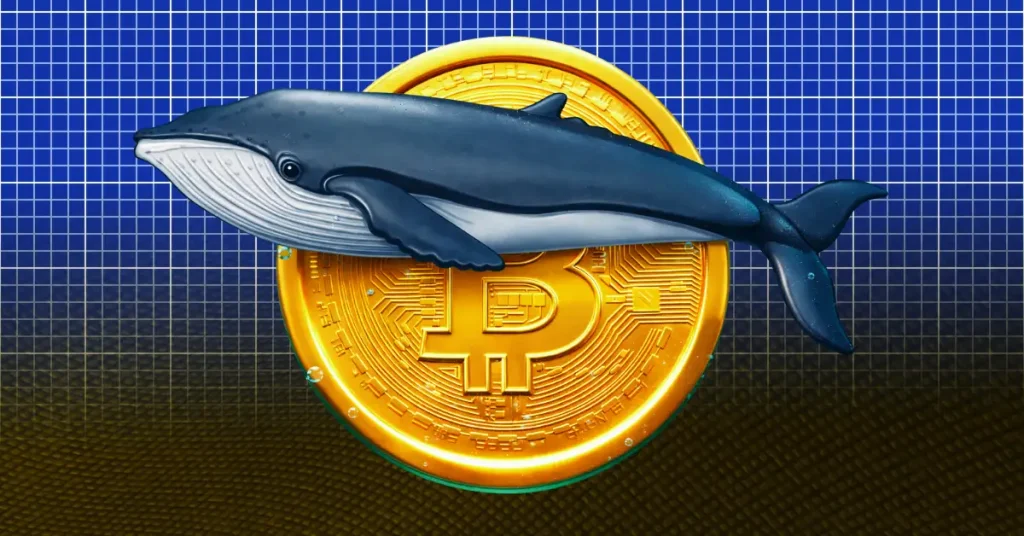
Bitcoin price surged above $71,000. A whale opened a 30x long position on 600 BTC valued at $42.7 million. The position achieved approximately $570,000 in unrealized profit. Liquidation risk exists if BTC drops to $66,942.69.
Shiba Inu price testing historic $0.0000050 support zone, last seen in June 2023. SHIB trading at $0.00000559, up 5.63% in 24 hours after testing yearly low. Macro uncertainty and geopolitical tensions are weighing on broader crypto market sentiment. Bitcoin shows relative strength, trading around $71,649, potentially supporting altcoin recovery.
Bitcoin liquidity clusters identified at $69K-$70K and $62K levels. Price action shows consolidation within a tight range, awaiting a breakout catalyst. Daily chart indicates a breakout and retest from a triangle pattern, with $70K as a key resistance. Potential for a short squeeze if price moves above the $69K-$70K liquidity zone.
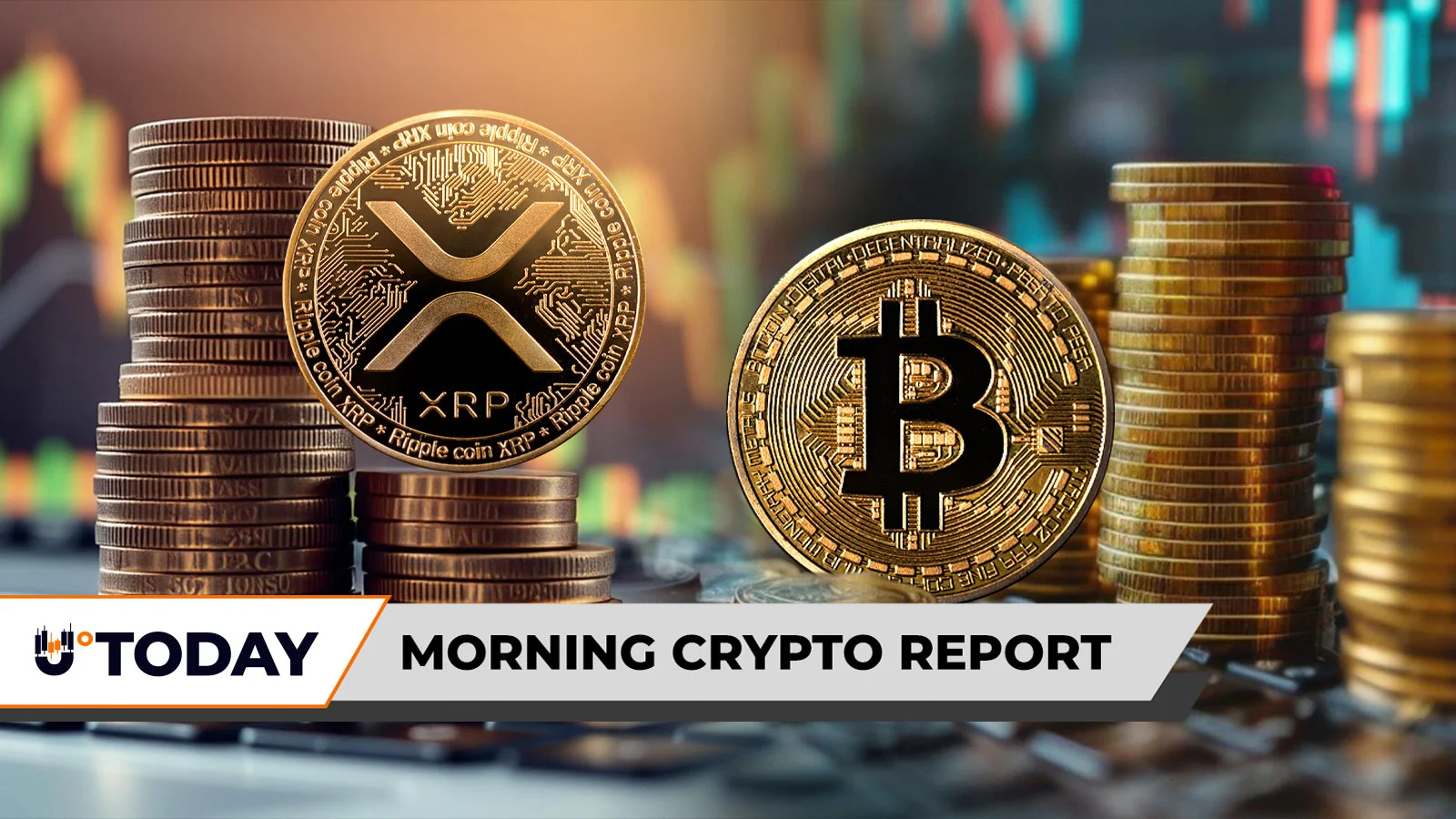
XRP breaks above daily Bollinger Band midpoint, targeting $1.50 and potentially $1.92. Bitcoin recovers above $71,000, driven by over $250 million in short liquidations in the last 24 hours. Cardano whales redistributed 230 million ADA, with the price showing a 4% rebound. The Federal Reserve Beige Book release is a key event to watch for monetary policy sentiment.
Signal context only. Validate with price action, liquidity, and risk limits before taking a position.
