
Navigating Crypto News

CoinFeather
Navigating Crypto News
Quick market read from this story
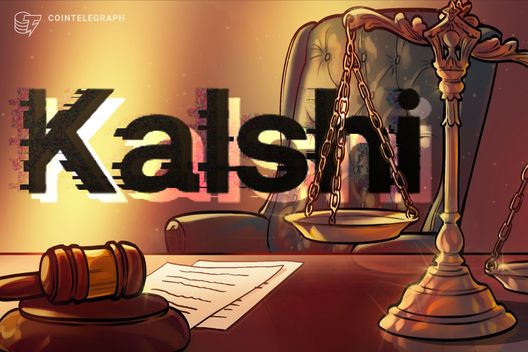
A federal appeals court has allowed Nevada authorities to enforce a temporary restraining order against Kalshi, effectively blocking its sports event contracts in the state.
This ruling signifies a potential setback for prediction markets like Kalshi, as state regulators increasingly scrutinize their operations for potential unlicensed sports betting.
The legal conflict highlights the ongoing tension between federal commodity regulations and state gambling laws, creating uncertainty for platforms operating in this space.
With trading volumes in prediction markets surging, this regulatory action could signal a broader trend of increased oversight and potential restrictions on similar platforms.
Deep Dive
A Nevada state court is expected to issue a temporary restraining order against Kalshi, a platform offering event contracts, potentially preventing it from operating in the state for at least 14 days. This follows a decision by the Ninth Circuit Appeals Court, which denied Kalshi's emergency request to halt the proceedings. The appeals court ruling sends the case back to federal court, allowing Nevada regulators to proceed with their action.
The Nevada Gaming Control Board issued a cease-and-desist letter to Kalshi in March, asserting that its sports event contracts constitute unlicensed sports betting under state law. Kalshi, however, argues that its contracts fall under the exclusive jurisdiction of the Commodity Futures Trading Commission (CFTC) and that any state-level block would cause significant harm. The company has expressed concerns that conflicting court rulings between state and federal jurisdictions could lead to "jurisdictional chaos."
Source, catalyst, and sector overlap from the latest feed.
Galaxy Digital's analysis suggests that while quantum computing poses a real threat to crypto, most wallets are not currently vulnerable, mitigating immediate systemic risk. The core development is the ongoing work by Bitcoin Core developers and the broader ecosystem on quantum-resistant solutions, indicating proactive mitigation rather than an imminent crisis. Despite the technical challenges of implementing post-quantum cryptography due to Bitcoin's decentralized governance, aligned incentives among network participants are expected to facilitate a solution.
Live Feed
Loading the broader stream in the same flow as the homepage feed.

Visa's new CLI tool enables AI agents to execute payments directly, bypassing traditional APIs and enhancing machine-to-machine transactions. Stripe-backed Tempo's blockchain launch focuses on high-throughput stablecoin payments for automated agents, signaling a push for specialized infrastructure. The simultaneous launches of Visa's CLI and Tempo's blockchain highlight a competitive race to establish standards for AI-driven payment systems. These developments indicate a significant shift towards programmable payments and autonomous financial agents, potentially impacting future transaction infrastructure.

Bittensor's price rally to $300 is supported by increased trading volume and a growing AI-crypto narrative, suggesting potential for sustained growth beyond speculative interest. The current price action is testing a critical resistance zone between $300-$310, making a confirmed breakout or rejection pivotal for determining the medium-term trend. While momentum indicators suggest overbought conditions, rising OBV and consistent volume expansion indicate strong buyer participation, presenting a classic breakout or bull trap scenario. A sustained close above $310 could target $340-$360, whereas a failure to hold above $300 may lead to a pullback towards $260-$280, highlighting key levels for traders to monitor.

BORA's price prediction hinges on actual adoption within gaming and entertainment ecosystems, particularly through successful game launches and deeper integration into the Kaia network, rather than speculative trading. The project's dual-chain architecture and focus on South Korean market dynamics, including potential regulatory shifts, are key factors influencing its long-term growth potential beyond 2026. While ambitious long-term price targets exist, BORA's near-term price action is constrained by its current trading range, indicating a need for a catalyst to break significant resistance levels.
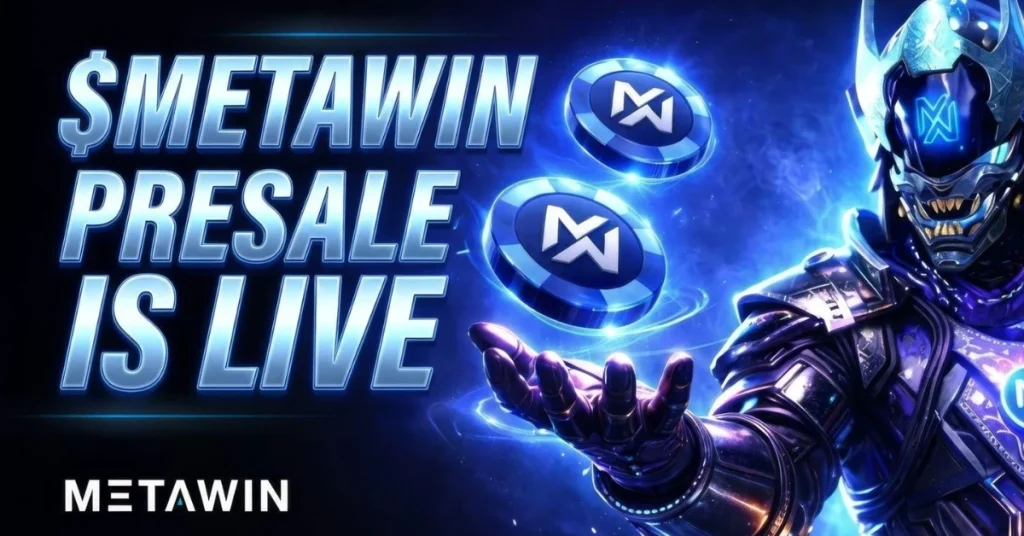
The launch of the $METAWIN token presale, with 20% of supply available and no private rounds, signals a community-focused token distribution strategy aiming for broad public participation. The MetaWinners community highlights a track record of delivering value, including over $6.5 million in prizes, which may attract participants seeking established ecosystems rather than purely roadmap-based projects. Despite the presale's launch, the disclaimer that $METAWIN carries no direct on-chain utility, governance, or revenue entitlement, and that ecosystem benefits are voluntary from MetaWin.com, suggests a speculative asset with limited fundamental backing.
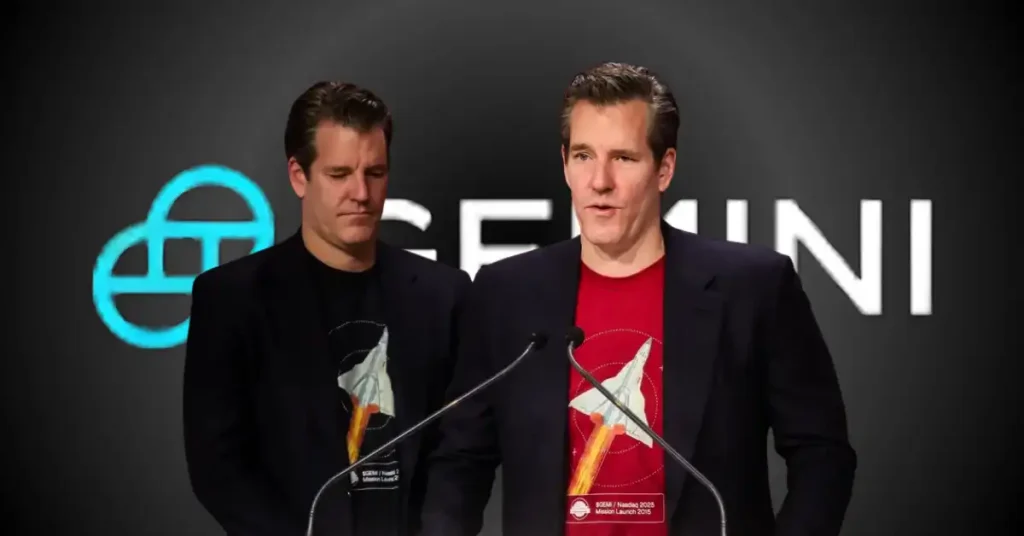
Gemini's significant workforce reduction of 30% signals a strategic pivot towards AI and operational efficiency amidst substantial financial losses, indicating a challenging market environment for centralized exchanges. The exchange's decision to exit UK, EU, and Australian markets to focus on the US and Singapore, coupled with growth in credit card services and forecast platforms, suggests a targeted approach to resource allocation and diversification. Despite a substantial net loss of $582.81 million in 2025 and a market share below 1%, Gemini's restructuring and focus on specific growth areas may position it for survival and potential recovery in a consolidating industry.
Nvidia's expanded deal with AWS to supply 1 million GPUs through 2027 signifies a deepening reliance on its AI infrastructure stack by major cloud providers, driven by a significant shift towards inference workloads which now represent two-thirds of AI compute. The substantial commitment from AWS highlights the growing demand for AI processing power and suggests that despite developing its own chips, AWS will continue to integrate Nvidia's full stack, creating high switching costs and solidifying Nvidia's foundational role in AI infrastructure. This development underscores the rapid evolution of AI infrastructure, with Nvidia increasingly acting as the underlying layer for cloud providers, impacting competition and the economics of running AI models at scale.

The FBI has issued a warning about a scam impersonating the agency on the Tron network, which could lead to increased user caution and potential negative sentiment towards the Tron ecosystem. This incident highlights the ongoing prevalence of phishing and impersonation scams in the crypto space, underscoring the need for robust security measures and user education. While not a direct market event, such scams can erode trust in blockchain platforms and impact user adoption if not effectively addressed by network operators.
Signal context only. Validate with price action, liquidity, and risk limits before taking a position.
The arrest of a Super Micro co-founder for alleged AI chip smuggling to China introduces regulatory risk and potential supply chain disruptions for AI hardware, impacting companies reliant on such infrastructure. Super Micro's stock decline of over 13% post-announcement signals immediate market concern regarding the legal and operational implications for the company and its partners. This development highlights increased scrutiny on the export of advanced AI technology, potentially affecting the availability and cost of critical components for AI development and deployment.
