
Navigating Crypto News

CoinFeather
Navigating Crypto News
Quick market read from this story
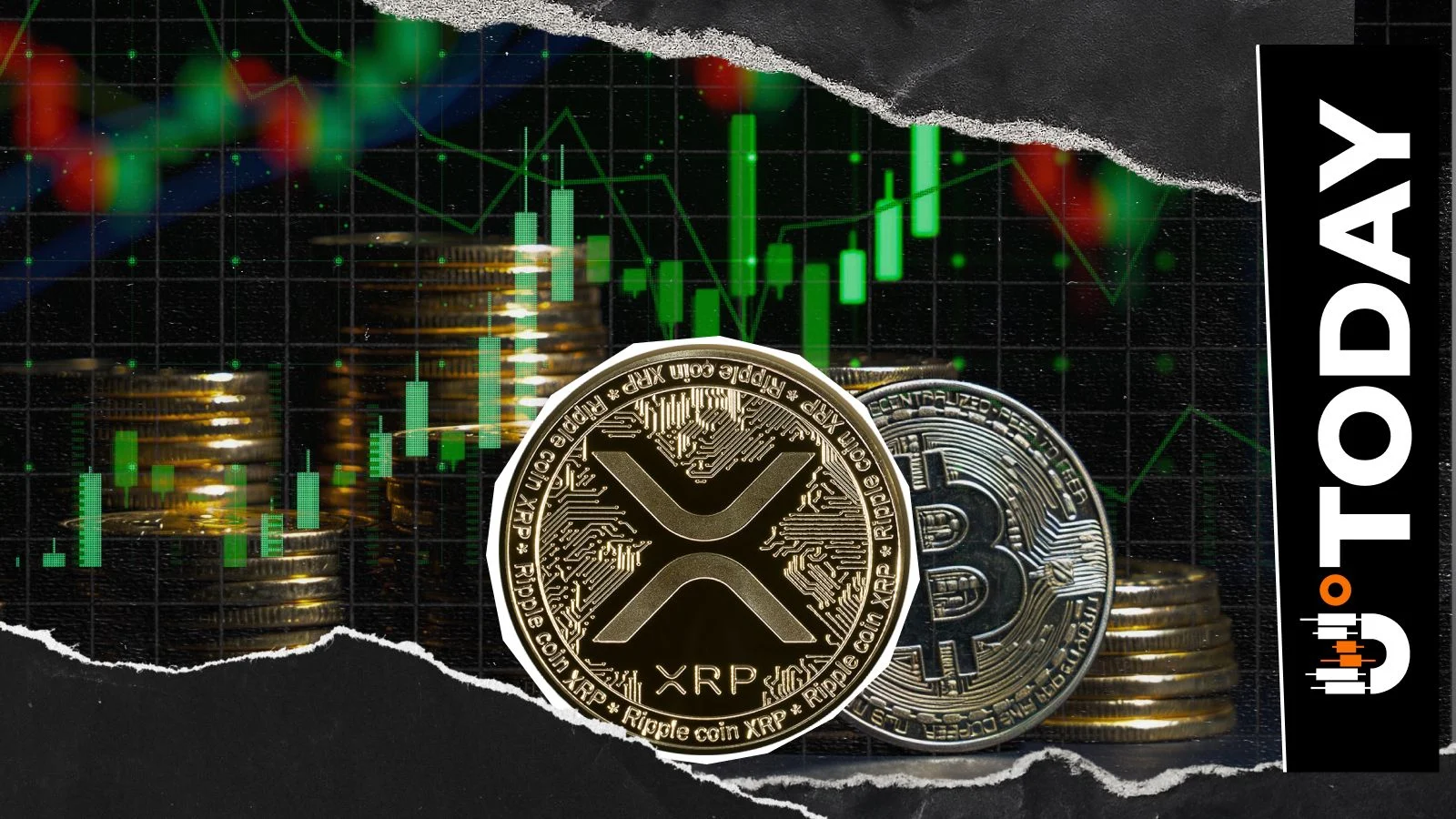
Rising oil prices and geopolitical risks are diverting capital from risk assets, pressuring Bitcoin and XRP as traders anticipate inflation data that could influence Fed policy.
The upcoming April 9th inflation report is a critical catalyst, with a higher-than-expected reading likely to reinforce a hawkish Fed stance and extend the downturn in cryptocurrencies.
While current sentiment is bearish due to macro pressures, a CPI print that meets or beats forecasts could trigger a significant short squeeze, potentially reversing the trend for Bitcoin and XRP.
Source, catalyst, and sector overlap from the latest feed.
The SEC's proposed "Reg Crypto" exemption signals a potential shift towards a more defined regulatory pathway for token fundraising, which could reduce uncertainty for new projects. The introduction of an "innovation exemption" for DeFi by the SEC suggests a move to accommodate decentralized financial protocols, potentially fostering growth in the sector. By proactively proposing these exemptions, the SEC is attempting to establish its own regulatory framework, potentially frontrunning legislative efforts like the Clarity Act and influencing future crypto policy.
Live Feed
Loading the broader stream in the same flow as the homepage feed.

The significant increase in crypto project closures, with 86 projects failing in Q1, signals a market-wide reset driven by the end of the 'easy money' era. Capital is rotating from speculative projects towards institutional-grade infrastructure like Bitcoin ETFs, stablecoins, and RWAs, indicating a flight to quality and durability. The shift in market dynamics necessitates that surviving projects must demonstrate real infrastructure, user engagement, and revenue, rather than relying on past speculative hype. The consolidation of activity towards dominant platforms and products integrated with traditional finance suggests a maturing market demanding specialization and robust unit economics.

The article contrasts Hyperliquid's long-term price prediction with Pepeto's potential for rapid gains, suggesting traders may favor the latter's shorter-term speculative opportunity. Pepeto is positioned as a high-risk, high-reward play leveraging community momentum and a Binance listing, drawing parallels to Shiba Inu's explosive growth but with added utility. Significant capital is reportedly flowing into Pepeto's presale from whale wallets, indicating a potential shift in speculative interest away from established perps platforms like Hyperliquid. The comparison highlights a market dynamic where rapid, meme-driven gains with underlying utility are prioritized over slower, established growth narratives in the current trading environment.
MARA's recent transfer of 250 BTC, following a substantial $1.1 billion sale in March, indicates a continued strategic management of its Bitcoin reserves. The ongoing movement of significant BTC amounts by MARA warrants close observation by market participants as it may signal shifts in miner liquidity or treasury strategies. While not a direct price catalyst, MARA's balance sheet adjustments provide insight into the operational strategies of major Bitcoin miners.

Polymarket's launch of its own stablecoin, Polymarket USD, aims to enhance trading efficiency and reduce reliance on USDC, potentially impacting Circle's revenue from deposits. The migration to Polymarket USD, backed 1:1 by USDC, represents a strategic move for greater platform control and liquidity management by the prediction market. While the upgrade promises improved performance and simplified orders, user adoption and trust in the new stablecoin remain key factors for its success, given past failures of similar initiatives. The platform upgrade necessitates changes for API traders and bot integrations, with existing order books being cleared, indicating a temporary disruption for advanced users.

The post Pepe Coin Price Prediction and Pepeto 150x Setup: Same Cofounder, Same Supply, Full Exchange and Binance Listing Near appeared first on Coinpedia Fintech News The pepe coin price prediction draws fresh attention this week as meme coin dominance falls to a record low of 3.2%, with the entire sector bleeding 77% from its December 2024 peak according to SpotedCrypto. But the real conversation in the Pepe universe is not about charts or bounces. The person who turned Pepe from …
Peter Schiff's net worth, estimated near $100 million, is primarily derived from traditional finance ventures like Euro Pacific Capital and SchiffGold, highlighting his consistent critique of crypto assets. Schiff's long-standing bearish stance on Bitcoin, which he views as speculative and lacking intrinsic value, contrasts sharply with his advocacy for gold as a store of value. The article provides a biographical overview of Peter Schiff, detailing his career, investment philosophy, and vocal opposition to cryptocurrencies, offering context to his market commentary. Despite his criticism, Schiff's past ownership of Bitcoin and subsequent loss of access to his wallet serve as a personal anecdote reinforcing his skepticism towards digital assets.
XRP's price action is currently defined by a tug-of-war between strong spot demand and bearish derivatives positioning, creating a tight range that is vulnerable to macro-driven volatility. The divergence between positive spot Cumulative Volume Delta (CVD) and negative perpetual CVD suggests that while retail is buying, futures traders are actively betting against a price increase, capping upside potential. The upcoming CPI data release on Friday is identified as a critical catalyst that could break the current stalemate, potentially forcing a significant repricing event depending on whether it eases or exacerbates macro pressures. The lack of significant whale inflows indicates that large capital is not actively accumulating XRP, leaving the market reliant on smaller participants and potentially reducing liquidity for decisive moves.

The post Hoskinson Clarifies ‘Bad Behavior’ Remark on Ripple’s Garlinghouse, Warns of ‘Gensler 2.0’ Crypto Bill appeared first on Coinpedia Fintech News Charles Hoskinson has responded to the backlash over his comments on XRP and Brad Garlinghouse, saying things got blown out of proportion. He said clips of his statements were cut and shared in a way that made them look worse. According to him, people are no longer listening to the full context. He clarified that …

BlockDAG is progressing through its presale phase with a fixed price of $0.000022, targeting exchange listings and ecosystem development in April and May 2026, indicating a structured launch plan. Shiba Inu, Bonk, and FLOKI are currently in consolidation phases, trading below key moving averages, with their short-term price action dependent on breaking established resistance levels. The article highlights a mixed market sentiment for April 2026, with established meme coins consolidating and newer projects like BlockDAG advancing through development milestones.

Spot Bitcoin ETF inflows reached $471 million on April 6, the highest since February, indicating sustained institutional demand that is absorbing selling pressure and potentially anchoring prices. Bitcoin's correlation with global monetary policy appears to be shifting, with ETFs enabling a more forward-looking price discovery mechanism that anticipates central bank actions rather than reacting to them. Despite Bitcoin stalling below $70,000 due to weak spot demand and large holder distribution, the consistent ETF inflows suggest a structural shift in demand drivers, potentially supporting price levels.

While quantum computing poses a theoretical threat to Bitcoin's cryptography, Grayscale argues the primary challenge is not technical but social, stemming from the community's historical difficulty in reaching consensus on protocol changes. The debate over handling dormant or lost Bitcoin addresses highlights potential community divisions, with options like burning, controlled release, or inaction, any of which could lead to contentious protocol discussions. Although no immediate threat exists, the ongoing development of post-quantum cryptography by projects like Solana and Ethereum underscores the need for proactive preparation within the Bitcoin ecosystem.

XRP's failure to sustain above $1.35, coupled with rising volume on the rejection, indicates strong selling pressure at higher levels, suggesting a bearish short-term outlook. Thinning liquidity on Binance and increasing open interest alongside falling prices point to growing short positions, which could lead to amplified price swings if key support or resistance levels break. The technical setup shows weakening support around $1.30-$1.31 and a clear resistance ceiling at $1.35, suggesting traders should monitor these levels for potential breakout or breakdown trading opportunities.
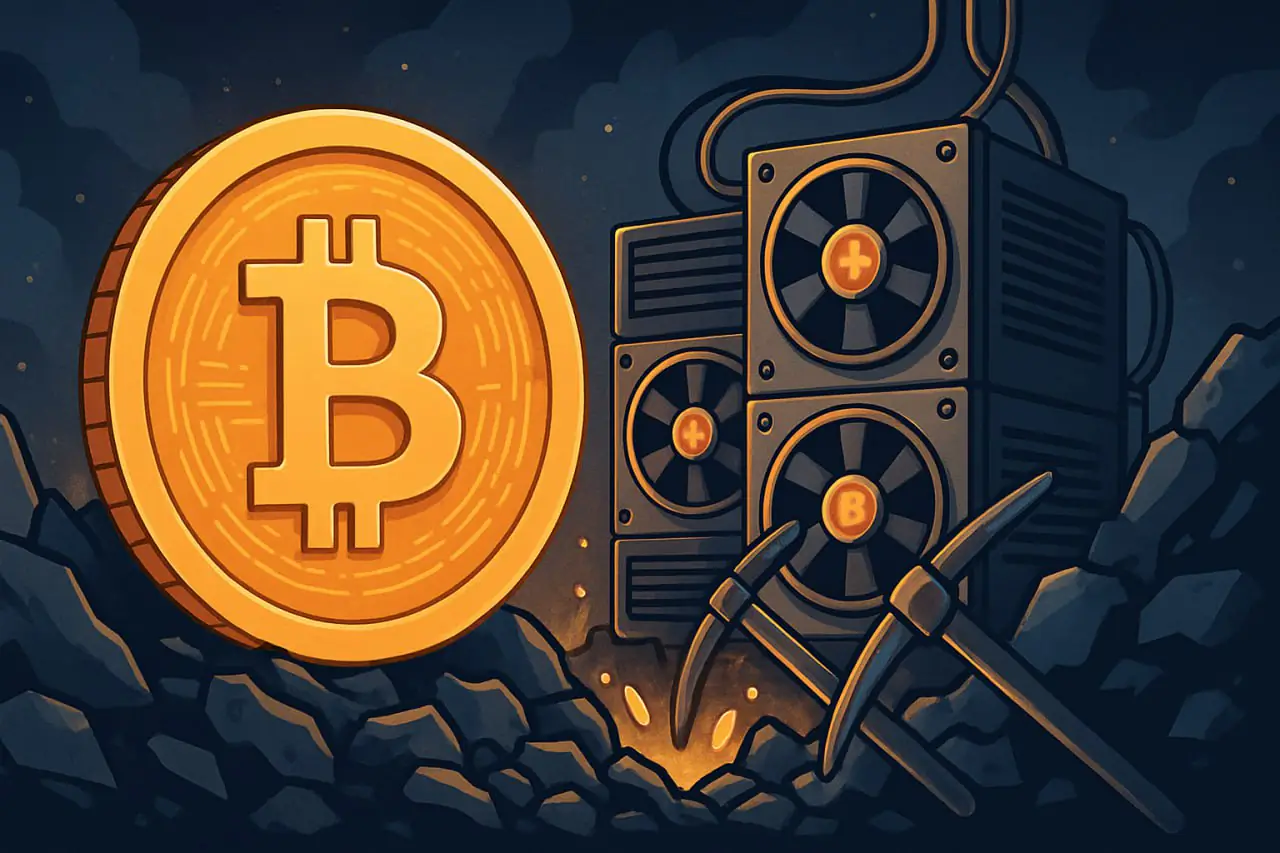
Bitcoin's global hashrate decline of nearly 6% in Q2 2026, coupled with a 14-month low in mining revenues, signals increased pressure on miners due to falling Bitcoin prices and rising operational costs. The geographic concentration of hashrate among the US, Russia, and China (65%) highlights geopolitical risks and regulatory uncertainties, despite emerging markets like Paraguay and Ethiopia gaining traction with cheaper energy. The proposed 'Mined in America Act' indicates a growing US governmental focus on domestic Bitcoin mining as strategic national infrastructure, aiming to reduce reliance on Chinese hardware manufacturing and potentially boost the US economy. The accelerated retirement of older, less efficient mining hardware and the shift towards cloud mining platforms suggest a market consolidation favoring operators with access to cheap, reliable power, impacting overall network security dynamics.
Signal context only. Validate with price action, liquidity, and risk limits before taking a position.
No explicit catalyst tagged.
Grayscale's recognition of XRP Ledger's early work on post-quantum cryptography highlights a critical, long-term security challenge for blockchains, with Google's 2029 deadline suggesting a need for proactive upgrades. The accelerating timeline for quantum computing threats, as indicated by Google's research, implies that projects like XRP Ledger and Solana, which are exploring PQC, may gain a strategic advantage if they can implement solutions effectively. While XRP Ledger is not currently quantum-resistant, the acknowledgment of its pioneering efforts by Grayscale, coupled with the CTO's past statements on balancing security with performance, suggests a strategic approach to future upgrades rather than immediate, potentially detrimental, implementations.
