
Navigating Crypto News

CoinFeather
Navigating Crypto News

Quick market read from this story
Trust Wallet's deployment of an AI Security Scanner is a direct response to a significant $8.5 million breach, indicating a proactive shift towards AI-driven threat mitigation in user-facing applications.
The new scanner's ability to flag risky transactions in real-time, categorizing them by risk level, aims to prevent future exploits like the supply chain attack that compromised over 2,500 wallets.
Despite the AI upgrade, the persistent lack of native two-factor authentication remains a notable vulnerability, suggesting that users must still employ supplementary security practices for high-value assets.
The company's plans to further enhance the scanner with MEV protection and advanced transaction analysis signal a commitment to evolving security measures in response to emerging threats.
Deep Dive
Trust Wallet has implemented an AI-driven Security Scanner across its mobile app and browser extension. This move comes as a direct response to a significant supply chain attack in December 2025, which resulted in the loss of approximately $8.5 million from over 2,500 user wallets.
The newly deployed scanner is designed to detect and flag risky transactions in real-time, before users confirm them. Operating automatically in the background, it analyzes smart contract activity against known threat patterns. Transactions are categorized into three levels: red for high risk, yellow for medium risk, and green for safe. This system targets potential honeypots, malicious dApp approvals like unlimited spending permissions, and suspicious destination addresses.
According to Trust Wallet, earlier versions of its security tools successfully blocked over $162 million in potentially harmful transactions throughout 2025. The company boasts over 200 million downloads globally and holds an estimated 35% of the crypto wallet market share by downloads. As of early 2026, it serves approximately 17 million monthly active users.
Security analysts highlight that supply chain vulnerabilities, particularly silent updates distributed through official channels, remain a difficult risk to counter. The December 2025 incident, stemming from a compromised extension update (v2.68), exemplifies how user trust in official stores can be exploited. Looking ahead, experts identify AI-enhanced phishing as a growing concern for 2026, with increasingly sophisticated deepfake audio and video attacks posing a threat that scanners may not easily detect.
While user feedback on the new scanner has been largely positive, some criticism persists regarding Trust Wallet's overall security posture, particularly the lack of native two-factor authentication (2FA). This absence is seen by some as a vulnerability if a device is physically compromised. For users seeking to enhance their security, practitioners recommend using separate wallets for long-term holdings versus active DeFi or NFT activities, pairing high-value wallets with hardware devices like Ledger, and regularly reviewing and revoking unlimited spending approvals via the allowance manager.
Trust Wallet has indicated plans to further enhance its platform by incorporating MEV protection and more advanced transaction analysis, suggesting the current AI scanner is an initial step in an ongoing security improvement process.
Source, catalyst, and sector overlap from the latest feed.
Arthur Hayes has set a bold price target of $150 for HYPE by August 2026, implying a significant ~5x increase from current levels, driven by Hyperliquid's unique revenue-to-buyback mechanism. Hyperliquid's strategic expansion into traditional asset derivatives and prediction markets via HIP-3 and HIP-4 is diversifying revenue streams and positioning it as a competitor to established centralized exchanges. Despite optimistic price targets, potential investors should consider the noted centralization risks associated with Hyperliquid's validator count and the ongoing token unlock schedule through 2027 which could create supply pressure. The core thesis for HYPE's potential upside hinges on sustained revenue growth and market re-rating from its current P/E multiple, making execution and broader market sentiment critical factors.
The Winklevoss twins' transfer of $130M in Bitcoin to Gemini hot wallets, after holding since 2013, could signal a portfolio rebalancing or preparation for sale, impacting market sentiment around long-term holder behavior. Gemini's significant post-IPO stock decline, workforce reductions, and international market exits highlight operational challenges that may influence investor confidence and trading volume on the exchange. Despite Gemini's current struggles, the exchange still holds substantial assets in BTC and ETH, indicating continued relevance in the market, though its daily trading volume lags behind top competitors. The timing of the BTC transfer, coinciding with the 180-day insider lock-up expiration, adds a layer of scrutiny to the move, potentially influencing short-term price action for Bitcoin.
BlockDAG's deployment of physical mining hardware between April and June, prior to community deposits opening, signals a commitment to network security and decentralization, potentially enhancing its long-term viability. The strategic sequencing of BlockDAG's growth phases, prioritizing infrastructure build-out before full token supply enters the market, positions After Sale buyers at an early entry point with a significant price differential to the current market price. The emphasis on physical infrastructure development, distinct from typical digital-only crypto projects, suggests a focus on fundamental strength and operational execution, which could attract investors seeking tangible value.
Bitcoin's leverage ratio has significantly decreased, indicating a deleveraging event that has cleared speculative excess and positioned the derivatives market on a healthier footing. A substantial drop in Bitcoin exchange reserves to an all-time low suggests holders are moving assets to self-custody, reducing available supply and acting as a structural tailwind for price if demand persists. Following a bounce off higher-low support near $65K, Bitcoin is showing signs of a mean reversion, with analysts targeting $75K-$80K as potential near-term price levels. The combination of reduced leverage, shrinking exchange supply, and price recovery off support creates a more constructive setup for Bitcoin heading into mid-March, though market behavior remains a key variable.
BlockDAG's upcoming 10-15 exchange listings, including futures markets, represent a significant structural catalyst that could drive substantial demand and price appreciation. The current After Sale price of $0.001 offers a unique early entry opportunity, positioning buyers ahead of millions of new users expected to access the asset post-listing. The After Sale window is directly tied to the completion of the build-out phase and exchange rollout, closing in June when community deposits open, creating a defined timeframe for this early entry opportunity. The cumulative effect of multiple exchange listings and the introduction of futures trading is expected to transform BlockDAG's market access and liquidity, fundamentally altering its trading landscape.
Bernstein analysts project a 60% upside for Circle (CRCL) stock, driven by stablecoin adoption decoupling from crypto market cycles and increasing use in digital payments. The increasing integration of stablecoins with traditional payment networks like Visa, alongside Circle's own payment network expansion, signals a growing utility beyond crypto trading. Emerging use cases in AI-driven agentic finance and Circle's development of the Arc blockchain suggest future growth potential for stablecoin infrastructure and adoption.
X Money's April launch confirms a significant move into traditional finance infrastructure, potentially impacting established payment apps. While Dogecoin integration remains unconfirmed, speculation has already driven a price increase, highlighting market sensitivity to Elon Musk's pronouncements. The platform's focus on direct deposits, yield, and Visa partnership suggests a strategy to integrate with existing financial systems rather than disrupt them with unproven crypto solutions.
X Money's upcoming public beta launch in April introduces a new payments platform with P2P transfers and yield generation, potentially impacting traditional finance apps. Despite Elon Musk's historical support for Dogecoin, the X Money app's launch appears to exclude any cryptocurrency integration, contrary to market speculation. The absence of crypto, particularly Dogecoin, in the X Money app's initial rollout suggests a cautious approach to digital asset integration by the platform.
The SEC and CFTC are formalizing cooperation with joint meetings and a shared website, signaling a move towards regulatory coherence that could streamline product approvals and reduce friction for crypto firms. This enhanced collaboration between the SEC and CFTC aims to eliminate regulatory arbitrage and provide clearer guidance, potentially reducing legal disputes and fostering a more predictable environment for digital asset innovation. The initiative to coordinate regulatory responses and examinations suggests a more unified approach to crypto oversight, which could impact how new digital assets and platforms are evaluated and integrated into the existing financial framework.
Institutions are evolving stablecoin payment strategies from single-provider pilots to modular, multi-provider networks to enhance global reach and mitigate vendor lock-in risks. The shift to 'Stablecoin 2.0' mirrors traditional finance infrastructure, enabling enterprises to select best-in-class tools for compliance, custody, and liquidity, improving operational resilience. This infrastructure evolution suggests stablecoins may become increasingly embedded as underlying payment technology, particularly for cross-border transactions, rather than standalone products. The adoption of multi-provider networks addresses regulatory uncertainty and improves payment reliability by allowing automatic rerouting through alternative liquidity providers during disruptions.
The core argument posits that the lack of privacy on public blockchains is a fundamental barrier to mainstream adoption, directly contradicting user expectations and hindering business integration. The development of privacy-enhancing technologies, exemplified by the planned launch of strkBTC on Starknet, is presented as a crucial step towards enabling 'active' Bitcoin usage within DeFi while respecting commercial confidentiality. Achieving a balance between public auditability and private transaction data is framed as essential for scaling public blockchains and attracting systemic capital flows, potentially setting new standards for global finance.
Live Feed
Loading the broader stream in the same flow as the homepage feed.

Lawmakers are negotiating a compromise on the Digital Asset Market Clarity Act, specifically addressing stablecoin rewards to prevent deposit flight from traditional banks. The proposed compromise aims to balance innovation in the crypto space with the need for financial stability, suggesting a potential path forward for stalled legislation. While a final agreement is not yet reached, the ongoing discussions indicate a willingness to find common ground, which could lead to clearer regulatory frameworks for stablecoins and related activities. The outcome of these negotiations will be crucial for the stablecoin sector, potentially impacting how issuers offer rewards and interact with traditional financial systems.

The new monitoring platform aims to detect suspicious trading as prediction markets face scrutiny over insider information.

Societe Generale-FORGE's expansion of its MiCA-compliant EURCV stablecoin to the Stellar network signifies a strategic move to increase its utility within regulated digital asset infrastructure. The deployment on Stellar, chosen for its throughput and low fees, aims to broaden EURCV's accessibility for blockchain-based financial applications and tokenized asset services. This multichain expansion, following deployments on Ethereum and XRP Ledger, positions EURCV as a key player in the growing European stablecoin market, potentially challenging the dominance of USD-backed assets.
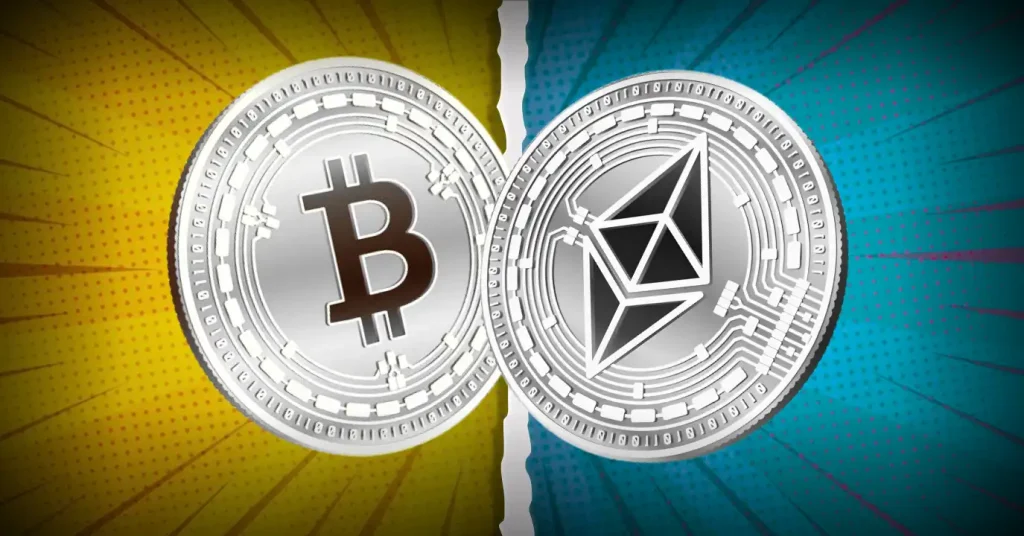
A significant whale has placed large leveraged long positions on BTC and ETH, signaling strong conviction for a near-term price increase, but also highlighting increased risk due to potential liquidations. Bitcoin and Ethereum are showing resilience above key psychological levels ($70k and $2k respectively), suggesting a potential continuation of their rallies if current support holds. The next 48 hours are critical for BTC and ETH, as the market balances bullish momentum from leveraged bets against macro uncertainty and the risk of cascading liquidations if support breaks. Despite recent pullbacks, BTC and ETH are regaining bullish traction, with price action suggesting a potential move towards higher resistance levels if buying volume increases.

Bitcoin's orderbook shows a significant imbalance with sell-side liquidity at a two-month high, suggesting potential selling pressure as traders may use rebounds to take profit. The current technical setup, with elevated ask orders and thinner bids, mirrors a January pattern that preceded a price drop, indicating a cautious outlook for BTC around the $70K level. While short-term holders' cost basis is high, the easing of realized losses and the distance from the main breakeven cluster suggest some holders may wait for higher prices rather than selling at a loss, potentially limiting immediate downside. A sustained reclaim of the $70K-$72K range is needed to ease near-term selling pressure, but a more significant bullish signal would require Bitcoin to break above the $86K-$89K breakeven zone for short-term holders.

Bitcoin's recovery above $70,000 is directly linked to the easing of geopolitical tensions in the Middle East, which has led to a significant drop in crude oil prices and reduced near-term inflation fears. The market is closely watching upcoming US CPI data to determine if Bitcoin's recovery is sustainable, as a continued disinflationary trend would support Fed rate cut expectations and risk assets. A renewed surge in oil prices above $100 could reignite inflation concerns, potentially leading to a retest of Bitcoin's $60,000 support level as the Fed's policy tightens. Despite recent volatility, strong institutional inflows into spot Bitcoin ETFs and rising stablecoin liquidity suggest underlying demand that could support prices if macro conditions remain favorable.

The UK government's long-term fraud strategy identifies digital assets as a 'growing risk', signaling increased regulatory scrutiny and potential enforcement actions. Authorities are enhancing cryptoasset investigation capabilities and implementing stricter authorization rules for crypto firms, which could impact operational compliance and market access. While focused on fraud, the strategy's emphasis on digital assets may influence future policy decisions regarding crypto donations to political parties, reflecting broader concerns about illicit finance.
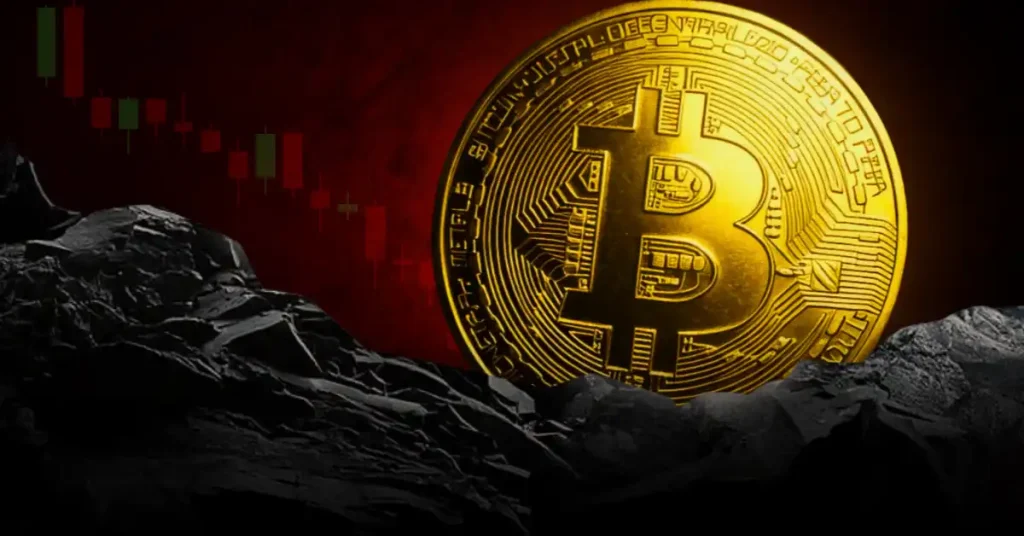
Bitcoin is consolidating within a potential ABC corrective structure, indicating a short-term outlook balanced between a breakout above $72,200 resistance and a pullback to support zones near $61,540. Analysts are closely watching the $70,767 to $72,200 resistance zone, where a decisive move could signal a bullish continuation, while failure to break through may lead to further downside testing of established support. The market is currently in a neutral phase, awaiting a clear directional signal from Bitcoin's price action around key resistance and support levels, suggesting a 'hold' or 'watchlist' approach for traders.

Geopolitical tensions driving oil prices higher are creating a divergence from traditional equity markets, with Bitcoin showing resilience. The market is closely watching Bitcoin's ability to hold its current range amidst broader macroeconomic uncertainty and potential inflation pressures. While equities are under pressure due to rising energy costs and geopolitical risks, Bitcoin's independent price action suggests a potential decoupling from traditional risk assets.
PEPE is showing a slight rebound, trading up 4.76% in 24 hours, but remains below recent highs, indicating a potential short-term stabilization after a decline. The $0.00000323 support level is critical for PEPE; failure to hold it could lead to further downside, while a bounce could target $0.00000346 and $0.00000379. Technical indicators like the RSI near 39 and Bollinger Bands near the lower band suggest continued downside pressure, despite the recent minor recovery.
Signal context only. Validate with price action, liquidity, and risk limits before taking a position.
