
Navigating Crypto News

CoinFeather
Navigating Crypto News

Quick market read from this story
Arctic Pablo Coin (APC) is nearing the end of its presale with over 98% sold, presenting a potential high-ROI opportunity for early investors before its listing price of $0.008.
The APC presale offers a potential 12,400% ROI if it reaches analyst-projected targets of $0.1, driven by its deflationary tokenomics, aggressive burns, and 66% APY staking rewards.
While Fartcoin and Baby Doge Coin maintain community momentum, APC's final presale stage and strong incentive structure position it as a standout for traders seeking immediate upside in the meme coin sector.
The imminent closure of the APC presale at $0.0008 creates a time-sensitive opportunity, as missing this stage could lead to significantly higher entry prices post-listing.
Deep Dive
The meme coin market is buzzing with activity, and while established names like Fartcoin (FARTCOIN) and Baby Doge Coin (BABYDOGE) maintain momentum, Arctic Pablo Coin (APC) is capturing significant attention with its final presale stage, Horizon Haven. With over $3.4 million raised and 98% of the final stage sold out, APC is positioned at an entry price of $0.0008, with projections suggesting a potential 900% jump to $0.008 upon listing and a possible 12,400% increase if it reaches the forecasted $0.1.
Arctic Pablo Coin (APC) has reached its 36th and final presale stage, Horizon Haven, with buyers currently acquiring tokens at $0.0008. This stage offers a significant potential return, with a projected $40,000 value from a $4,000 investment at the $0.008 listing price, and even higher if the $0.1 target is met. Built on the Binance Smart Chain (BSC), APC features a maximum supply of 221.2 billion tokens and implements weekly and end-of-sale token burns to create scarcity. The project also offers attractive incentives, including 66% APY staking, referral rewards, and community competitions. The narrative-driven approach, with each presale stage tied to a chapter in its mythic journey, aims to build strong community engagement.
Fartcoin (FARTCOIN) continues to leverage its humorous branding and community loyalty, blending comedy with functional tokenomics, including staking and charity promotions. Its post-launch resilience offers a stable appeal for those who view crypto as both entertainment and investment.
Baby Doge Coin (BABYDOGE), inspired by Dogecoin, has maintained its popularity through viral appeal, a massive supply, aggressive token burns, and a focus on philanthropic initiatives. Its accessibility makes it a popular choice for casual investors seeking a low-cost entry into the crypto space.
While Fartcoin and Baby Doge Coin are recognized staples, Arctic Pablo Coin's current position in its final presale stage presents a unique opportunity for high-ROI entries. The combination of a nearly sold-out stage, a deflationary model, substantial staking incentives, and a narrative-driven community strategy sets APC apart. The $0.0008 price in the Horizon Haven stage is the last opportunity before the listing price of $0.008, with potential for much greater gains. The limited time remaining in this presale stage makes it a critical juncture for potential investors.
Source, catalyst, and sector overlap from the latest feed.
Ethereum's price is approaching its all-time high, driven by significant institutional inflows into ETH ETFs, signaling strong market confidence and potential for further upside towards the $4,800 target. Chainlink's recent breakout above resistance, coupled with a new partnership with ICE for financial data integration, suggests a bullish trend with potential for substantial gains, reinforcing its role in bridging traditional finance and blockchain. Cold Wallet's presale is highlighted as a unique opportunity due to its existing user base from an acquisition and live utility features, positioning it for significant ROI potential upon its exchange listing, distinct from typical project launches.
Cardano whales are reducing their holdings, evidenced by a decrease in super whale share and a significant drop in daily active addresses, suggesting a potential loss of confidence or profit-taking. Remittix (RTX) is presented as an alternative investment, highlighting its recent 484% surge, live PayFi infrastructure in Africa, and upcoming wallet beta launch as key growth drivers. The article suggests a portfolio strategy of diversifying from Cardano (ADA) into Remittix (RTX) to balance potential Cardano rebound with Remittix's real-world utility growth, aiming to smooth volatility and capture outsized returns.
XRP investors are showing signs of fatigue with declining wallet activity and price action, suggesting a potential rotation out of the asset despite regulatory progress. A new PayFi token, Remittix (RTX), is gaining traction with real-world utility, strong presale momentum, and strategic integrations like XRP as an on-ramp, indicating a potential shift in investor focus. The narrative is shifting towards utility-first, accessibility-focused crypto solutions, with Remittix (RTX) positioned to capture market share from assets like XRP that are perceived to have stagnating adoption.
Significant on-chain data indicates 700 new wallets acquired over $1,000 of RTX within a week, suggesting strong investor conviction in utility-driven projects over meme coins. The shift of capital from established altcoins like SHIB, DOGE, and ADA into Remittix (RTX) highlights a potential rotation towards projects focused on real-world utility and payment infrastructure. Remittix's upcoming wallet beta launch supporting ETH and SOL, coupled with its CertiK audit and fundraising success, positions it as a notable DeFi project with cross-chain ambitions and potential for passive income.
Remittix has added over 1,000 whale wallets in July, indicating growing investor confidence and potential for increased liquidity and price stability in the PayFi sector. The project's funding of $18 million and token sales at $0.0895, coupled with a developing PayFi roadmap and upcoming features like a mobile wallet beta, suggest a focus on utility and user adoption that could drive future value. The increasing adoption of Remittix by both users and businesses for payment solutions, highlighted by its inclusion on low-cap gem lists, positions it as a potential contender in the payments crypto space.
Worldcoin's reported sale of 117 million WLD tokens, valued at $38.7 million, introduces immediate selling pressure and tests key support levels. The upcoming token unlock on July 23, 2026, which will release over 50% of the total supply, poses a significant risk of further price depreciation due to increased circulating supply. Technical indicators suggest a bearish short-term outlook for WLD, with price trading below key moving averages and RSI indicating ongoing selling pressure. The combination of token sales and a large upcoming unlock suggests a bearish near-term outlook for WLD, potentially creating opportunities for short positions or a wait-and-see approach.
PayPal's PYUSD stablecoin has surpassed $4 billion in supply, demonstrating significant growth since its launch and indicating increasing adoption. The global expansion of PYUSD into 70 countries, alongside its supply milestone, positions PayPal to capture a larger share of the growing stablecoin market. PYUSD holder numbers have grown parabolically, suggesting accelerating user uptake and potential for further integration into PayPal's vast payment network. The rapid growth and global rollout of PYUSD highlight a successful traditional finance entry into Web3, potentially signaling a new phase for stablecoin utility.
XRP's burn rate has surged 313% to 2,491 XRP, indicating increased network activity and a potential reduction in circulating supply, which could be a long-term bullish signal. Despite a significant increase in on-chain activity and token burns, XRP's price has remained stagnant around $1.44, suggesting that broader market sentiment or short-term trading pressures are currently outweighing fundamental network improvements. The divergence between the soaring burn rate and flat price action presents a potential watch scenario for traders, as sustained high burn rates could eventually lead to price appreciation if market sentiment shifts.
The significant 7.76% drop in Bitcoin mining difficulty indicates a substantial decrease in network hashrate, potentially signaling capitulation among less efficient miners and suggesting a short-term bearish pressure on mining profitability. While the difficulty drop is a notable event for the mining sector, the article's focus on Bitcoin's price trading within a range and broader market sentiment suggests this mining adjustment alone may not be a strong catalyst for immediate price repricing. The SEC's clarification on Bitcoin not being a security is mentioned as a positive development, but its limited impact on BTC price suggests that macroeconomic factors and risk asset sentiment are currently outweighing regulatory clarity for traders.
Maestro's launch of Mezzamine, a Bitcoin-denominated credit market, offers institutional BTC holders an 8-9% yield while providing miners with expansion capital, signaling a maturation in Bitcoin mining finance. The introduction of Mezzamine addresses a critical financing gap for miners by removing currency mismatch and incorporating bear market protection, potentially stabilizing miner operations during price downturns. The simultaneous negative Bitcoin difficulty adjustment improves mining economics for operators, creating a more favorable environment for expansion and debt servicing, especially when combined with new credit facilities. Bitcoin's price stabilization around $70,700 after a significant weekly decline, coupled with recovering technical indicators like RSI and MACD, suggests a potential near-term floor and renewed buyer interest.
Shiba Inu's hourly death cross, with the MA 50 crossing below the MA 200, signals continued short-term bearish momentum following a failed golden cross. The broader market sell-off, exacerbated by $361 million in liquidations and macro concerns from the Fed's stance, is pressuring SHIB and contributing to its technical breakdown. With SHIB trading below prior support levels now acting as resistance and the Crypto Fear and Greed Index at 27 (fear), further downside risk is present in the near term.
Shiba Inu's integration with OnePay, a Walmart-majority-owned fintech platform with 3 million users, signifies a notable expansion of its payment utility and potential for broader adoption in retail environments. The listing on OnePay, alongside other major cryptocurrencies like BTC and ETH, positions SHIB for increased accessibility and transactional use, potentially influencing short-term trading interest. While the OnePay listing is positive for SHIB's payment use case, the article also notes recent price declines and reduced trading volumes, suggesting that market sentiment may be mixed or that the positive news has yet to translate into sustained price appreciation. The mention of the SEC deeming most mature cryptocurrencies, including Shiba Inu, as non-securities provides a degree of regulatory clarity, which could reduce future uncertainty for the asset and its holders.
Despite a prevailing downtrend and recent price declines, Dogecoin exhibits an extremely bullish long-short ratio on major exchanges, indicating strong speculative positioning for a potential reversal. The high concentration of long positions presents a risk of cascading liquidations if momentum falters, potentially leading to sharp downside volatility despite the bullish sentiment. Traders should monitor for a confirmed breakout above key resistance levels or a significant long squeeze event to validate the bullish derivatives data and signal a potential shift in trend. While derivatives data suggests bullish conviction, the lack of confirmation from price action and volume expansion means current inflows are sporadic and do not yet support sustained upward momentum.
Japan's proposed reclassification of XRP and other cryptocurrencies as financial instruments by 2027, while increasing regulatory oversight, may lead to greater institutional adoption but also adds bureaucratic hurdles. The Resolv Labs hack, resulting in a $25 million loss and an 80% depeg of its USR stablecoin, highlights ongoing DeFi security risks and the potential for significant value destruction in yield-generating protocols. The significant outflow of 120 billion SHIB from exchanges to cold wallets, coupled with a spike in large-holder transactions, suggests a potential shift towards long-term accumulation by whales, which could precede future price appreciation. The upcoming SEC deadline on March 27 for 91 spot crypto ETF applications represents a critical juncture for institutional inflows, with potential to significantly influence market momentum in the second quarter.
The launch of Pepeto, by the same founder as Pepe Coin, introduces a full exchange and audit, aiming to capitalize on meme virality with enhanced infrastructure. Pepeto's presale is positioned as a high-potential opportunity, with claims of 150x returns from presale to a potential Binance listing, contrasting with Pepe Coin's limited recovery prospects. The development signals a trend of meme coins attempting to build utility and infrastructure post-launch, leveraging established community engagement for new projects.
Live Feed
Loading the broader stream in the same flow as the homepage feed.

Michael Saylor's MicroStrategy holds a significant 761,068 BTC, currently facing an unrealized loss of approximately $5.25 billion, indicating a substantial paper loss for the firm. Despite the current drawdown and oversold technical indicators like RSI and MACD, Michael Saylor's public statements suggest a continued commitment to his long-term Bitcoin accumulation strategy, implying no immediate selling pressure from the firm. The firm's average acquisition price of $75,696 per BTC means a sustained price recovery above this level is needed to return the position to profitability, a key metric for market participants to watch. Broader macroeconomic factors such as Federal Reserve uncertainty, USD strength, and reduced risk appetite are contributing to the current downturn in crypto markets, impacting Bitcoin's price alongside other digital assets.

Bitcoin's divergence from gold, driven by distinct buyer bases (retail for BTC, central banks for gold), suggests differing market dynamics and potential for varied price performance based on geopolitical and economic factors. The analysis highlights Bitcoin's utility as a crisis lifeline for individuals when traditional banking fails, contrasting with gold's role as a geopolitical strategic asset for state actors, implying different risk-reward profiles for each asset. While gold has seen recent volatility and debate over its store-of-value status, contrasting expert opinions on Bitcoin's potential to outperform gold suggest ongoing market uncertainty and a need for diversified asset allocation.
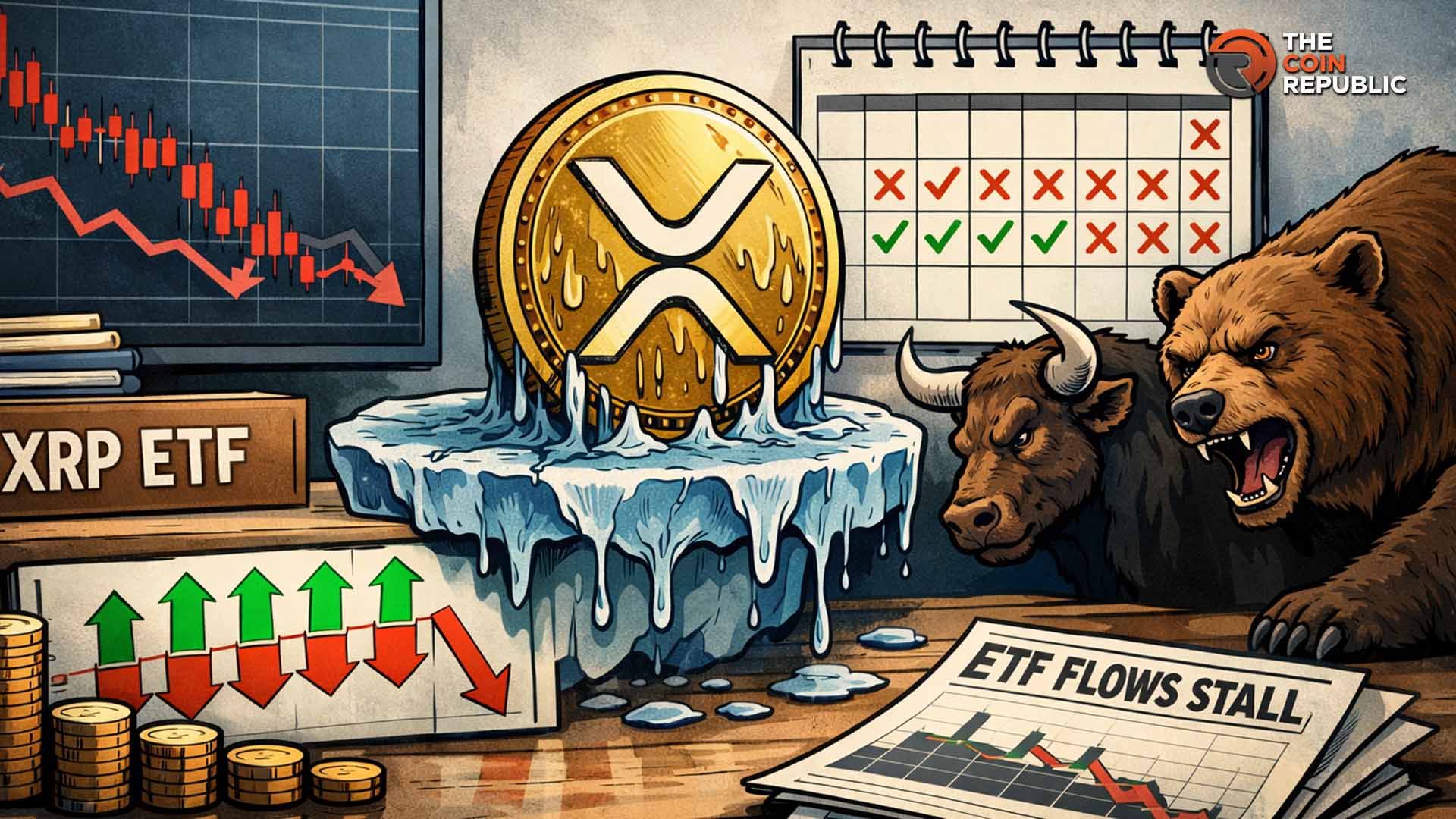
XRP ETF inflows have significantly decelerated in March, with only four positive days recorded, indicating a cooling investor appetite despite recent regulatory clarity. The Bitwise XRP ETF reported a $25.9 million loss primarily due to unrealized price declines, highlighting the sensitivity of these products to market volatility. While recent regulatory developments classifying XRP as a 'digital commodity' and potential legislative progress offer long-term optimism, current ETF performance suggests short-term caution among investors. The slowdown in XRP ETF demand, coupled with a notable unrealized loss for the Bitwise ETF, implies potential near-term price pressure on XRP as institutional interest wanes.

The Immunefi report highlights that crypto hacks trigger a prolonged 'corporate crisis' extending beyond the initial theft, with median token price declines of 61% within six months post-exploit, indicating significant long-term value destruction. While median hack sizes have decreased, the report reveals a dangerous concentration of risk, as the top five hacks accounted for 62% of total stolen funds in 2024-2025, underscoring the systemic impact of single large-scale breaches on centralized exchanges. The analysis suggests that the interconnectedness of DeFi protocols amplifies hack impact, leading to longer chains of vulnerability and demonstrating that project survival now hinges on enduring the post-hack recovery period rather than just the initial exploit.

Mark Cuban highlights that the inherent inefficiencies and reliance on undocumented 'corporate knowledge' within traditional banking systems make them highly susceptible to disruption by blockchain technology. The automated and instant reconciliation processes native to blockchain contrast sharply with the manual, labor-intensive reconciliation in legacy finance, presenting a clear technological advantage for crypto and fintech. Cuban's commentary suggests a structural vulnerability in traditional banking, implying that crypto and fintech are not just competitive but represent a fundamental technological upgrade that could displace incumbents.
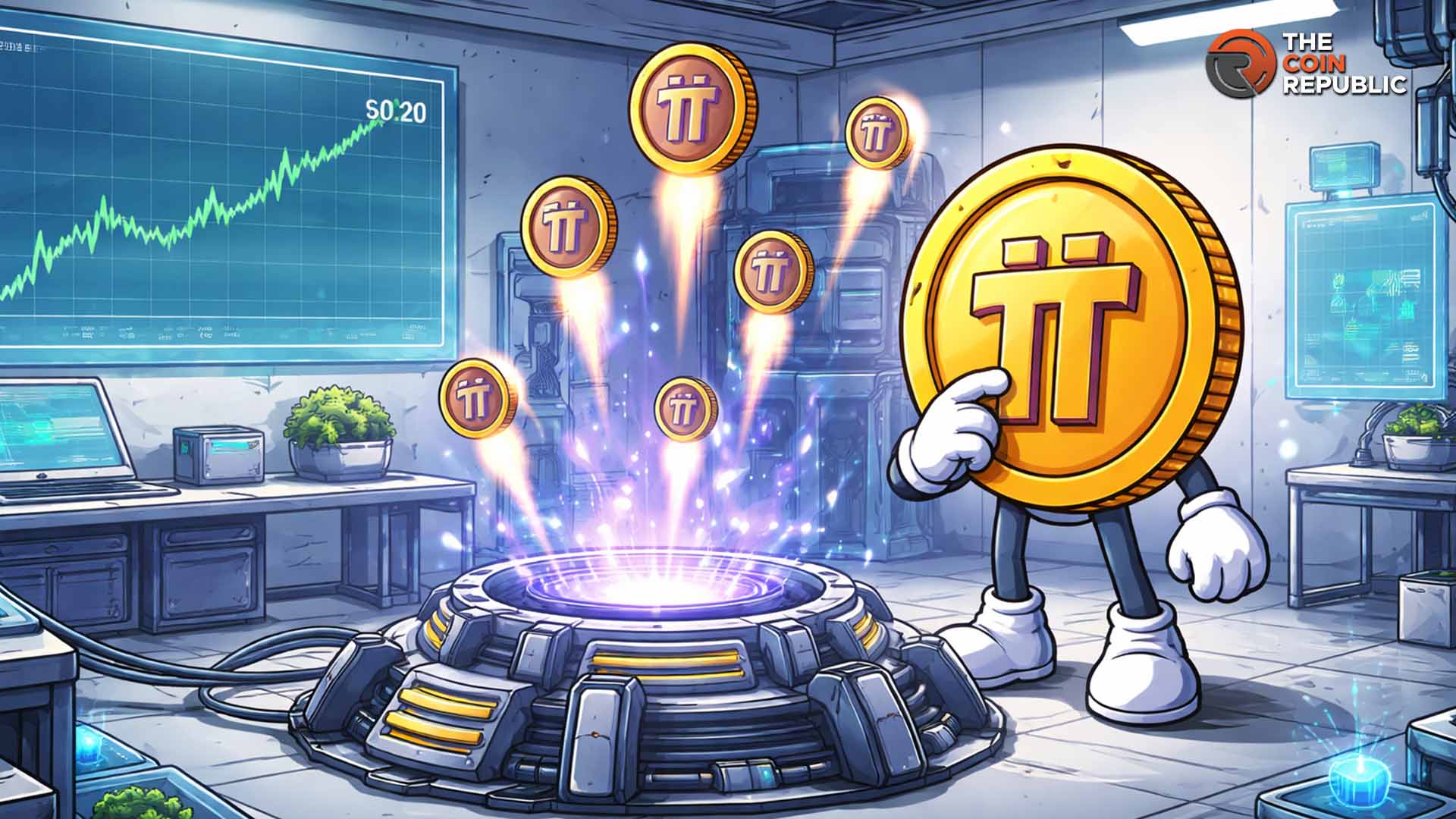
Pi Network's testnet launchpad debut introduces a utility-focused model, shifting emphasis from hype to product readiness and potentially attracting traders seeking fundamental value beyond mining narratives. The launchpad's design, prioritizing functional products and directing token launch funds into liquidity pools, aims to foster deeper market depth and mitigate risks associated with purely hype-driven token launches. The Pi coin price surge above $0.20, coupled with positive short-term indicators and anticipation of Protocol 20 and v21 upgrades, suggests renewed market interest and potential for further upside if key resistance levels are breached. The success of Pi Network's strategy hinges on its ability to leverage the launchpad to drive genuine app adoption and utility, which could solidify its ecosystem and attract sustained user engagement beyond speculative trading.
XRP's potential $1 trillion market cap hinges on two critical developments: widespread XRPL ecosystem adoption and Ripple's success in the RWA tokenization market. A thriving XRPL ecosystem with increased dApps and financial tools could drive demand for XRP as a bridge asset, enhancing its utility in cross-border payments. The RWA tokenization sector presents a multi-trillion dollar opportunity, and if XRP becomes a core settlement layer for these assets, its demand could surge significantly. Despite a bullish long-term narrative, XRP faces a substantial technical and adoption hurdle to reach a $1 trillion valuation, making the scenario a conditional, long-term prospect.

Prediction markets face a critical design flaw where contracts can incentivize users to manipulate outcomes rather than predict them, potentially undermining credibility and deterring institutional capital. The article argues that platforms must proactively exclude markets with easily influenceable outcomes to maintain long-term trust, as regulatory bodies are likely to impose external standards if platforms fail to self-regulate. The core issue is not market volatility but the inherent design that can turn prediction markets into tools for profiting from interference, especially in thinly traded political or event-based contracts.
Ethereum has experienced a significant liquidation of leveraged long positions, which may reduce bullish overcrowding but does not confirm a trend reversal due to a weak technical structure. While the market focus shifts to potential short liquidations, Ethereum's chart indicates a fragile rebound attempt within a broader downtrend, with key resistance zones capping upside potential. Traders should maintain caution as Ethereum faces significant resistance levels, suggesting that the current price action is more of a technical test for buyers rather than a confirmed bullish breakout.

Anthony Scaramucci suggests Bitcoin's four-year cycle is still relevant, predicting a price rise in Q4 2026 despite current market conditions. The influence of institutional investors and ETF inflows has muted Bitcoin's traditional cycles, but Scaramucci believes self-fulfilling prophecy will drive future price action. Geopolitical turmoil and a strong correlation with the S&P 500 pose downside risks, with some analysts forecasting a potential 50% drop in BTC price if these trends persist. Market sentiment has shifted from widespread expectation of a 2025 bull run to concerns about a potential bear market, highlighting the unpredictable nature of crypto price movements.
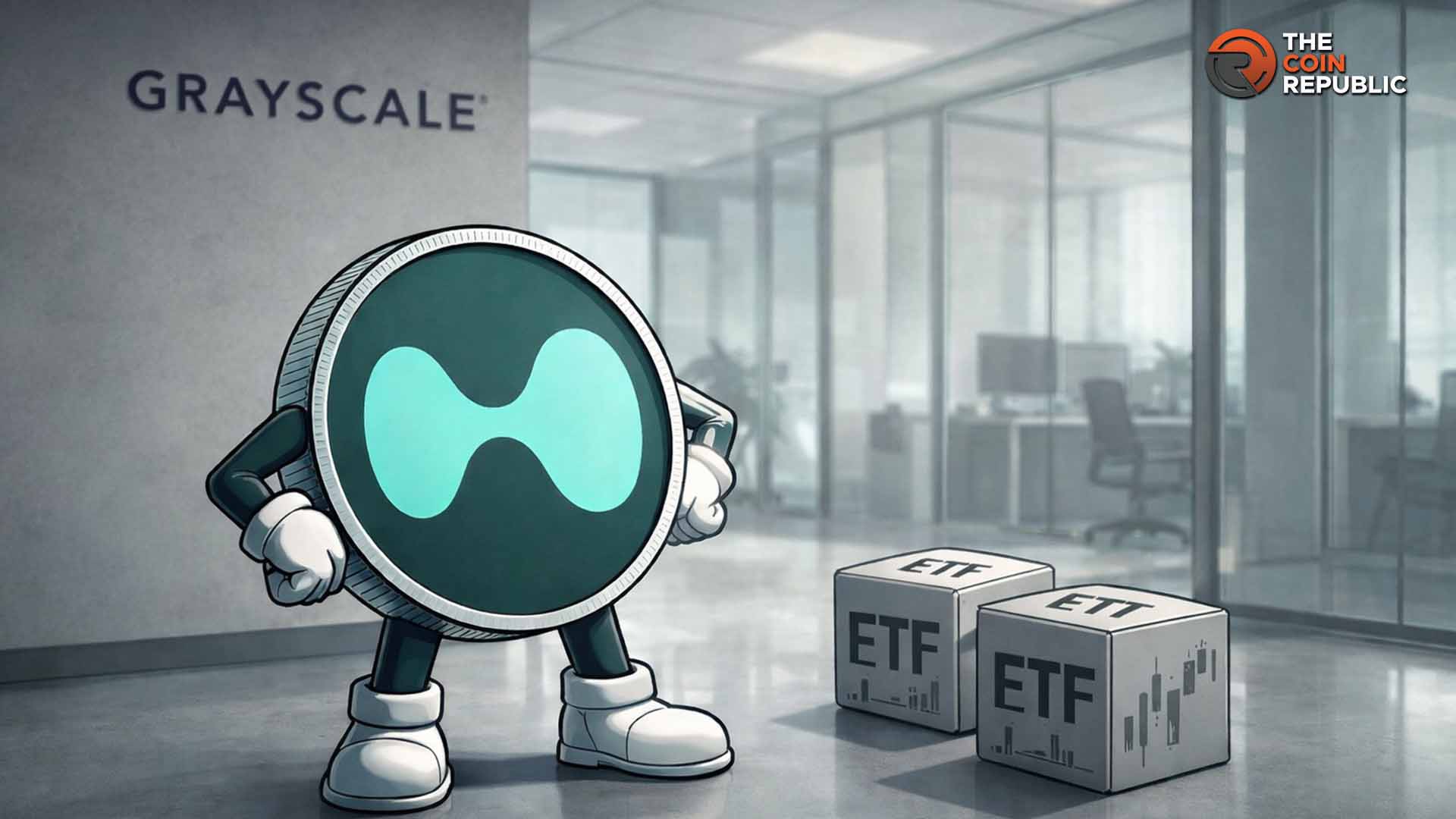
Grayscale's ETF filing for Hyperliquid (HYPE) signals institutional interest expanding beyond spot BTC/ETH to derivatives-focused protocols. The filing places Grayscale in direct competition with Bitwise and 21Shares for Hyperliquid-based ETF products, intensifying the race for new crypto investment vehicles. Hyperliquid's sustained high trading volumes and expansion into RWA markets provide a fundamental basis for Grayscale's thesis on broader institutional demand. While staking integration is considered, regulatory uncertainty in the US may delay its inclusion in the ETF, focusing initial offerings on token price tracking.

Bitcoin's price dip below $69,000 and approach to the 200-week EMA suggests continued bearish sentiment, with some analysts targeting $50,000. Despite the overall bearish trend, a daily chart golden cross offers a potential short-term bullish signal, though its durability remains uncertain. Over $400 million in crypto liquidations occurred as Bitcoin experienced a weekend price drop, indicating significant volatility and forced deleveraging.

TRON's relative market outperformance and sustained $1M daily revenue highlight its resilience and utility, particularly from USDT transfers, suggesting a strong underlying user base despite broader altcoin declines. The resolution of Justin Sun's SEC fraud charges removes a significant overhang, potentially improving institutional sentiment towards TRON, while the Mastercard partnership signals progress in real-world payment adoption. Despite a reported phishing scam, TRON's long-term technical support trendline and positive momentum indicators suggest potential for a significant breakout if current support levels hold, according to analyst Crypto Patel. TRON's strategic pivot towards AI infrastructure, coupled with its established network revenue and partnerships, positions it as a potentially undervalued asset with multiple catalysts for future growth.

The SEC and CFTC have released joint interpretive guidance clarifying the definition of a security in crypto, aiming to provide more regulatory certainty for market participants. While the guidance categorizes most crypto assets as non-securities, it emphasizes that the context of marketing and transactions remains crucial for determining security status, leaving room for SEC enforcement actions. The ongoing legislative efforts for market structure reform are highlighted as a critical factor, as future administrations could alter interpretative guidance, underscoring the need for codified law. Regulatory actions against prediction markets like Kalshi in Arizona and Nevada indicate a growing scrutiny of these platforms, potentially impacting their operations and future development.
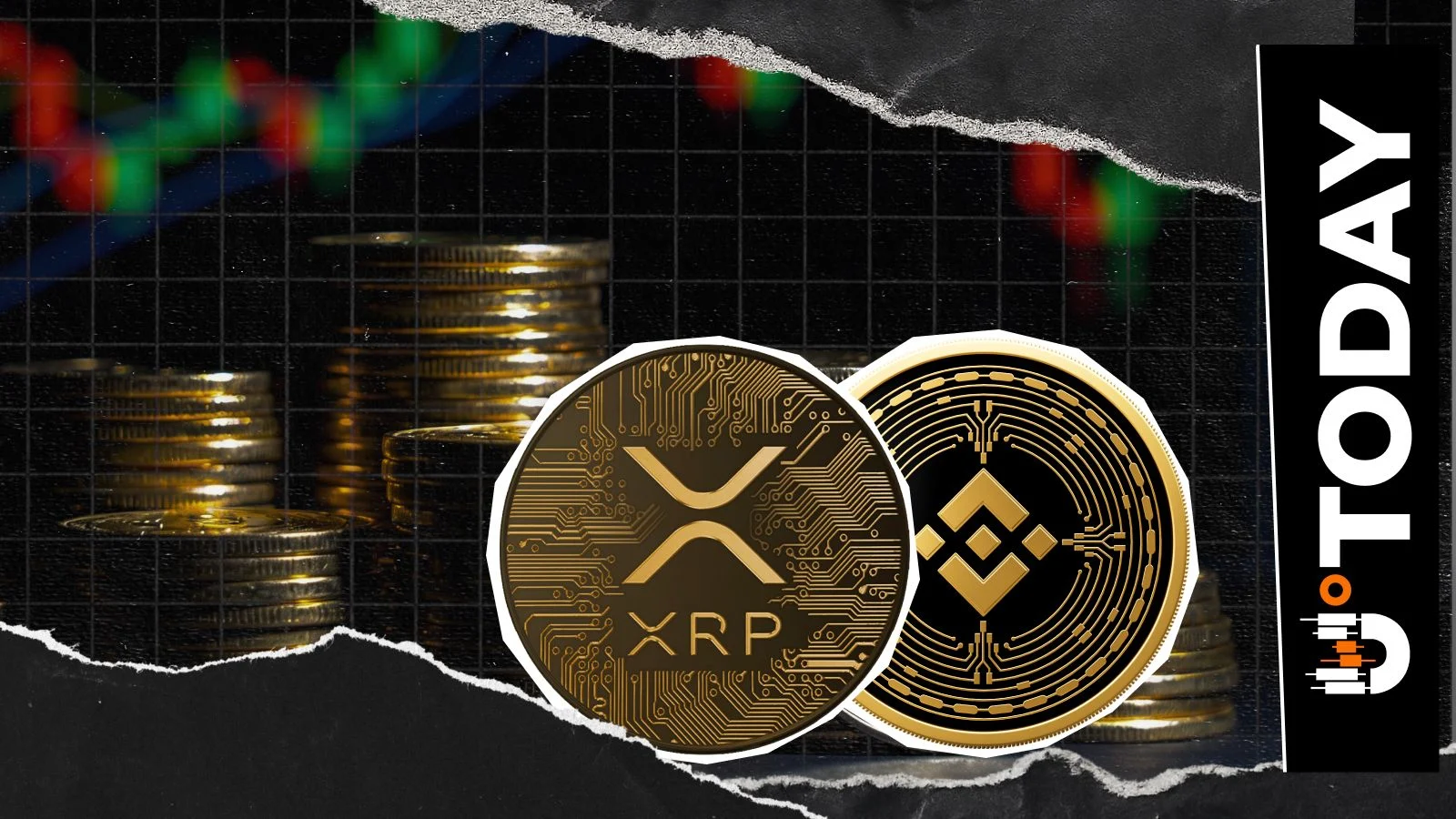
BNB has surpassed XRP in market capitalization, reclaiming the fourth-largest cryptocurrency spot, signaling a potential shift in investor preference towards exchange-native tokens. The close market cap gap between BNB and XRP suggests continued competition for the fourth position, with institutional liquidity flows likely to influence future rankings. This market reshuffle highlights a broader trend of liquidity redistribution favoring high-utility ecosystem tokens over simple value transfer assets.

The US government's $200 billion war funding request, equivalent to nearly 3 million BTC, highlights Bitcoin's scarcity against expanding fiat supply and government debt. This comparison frames Bitcoin as a potential check against inflation and excessive government spending, reinforcing its narrative as a store of value for investors concerned about fiscal policy. The article uses the war bill to illustrate Bitcoin's relative scarcity compared to major institutional holdings, including government reserves, ETFs, and corporate treasuries, underscoring its unique monetary properties.

Bitcoin's price decline is directly linked to a broader risk-off sentiment in global markets driven by geopolitical tensions, indicating that macro factors are currently overriding crypto-specific catalysts for price action. Significant outflows from major equity ETFs, coupled with Bitcoin ETF outflows, signal a defensive capital shift by investors, suggesting a lack of immediate demand for risk assets and potentially prolonging price weakness. Historical patterns during geopolitical conflicts show that initial crypto rallies can be short-lived, implying that current price action may mirror past downturns if macro uncertainty persists, leading to potential tests of lower support levels. The market's struggle to absorb selling pressure, evidenced by accelerated profit-taking and compressed demand depth, highlights reduced liquidity and risk appetite, which could lead to further price depreciation if geopolitical risks are not resolved.
Michael Saylor's MicroStrategy continues its aggressive Bitcoin accumulation strategy, signaling strong conviction in BTC's long-term value despite current paper losses. The company's innovative use of perpetual preferred shares (STRC) to fund Bitcoin purchases highlights a novel approach to corporate treasury management and leverage in the crypto market. Saylor's 'orange march' narrative, coupled with consistent buying, acts as a bullish signal to the market, potentially influencing investor sentiment and encouraging further accumulation. If MicroStrategy reaches its potential goal of 1 million BTC, it would represent a significant portion of Bitcoin's total supply held by a single entity, impacting market dynamics.

Bitcoin Everlight presents a distinct revenue model by distributing transaction routing fees to participants holding 'shards', contrasting with competitors like Remittix and IPO Genie which rely on unproven or variable external factors. The project emphasizes transparency with completed dual smart contract audits and KYC verifications from reputable firms, aiming to build trust compared to competitors with less documented or delayed verification processes. Bitcoin Everlight's presale offers tiered 'shard' activations with potential APY in BTCL, transitioning to real BTC rewards from network activity post-mainnet, providing a clear earning mechanism tied to network utility. The fixed supply of 21 billion BTCL and a significant portion allocated to presale participants, coupled with a clear distribution plan, suggests a structured tokenomics approach that could appeal to value-oriented investors.
Signal context only. Validate with price action, liquidity, and risk limits before taking a position.
