
Navigating Crypto News

CoinFeather
Navigating Crypto News
Quick market read from this story
SWIFT's new retail payments framework, set to launch in 2026, includes over 50 banks, many of which have existing ties to Ripple, suggesting a potential convergence rather than direct competition between traditional and blockchain-based payment systems.
The inclusion of Ripple-linked banks in SWIFT's framework highlights the growing adoption of distributed ledger technology by traditional financial institutions to enhance cross-border payment efficiency and transparency.
While SWIFT is modernizing its infrastructure, the article suggests that blockchain solutions like Ripple's are increasingly seen as complementary to, rather than replacements for, legacy systems, indicating a hybrid future for global payments.
Deep Dive
SWIFT has announced a significant expansion of its retail payments framework, slated for rollout in 2026, which aims to modernize and streamline cross-border transactions. This initiative involves over 50 participating banks, with a focus on establishing more than 25 key payment corridors by mid-2026, connecting major routes across India, the UAE, Pakistan, Australia, the UK, the US, China, and Thailand. The framework promises predictable fees, full-value transfers, end-to-end visibility, near-instant settlement, and ISO 20022 compliance.
While SWIFT reinforces its role in international banking, its announcement has also spurred discussions about blockchain-based alternatives, particularly Ripple and its RippleNet network, which offer faster settlement and reduced friction. Notably, a substantial number of the banks named by SWIFT, at least 30, have existing partnerships with Ripple, highlighting a growing intersection between traditional financial messaging systems and distributed ledger technology.
Several financial institutions involved in SWIFT's new framework have a history with Ripple's ecosystem. Examples include Akbank, an early adopter of Ripple-based payments in Turkey; ANZ Bank, which tested Ripple's protocol for cross-border transfers as early as 2015; and Axis Bank, which has operated live RippleNet corridors in India since 2017. Bank Alfalah has also utilized Ripple-powered infrastructure for remittances between the UAE and Pakistan since 2021.
Other major global players like Santander, BBVA, Standard Chartered, HDFC Bank, ICICI Bank, and State Bank of India have explored or integrated Ripple's technology. Furthermore, institutions such as Deutsche Bank have combined Ripple's blockchain infrastructure with SWIFT to enhance cross-border payment speed and efficiency. Morgan Stanley has also publicly examined Ripple as a potential alternative to SWIFT, citing its potential for greater efficiency and lower-cost settlement models.
The increasing collaboration between SWIFT's established network and Ripple's growing institutional adoption suggests a gradual reshaping of the payments ecosystem rather than an outright replacement. This trend indicates a move towards a hybrid financial ecosystem where traditional networks and blockchain solutions coexist and complement each other, ultimately aiming to reduce friction in global value transfer.
Source, catalyst, and sector overlap from the latest feed.
Suzlon Energy's stock experienced a 3.41% increase following the announcement of a 100 MW wind project win from GAIL, indicating positive market reception to new contract awards. The 100 MW project from GAIL, a repeat order and the sixth for Suzlon, reinforces the company's established relationship with the state-owned energy corporation and its growing presence in the public sector undertaking (PSU) segment. Despite the recent gains, Suzlon Energy's stock remains down over the past week and month, suggesting that while new contracts provide short-term boosts, broader market sentiment or other factors may be weighing on the stock's performance.
Solana's short-term chart patterns suggest a bearish rising wedge, indicating potential for a further price decline if support breaks. Despite short-term bearish signals, a separate analysis presents a potential recovery path for Solana through the rest of 2026, implying a possible medium-term rebuild. The conflicting technical outlooks place Solana in a precarious position, requiring traders to monitor the rising wedge breakdown for downside risk or sustained higher lows for a recovery confirmation.
The doubling of stablecoin supply on the XRP Ledger since December, reaching nearly $570 million, signals a significant increase in on-chain activity and demand for transactions on the network. The XRP Ledger's potential integration into traditional finance via tokenized collateral accepted by the European Central Bank positions it as a key infrastructure component, moving beyond a simple payments network. The emergence of AI-powered agent commerce on XRPL suggests a future of automated, intelligent financial flows, potentially expanding use cases and driving further network adoption.
Kanye West's net worth is subject to significant valuation discrepancies, with Forbes estimating $400 million while he claims over $2.5 billion, highlighting the speculative nature of celebrity asset valuations. Despite past controversies leading to brand severances (e.g., Adidas), Kanye West is exploring new ventures including a potential meme coin and NFT collection, indicating continued interest in the digital asset space. The upcoming album 'Bully' and planned global tour signal a potential resurgence in Kanye West's core music business, which could positively impact his overall financial standing and market presence.
Solana has rebounded from the $86 support level, indicating renewed short-term buying interest, but faces significant resistance around the $93-$95 zone which could lead to a pullback. While short-term price action is consolidating with mixed sentiment, the long-term weekly structure for SOL remains constructive, suggesting potential for a broader uptrend towards $200-$300 if key resistance is overcome. Traders should monitor the $95 level as a critical breakout point; a decisive move above it could signal further upside towards $100, while failure to break through may result in a retest of lower support levels near $85.
Apex Group's tokenization of the Omnes Mining Note on Coinbase's Base platform signifies a growing trend of traditional finance integrating with blockchain for structured products, offering institutional investors exposure to Bitcoin hashrate via a tokenized note. The use of the ERC-3643 standard on Base highlights the increasing adoption of on-chain protocols for managing real-world assets, potentially enhancing liquidity and collateralization opportunities for institutional-grade instruments. This development, coupled with broader institutional interest in tokenization as seen with BlackRock, suggests a maturing market for tokenized real-world assets, potentially driving further adoption and innovation in the RWA sector.
Nasdaq's integration with Talos aims to unlock an estimated $35 billion in trapped collateral by streamlining institutional tokenization workflows. This partnership targets a significant bottleneck in institutional adoption by bridging traditional finance collateral management with digital asset markets. The move signals a broader trend of established financial infrastructure providers like Nasdaq and NYSE entering the tokenization space, enhancing compliance and market abuse surveillance for digital assets. By integrating Nasdaq's Calypso and surveillance systems with Talos's trading stack, the initiative seeks to bring institutional-grade compliance to crypto markets, addressing historical issues of wash trading and market manipulation.
Nasdaq's Calypso platform partnering with Talos to launch a tokenized collateral solution signifies a major step in bridging traditional finance and crypto markets, potentially unlocking significant liquidity. The collaboration aims to streamline off-chain and on-chain trading for institutions, enabling faster and cheaper settlements by freeing up an estimated $35 billion in idle liquidity. This development, coupled with SEC approval for tokenized securities and other major exchange initiatives, indicates a growing trend towards institutional adoption of blockchain technology for traditional assets. While optimism is high for TradFi and crypto convergence, the long-term success hinges on regulatory clarity, particularly concerning potential delays in legislation like the CLARITY Act.
The ECB's stance emphasizes that for tokenized markets to scale in Europe, private digital assets like stablecoins and tokenized deposits require integration with central bank digital currency (CBDC) or tokenized central bank money for settlement. The Eurosystem's Pontes initiative, slated for a Q3 2026 launch, aims to provide this crucial settlement layer, indicating a significant regulatory and infrastructure development that could shape the future of European tokenized finance. The call for a holistic tokenization framework and public-private cooperation highlights potential regulatory hurdles and the need for clear legal structures to support broader adoption, suggesting a cautious but structured approach from European authorities.
Reduced whale outflows from Binance to XRP Ledger suggest a pause in large holder accumulation, potentially increasing near-term selling pressure due to higher exchange liquidity. Despite cautious whale behavior, XRP Ledger shows robust on-chain activity with payments dominating transactions and stablecoin supply doubling, indicating growing ecosystem utility. The shift in whale behavior from accumulation to holding on exchanges, coupled with strong XRPL activity, presents a neutral near-term outlook for XRP, awaiting clearer directional signals.
Live Feed
Loading the broader stream in the same flow as the homepage feed.

Strategy has significantly expanded its at-the-market fundraising capacity to over $64 billion, primarily by reconfiguring its preferred stock mix towards STRC and away from STRK, signaling an aggressive intent to continue accumulating Bitcoin. The shift towards STRC, a preferred stock with a higher variable dividend yield and greater market liquidity, suggests a strategic move to leverage more accessible and institutional-friendly funding for its Bitcoin acquisition strategy. While the expanded funding capacity could facilitate substantial Bitcoin purchases, concerns remain regarding the long-term sustainability of Strategy's capital structure, particularly the growing dividend obligations and potential for common stock dilution or asset sales to meet these costs. The increased reliance on STRC and potential for significant Bitcoin accumulation through these expanded programs could exert upward pressure on BTC price, contingent on the pace and scale of actual capital deployment.

Bitcoin's 4% rally to $71,000, outperforming gold amidst geopolitical tensions, suggests a flight to perceived digital safe havens or a broader risk-on sentiment shift. The liquidation of over $550 million in short positions, coupled with declining open interest, indicates the current rally is not driven by excessive leverage, potentially signaling a healthier upward move. While altcoins show relative strength and AI tokens are boosted by Nvidia's AGI comments, the weakness in DeFi and memecoins highlights sector-specific vulnerabilities and a cautious market sentiment. The market is navigating escalating Middle East tensions and potential U.S. Treasury yield impacts, creating a complex backdrop where Bitcoin's resilience may be tested against traditional safe havens.
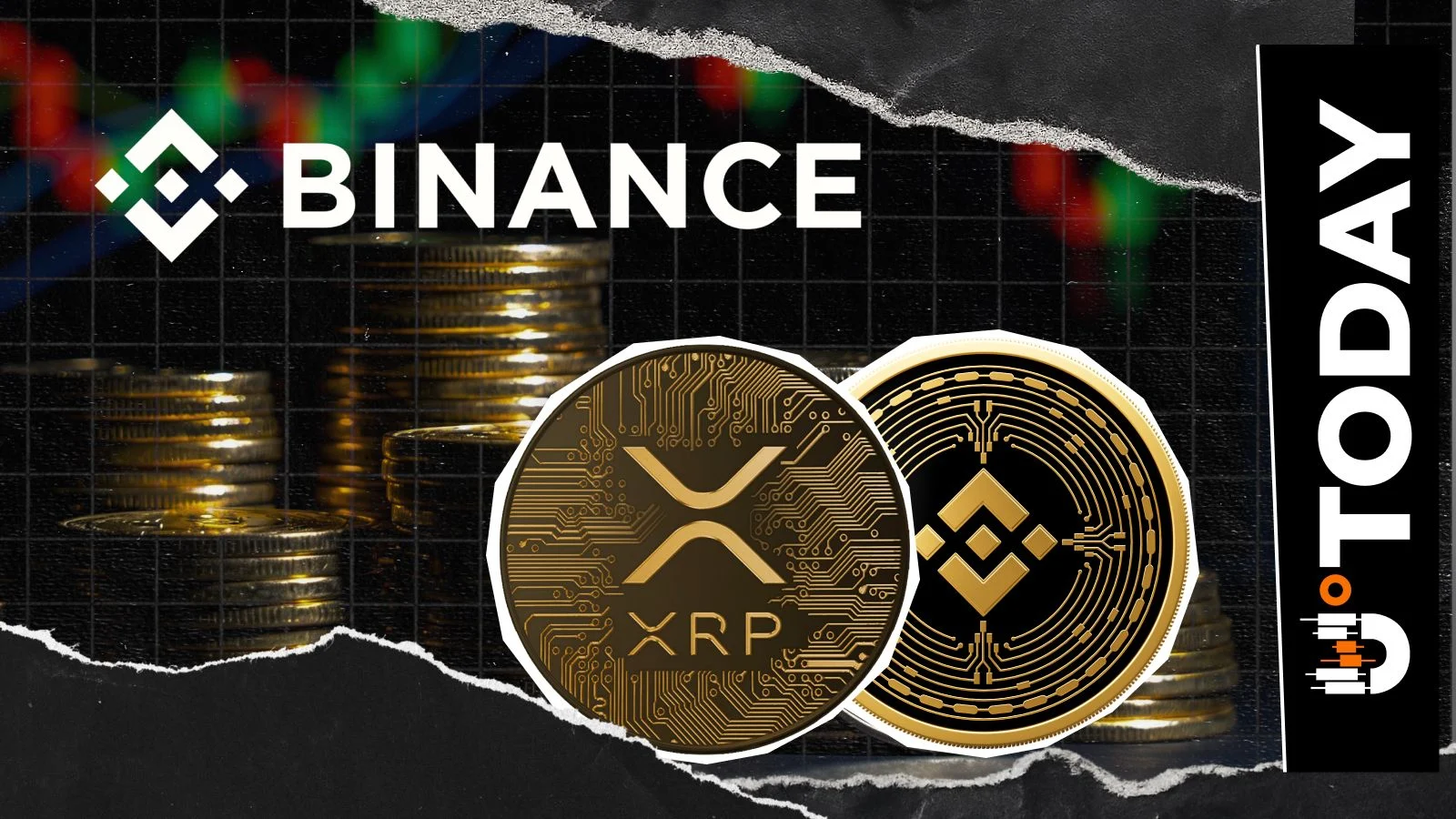
Binance is reducing margin trading options for 14 altcoin pairs, including XRP, AVAX, and ATOM, signaling a move to optimize liquidity and focus on more actively traded pairs. Traders with open leveraged positions in the affected pairs must close them by March 27 to avoid forced liquidation by Binance, highlighting immediate risk management needs. The delisting of these margin pairs suggests a potential decrease in trading volume and liquidity for the affected altcoins on Binance's margin platform, which could impact short-term price action. Binance's decision to streamline its margin offerings indicates a strategic shift towards core trading pairs, potentially impacting the perceived utility and accessibility of less popular altcoins for leveraged trading.
Bitcoin's surge above $71,000, driven by geopolitical de-escalation signals and renewed ETF inflows, indicates strong underlying demand despite mixed technical indicators. The market is reacting to potential shifts in geopolitical tensions, with Bitcoin showing correlation to traditional assets like gold and S&P futures, highlighting its role as a risk-on asset. The US SEC's proposed new rules for cryptocurrencies, alongside resumed ETF inflows, introduce regulatory uncertainty but also signal continued institutional interest, creating a complex trading environment. Despite short-term consolidation signals from technical indicators like ADX, the sustained price action above the 50-day EMA and significant short liquidations suggest bullish momentum may persist.
Cardano's ADA is trading over 91% below its all-time high, indicating significant underperformance relative to the broader crypto market and peers like BNB and HYPE. On-chain data from Santiment suggests that Cardano's current negative MVRV may represent a historical "opportunity zone" with reduced selling pressure, despite recent price declines. Upcoming 2026 protocol upgrades, Van Rossem (April) and Ouroboros Leios (mid-2026), aim to significantly enhance scalability and developer functionality, potentially revitalizing ADA's competitive position. Technical indicators show early signs of potential momentum with RSI recovery and MACD crossover, but price action remains below key moving averages, suggesting a cautious outlook pending a confirmed breakout above $0.27-$0.2750.
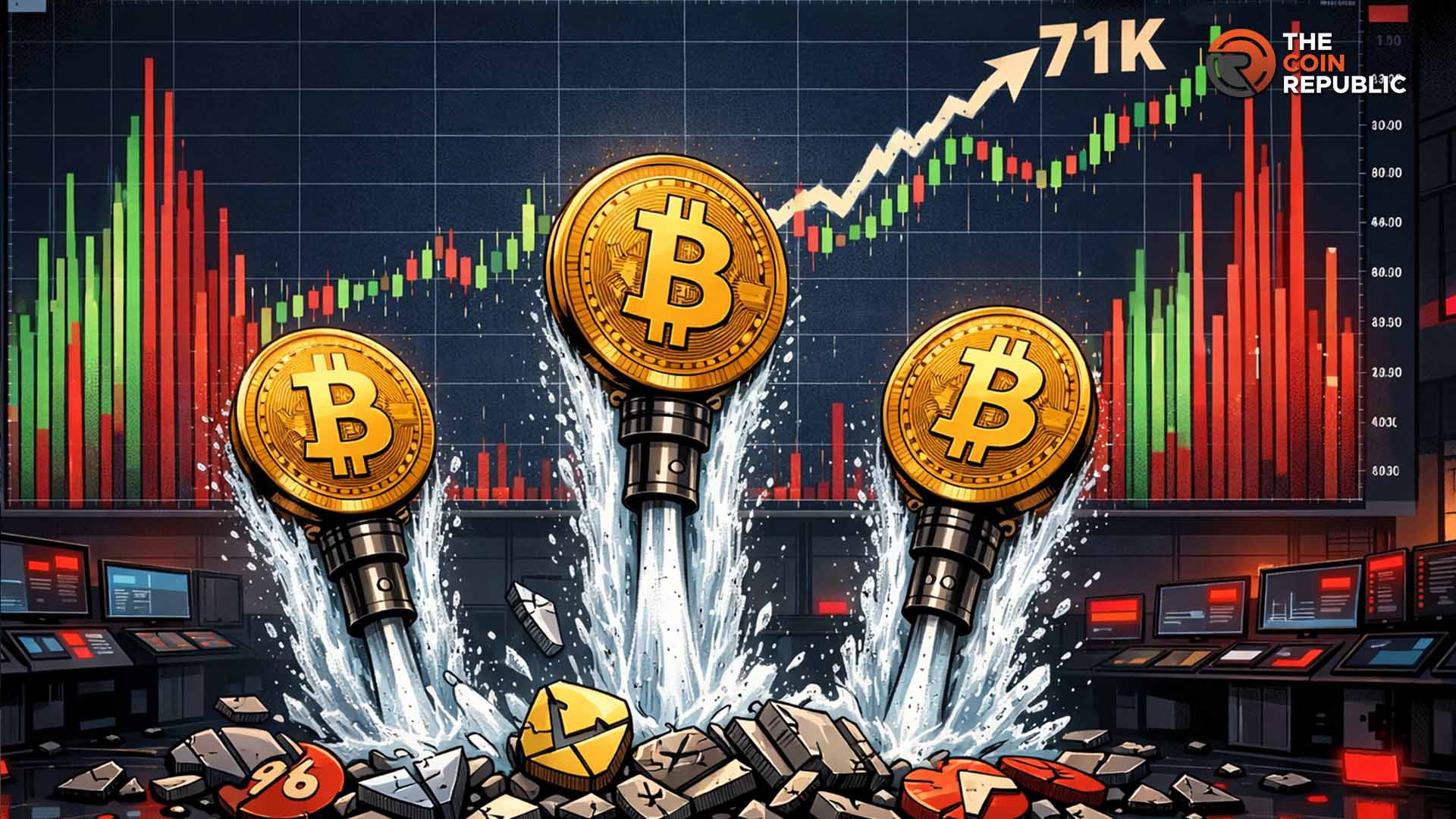
Bitcoin's recent price surge to $71,700 was driven by short liquidations and geopolitical headlines, not underlying spot demand, indicating a fragile rally susceptible to reversals. Declining Binance spot trading volume to its lowest point since September 2023, coupled with negative Coinbase premium data, suggests cooling market activity and weak retail/institutional conviction. Accelerated whale inflow momentum, while historically significant, combined with weak spot demand and high liquidations, points to potential short-term volatility rather than sustainable accumulation. The rally's reliance on derivatives-driven liquidations, evidenced by falling open interest and significant short squeezes, highlights a market structure vulnerable to sharp price swings without sustained organic buying.

Shiba Inu is showing early signs of a potential trend reversal by consolidating and attempting to reclaim the 50 EMA, a key technical indicator for bullish control. While SHIB is exhibiting transitional market behavior, a sustained move above the 50 EMA is required to confirm a trend change, as fakeouts are common, especially for meme coins. The asset's price action remains highly dependent on broader market sentiment, particularly Bitcoin's performance, suggesting that any breakout may be short-lived without overall market strength.

Hyperliquid's launch of an officially licensed S&P 500 perpetual futures contract, achieving $100M in daily volume, signals a significant step towards becoming an on-chain CME, offering continuous hedging opportunities absent in traditional markets. Record active traders and dominant on-chain metrics highlight Hyperliquid's rapid growth and increasing market share in the derivatives space, suggesting strong user adoption and platform utility. The direct link between Hyperliquid's trading volume and HYPE token buybacks, driven by fees from traditional asset derivatives, presents a novel mechanism for token value appreciation, potentially attracting institutional interest and speculative upside. Institutional attention, evidenced by Grayscale's ETF filing for GHYP, indicates growing recognition of Hyperliquid's potential and its integration into traditional finance, which could accelerate adoption and price discovery for the HYPE token.
Bitcoin ETFs are experiencing renewed institutional interest with $167 million in net inflows on March 23, signaling a potential shift in capital allocation towards established digital assets. Ethereum ETFs continue to see outflows totaling $16.2 million, indicating a divergence in institutional sentiment and a preference for Bitcoin's perceived stability over Ethereum's utility-driven narrative. The muted activity in Solana and XRP ETFs suggests that institutional investors are currently favoring Bitcoin and are not broadly increasing exposure to altcoins, highlighting a selective market approach. The observed ETF flow divergence points to a maturing crypto market where institutional capital is deployed with greater precision based on perceived risk and liquidity, rather than broad market enthusiasm.

OKX's launch of equity perpetual swaps using crypto collateral expands access to traditional markets for retail traders, potentially increasing demand for collateral assets like BTC and ETH. The offering provides synthetic exposure to major U.S. equities, allowing 24/7 trading and leveraging crypto assets that can continue to earn yield, a novel approach to bridging traditional and digital finance. This move by OKX, following its investment from ICE, signals a growing trend of crypto exchanges integrating real-world asset exposure, which could drive further innovation in derivatives and tokenized assets.
The rare two-block reorganization on the Bitcoin network near block height 941,880, involving major mining pools, highlights the inherent probabilistic nature of Nakamoto consensus. While a temporary fork occurred, experts confirm such shallow reorganizations are natural and do not indicate a protocol failure or security breach, reinforcing the network's resilience. This event serves as a reminder of the dynamic block discovery process in Proof-of-Work systems, where temporary chain splits are resolved by the longest chain rule, with no immediate market implications.

Aave DAO's near-unanimous vote to advance Aave V4 to mainnet deployment signals a resolution of recent governance tensions, potentially stabilizing contributor relations and paving the way for protocol innovation. The Aave V4 upgrade introduces a modular architecture with 'Hubs' and 'Spokes' to enhance liquidity efficiency and risk management, aiming to support a wider array of financial use cases and new collateral types. Despite recent exits of key contributors like BGD Labs and Aave Chan Initiative due to governance disputes, the strong community backing for V4 suggests a unified path forward for the protocol's development.
Signal context only. Validate with price action, liquidity, and risk limits before taking a position.
