
Navigating Crypto News

CoinFeather
Navigating Crypto News

Quick market read from this story
The launch of an officially licensed on-chain S&P 500 perpetual futures contract on Hyperliquid signifies a major integration of traditional finance benchmarks into crypto infrastructure, enabling 24/7 trading and potentially increasing volatility during off-hours.
This development suggests a growing institutional acceptance of blockchain-based settlement and trading systems, blurring the lines between traditional finance and digital assets and positioning crypto infrastructure as an extension of existing markets.
The associated rise in Hyperliquid's ecosystem activity and HYPE token price indicates that markets are beginning to price in the potential for the platform to become a key venue for tokenized traditional financial products.
Deep Dive
The S&P 500, Wall Street's benchmark index, has been launched on blockchain infrastructure through Hyperliquid, marking a significant integration of traditional finance with crypto. S&P Dow Jones Indices has licensed Trade[XYZ] to create an officially recognized on-chain perpetual futures contract for the index. This product allows eligible non-U.S. investors to trade the S&P 500 24/7, including outside traditional U.S. market hours, offering leveraged exposure to the benchmark at any time.
The announcement has spurred activity within the Hyperliquid ecosystem. Its native token, HYPE, has seen a price increase, nearing the $42.60 mark. Technical indicators, such as the RSI and MACD, suggest strengthening bullish momentum for the token. This performance indicates growing market interest in on-chain derivatives and the potential for Hyperliquid to become a key platform for tokenized financial products, especially those linked to traditional assets.
This move by S&P Dow Jones Indices signifies a strategic effort to expand its benchmarks into digital markets, extending its data and brand into a new distribution layer independent of traditional exchanges. The S&P 500, representing approximately $51.4 trillion in market capitalization, remains near historically high levels, though market concentration, particularly among mega-cap tech firms and companies like Berkshire Hathaway, influences its stability.
Introducing 24/7 trading for a concentrated benchmark like the S&P 500 on-chain could potentially increase volatility during off-hours. However, it also provides global investors with new hedging tools and broader access to U.S. equities without relying on traditional brokerage infrastructure. For crypto markets, this integration signals increasing institutional acceptance of blockchain-based settlement and trading systems, blurring the lines between traditional finance and digital assets.
Source, catalyst, and sector overlap from the latest feed.
The Federal Reserve's decision to hold rates steady and signal only one potential cut in 2026, coupled with elevated inflation and geopolitical risks, creates a challenging near-term environment for risk assets like cryptocurrencies. Despite a broad market selloff, the licensing of S&P Dow Jones Indices to launch a perpetual futures contract on the Hyperliquid blockchain highlights growing institutional interest in leveraging blockchain for traditional finance products, signaling potential future demand. The substantial $5.8 trillion in sidelined corporate cash represents a significant long-term wildcard; if tokenized finance can demonstrate efficiency and yield benefits, a fraction of this capital could flow into crypto, fundamentally altering demand dynamics. The current macro backdrop of 'higher for longer' interest rates and persistent inflation, exacerbated by oil price volatility and geopolitical tensions, suggests that crypto markets will likely remain under pressure until clearer signals for monetary easing emerge.
Bitcoin's current price action at $71,350, below critical $77K resistance, indicates a consolidation phase rather than a collapse, with the next significant move contingent on breaking this key level. Historically low consumer sentiment, as measured by the University of Michigan Consumer Sentiment Index, has preceded Bitcoin bottoms, suggesting that smart money may be accumulating while retail sentiment is low. The $77K level is identified as a crucial inflection point; a break above signals a bull continuation, while failure to do so suggests a potential shakeout, highlighting the immediate directional uncertainty for traders. While low sentiment historically favors gold and can precede Bitcoin bottoms, equities tend to rally before sentiment improves, implying that Bitcoin's price action may diverge from traditional markets in the short term.
Hotter-than-expected US PPI data for February indicates persistent inflation, pushing back expectations for Federal Reserve rate cuts and negatively impacting risk assets like cryptocurrencies. The Federal Reserve is now likely to maintain current interest rates for longer, with potential cuts delayed until late 2026, creating a less favorable macro environment for speculative investments. Crypto markets, including Bitcoin and Ethereum, are experiencing price drops as traders react to the hawkish implications of the inflation data and anticipate a more cautious stance from the Fed. The sustained rise in producer prices, particularly in goods and energy, suggests that inflationary pressures are not abating, which could lead to a more hawkish outlook from the Fed and further downside for crypto.
The TRUMP memecoin rally is driven by a highly concentrated ownership structure, with the top 10 wallets controlling over 91% of the supply, indicating that price action is dictated by a small group of holders. The recent price surge coincided with an increase in large wallet accumulation and anticipation of a Mar-a-Lago event, suggesting the market may have already priced in the news before retail awareness. Despite a recent price increase and bullish technical indicators, the concentrated ownership and historical "sell the news" pattern from a similar past event pose significant risks for sustained upside. Regulatory scrutiny from the proposed MEME Act and ethical concerns surrounding the Mar-a-Lago event add a layer of political risk that could impact future price action for the TRUMP memecoin.
The SEC and CFTC's joint MOU and XRP's classification as a digital commodity removes significant regulatory uncertainty, potentially unlocking institutional capital and clearing a path for new financial products. XRP's flip of BNB for the #4 market cap position, coupled with renewed ETF inflows, signals a strong shift in market sentiment and capital allocation towards the asset following the regulatory clarity. The regulatory decision to classify XRP as a commodity, alongside Bitcoin and Ethereum, suggests a broader shift in how established cryptocurrencies are viewed by regulators, potentially impacting other assets. Improved technical indicators, including a bullish MACD crossover and RSI in positive territory, combined with the fundamental catalyst, suggest potential for further upside if key resistance levels are breached.
S&P Dow Jones Indices licensing its S&P 500 perpetual futures for Hyperliquid signifies a growing trend of traditional financial benchmarks being integrated into decentralized derivatives platforms. The introduction of officially licensed S&P 500 perpetual futures on Hyperliquid expands on-chain derivative offerings beyond cryptocurrencies, potentially attracting new user bases and capital to DeFi. This development, alongside similar initiatives from major exchanges, highlights the increasing maturity of the derivatives market and the convergence of TradFi and crypto.
The licensing of the S&P 500 index to Trade[XYZ] for perpetual futures on Hyperliquid signifies a growing trend of traditional finance assets being tokenized and made available on decentralized exchanges. This development, occurring alongside potential US regulatory frameworks for perpetual futures, could attract more institutional interest and capital into the on-chain derivatives market, potentially increasing trading volumes for RWA-linked products. While RWA derivatives currently represent a smaller portion of Hyperliquid's volume compared to crypto and commodities, this official licensing agreement for a major US index suggests a strategic expansion beyond purely crypto-native assets.
XBTFX's launch of gold-denominated MT5 accounts, integrating Tether Gold (XAUT) for funding and trading, offers a specialized infrastructure for gold-focused traders seeking to align their capital with their primary asset. The new system streamlines the trading workflow by allowing direct deposit of XAUT, conversion to XAU balances, and funding of MT5 ECN accounts in gold terms, reducing friction for users who prefer not to convert to fiat. This development enhances the trading experience for gold traders by providing a gold-based account structure with specific parameters like spreads, leverage, and lot size, directly within the MT5 ecosystem. The integration of tokenized gold (XAUT) as a direct funding source for gold-denominated trading accounts represents a niche but potentially significant step in bridging digital assets with traditional commodity trading.
The launch of a licensed S&P 500 perpetual on Hyperliquid signifies a significant step in bridging traditional finance with decentralized derivatives, potentially attracting new capital and user bases to the platform. The HYPE token's recent price appreciation, coupled with Hyperliquid's rise to third-largest by staking market cap, suggests growing investor confidence and network adoption driven by these RWA integrations. Continuous 24/7 trading access for the S&P 500 perpetual on Hyperliquid offers a distinct advantage over traditional markets, enabling real-time reaction to global economic events and potentially increasing trading volume.
FTX's bankruptcy trust is distributing $2.2 billion to creditors, marking a significant step in asset recovery for users affected by the exchange's collapse. The fourth distribution will bring certain creditor classes to full or near-full recovery, signaling progress in resolving claims from the 2022 exchange failure. FTX is also preparing to make its first payments to preferred equity holders later this year, indicating a multi-stage resolution process for all stakeholders.
Arizona's criminal charges against Kalshi represent a significant escalation in the ongoing federal-state jurisdictional dispute over prediction markets, moving beyond civil actions to criminal prosecution. The CFTC's public statement calling the prosecution 'entirely inappropriate' signals potential federal intervention or support for Kalshi, highlighting a direct conflict between state regulatory ambitions and federal oversight of event contracts. This legal battle, involving multiple states, could set a precedent for how prediction markets are regulated, potentially impacting the growth and accessibility of platforms like Kalshi and Polymarket, which dominate the sector.
Ethereum is outperforming Bitcoin despite geopolitical tensions, driven by strong institutional inflows into spot ETH ETFs and new yield-generating products like BlackRock's ETHB ETF. The ETH/BTC ratio's rise suggests capital is flowing into Ethereum-specific themes and network activity rather than a general flight to crypto as a safe haven from macro risks. Ethereum's monetary policy, with a lower annualized supply growth rate than Bitcoin post-halving, is increasingly being recognized as tighter, supporting its relative strength. Increased network activity, record gas per second, and significant settlement volume in tokenized real-world assets (RWAs) on Ethereum are fundamental drivers of its current outperformance.
Live Feed
Loading the broader stream in the same flow as the homepage feed.

Bitcoin’s pre-FOMC sell-off eased as the US Federal Reserve's choice to leave interest rates unchanged was followed by a swift bounce in BTC price.
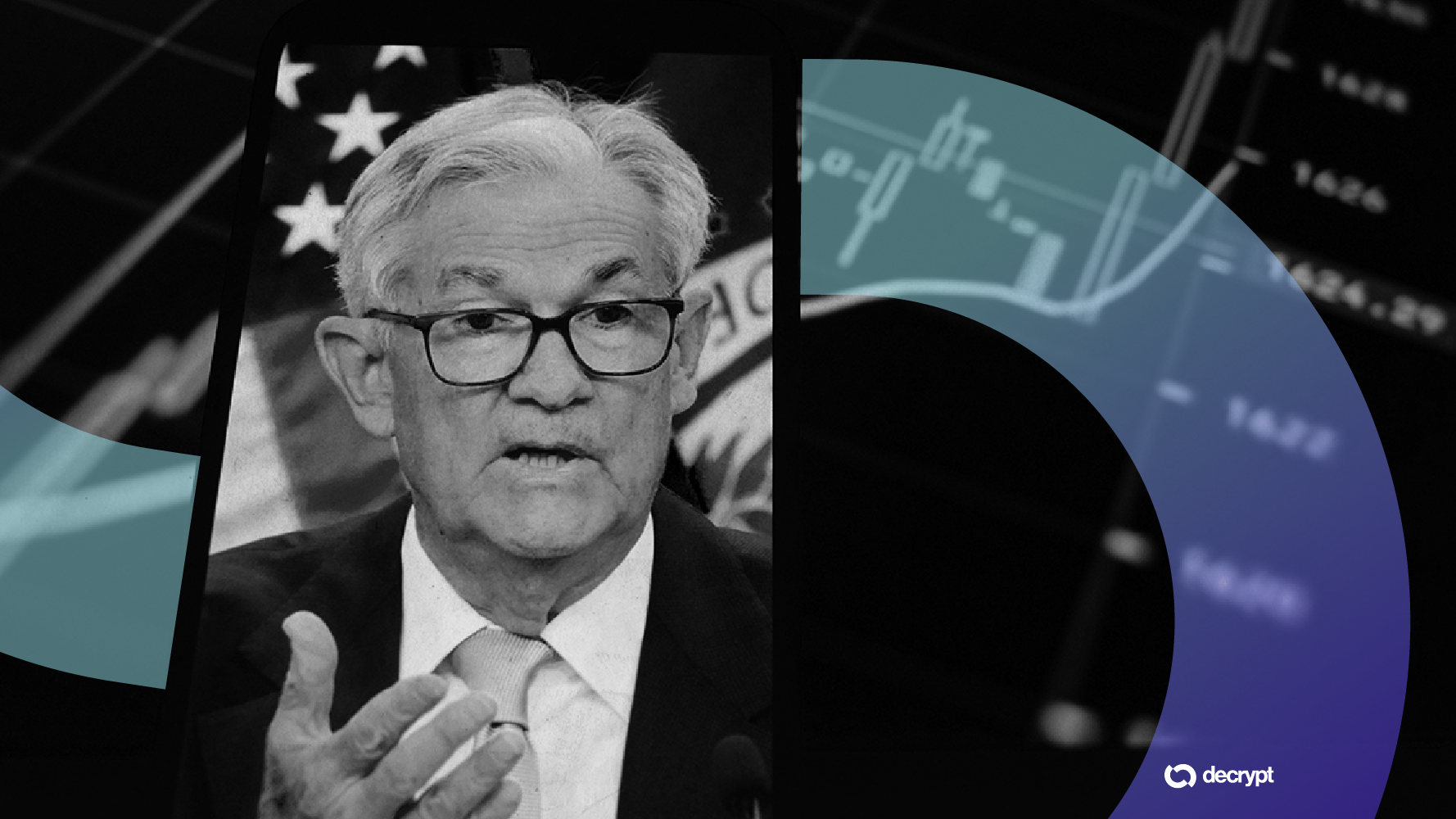
The Federal Reserve's decision to hold interest rates steady, despite a split FOMC vote, signals continued caution regarding inflation and economic stability, which may temper risk-on appetite in crypto markets. Persistent inflation concerns and geopolitical uncertainty from the Middle East are creating a complex macro environment, suggesting that Bitcoin and Ethereum may continue to experience volatility as traders assess the Fed's data-dependent approach. While the Fed's stance is neutral for now, the mention of potential rate cuts by some FOMC members and the ongoing inflation battle present a mixed outlook, implying that significant price action for major cryptocurrencies will likely depend on future economic data releases.
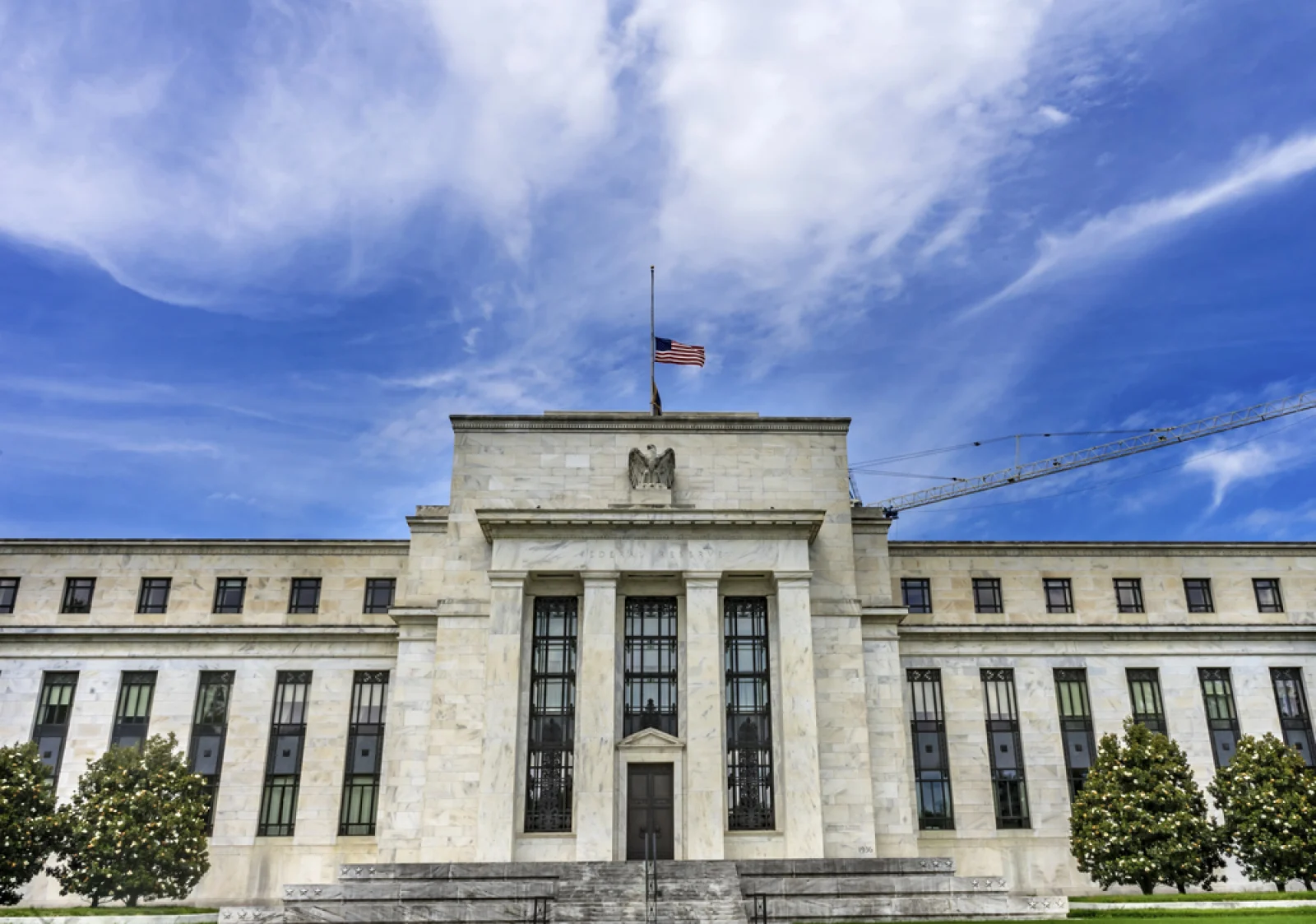
The Federal Reserve's decision to hold interest rates steady and signal fewer rate cuts than anticipated presents a headwind for risk assets like Bitcoin by maintaining elevated capital costs. Despite the 'higher for longer' rate environment, Bitcoin's narrative as a hedge against fiat debasement could be reignited by the Fed's acknowledgment of 'sticky' inflation, creating a dual market dynamic. The FOMC's hawkish dot plot, projecting minimal to no rate cuts in 2026 and a revised higher long-run terminal rate, suggests a prolonged period of tighter monetary conditions impacting crypto market liquidity.

The Federal Reserve's decision to hold interest rates steady, coupled with expectations of no cuts this year, signals a persistent 'higher for longer' monetary policy environment. Persistent inflation concerns, exacerbated by geopolitical events like the Iran conflict, suggest that the era of cheap liquidity may be ending, potentially capping returns and increasing volatility across asset classes including crypto. Bitcoin's sharp decline ahead of and following the Fed's announcement indicates a negative market reaction to the unchanged policy and ongoing inflation pressures, suggesting potential near-term downside risk.

Elevated inflation data, specifically a higher-than-expected PPI reading, has led prediction market participants to significantly reduce their expectations for a crypto spring rally. The shift in sentiment on the Myriad prediction market, with 'crypto spring' chances falling below 50%, reflects a growing concern among traders that sustained high energy costs could keep interest rates elevated, negatively impacting risk assets like cryptocurrencies. The decline in major cryptocurrencies like BTC, ETH, SOL, and BNB following the PPI report suggests a near-term bearish bias, as traders price in a lower probability of Fed rate cuts and a less favorable macro environment for risk assets.

Robert Kiyosaki's prediction of $750,000 Bitcoin implies a significant devaluation of fiat currency, but the actual purchasing power will depend on inflation rates for essential goods and services. Despite a high nominal price target, Kiyosaki's analysis suggests Bitcoin may underperform gold relative to historical ratios, indicating a potential shift in perceived store-of-value dominance. Kiyosaki's history of predicting market crashes without consistent accuracy suggests this forecast should be viewed with caution, as it lacks strong empirical backing for timing or magnitude. The prediction, while bullish on the nominal BTC price, is framed within a broader economic collapse narrative, suggesting that even a high BTC price might not translate to improved individual financial standing if living costs soar.

A circulating chart claims retail XRP purchases fund Ripple Labs' corporate activities and shareholder value, challenging the token's utility narrative. Disputed data points regarding RLUSD issuance and stablecoin market share suggest the chart's core argument against XRP's relevance may be factually flawed. The underlying debate about Ripple's use of XRP proceeds for corporate benefit versus token holder utility remains a legitimate market concern, irrespective of specific chart inaccuracies.
The Clarity Act faces a critical legislative window, with a Senate Banking Committee markup scheduled for April and a hard deadline of May for passage, after which future legislative opportunities are deemed unlikely. Significant bipartisan hurdles remain, including disputes over stablecoin yield and potential carve-outs for DeFi, which could derail the bill's progress despite Republican efforts. The potential passage of the Clarity Act could legalize most crypto activities in the US, providing a clearer regulatory framework and preventing future administrations from unilaterally banning such activities.

The Iran war's impact on global energy markets is shifting the paradigm from price-driven trade to energy security, potentially creating a permanent 'inflation floor' that limits central bank liquidity. This structural shift implies a move away from ultra-easy monetary policies, which historically fueled asset price appreciation, suggesting investors should prepare for constrained liquidity and increased market volatility. The geopolitical focus on energy independence will likely lead to de-globalization in energy markets, prioritizing control over cost and resulting in higher prices and fragmented supply chains globally.

Senator Lummis indicates significant progress on the US digital asset market structure bill, with a potential April markup planned, suggesting a near-term catalyst for regulatory clarity. The primary hurdle, stablecoin yield, appears close to a compromise, which could unlock broader agreement on the bill, impacting stablecoin issuers and the broader DeFi ecosystem. Despite optimism, the bill's passage is still contingent on resolving issues like money transmitters and asset classification, with the upcoming midterms adding a layer of political uncertainty.

A sophisticated phishing campaign is impersonating the new Pudgy World game, targeting users with fake wallet interfaces to steal credentials, highlighting ongoing security risks in the gaming and NFT space. The attack's detailed wallet UI forgeries suggest a well-resourced threat actor, indicating a persistent and evolving threat landscape for crypto-related scams targeting digital asset holders. While the direct financial impact on Pudgy Penguins or its users is currently unknown, such phishing attempts underscore the critical need for enhanced user education and security protocols within the broader crypto ecosystem.
Signal context only. Validate with price action, liquidity, and risk limits before taking a position.
