
Navigating Crypto News

CoinFeather
Navigating Crypto News
Quick market read from this story
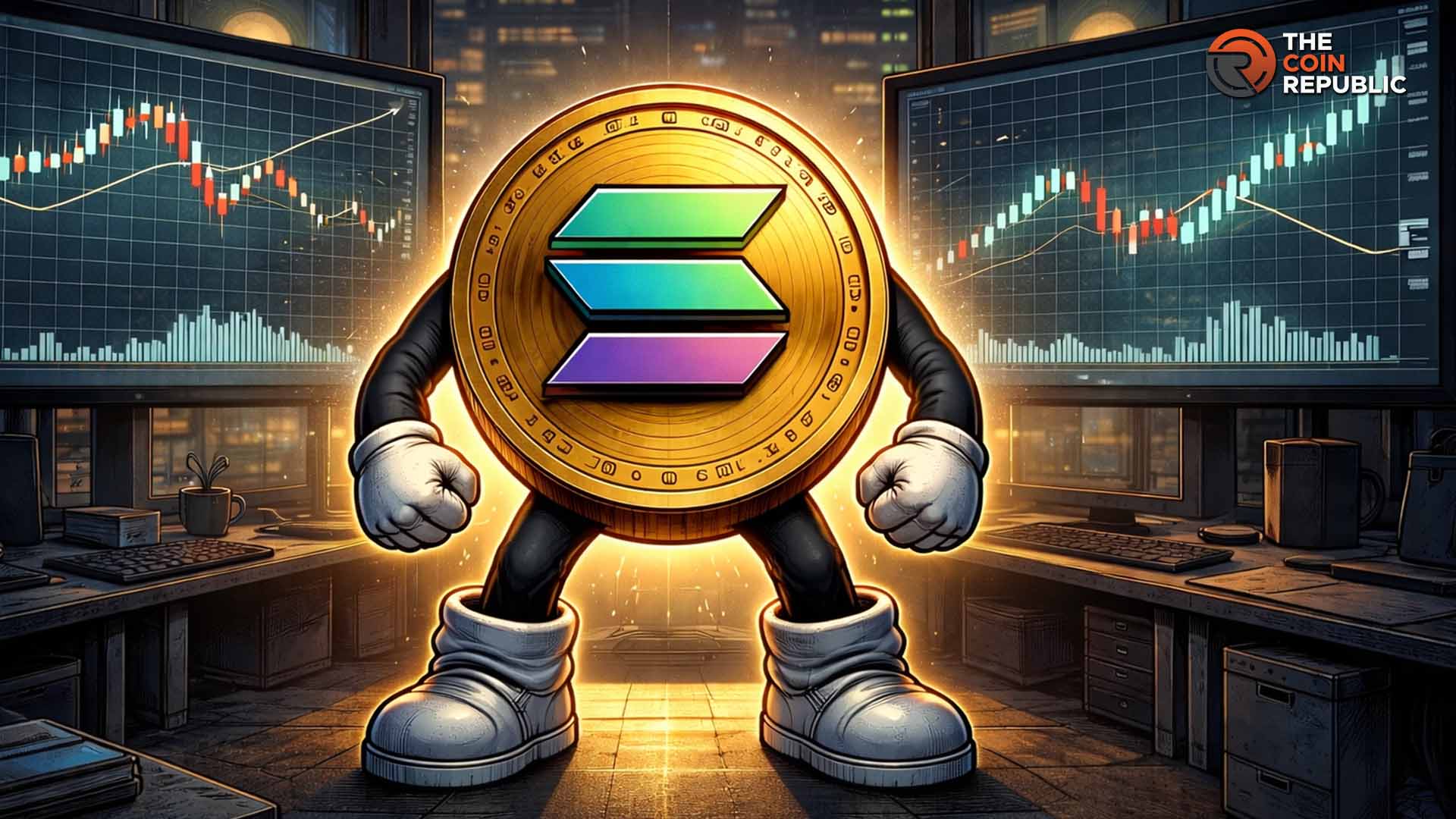
Solana's price is exhibiting a Bollinger Bands squeeze, indicating a period of low volatility that historically precedes significant price movements, suggesting a potential breakout is imminent.
Elliott Wave analysis supports a bullish outlook for Solana, suggesting the completion of a corrective phase and the commencement of a strong upward impulse wave, potentially targeting higher price levels.
Consistent inflows into Solana ETFs, totaling $957.2 million, signal renewed institutional confidence and provide underlying support for SOL's price, despite recent fluctuations.
Deep Dive
Solana (SOL) is showing strong indicators for a potential price breakout, with technical analysis pointing towards an upside rally and institutional investors continuing to show confidence through ETF inflows. The cryptocurrency is currently consolidating around $85.9, with a recent 0.6% price increase over the past 24 hours.
Crypto analyst Ali Martinez highlighted that Solana's price action on the daily chart exhibits a Bollinger Bands squeeze around $86.4. This technical pattern, where the bands contract due to low volatility, suggests that significant market tension is building and a substantial price move is imminent. Historically, a Bollinger Bands squeeze can precede a rapid price increase of up to 10%. Solana has already seen a green candle break above the upper band, pushing its intraday high to $86.75 and its market cap to $48.9 billion.

Further bolstering the bullish outlook, market analysis platform More Crypto Online suggests that Solana may be aligning for an upside breakout based on Elliott Wave Analysis. This technical approach assumes market prices move in repetitive cycles driven by investor psychology. The platform's analysis indicates that Solana might be completing a corrective phase and preparing to enter a strong impulsive upward wave, potentially wave 3 or 5. Such a move could target prices as high as $145, based on earlier predictions.

The positive technical signals are complemented by continued institutional interest in Solana through spot ETFs. Since their launch, these ETFs have attracted significant capital, demonstrating investor confidence despite SOL's price volatility. As of March 11, Solana ETFs have accumulated a total net inflow of $957.2 million, with approximately 1.6% of Solana's total market cap now held institutionally. Recent data from SoSoValue shows that SOL ETFs recorded $1.66 million in net inflows on March 11, reversing a four-day trend of outflows. Bitwise's BSOL led with over $3.15 million in inflows, while Grayscale's GSOL experienced outflows of $1.49 million. This renewed inflow is interpreted by analysts as smart money returning to the market as Solana's price stabilizes.
Source, catalyst, and sector overlap from the latest feed.
The minting of $1 billion USDT on Tron signifies robust demand for stablecoins, indicating increased liquidity and potential for heightened trading activity across crypto markets. Tron's growing dominance as the primary network for USDT transactions, surpassing Ethereum by $8 billion, highlights its efficiency and cost-effectiveness for large-scale stablecoin movements. Increased USDT supply, particularly on efficient networks like Tron, suggests underlying market strength and provides traders with ample liquidity for both spot and derivative markets. The continued expansion of Tether's supply, driven by demand from exchanges, reinforces its market leadership and its critical role in facilitating global crypto transactions.
MyBookie.ag, a sports betting and casino platform established in 2014, has expanded its offerings to include prediction markets, potentially attracting a new segment of users interested in betting on non-sporting events. The platform's integration of diverse cryptocurrency payment options, including BTC, ETH, SOL, and DOGE, alongside traditional methods, enhances accessibility for a broader user base and signals a continued trend of crypto adoption in the online gambling sector. MyBookie.ag's comprehensive review details various bonuses and features like live betting, early cashout, and a loyalty program, indicating a focus on user retention and engagement within the competitive online betting market.
XRP price is consolidating within a 34-day range, with key support at $0.87 and resistance at $1.65, indicating a lack of immediate directional conviction from traders. Ripple's collaboration with Mastercard through the Crypto Partner Program signals broader industry integration, potentially boosting adoption of blockchain for payments. Potential regulatory classification of XRP as a financial product, particularly in Japan, could hinder its utility as a fast, low-cost bridge currency, posing a risk to its core use case. The prolonged consolidation suggests a market pause before a significant move, with a breakout above $1.65 or breakdown below $0.87 likely to dictate the next trend.
Hyperliquid's HYPE token experienced a significant price surge driven by a substantial increase in RWA trading volume, indicating growing market interest in tokenized real-world assets on the platform. The platform's unique model, where 97% of protocol revenue is used for HYPE token buybacks, combined with a permissionless listing system, positions it for potential future growth and price appreciation, as suggested by Arthur Hayes' $150 price target. Industry figures like Bitwise CIO Matt Hougan have highlighted Hyperliquid's operational advantage of 24/7 trading, especially during periods of global market uncertainty, underscoring its utility and potential to capture trading flow. The combination of increased trading volume, positive analyst sentiment, and a unique tokenomics model suggests a strong near-term bullish outlook for HYPE, supported by its growing role in the RWA derivatives space.
Geopolitical uncertainty stemming from the US-Iran conflict is creating broad market pressure, impacting crypto assets like Bitcoin and Ethereum despite minor short-term gains. Rising oil prices, directly linked to the escalating US-Iran tensions, are a significant driver of volatility across traditional and digital asset markets. While major cryptocurrencies show mixed short-term price action, the underlying sentiment remains cautious due to the unpredictable geopolitical landscape. Traders should monitor the evolving US-Iran situation as it presents a clear macro risk factor influencing crypto market direction and risk appetite.
Ethereum ETFs are showing renewed momentum with significant inflows, particularly from Fidelity and BlackRock, suggesting increasing institutional confidence and potential for price appreciation as staking capabilities are explored. Bitcoin ETFs continue to lead institutional demand with consistent inflows, reinforcing BTC's market dominance and providing a stabilizing force for its price around the $70,000 level. Solana ETFs are attracting early but steady institutional interest, indicating a growing diversification trend beyond BTC and ETH as investors recognize the potential of high-performance blockchains. XRP investment products are experiencing modest outflows, highlighting a divergence in institutional capital allocation and suggesting a cautious approach towards assets facing regulatory or market-specific headwinds.
Ethereum's spot ETFs are experiencing significant institutional inflows, outperforming Bitcoin's on March 12th, which suggests growing institutional confidence in ETH as a distinct investment vehicle beyond BTC. The sustained positive net inflows for both ETH and BTC ETFs indicate a broader trend of traditional finance capital entering the digital asset sector, potentially supporting prices across major cryptocurrencies. While ETH shows strong performance driven by ETF flows, Bitcoin's price action is characterized by a 'modest' accumulation cluster, suggesting that while buying pressure exists, the conviction for a near-term breakout is still developing.
BlackRock's new staked ether ETF (ETHB) has demonstrated strong initial market reception, trading over $15 million on its first day, indicating investor appetite for yield-generating crypto products. The launch of ETHB signifies a potential shift in crypto ETFs from passive exposure to income-generating instruments, as it leverages Ethereum's staking rewards. This development could pave the way for similar yield-focused ETFs on other proof-of-stake networks, expanding the product suite for traditional investors in the digital asset space. With a 0.25% sponsor fee (temporarily discounted), ETHB offers a competitive entry point for investors seeking exposure to ETH and its staking yield, potentially influencing demand for ETH itself.
NEAR Protocol's price is projected to see significant growth, with predictions suggesting a potential surge to $71.78 by 2030, driven by strong fundamentals and increasing adoption. The integration of NEAR with Solana and TON via Chain Signatures, coupled with positive on-chain data and potential institutional interest signaled by ETF filings, indicates a bullish outlook for the token. Traders should monitor the $2.00 resistance level as a key indicator for a potential breakout towards higher targets, while the $1.00-$1.25 support zone offers strategic entry points.
Derivative market data indicates professional traders assign less than a 17% probability for Bitcoin to breach $78,000 by March 27, suggesting a lack of conviction for a near-term breakout. Despite recent spot Bitcoin ETF inflows, net outflows from previous days have not been fully offset, indicating that institutional demand has not yet shifted overall market sentiment decisively upwards. Broader economic concerns, including geopolitical tensions and weaker-than-expected US jobs data, are contributing to cautious market sentiment, tempering bullish expectations for Bitcoin. While professional traders are hesitant about an immediate $78K surge, the continued institutional interest and potential for further ETF inflows suggest underlying support, implying a longer-term outlook for significant price appreciation.
Bitcoin has demonstrated significant resilience, outperforming traditional macro assets like the S&P 500, Nasdaq, gold, and silver since the onset of geopolitical tensions in the Middle East. Despite upcoming US inflation data (PCE Index) and ongoing geopolitical concerns, Bitcoin's price has pushed above $72,000, indicating a potential 'geopolitical stress test' is being passed. While conviction is building among Bitcoin holders, on-chain analysis suggests the foundation for a sustained mid-term breakout is still developing, implying a cautious approach to immediate upside potential. Market participants are closely watching US inflation data and Federal Reserve policy expectations, which could introduce volatility despite Bitcoin's current strength.
Bitcoin demonstrates resilience above $71,000 despite a strengthening dollar, rising bond yields, and elevated oil prices, suggesting a potential decoupling from traditional macro pressures. The asset's outperformance in the face of geopolitical tensions and tightening financial conditions indicates strong underlying demand or a flight to perceived safe-haven assets within the crypto market. While macro headwinds persist, Bitcoin's ability to hold key levels may signal continued bullish momentum, especially if these external pressures begin to abate.
XRP's price has broken above the $1.40 resistance level, supported by a significant 12.92% increase in trading volume to $2.63 billion, indicating renewed market interest. The recent partnership between Ripple and Mastercard is cited as a potential driver for XRP's renewed interest and price surge, aiming to accelerate digital asset adoption. With bullish sentiment and a golden cross on its hourly chart, XRP could retest $1.50 and potentially target $2 if support at $1.40-$1.42 holds and volume remains strong. A sustained close below $1.39 would invalidate the current bullish breakout scenario for XRP, suggesting a potential reversal.
Live Feed
Loading the broader stream in the same flow as the homepage feed.
Shiba Inu has broken a local resistance level, indicating a potential short-term recovery after a prolonged downtrend. The breakout was supported by a significant increase in trading volume (1.75 trillion SHIB), suggesting increased market participation and validating the move. Despite the breakout, SHIB remains below key moving averages, and a sustainable recovery is not yet confirmed, warranting caution. The increased volume provides a basis for potential stabilization and a move into a wider consolidation phase, but buyer control will be crucial.

A reported leak of Sweden's e-government platform source code, attributed to the threat actor ByteToBreach, raises concerns about potential follow-on risks to public-facing systems. While CGI Sverige claims production data was unaffected, the incident highlights vulnerabilities in government IT infrastructure and the potential for attackers to exploit leaked code for future attacks. The incident, linked to a prior breach of Viking Line, suggests a coordinated campaign targeting Swedish and European infrastructure, underscoring a broader trend of increasing cyber threats against public services.

Vitalik Buterin clarified his handling of a 500 trillion SHIB donation, revealing he sold most for ETH to fund significant donations and burned a portion, impacting SHIB's circulating supply narrative. The disclosure provides transparency on a large historical SHIB transaction, potentially influencing community sentiment and reinforcing the token burn narrative for SHIB. Buterin's strategic sale and donation of SHIB, which unexpectedly yielded $500 million instead of the projected $10-25 million, highlights the unpredictable nature of meme coin valuations and their potential for philanthropic use.
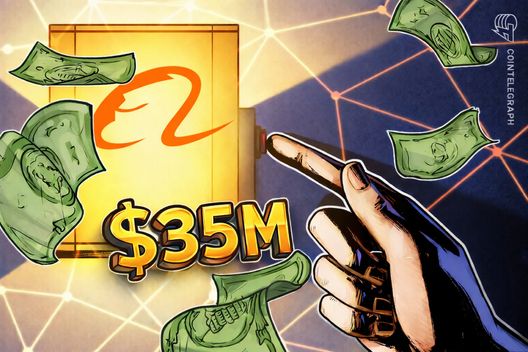
Alibaba's investment in MetaComp signals growing institutional interest in regulated stablecoin infrastructure for cross-border payments, particularly in Asia. MetaComp's $35 million funding, including backing from Alibaba, will fuel the expansion of its StableX Network globally, aiming to integrate fiat and stablecoin payment systems. Despite China's strict regulations on stablecoin issuance, Alibaba's participation suggests a strategic exploration of stablecoin-related technologies for international transactions.

A historical macro model based on US and China 10-year bond yields is flashing a bullish crossover, suggesting Bitcoin may be nearing a market bottom. Accumulation by Bitcoin whales holding 1,000-10,000 BTC mirrors past cycles, reinforcing the potential for a significant price recovery. Bitcoin's technical indicators, including holding the 100-week SMA and an oversold RSI, suggest a rebound toward $100,000 is plausible in the coming months. While bullish signals are present, failure to break above the $78,000 resistance level could indicate a bull trap, warranting caution.

Vitalik Buterin's distancing from the Future of Life Institute signals a divergence in approach to AI risk management, potentially impacting how large donations are perceived and utilized in the philanthropic crypto space. The Future of Life Institute's successful liquidation of approximately $500 million in SHIB tokens highlights the significant market depth and volatility of meme coins, even for non-traditional market participants. Buterin's concerns about "authoritarian and fragile" political action with large capital pools suggest a cautious outlook on centralized influence in decentralized technology development.
IKEA's unique foundation-based ownership structure is intentionally designed to maintain long-term independence and avoid short-term market pressures, making a public IPO highly unlikely in the foreseeable future. Despite its global scale and strong brand recognition, IKEA's private status means there is no direct investment opportunity, limiting potential market impact from its operational performance. Investors seeking exposure to the furniture and home retail sector must consider publicly traded competitors or broad consumer retail ETFs as indirect investment avenues.

Bittensor's recent AI breakthroughs, including Covenant-72B and Astrid Arena, signal a maturing decentralized AI infrastructure, potentially driving increased network utility and TAO token demand. Technical indicators like the rising Accumulation/Distribution line and RSI suggest strengthening bullish momentum, supporting a potential price recovery towards previous resistance levels. The market is evaluating whether Bittensor's advancements represent a sustainable infrastructure shift or a temporary proof-of-concept, creating a near-term catalyst for price discovery.

Alibaba's significant $35 million investment in MetaComp signals growing institutional interest in the convergence of traditional finance and tokenized assets, potentially validating the RWA sector. MetaComp's focus on hybrid payment and wealth management solutions, coupled with key Singapore licenses, positions it as a regulated player in the digital asset space, suggesting a pathway for broader adoption of tokenized financial products. The funding round, led by a major e-commerce entity, indicates a potential shift towards integrating digital asset services into mainstream financial and commerce ecosystems, impacting traditional financial institutions and crypto platforms alike.
The XRP price prediction of $100 is mathematically unfeasible given its current market cap and the total crypto market size, suggesting a significant disconnect between holder expectations and market realities. Mastercard's integration of Ripple into its payment network validates XRP's utility but has not translated into substantial price appreciation, indicating that adoption alone may not be a sufficient catalyst for major price movements. Pepeto is being positioned as a high-return alternative to XRP, leveraging a co-founder's past success and a revenue-sharing exchange model, with a Binance listing cited as a near-term catalyst for significant upside. The article contrasts the speculative XRP price targets with the tangible infrastructure and revenue-sharing model of Pepeto, suggesting that projects with clear utility and revenue generation may offer more predictable returns than assets with unachievable price predictions.
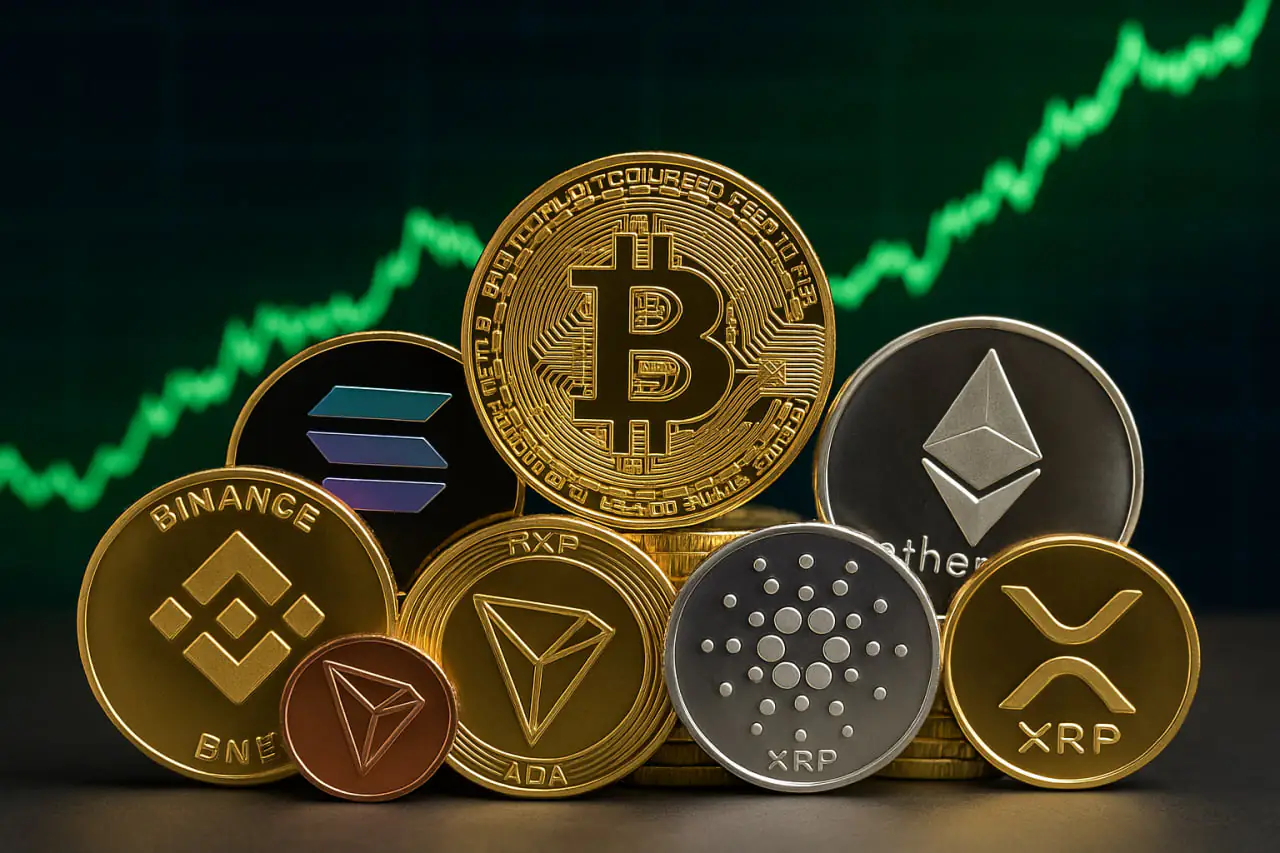
Bitcoin's stabilization above $71,000 suggests consolidation, potentially setting the stage for further upside if key psychological levels are maintained. Despite overall market cap growth, cautious sentiment persists, indicated by a low Fear & Greed Index, suggesting traders are awaiting clearer macro or regulatory signals before committing significant capital. While Bitcoin shows stability, selective altcoins and meme coins are exhibiting strength, though the Altcoin Season Index remains below the threshold for a broad altcoin rally, indicating continued Bitcoin dominance. The market is in a consolidation phase, with potential catalysts like ETF inflows, regulatory clarity, and macro shifts expected to drive the next significant price movement.
Alibaba's lead in MetaComp's $35M funding round signals strong institutional interest in Web2.5 financial infrastructure, potentially driving adoption of hybrid payment solutions. MetaComp's expansion plans for its StableX Network and AI-based financial architecture indicate a strategic move to capture growing demand for faster cross-border settlements and automated financial services. The company's regulatory licenses from MAS and reported profitability in 2025 suggest a robust operational framework, positioning MetaComp as a potentially stable player in the evolving fintech landscape.
Signal context only. Validate with price action, liquidity, and risk limits before taking a position.
