
Navigating Crypto News

CoinFeather
Navigating Crypto News
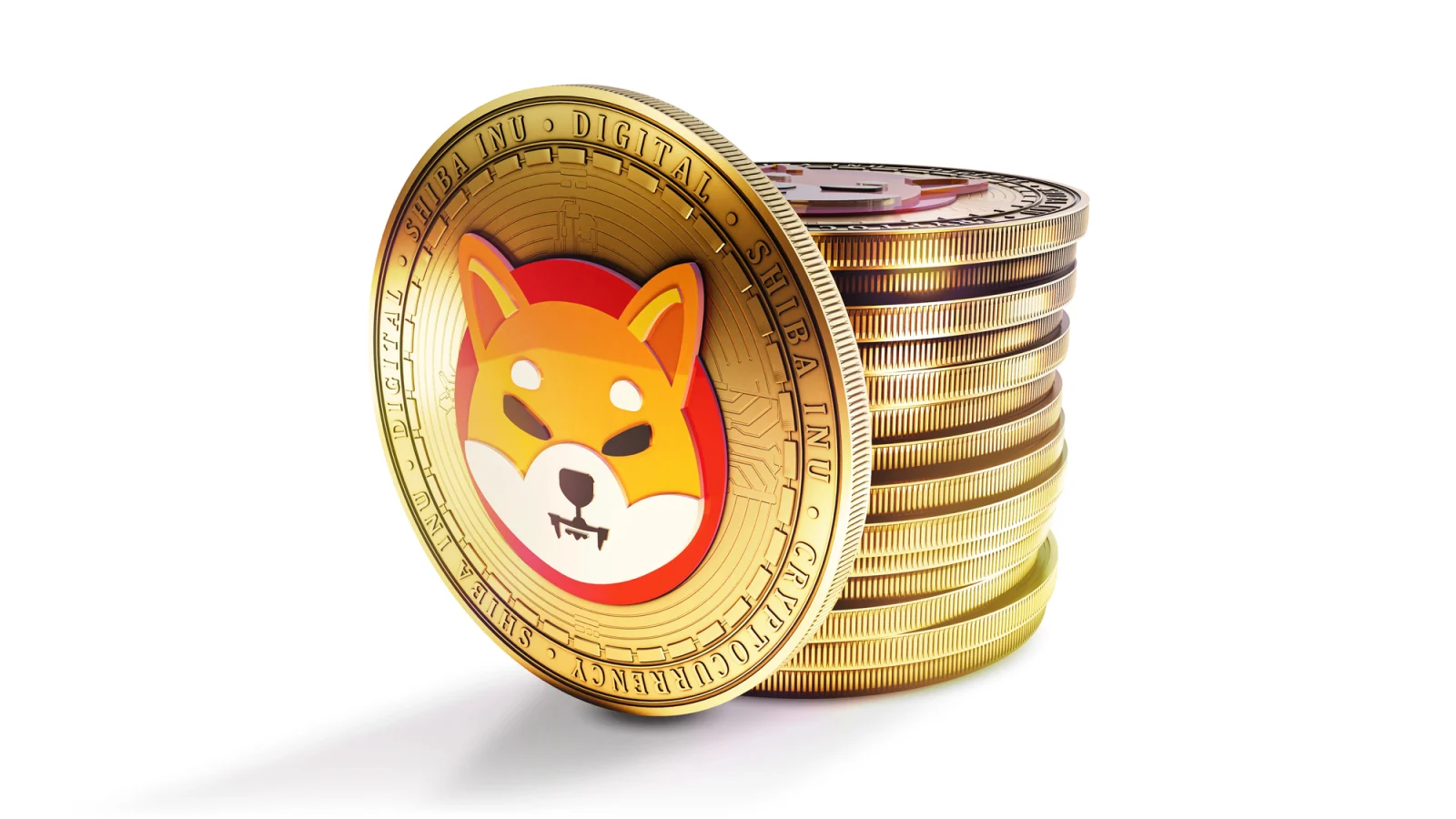
Quick market read from this story
Shiba Inu has broken a local resistance level, indicating a potential short-term recovery after a prolonged downtrend.
The breakout was supported by a significant increase in trading volume (1.75 trillion SHIB), suggesting increased market participation and validating the move.
Despite the breakout, SHIB remains below key moving averages, and a sustainable recovery is not yet confirmed, warranting caution.
The increased volume provides a basis for potential stabilization and a move into a wider consolidation phase, but buyer control will be crucial.
Deep Dive
After a prolonged period of weakness, Shiba Inu (SHIB) has demonstrated a notable market reaction, achieving a short-term breakout supported by a significant surge in trading activity. This development follows weeks of SHIB struggling to maintain upward momentum, consistently forming lower highs and trading within a bearish structure.
SHIB is currently trading near $0.0000060, marking a slight recovery from recent lows. The breakout occurred after the token successfully moved beyond the upper boundary of a descending triangle formation that had previously constrained its price action. Buyers entered the market forcefully, driving the price higher and initiating a brief rally.
A key factor distinguishing this move is the substantial trading volume, with approximately 1.75 trillion SHIB accompanying the surge. This represents a significant increase compared to the trading activity during the preceding consolidation phase. Such volume expansions are crucial for validating breakout attempts, indicating increased market participation rather than isolated speculative actions.
The heightened activity suggests traders are actively positioning themselves around the breakout, potentially opening new long positions or covering short positions. This increased liquidity could help stabilize price movement, especially after a sustained decline that had eroded confidence.
Despite the positive market response, Shiba Inu's overall technical structure remains fragile. The asset is still trading below several key moving averages that have historically acted as resistance levels. A sustainable recovery will likely require reclaiming these indicators.
The current breakout may offer SHIB an opportunity to test adjacent resistance zones in the near future. If the token can sustain its momentum and hold above the breakout area, the market might transition into a broader consolidation phase rather than continuing its previous downward trend.
However, investors are advised to maintain caution. While the 1.75 trillion volume spike lends credibility to the breakout, the broader trend still reflects months of selling pressure. For now, Shiba Inu has shown signs of life, but its ability to sustain buyer control in the upcoming sessions will be critical in determining whether this breakout leads to a long-term recovery.
Source, catalyst, and sector overlap from the latest feed.
Anthony Scaramucci reiterates a strong long-term bullish outlook on Bitcoin, citing its potential to rival gold's market cap within 15 years, implying a significant price appreciation to $1.5 million per BTC. Scaramucci's personal conviction is demonstrated by his increased BTC holdings during recent price dips, signaling confidence in Bitcoin's fundamental value and future growth trajectory. The prediction, aligning with Michael Saylor's views, positions Bitcoin as a primary financial network, suggesting a potential shift in asset allocation towards digital gold narratives.
The Cardano community is voting on a significant proposal to allocate 50 million ADA to the Orion Fund, a new venture initiative with Draper Dragon, signaling a strategic push for ecosystem growth and startup investment. This 50 million ADA withdrawal represents the first tranche of an $80 million fund aimed at accelerating Cardano projects, with potential to significantly increase the network's Total Value Locked (TVL) from under $0.5 billion towards $3 billion. The partnership with Draper Dragon provides Cardano access to institutional networks and asset management expertise, suggesting a more professionalized approach to ecosystem development and potential for attracting larger-scale investments.
Vitalik Buterin clarified his handling of a 500 trillion SHIB donation, revealing he sold most for ETH to fund significant donations and burned a portion, impacting SHIB's circulating supply narrative. The disclosure provides transparency on a large historical SHIB transaction, potentially influencing community sentiment and reinforcing the token burn narrative for SHIB. Buterin's strategic sale and donation of SHIB, which unexpectedly yielded $500 million instead of the projected $10-25 million, highlights the unpredictable nature of meme coin valuations and their potential for philanthropic use.
XRP's price has broken above the $1.40 resistance level, supported by a significant 12.92% increase in trading volume to $2.63 billion, indicating renewed market interest. The recent partnership between Ripple and Mastercard is cited as a potential driver for XRP's renewed interest and price surge, aiming to accelerate digital asset adoption. With bullish sentiment and a golden cross on its hourly chart, XRP could retest $1.50 and potentially target $2 if support at $1.40-$1.42 holds and volume remains strong. A sustained close below $1.39 would invalidate the current bullish breakout scenario for XRP, suggesting a potential reversal.
Ethereum's spot ETFs are experiencing significant institutional inflows, outperforming Bitcoin's on March 12th, which suggests growing institutional confidence in ETH as a distinct investment vehicle beyond BTC. The sustained positive net inflows for both ETH and BTC ETFs indicate a broader trend of traditional finance capital entering the digital asset sector, potentially supporting prices across major cryptocurrencies. While ETH shows strong performance driven by ETF flows, Bitcoin's price action is characterized by a 'modest' accumulation cluster, suggesting that while buying pressure exists, the conviction for a near-term breakout is still developing.
The Official Trump memecoin ($TRUMP) has experienced a dramatic 96% decline from its all-time high, indicating significant loss of investor confidence and market value. A new promotion offering a gala at Mar-a-Lago for top $TRUMP holders aims to re-engage whales and incentivize holding despite the token's severe depreciation. The promotion's structure, focusing on average balance and strict eligibility, suggests a strategy to retain large holders in a declining asset rather than broad market recovery. The modest price bounce following the announcement appears to be driven by speculative demand from holders aiming for the gala invitation, not a fundamental shift in the token's outlook.
Bitcoin is demonstrating resilience by outperforming traditional markets and strengthening against a rising dollar, indicating potential underlying demand despite broader macroeconomic headwinds. Increased open interest and positive funding rates across major cryptocurrencies suggest a growing bullish sentiment among derivatives traders, potentially signaling further upside. The outperformance of AI tokens and the surge in a specific memecoin highlight sector-specific strength and speculative interest within the broader crypto market rally. While Bitcoin faces resistance around $74,000, a sustained break above this level could trigger a significant upward move towards $80,000, making it a key level to watch.
Whale accumulation of TRUMP tokens, increasing by over 13% to 4.54 million, suggests significant long-term positioning despite recent price dips, indicating potential for sustained upside momentum. Positive on-chain capital flows, including substantial exchange outflows and new wallet inflows, coupled with a technical breakout from a downtrend, signal a shift in market structure and growing confidence in TRUMP's recovery. The TRUMP token's breakout above its descending channel, supported by rising volume and an improving RSI, indicates a potential shift to a higher-low pattern, suggesting a developing broader recovery trend that traders should monitor.
Harvard's significant $86.8M investment into the iShares Ethereum Trust, coupled with a reduction in Bitcoin ETF holdings, signals growing institutional conviction in Ethereum beyond Bitcoin, potentially driving further adoption and price appreciation. The upcoming Binance listing for Pepeto, a new exchange product with cross-chain capabilities and AI-driven risk scanning, represents a potential high-growth opportunity, especially given its $8M presale raise and the involvement of experienced figures from Pepe coin and Binance. Standard Chartered's $7,500 ETH price prediction for 2026, alongside other institutional interest and upcoming protocol upgrades like Glamsterdam, suggests a bullish outlook for Ethereum's long-term value proposition and market position.
Live Feed
Loading the broader stream in the same flow as the homepage feed.
XRP's Bollinger Bands have tightened to an eight-month low, historically preceding significant volatility and potential explosive price runs. The formation of a falling wedge pattern on the weekly chart, coupled with a rebounding RSI from oversold territory, suggests a bullish reversal is possible, targeting $2.55. Declining XRP balances on exchanges indicate accumulation and reduced sell-side pressure, supporting the bullish technical outlook. Despite positive technicals, outflows from XRP ETFs present a counter-narrative, suggesting potential near-term selling pressure that could delay upside.
Adani Total Gas (ATGL) stock is experiencing a significant rally driven by geopolitical tensions impacting global energy supply chains. India's prioritization of gas allocations to essential sectors, including ATGL's supply of PNG and CNG, provides a direct tailwind for the company amidst supply chain disruptions. The continued closure of the Strait of Hormuz by Iran poses ongoing risks to India's energy imports, potentially sustaining demand for domestically supplied gas and supporting ATGL's market position.
Hong Kong's upcoming stablecoin licenses for major banks like HSBC and Standard Chartered signal a significant regulatory step towards integrating traditional finance with digital assets. The anticipated issuance of stablecoin licenses by the HKMA, prioritizing existing banknote issuers, suggests a controlled and established approach to digital currency regulation. This development positions Hong Kong as a potential global digital asset hub, contrasting with stricter regulations in mainland China and potentially attracting institutional interest. The HKMA's move to regulate stablecoins under the Stablecoin Ordinance, with potential licenses by March 24, indicates a maturing market and increased clarity for issuers and users.
YouTube operates as a subsidiary of Alphabet Inc. (GOOGL/GOOG), meaning there is no independent YouTube stock or IPO, and investors gain exposure through Alphabet shares. The article clarifies that YouTube's integration within Alphabet provides financial stability and strategic advantages, reducing market pressure compared to a standalone public company. While a YouTube IPO is unlikely due to deep integration with Alphabet's ecosystem, its significant user base and revenue streams make it a key driver of Alphabet's overall valuation.
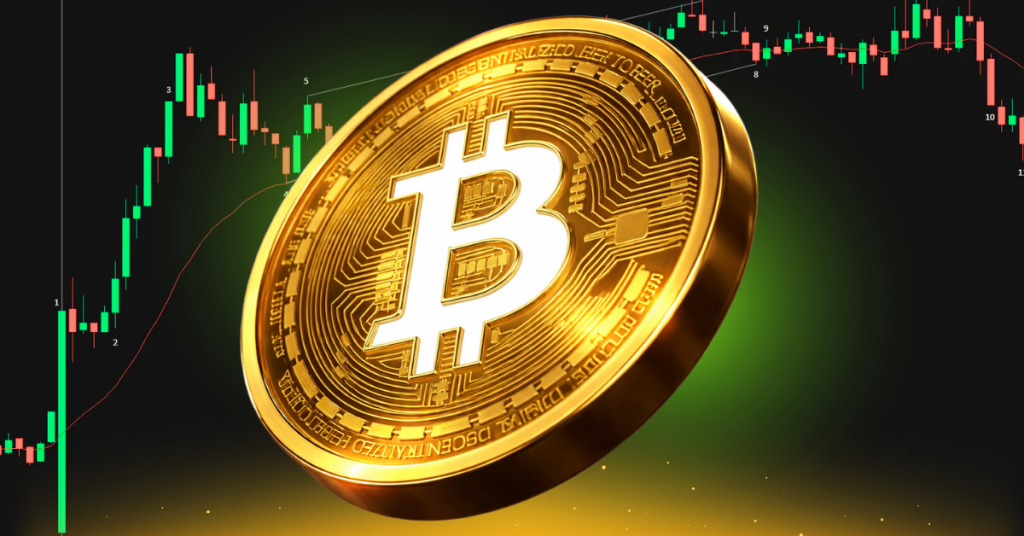
Bitcoin price is consolidating near $71,700, with significant whale sell walls identified between $72,000 and $74,000 acting as key resistance. Derivatives market data shows Open Interest climbing to 88K BTC, indicating a return of leverage and increased trader positioning ahead of a potential breakout. The market is currently positioned between strong supply above and demand below, suggesting potential volatility as traders await a decisive move through key liquidity zones. A breakout above $74,000 could trigger short liquidations and target higher levels like $78,000-$80,000, while a failure to break resistance may lead to a test of the $69,000-$70,000 demand zone.

Token2049's postponement of its Dubai event to 2027 due to regional uncertainty signals potential travel and logistical challenges impacting major industry gatherings. The decision to postpone highlights the sensitivity of large-scale crypto events to geopolitical instability, potentially affecting investor confidence and participation in the region. While the event is rescheduled for 2027, the immediate impact is a loss of a near-term networking and deal-making opportunity for participants and projects focused on the Middle East market.
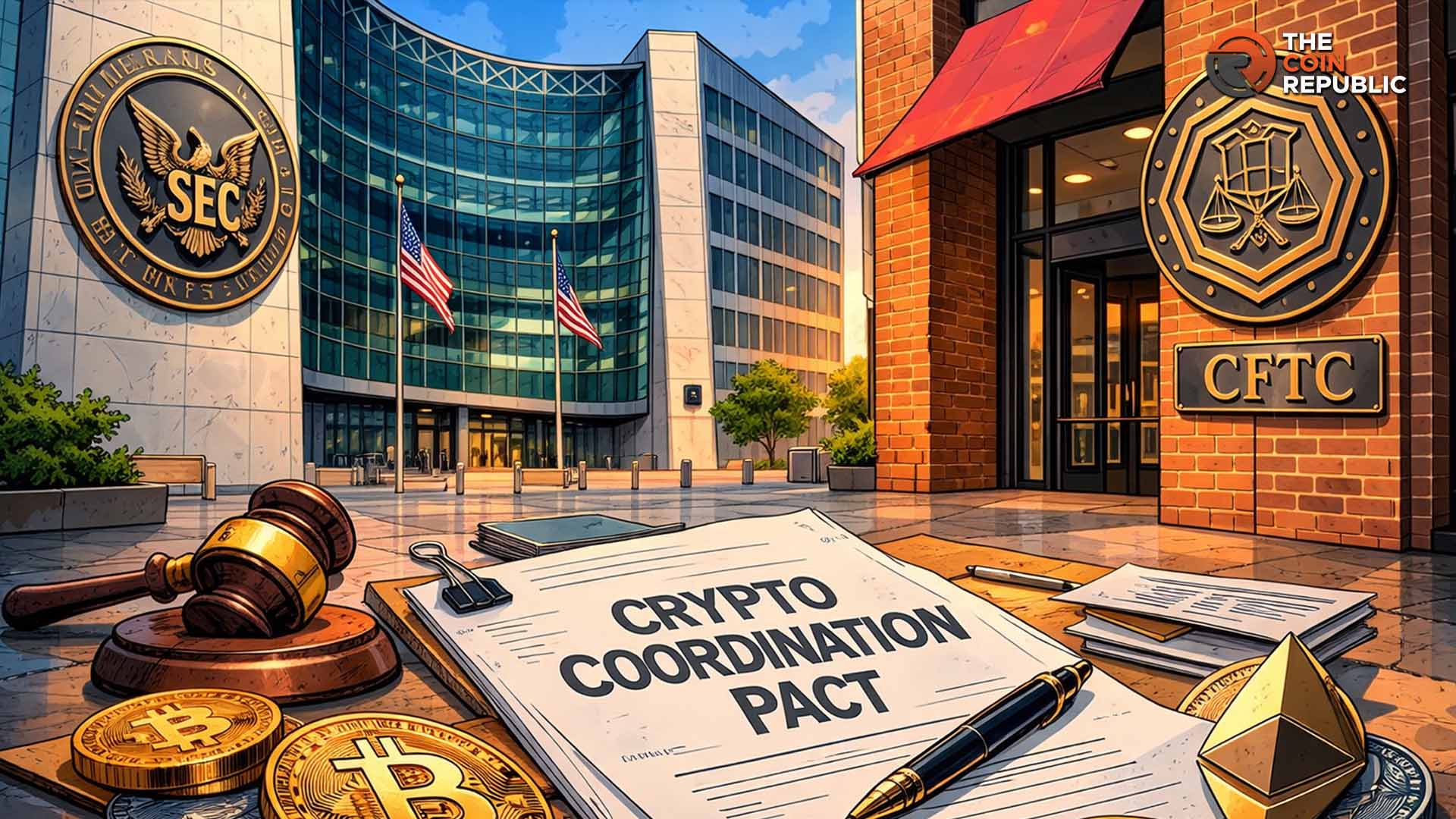
The formal coordination agreement between the SEC and CFTC signals a significant reduction in regulatory ambiguity for crypto market participants in the US. This pact aims to streamline oversight and reduce duplicative rules, potentially lowering compliance burdens for exchanges and intermediaries. By aligning definitions and coordinating enforcement, the agencies seek to foster innovation while maintaining market integrity, which could positively influence investor confidence. The agreement to share data and coordinate examinations suggests a more unified approach to crypto regulation, reducing the risk of conflicting enforcement actions.

Mastercard's new partner program signals a strategic move to integrate stablecoin flows into its existing network, aiming to capture value from digital dollar settlement rather than being bypassed. The initiative, backed by over 85 firms, represents Mastercard's effort to build the necessary infrastructure for blockchain-native money movement, ensuring its continued relevance in future payment ecosystems. While not a direct endorsement of crypto as an investment, Mastercard's actions, including the SoFiUSD settlement, indicate a pragmatic approach to incorporating stablecoins for practical payment and settlement use cases. The competitive landscape with Visa also pushing stablecoin settlement highlights a race among traditional payment networks to control the emerging digital asset rails, making this a critical development for the payments sector.

Hong Kong's proactive regulatory framework for stablecoins, requiring 100% reserve backing and strict AML compliance, signals a move towards institutional adoption and potentially increased stability in the sector. The licensing of major banks like HSBC and Standard Chartered for stablecoin issuance indicates a significant step in bridging traditional finance with digital assets, potentially compressing cross-border settlement times and enhancing corporate treasury liquidity. Hong Kong's comprehensive digital asset roadmap, including licensing for virtual asset dealing and custody, alongside cross-border blockchain initiatives, positions it as a competitive hub for institutional digital asset business. The distinction between licensed stablecoins and tokenized deposits highlights Hong Kong's nuanced approach to digital assets, aiming to foster innovation while maintaining robust financial oversight.
Bitcoin has demonstrated significant resilience, outperforming traditional macro assets like the S&P 500, Nasdaq, gold, and silver since the onset of geopolitical tensions in the Middle East. Despite upcoming US inflation data (PCE Index) and ongoing geopolitical concerns, Bitcoin's price has pushed above $72,000, indicating a potential 'geopolitical stress test' is being passed. While conviction is building among Bitcoin holders, on-chain analysis suggests the foundation for a sustained mid-term breakout is still developing, implying a cautious approach to immediate upside potential. Market participants are closely watching US inflation data and Federal Reserve policy expectations, which could introduce volatility despite Bitcoin's current strength.

Bitcoin demonstrates resilience above $71,000 despite a strengthening dollar, rising bond yields, and elevated oil prices, suggesting a potential decoupling from traditional macro pressures. The asset's outperformance in the face of geopolitical tensions and tightening financial conditions indicates strong underlying demand or a flight to perceived safe-haven assets within the crypto market. While macro headwinds persist, Bitcoin's ability to hold key levels may signal continued bullish momentum, especially if these external pressures begin to abate.
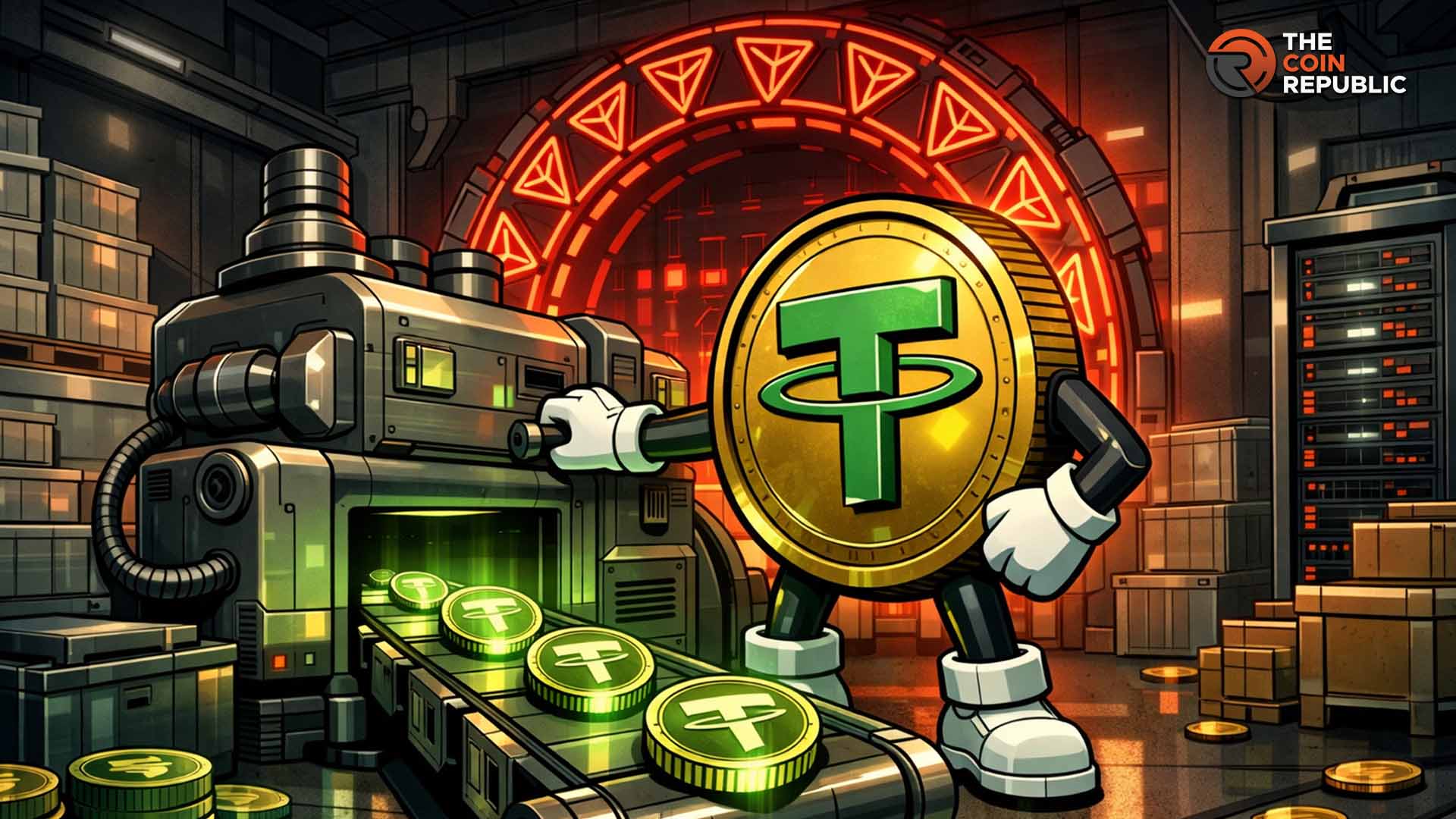
The minting of $1 billion USDT on Tron signifies robust demand for stablecoins, indicating increased liquidity and potential for heightened trading activity across crypto markets. Tron's growing dominance as the primary network for USDT transactions, surpassing Ethereum by $8 billion, highlights its efficiency and cost-effectiveness for large-scale stablecoin movements. Increased USDT supply, particularly on efficient networks like Tron, suggests underlying market strength and provides traders with ample liquidity for both spot and derivative markets. The continued expansion of Tether's supply, driven by demand from exchanges, reinforces its market leadership and its critical role in facilitating global crypto transactions.

A reported leak of Sweden's e-government platform source code, attributed to the threat actor ByteToBreach, raises concerns about potential follow-on risks to public-facing systems. While CGI Sverige claims production data was unaffected, the incident highlights vulnerabilities in government IT infrastructure and the potential for attackers to exploit leaked code for future attacks. The incident, linked to a prior breach of Viking Line, suggests a coordinated campaign targeting Swedish and European infrastructure, underscoring a broader trend of increasing cyber threats against public services.
Signal context only. Validate with price action, liquidity, and risk limits before taking a position.
