
Navigating Crypto News

CoinFeather
Navigating Crypto News
Quick market read from this story
XRP's Bollinger Bands have tightened to an eight-month low, historically preceding significant volatility and potential explosive price runs.
The formation of a falling wedge pattern on the weekly chart, coupled with a rebounding RSI from oversold territory, suggests a bullish reversal is possible, targeting $2.55.
Declining XRP balances on exchanges indicate accumulation and reduced sell-side pressure, supporting the bullish technical outlook.
Despite positive technicals, outflows from XRP ETFs present a counter-narrative, suggesting potential near-term selling pressure that could delay upside.
Deep Dive
XRP's price saw a 3% increase on Friday, trading above $1.40, as several technical and on-chain indicators suggest an impending significant upward breakout. Key indicators include the tightening of XRP's Bollinger Bands to their narrowest point in eight months and the formation of a falling wedge pattern on the weekly chart, which historically signals bullish reversals.
The Bollinger Bands indicator, used to assess price momentum and volatility, has reached its tightest level in eight months. This compression suggests that a period of increased volatility is imminent. Analysts note that historically, such tight bands have preceded substantial price movements. For instance, in July 2025, a similar tightening was followed by a roughly 60% surge in XRP's price, reaching a multi-year high of $3.66. Analysts suggest that a daily close above $1.50 could confirm upward momentum.
On the weekly chart, XRP is forming a falling wedge pattern, a bullish reversal pattern. The price has been consolidating between two descending trendlines since July 2025, with the lower boundary acting as support near the $1.30 level. The relative strength index (RSI) on the weekly chart is also showing signs of recovery from oversold territory, indicating a potential decrease in selling pressure. A confirmed breakout above the wedge's upper trendline could target a price of $2.55, representing a potential 78.5% increase from current levels. However, sustained price action above $1.73-$2 is considered necessary to signal a long-term trend shift.
On-chain data reveals a continued decline in XRP supply held on exchanges, falling to 12.8 billion tokens on Friday, levels not seen since May 2021. This reduction in available supply suggests increased accumulation by investors and strong long-term confidence, as fewer tokens are available for immediate sale. Such outflows typically indicate that large holders are moving XRP to cold storage, reducing sell-side pressure and potentially supporting a short-term rebound. Despite this, outflows from spot XRP exchange-traded funds (ETFs) for five consecutive days, totaling $50.8 million, could present a short-term headwind.
Source, catalyst, and sector overlap from the latest feed.
Prediction markets are demonstrating sustained growth, with monthly volumes exceeding $13 billion, indicating a maturing financial category beyond experimental status. Resolution infrastructure is emerging as the primary bottleneck for prediction markets, shifting focus from liquidity to trust and reliable settlement mechanisms. The evolution of resolution from a product feature to a trust anchor is critical for prediction markets to scale into dependable financial systems, attracting institutional capital. Future growth in prediction markets will depend on building robust resolution infrastructure that ensures deterministic and auditable outcomes, rather than solely on user acquisition.
Hong Kong's upcoming stablecoin licenses for major banks like HSBC and Standard Chartered signal a significant regulatory step towards integrating traditional finance with digital assets. The anticipated issuance of stablecoin licenses by the HKMA, prioritizing existing banknote issuers, suggests a controlled and established approach to digital currency regulation. This development positions Hong Kong as a potential global digital asset hub, contrasting with stricter regulations in mainland China and potentially attracting institutional interest. The HKMA's move to regulate stablecoins under the Stablecoin Ordinance, with potential licenses by March 24, indicates a maturing market and increased clarity for issuers and users.
Token2049's postponement of its Dubai event to 2027 due to regional uncertainty signals potential travel and logistical challenges impacting major industry gatherings. The decision to postpone highlights the sensitivity of large-scale crypto events to geopolitical instability, potentially affecting investor confidence and participation in the region. While the event is rescheduled for 2027, the immediate impact is a loss of a near-term networking and deal-making opportunity for participants and projects focused on the Middle East market.
Bitcoin has demonstrated significant resilience, outperforming traditional macro assets like the S&P 500, Nasdaq, gold, and silver since the onset of geopolitical tensions in the Middle East. Despite upcoming US inflation data (PCE Index) and ongoing geopolitical concerns, Bitcoin's price has pushed above $72,000, indicating a potential 'geopolitical stress test' is being passed. While conviction is building among Bitcoin holders, on-chain analysis suggests the foundation for a sustained mid-term breakout is still developing, implying a cautious approach to immediate upside potential. Market participants are closely watching US inflation data and Federal Reserve policy expectations, which could introduce volatility despite Bitcoin's current strength.
A reported leak of Sweden's e-government platform source code, attributed to the threat actor ByteToBreach, raises concerns about potential follow-on risks to public-facing systems. While CGI Sverige claims production data was unaffected, the incident highlights vulnerabilities in government IT infrastructure and the potential for attackers to exploit leaked code for future attacks. The incident, linked to a prior breach of Viking Line, suggests a coordinated campaign targeting Swedish and European infrastructure, underscoring a broader trend of increasing cyber threats against public services.
Avalanche's transaction volume reaching a two-year high, despite lower trading volume, suggests potential accumulation and a precursor to price pumps seen in past cycles. Chainlink's expanding Web3 integrations and consistent oracle demand, coupled with a price lagging behind on-chain activity, indicate a potential rebound opportunity as macro conditions shift. Hedera's significant discount to its cycle high, juxtaposed with rapid growth in tokenized real-world assets, presents a classic 'gap' scenario that has historically preceded aggressive HBAR rallies. The convergence of rising on-chain activity, established infrastructure, and deep discounts across AVAX, LINK, and HBAR suggests these assets may be undervalued and poised for recovery.
Ripple's CTO Emeritus David Schwartz suggests that a hypothetical large XRP burn, similar to XLM's 50% supply reduction, may not significantly impact XRP's price due to historical price correlation and the limited observable effect on XLM post-burn. The discussion highlights that despite XLM's substantial token burn, its price continued to mirror XRP's, implying that fundamental market dynamics and broader sentiment may outweigh supply-side changes for these correlated assets. While a burn of XRP's 33.6 billion escrowed tokens would be a significant supply reduction, the analysis indicates that traders should temper expectations for direct price appreciation based on this event alone, given past precedents.
Kraken's listing of Pi Network (PI) as the first major US exchange to do so provides significant market validation, potentially paving the way for broader adoption and further exchange listings. Despite the listing, PI remains 91% below its all-time high, and substantial monthly token unlocks present a structural selling pressure that could cap near-term upside. The concurrent development of Pi Network's native DEX and infrastructure upgrades suggests a strategic push towards building a functional Web3 ecosystem, aiming to convert its large user base into active participants. While the user base is large, the conversion to active on-chain participation and the impact of tokenomics, particularly early miner unlocks, remain key challenges for Pi Network's long-term success.
Bitcoin has demonstrated resilience by outperforming gold, silver, and major US equity indexes since the escalation of geopolitical tensions in Iran, indicating its growing role as a macro hedge despite traditional headwinds. The recent price surge and recovery, supported by significant spot Bitcoin ETF inflows and a reset of leveraged positions after an initial sell-off, suggest underlying demand is absorbing volatility in a more institutionalized market. Despite the rebound, market sentiment remains cautiously bearish with analysts pointing to a broader bear market context, negative funding rates, and whales reducing long positions, suggesting potential for short squeezes but also continued overhead resistance. Near-term price action for Bitcoin is likely to be dictated by its ability to break through significant sell walls and liquidity zones around $72,000-$74,000, with support levels identified between $70,500-$71,000 and deeper liquidity around $69,000.
Analysts are observing a bearish fractal pattern in Bitcoin's current chart structure that mirrors the 2022 bear market, suggesting a potential for further downside toward $50K if key resistance levels fail. The current price action around $72K is being closely watched, with a decisive break above the $74K resistance level needed to invalidate the bearish thesis and potentially signal a sustained recovery. Weakness in traditional markets, including equities and gold, may exacerbate downward pressure on Bitcoin if a broader risk-off sentiment prevails, impacting crypto's correlation with macro trends. Despite recent short-term gains, Bitcoin remains significantly below its all-time high, indicating that the market is still in a recovery phase and susceptible to renewed bearish pressure.
Live Feed
Loading the broader stream in the same flow as the homepage feed.
Anticipation of surging summer power demand in India, coupled with potential gas shortages due to Middle East tensions, is driving increased demand for coal. Coal India Limited's stock has seen a nearly 5% rise over the past five trading days, reflecting market expectations of sustained demand for coal as a primary energy source. India's reliance on coal for 70-87% of its electricity, despite renewable energy efforts, positions Coal India as a critical supplier, with current coal stocks sufficient for approximately 88 days. The geopolitical situation in West Asia is indirectly impacting energy markets by tightening gas supplies, which in turn bolsters the outlook for coal as a more stable alternative for power generation.
Two distinct chart analyses suggest Bitcoin may have completed a cycle bottom, with support holding above key long-term moving averages and a monthly RSI pattern mirroring previous cycle lows. The current structure, characterized by consolidation above support levels and a recovering RSI, aligns with historical patterns preceding significant multi-year uptrends, indicating potential accumulation before a new bullish phase. While these technical indicators suggest a potential shift towards a new bullish phase, confirmation hinges on Bitcoin's continued ability to hold above critical support levels, implying a 'watchlist' approach for traders.

Cardano Midnight's NIGHT token has seen a 10% price increase driven by a significant user growth milestone of over 57,000 active users, indicating growing adoption for the privacy-focused protocol. The recent Binance listing for NIGHT is a key catalyst, providing increased accessibility and potentially driving further user adoption and price momentum. Despite strong user growth and price appreciation, NIGHT's trading volume has declined significantly, suggesting investor caution and a need for sustained momentum to confirm bullish sentiment.
Despite record network activity and smart contract calls, Ethereum's price faces downward pressure due to elevated exchange inflows and declining realized capitalization, signaling potential for further downside. The 'adoption paradox' suggests a decoupling of on-chain utility from investor demand, a trend that could lead to a price correction towards $1,500 if broader market conditions remain bearish and capital inflows do not improve. Elevated ETH exchange inflows relative to BTC indicate stronger selling pressure, which, combined with negative one-year changes in realized capitalization, points to weakening investor sentiment and potential near-term price weakness.

Binance is actively defending against renewed allegations of enabling Iran-linked crypto transactions, highlighting recent dismissals of anti-terrorism claims and emphasizing its commitment to sanctions enforcement. The ongoing Justice Department investigation into Binance's alleged role in sanctions evasion, coupled with renewed political scrutiny from U.S. Democrats, presents a persistent regulatory overhang for the exchange. Binance's lawsuit against The Wall Street Journal signals a strong stance against reporting it deems inaccurate, indicating a willingness to engage in legal battles to protect its reputation amidst regulatory pressures.

Bitcoin is approaching a $75,000 level where options market makers hold significant short gamma positions, suggesting potential for amplified volatility and accelerated price movements due to dealer hedging as prices rise. Despite bullish momentum signals from Bitcoin breaking above its 50-day average, macroeconomic headwinds including rising oil and dollar prices, and weakness in traditional stock indices, pose a significant risk to sustained gains. The surge in the MOVE index, indicating increased Treasury market volatility, suggests a tightening of global liquidity conditions which could broadly pressure risk assets, including Bitcoin.
Adani Total Gas (ATGL) stock is experiencing a significant rally driven by geopolitical tensions impacting global energy supply chains. India's prioritization of gas allocations to essential sectors, including ATGL's supply of PNG and CNG, provides a direct tailwind for the company amidst supply chain disruptions. The continued closure of the Strait of Hormuz by Iran poses ongoing risks to India's energy imports, potentially sustaining demand for domestically supplied gas and supporting ATGL's market position.
The Official Trump memecoin ($TRUMP) has experienced a dramatic 96% decline from its all-time high, indicating significant loss of investor confidence and market value. A new promotion offering a gala at Mar-a-Lago for top $TRUMP holders aims to re-engage whales and incentivize holding despite the token's severe depreciation. The promotion's structure, focusing on average balance and strict eligibility, suggests a strategy to retain large holders in a declining asset rather than broad market recovery. The modest price bounce following the announcement appears to be driven by speculative demand from holders aiming for the gala invitation, not a fundamental shift in the token's outlook.
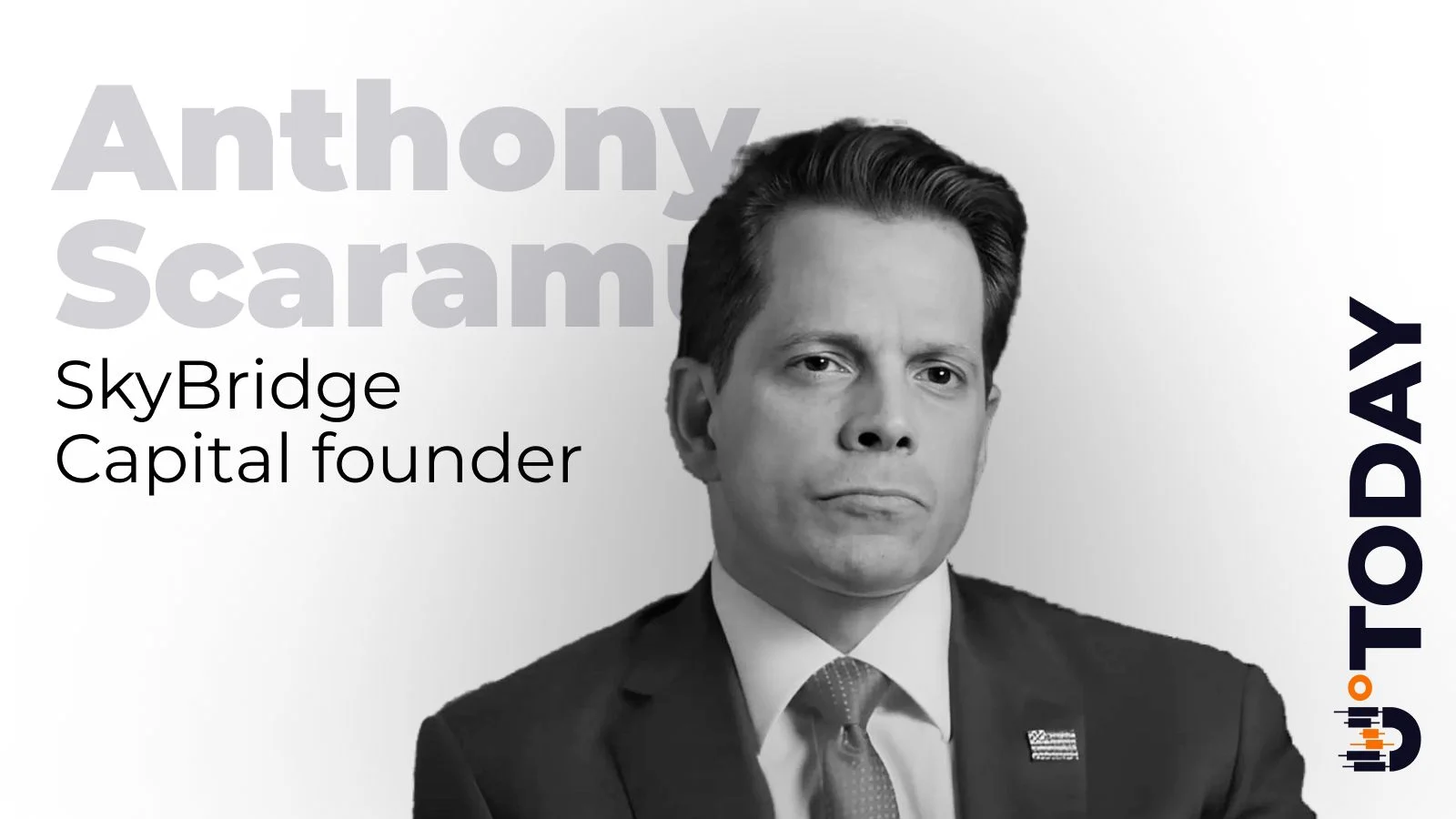
Anthony Scaramucci reiterates a strong long-term bullish outlook on Bitcoin, citing its potential to rival gold's market cap within 15 years, implying a significant price appreciation to $1.5 million per BTC. Scaramucci's personal conviction is demonstrated by his increased BTC holdings during recent price dips, signaling confidence in Bitcoin's fundamental value and future growth trajectory. The prediction, aligning with Michael Saylor's views, positions Bitcoin as a primary financial network, suggesting a potential shift in asset allocation towards digital gold narratives.
YouTube operates as a subsidiary of Alphabet Inc. (GOOGL/GOOG), meaning there is no independent YouTube stock or IPO, and investors gain exposure through Alphabet shares. The article clarifies that YouTube's integration within Alphabet provides financial stability and strategic advantages, reducing market pressure compared to a standalone public company. While a YouTube IPO is unlikely due to deep integration with Alphabet's ecosystem, its significant user base and revenue streams make it a key driver of Alphabet's overall valuation.
Bitcoin price is consolidating near $71,700, with significant whale sell walls identified between $72,000 and $74,000 acting as key resistance. Derivatives market data shows Open Interest climbing to 88K BTC, indicating a return of leverage and increased trader positioning ahead of a potential breakout. The market is currently positioned between strong supply above and demand below, suggesting potential volatility as traders await a decisive move through key liquidity zones. A breakout above $74,000 could trigger short liquidations and target higher levels like $78,000-$80,000, while a failure to break resistance may lead to a test of the $69,000-$70,000 demand zone.

Bitcoin is demonstrating resilience by outperforming traditional markets and strengthening against a rising dollar, indicating potential underlying demand despite broader macroeconomic headwinds. Increased open interest and positive funding rates across major cryptocurrencies suggest a growing bullish sentiment among derivatives traders, potentially signaling further upside. The outperformance of AI tokens and the surge in a specific memecoin highlight sector-specific strength and speculative interest within the broader crypto market rally. While Bitcoin faces resistance around $74,000, a sustained break above this level could trigger a significant upward move towards $80,000, making it a key level to watch.
Signal context only. Validate with price action, liquidity, and risk limits before taking a position.
