
Navigating Crypto News

CoinFeather
Navigating Crypto News
Quick market read from this story
Shiba Inu's hourly chart has formed a death cross, a bearish technical indicator, suggesting potential short-term downside pressure.
The death cross occurred amidst a broader market sell-off and significant liquidations, exacerbated by a large Bitcoin and Ethereum options expiry event.
SHIB is currently testing key resistance levels, with the 50-period moving average acting as an immediate barrier; failure to break above could lead to further declines.
The market is closely watching if the $0.00000571 level can hold as support, as a breakdown could expose SHIB to renewed selling pressure.
Deep Dive
Shiba Inu has registered a death cross on its hourly chart, a bearish technical indicator, coinciding with a broader cryptocurrency market downturn. This event occurred as over $441 million in trading positions were liquidated across the market, exerting downward pressure on digital assets. The death cross pattern materialized when the 50-period moving average fell below the 200-period moving average on the one-hour timeframe, traditionally signaling potential further short-term price declines.
The recent market sell-off was exacerbated by the year's largest options expiry event for Bitcoin and Ethereum, with approximately $14 billion in Bitcoin options expiring. This event prompted traders to adopt defensive strategies, contributing to widespread market weakness. Additionally, investor outflows from cryptocurrency exchange-traded funds (ETFs) further intensified selling pressure, reinforcing a cautious sentiment within the crypto sector.
Shiba Inu experienced a decline for three consecutive days starting March 25, attributed to profit-taking and ongoing macroeconomic concerns. The death cross pattern emerged during this period of selling pressure. At the time of reporting, SHIB was trading at $0.00000577, a 2.18% decrease over the preceding 24 hours. The token showed resilience by rebounding from a low of $0.00000571, indicating potential buyer interest at this level.
The immediate technical challenge for SHIB is the one-hour 50-period moving average, which now serves as resistance. The price has stalled near this barrier during the current relief rally. A decisive break and sustained close above the 50 MA could pave the way towards the one-hour 200 MA, currently positioned at $0.00000596. This level represents the next significant target for bulls aiming to regain upward momentum.
Until SHIB successfully overcomes these resistance zones with consistent buying volume, the current relief rally remains vulnerable. Traders are closely monitoring whether the $0.00000571 level can be established as firm support. A failure to maintain this support could expose SHIB to renewed downward price action.
Source, catalyst, and sector overlap from the latest feed.
XRP Ledger's surge to over 120 TPS, driven by DEX offer cancellations rather than new payments, indicates robust network capacity for handling high instruction volumes, a positive sign for its underlying infrastructure. The minting of 9 million RLUSD on XRPL, alongside burns on Ethereum, highlights Ripple's ongoing strategy to rebalance and expand its stablecoin's utility, particularly for enterprise settlement and cross-border payments. Despite increased network activity and stablecoin developments, XRP's price remains below key resistance levels, suggesting that current on-chain metrics are not yet translating into significant upward price momentum for the asset.
Shiba Inu's futures open interest has seen a significant 26% drop from its recent peak, indicating a sharp decline in trader conviction and potentially signaling a cooling-off period for short-term price speculation. The substantial pullback in futures open interest, from 12 trillion to 8.87 trillion SHIB, suggests that recent bullish momentum may be waning, leading to a more cautious market sentiment for the meme coin. A decrease in open interest, coupled with a 2.18% price drop in 24 hours, implies that traders are reducing exposure, which could precede a period of consolidation or further downside pressure for SHIB.
Escalating geopolitical tensions in the Strait of Hormuz are driving Brent crude oil prices above $111, with JPMorgan warning of a potential spike to $120 if supply disruptions persist. The market faces a critical turning point as diplomatic efforts clash with ongoing military developments and shipping risks, creating significant uncertainty for energy prices. Major banks like Goldman Sachs and Standard Chartered are revising forecasts upward, signaling a potential for sustained higher oil prices due to the severity of the supply shock. With alternative routes and strategic reserves nearing capacity, the market is vulnerable to a deeper supply crisis if the Strait of Hormuz does not reopen within the next 1-3 weeks.
Short-term bearish analysis suggests a potential retest of the $60 demand zone due to persistent selling pressure and capped upside attempts above $100. Long-term optimistic outlook views the current ~77% drop from ATH as a strategic accumulation phase near the 0.618 Fibonacci retracement, with potential targets of $500-$1,000. Solana is at a critical juncture, balancing immediate bearish technicals with long-term bullish accumulation narratives, making it a watchlist candidate for volatility expansion.
Bitcoin is currently at a critical support zone, with two distinct analyst views suggesting either a short-term bounce followed by a further decline or a potential relief rally if support holds. The immediate price action for Bitcoin hinges on the $65,000-$66,000 support level, with a hold potentially leading to a 6-8% rally, while a break could signal a move towards $60,000 or lower. Traders should monitor the $66,170 area and Fibonacci resistance levels around $69,483-$74,894 for potential short-term selling pressure, as a sustained breakout is not yet indicated by current technicals. The market sentiment remains cautious, with analysts warning of potential irrational price movements and the risk of early positioning, emphasizing the need for confirmation before committing to significant trades.
Despite a general market downturn, specific altcoins like Bittensor (TAO), Siren (SIREN), and Midnight (NIGHT) are highlighted with potential price targets, suggesting selective opportunities amidst broader weakness. The article presents a watchlist of altcoins with price targets for the upcoming week, indicating a focus on short-term trading opportunities rather than long-term structural plays. Factors such as institutional participation and geopolitical uncertainty are cited as influencing market sentiment, but the analysis focuses on technical indicators and specific coin performance for the watchlist.
Shiba Inu's open interest has significantly retreated from recent highs, indicating a cooling of futures market activity and potentially reduced speculative interest. Despite muted derivatives activity, SHIB has shown a recent price uptick, suggesting a potential divergence between futures sentiment and spot market momentum. The current lack of clear directional signals in the futures market, coupled with minor spot price gains, positions SHIB as a watchlist asset pending further developments.
Shiba Inu's hourly death cross indicates short-term bearish momentum, coinciding with broader market liquidations and ETF outflows, suggesting potential for further downside pressure. Despite a technical bearish signal, SHIB is attempting a relief rally, with key resistance at the 50 MA and support at $0.00000571 to monitor for potential short-term price action. The increase in Shiba Inu's open interest and derivatives volume suggests heightened trader activity and positioning adjustments, which could precede a more significant price move.
Dogecoin's price action is exhibiting historical cycle patterns with progressively higher lows, suggesting structural support and potential for a rally if Bitcoin resumes an uptrend. The current consolidation range for DOGE between $0.05 and $0.10 mirrors previous cycle bases, indicating a recognizable setup for potential upside movement. Dogecoin's performance is closely tied to Bitcoin's momentum; a sustained BTC uptrend could trigger significant altcoin volatility, with DOGE historically being an early beneficiary.
Live Feed
Loading the broader stream in the same flow as the homepage feed.

Shibarium experienced an 88.3% drop in transactions, falling from 10,940 to 1,230, indicating a significant decrease in network activity after a brief surge. The transaction drop is attributed to infrastructure upgrades and ongoing reindexing of the Shibarium explorer, which is currently only 84% complete, suggesting that current on-chain metrics may be incomplete. Despite the explorer indexing issues, the Shibarium network itself remains operational, with development shifting towards Layer-3 solutions like Shib Alpha and Shib Claw on the Puppynet testnet. The market sentiment appears to have dipped due to the transaction volatility and broader crypto market losses, though SHIB and BONE showed minor gains at the time of reporting.

Developers are proposing gradual, shorter slot times for Ethereum's mainnet to enhance speed and efficiency, a strategy that aims to improve performance without introducing significant risks. The initiative, supported by the new QuickSlots platform, focuses on iterative improvements rather than a single, large-scale upgrade, potentially leading to a more stable and user-friendly network. Ethereum trading near its realized price suggests a market breakeven point, a rare condition historically preceding accumulation phases and potentially signaling a strategic entry opportunity. The ongoing development efforts, like the mainnet speed enhancement proposal, coupled with stable pricing, indicate continued network progress that could positively influence Ethereum's long-term outlook.

The negative Coinbase Premium Index indicates US institutional investors are reducing Bitcoin exposure, signaling short-term caution driven by macro factors like inflation and geopolitical tensions. Morgan Stanley's record-low 14bps Bitcoin ETF fee filing intensifies competition, potentially attracting new traditional finance capital despite current institutional selling pressure. Traders are closely monitoring key liquidity zones around $65,200 and $69,000-$70,000, with potential for a test of lower support before any relief rally. While short-term selling from US institutions is evident, the ongoing ETF fee war suggests a continued long-term interest from major financial firms in Bitcoin exposure.

Washington state has filed a lawsuit against Kalshi, alleging violations of state gambling laws and the Consumer Protection Act, adding to the company's growing legal challenges across multiple jurisdictions. The lawsuit highlights the ongoing regulatory scrutiny of prediction markets, with state authorities increasingly classifying them as illegal gambling operations, potentially impacting similar platforms. Kalshi's defense, arguing for exclusive CFTC jurisdiction and seeking federal court relocation, indicates a broader legal battle over the classification and regulation of prediction markets in the US. The increasing number of state-level legal actions against Kalshi suggests a coordinated or escalating regulatory crackdown on prediction markets, warranting close monitoring by investors in related sectors.

The increasing autonomy of AI agents necessitates a robust digital financial infrastructure, positioning crypto's stablecoins, wallets, and identity systems as potential core components for machine-to-machine transactions. While 'AI coins' may not be the primary beneficiaries, the underlying infrastructure of crypto, particularly stablecoins and programmable wallets, is poised to gain significant utility as AI agents begin to execute autonomous economic activities. Mainstream adoption by payment giants like Visa, Stripe, and Mastercard in agentic commerce validates the need for crypto's programmable money and digital asset solutions, signaling a shift from speculative narratives to practical infrastructure use cases. The development of 'Know Your Agent' identity solutions, leveraging cryptographic credentials, is crucial for enabling secure and verifiable transactions by AI agents, potentially becoming a key growth area for crypto infrastructure.

Despite positive fundamental developments for several altcoins, the broader market downturn led by Bitcoin's drop below $87K resulted in significant weekly losses, highlighting the continued correlation between Bitcoin and altcoin price action. Tokens like ETHFI and KITE, despite recent positive news (exchange listings, hackathons) and technical indicators suggesting oversold conditions, experienced sharp price declines, indicating that macro uncertainty is currently overshadowing project-specific catalysts. Polkadot's implementation of a hard supply cap and reduced issuance, alongside the launch of a US-listed ETF, represents a structural upgrade, yet the token's price action remains weak, suggesting that the market is not yet pricing in these fundamental improvements. The analysis of the top five weekly losers reveals a pattern of sharp declines from recent highs, with many tokens now testing key support levels, making them potential watchlist candidates for a rebound if broader market sentiment improves.

The tokenization of the Fundrise Innovation Fund via xStocks represents a significant step in bringing private market assets onto the blockchain, potentially increasing liquidity and accessibility for a broader investor base. Despite the initial surge in the Fundrise Innovation Fund's stock price, a short-seller report and subsequent price drop highlight the inherent volatility and regulatory scrutiny associated with tokenized real-world assets. The growth of tokenized equities, surpassing $1 billion in value, indicates a maturing RWA sector, though market concentration among a few platforms suggests ongoing consolidation and potential risks for smaller players. The partnership between xStocks and Fundrise, coupled with the broader RWA market growth, signals increasing institutional interest in bridging traditional finance with blockchain technology, creating potential opportunities for related infrastructure and platforms.

The current crypto market downturn, characterized by a 50% drop from Bitcoin's all-time high, is interpreted as a necessary 'reset' rather than a terminal bear market, driven by macro liquidity tightening and deleveraging. Market cycles in crypto are heavily influenced by global liquidity; a contraction due to Fed balance sheet reduction and tax payments is pressuring prices, but historical patterns suggest this sets the stage for future expansion. While short-term volatility is expected to persist through 2026 with potential for further corrections, structural demand from institutional participation and improved infrastructure suggest the long-term bullish cycle for digital assets remains intact. Traders should adopt a defensive stance early in 2026, gradually increasing exposure as liquidity conditions stabilize and potentially shifting to overweight digital assets by year-end, focusing on active strategies during mid-cycle dislocations.

Washington state has filed a lawsuit against Kalshi, alleging it offers illegal gambling products, escalating regulatory pressure on prediction markets. The legal actions by Washington and Nevada against Kalshi, and Nevada's injunction against Coinbase's prediction market offerings, signal a growing state-level challenge to the classification of prediction markets. This trend of state-level regulatory scrutiny on prediction markets could lead to increased legal uncertainty and potential operational restrictions for platforms operating in multiple jurisdictions.

Ripple CTO emeritus David Schwartz clarified XRP escrow functionality, debunking misconceptions that funds were earmarked for specific individuals. The clarification highlights that XRP escrow operates on automated, condition-based releases, not pre-allocated contracts for specific parties, reinforcing the transparency of the XRP Ledger's mechanics. While not a direct price catalyst, the debunking of misinformation addresses potential FUD (Fear, Uncertainty, Doubt) surrounding XRP's supply dynamics, which could be viewed positively by long-term holders.

Ethereum's price recovery above $2,000 follows a significant drop amplified by an all-time high in futures leverage, indicating that while the immediate sell-off pressure has eased, the underlying market fragility due to extreme leverage has reduced but not disappeared. Despite the price volatility and leverage unwind, development activity within the Ethereum ecosystem, led by projects like MetaMask and ChainLink, remains robust, suggesting continued fundamental building independent of short-term market fluctuations. The recovery from the $1,971 low to $2,024 still leaves ETH significantly below its recent high of $2,200, and the macro conditions that initiated the sell-off persist, implying that further upside may be capped without a shift in broader market sentiment.

Kalshi's acquisition of a futures commission merchant license enables margin trading for professional clients, a significant development for institutional adoption in prediction markets. The introduction of margin trading by Kalshi differentiates it from crypto-native prediction platforms and could attract greater institutional capital by reducing upfront capital requirements. Despite regulatory scrutiny, the prediction market sector is experiencing growth, evidenced by Kalshi's substantial funding round and increased trading volumes, suggesting a maturing market.

Canada's proposed ban on crypto donations, mirroring UK actions, signals a growing global regulatory trend towards restricting digital asset use in political financing due to transparency concerns. Despite crypto donations being permitted since 2019, their minimal adoption in Canadian elections suggests this ban will have little immediate impact on the crypto market, but it highlights increasing governmental scrutiny. The legislation groups crypto with other less traceable funding methods, indicating a broader governmental effort to enhance electoral integrity by limiting anonymous or pseudonymous financial flows.

Bitcoin's valuation has compressed significantly, with the Mayer Multiple in lower percentiles, suggesting it may have already priced in tighter monetary conditions unlike equities which are just beginning to reprice. The shift in Fed rate cut expectations, driven by rising energy prices and inflation concerns, implies a less accommodative macro environment that could pressure risk assets, but Bitwise argues BTC's prior adjustment offers reduced downside. While traditional markets face renewed downside risk from macro shifts, Bitcoin's earlier repricing suggests it might be better positioned to weather the storm, though its correlation with altcoins remains high.
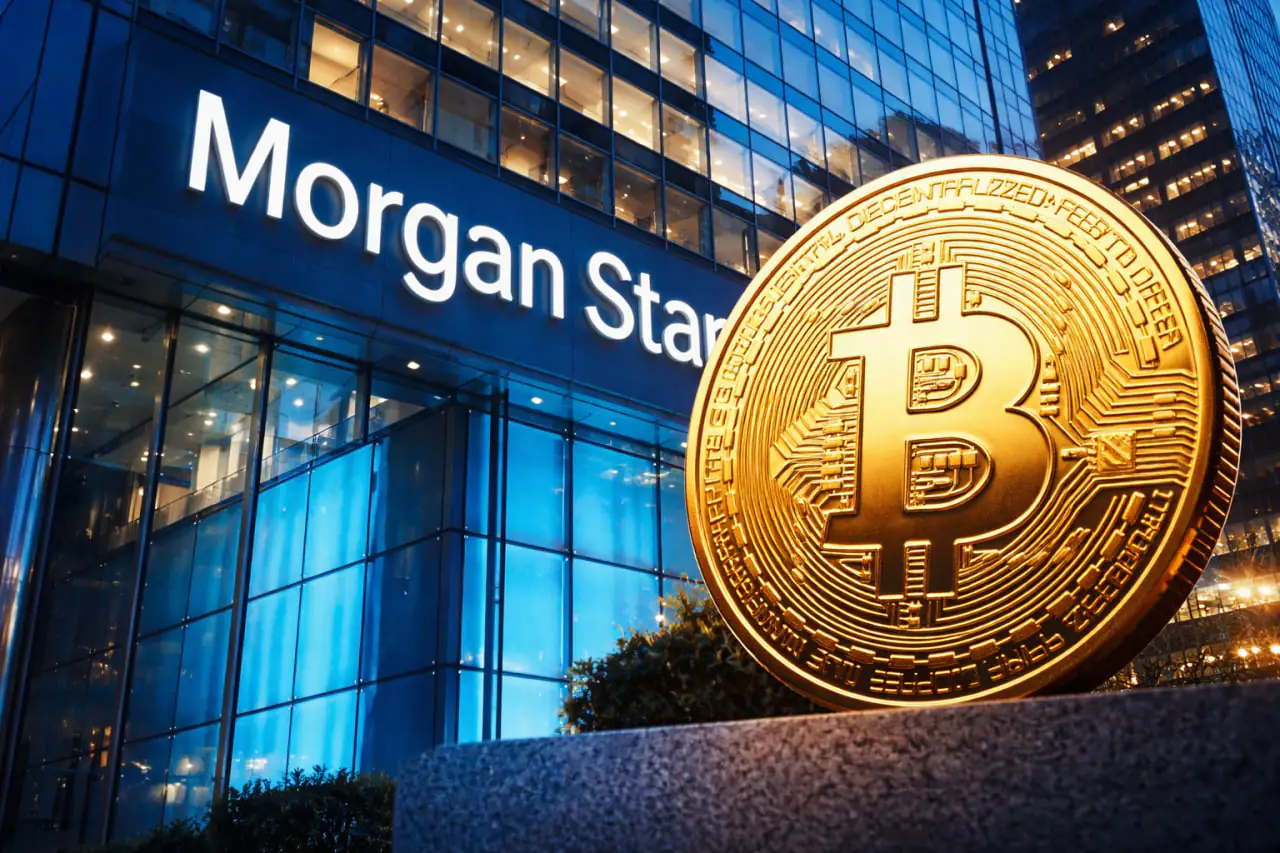
Morgan Stanley's aggressive fee for its new Bitcoin ETF signals a new phase of institutional competition, shifting the battleground to basis points and distribution. The launch highlights Bitcoin's growing appeal as an alternative to traditional banking, driven by low depositor yields and high net interest income for banks. The convergence of institutional adoption, retail dissatisfaction with banking, and evolving regulatory frameworks suggests Bitcoin is becoming a standard portfolio component, with the key question being who sets the terms. The introduction of a low-cost Bitcoin ETF by a major institution like Morgan Stanley, coupled with expected similar moves from competitors like Goldman Sachs, indicates a significant shift in how digital assets are integrated into mainstream finance.
Signal context only. Validate with price action, liquidity, and risk limits before taking a position.
