
Navigating Crypto News

CoinFeather
Navigating Crypto News

Quick market read from this story
The SEC and CFTC's memorandum of understanding signals a move towards coordinated regulatory oversight, potentially reducing conflicting rules and fostering a more predictable environment for crypto market participants.
A 'minimum effective dose' regulatory strategy aims to balance innovation with market integrity, suggesting a cautious but potentially supportive approach to emerging technologies like crypto.
This inter-agency coordination could lead to greater regulatory clarity in the US, which has historically been a point of friction for the crypto industry and may reduce the incentive for projects to seek less regulated jurisdictions.
Deep Dive
In a significant move to streamline financial market oversight, the US Securities and Exchange Commission (SEC) and the US Commodity Futures Trading Commission (CFTC) have signed a memorandum of understanding (MOU) to enhance coordination and end decades of regulatory disputes. This agreement comes at a critical juncture as new technologies, including cryptocurrencies, increasingly blur traditional jurisdictional lines in financial markets.
The MOU, signed on Wednesday, acknowledges the challenges posed by new trading models, digital infrastructure, and on-chain automated systems that complicate market monitoring. Both agencies aim to provide regulatory clarity and certainty by adopting technology-neutral regulations and improving information sharing on matters of common regulatory interest. This collaboration is intended to help fulfill their respective regulatory mandates more effectively.
SEC chair Paul Atkins stated that the MOU represents a crucial step in mending the relationship between the agencies. He highlighted that historical regulatory turf wars and duplicative registrations have previously stifled innovation and driven market participants to seek opportunities in other jurisdictions. The new agreement seeks to rectify this by fostering a more unified approach.
Both the SEC and CFTC have been actively working to support the US's ambition to become a global leader in cryptocurrency. They have established initiatives such as a crypto-specific task force and an advisory committee focused on regulating blockchain, AI, and other emerging technologies. The agencies also affirmed their commitment in the memo to developing a “fit-for-purpose regulatory framework for crypto assets.”
Furthermore, the SEC and CFTC plan to implement a “minimum effective dose” regulatory strategy. This approach aims to foster innovation and maintain market integrity while ensuring the US remains competitive globally. The term, borrowed from pharmacology, signifies using the smallest effective dose to achieve desired regulatory benefits without over-regulation.
Source, catalyst, and sector overlap from the latest feed.
Prime brokers Clear Street and Marex Group are integrating prediction markets, signaling growing institutional interest in alternative financial instruments beyond traditional crypto assets. The expansion of prediction markets into prime brokerage services suggests a potential shift towards these platforms as a core financial ecosystem pillar, offering new hedging and return generation opportunities. Despite increasing institutional adoption, regulatory uncertainty surrounding prediction markets, particularly concerning sports betting classifications and insider trading, remains a significant headwind for broader market acceptance. The call for regulatory clarity from major exchange executives like Nasdaq's CEO highlights the need for a defined framework to unlock further institutional capital and ensure investor protection in this evolving market.
Ripple's planned $750 million share buyback at a $50 billion valuation signals strong investor confidence and a potential increase in company value, despite XRP's recent price decline. The buyback program, coupled with recent acquisitions and expansion into financial services, indicates Ripple's strategic growth and diversification beyond core crypto operations. While the buyback itself is a corporate action, it may indirectly support XRP's market perception by highlighting Ripple's financial health and strategic direction.
Mastercard's new crypto partner program, involving over 85 companies, signals a significant push by traditional finance infrastructure to integrate blockchain for practical payment solutions. The initiative's focus on cross-border transfers, settlements, and B2B payments suggests a growing utility for digital assets beyond speculation, potentially driving adoption and demand for participating networks. This move, alongside similar efforts by Visa, indicates a deepening institutional embrace of crypto, which could lead to increased liquidity and mainstream acceptance of tokenized payments.
The financial tech company was granted a full UK banking license on Wednesday and has also applied for a federal bank charter in the United States.
Professional traders are pricing in a less than 17% probability of Bitcoin breaking $78,000 by the end of March, indicating significant skepticism despite recent ETF inflows. Geopolitical tensions and weaker-than-expected US labor data are acting as headwinds, offsetting positive sentiment from Bitcoin ETF inflows and contributing to a cautious market outlook. While ETF inflows provide some support, the stagnant futures premium suggests a lack of strong conviction for a near-term bullish breakout, pointing towards a potential delay in significant price appreciation beyond March. The market is currently exhibiting indifference rather than an expectation of a sharp crash, with traders likely awaiting clearer economic signals or a shift in geopolitical stability before committing to major directional bets.
The SEC and CFTC have formalized a memorandum of understanding to coordinate crypto oversight, aiming to reduce regulatory friction and provide clearer frameworks for digital assets. This agreement signals a potential reduction in conflicting regulatory approaches between the two agencies, which could lead to more predictable compliance for crypto firms operating in the U.S. The collaboration is expected to streamline enforcement actions and policy interpretations, potentially fostering innovation by offering greater regulatory clarity and reducing the risk of duplicative actions.
Flow's price surge of nearly 60% is directly linked to the Flow Foundation's successful legal motion to prevent delisting from South Korean exchanges, indicating a strong market reaction to regulatory clarity. The 640% increase in trading volume to $175 million signals significant renewed investor interest and capital inflow into FLOW, validating the price breakout beyond short covering. While the RSI indicates overbought conditions, the underlying legal success and increased volume suggest potential for continued positive momentum, contingent on the March 16th delisting date outcome. The Flow ecosystem's independent performance and legal victory highlight its resilience, potentially positioning it as a leading altcoin performer if the positive trend continues.
XRP's open interest has plummeted by 78% from its peak, indicating a significant reduction in speculative leverage and a shift away from fast-money traders, suggesting any future price appreciation will rely more on spot demand than reflexive short-term positioning. Despite the deleveraging, $1.4 billion in XRP ETFs remains invested, alongside significant whale accumulation and exchange outflows, signaling a more durable holder base that is less susceptible to volatility and more aligned with Ripple's expanding regulated financial footprint. Ripple's aggressive global expansion, including recent licensing in Australia and over 75 regulatory licenses worldwide, coupled with its growing stablecoin business and institutional platform, provides a fundamental support narrative for XRP that is increasingly independent of broader market sentiment.
FDIC chair Travis Hill's confirmation that the GENIUS Act will not grant deposit insurance for stablecoins signals a regulatory stance that could limit institutional adoption and investor confidence in the asset class. The prohibition of "pass-through insurance" for stablecoin holders under the GENIUS Act implies that stablecoin issuers will bear full responsibility for reserve management, potentially increasing operational risk and compliance burdens. The FDIC's stance on stablecoin insurance, coupled with ongoing debates on stablecoin yield in market structure bills, suggests a cautious regulatory environment that may hinder stablecoin utility as a direct substitute for traditional deposits.
The listing of ICP on South Korea's Upbit exchange, the largest in the region, is a significant catalyst for increased demand and potential price appreciation. The introduction of ICP Cloud Engines, enabling major cloud providers to deploy smart contracts, signals a strategic move to integrate Internet Computer into existing cloud infrastructure, potentially boosting adoption and long-term value. Despite past performance, the combination of exchange listings and new product developments suggests a potential shift in market sentiment for ICP, warranting a closer look for short-to-medium term trading opportunities.
Crypto derivatives platforms like Hyperliquid are demonstrating utility by facilitating speculation on global macro events such as oil price volatility, attracting significant volume that dwarfs traditional venues for synthetic exposure. The surge in oil-linked futures trading on Hyperliquid, driven by geopolitical tensions, directly benefits its native HYPE token through fee-driven buybacks, suggesting a correlation between macro shocks and potential token demand. The increasing use of crypto-native derivatives for macro hedging highlights a growing trend of traders seeking always-on markets to price global risk ahead of conventional financial systems.
Solmate Infrastructure's strategic pivot to establish a Solana hub in Abu Dhabi signals a significant corporate restructuring and a focused push into digital asset infrastructure. The company's rebranding from Brera Holdings PLC to Solmate Infrastructure PLC, while retaining its Nasdaq ticker SLMT, indicates a deliberate effort to align its identity with its new blockchain-centric mission. Reinvestment of capital from winding down underperforming soccer teams into Solana infrastructure development highlights a clear strategic priority and potential for ecosystem growth. Despite the positive corporate developments, the SOL price has shown resilience rather than significant upside, suggesting broader market pressures are currently overshadowing project-specific news.
Live Feed
Loading the broader stream in the same flow as the homepage feed.

Vitalik Buterin's concerns highlight a critical UX and security challenge for Ethereum as AI integration progresses, potentially impacting user adoption and protocol safety. The debate around AI agents replacing traditional wallets like MetaMask signals a potential shift in user interaction paradigms for Ethereum, necessitating careful consideration of security implications. Ethereum's price action remains sensitive to the $2000 support level, with a breakdown risking a decline to $1900, while a sustained hold could pave the way for a retest of higher resistance levels. The ongoing discussion on AI integration and security risks, coupled with price action analysis, suggests a near-term focus on stability and risk management for ETH traders.
Ripple's $750 million stock buyback has increased its valuation to $50 billion, a 25% rise, which could signal increased investor confidence in the company's long-term prospects. Despite the significant corporate valuation increase, XRP's price reaction has been muted, indicating a disconnect between Ripple Labs' equity performance and its native token's market sentiment. Community sentiment appears divided, with some XRP holders expressing dissatisfaction that the buyback primarily benefits shareholders rather than token holders, potentially impacting broader ecosystem trust. While the buyback itself is not a direct catalyst for XRP, some analysts suggest that Ripple's higher valuation and potential XRP ETF inflows could drive XRP price appreciation towards $2.80-$5.00 by year-end.

Developer activity across major blockchains has seen a significant decline, with weekly commits down 75% and active developers down 50%, indicating a potential slowdown in public innovation. The rise of AI tools is cited as a primary driver for reduced public commits, as developers can achieve greater output with fewer open-source updates, suggesting a shift in development methodology. The crypto industry is transitioning to an 'app era' where projects launch with integrated infrastructure and applications, potentially explaining the reduced focus on standalone infrastructure development. The prevailing crypto market downturn and a shift in public interest towards AI are contributing factors to the observed decrease in developer activity and confidence.
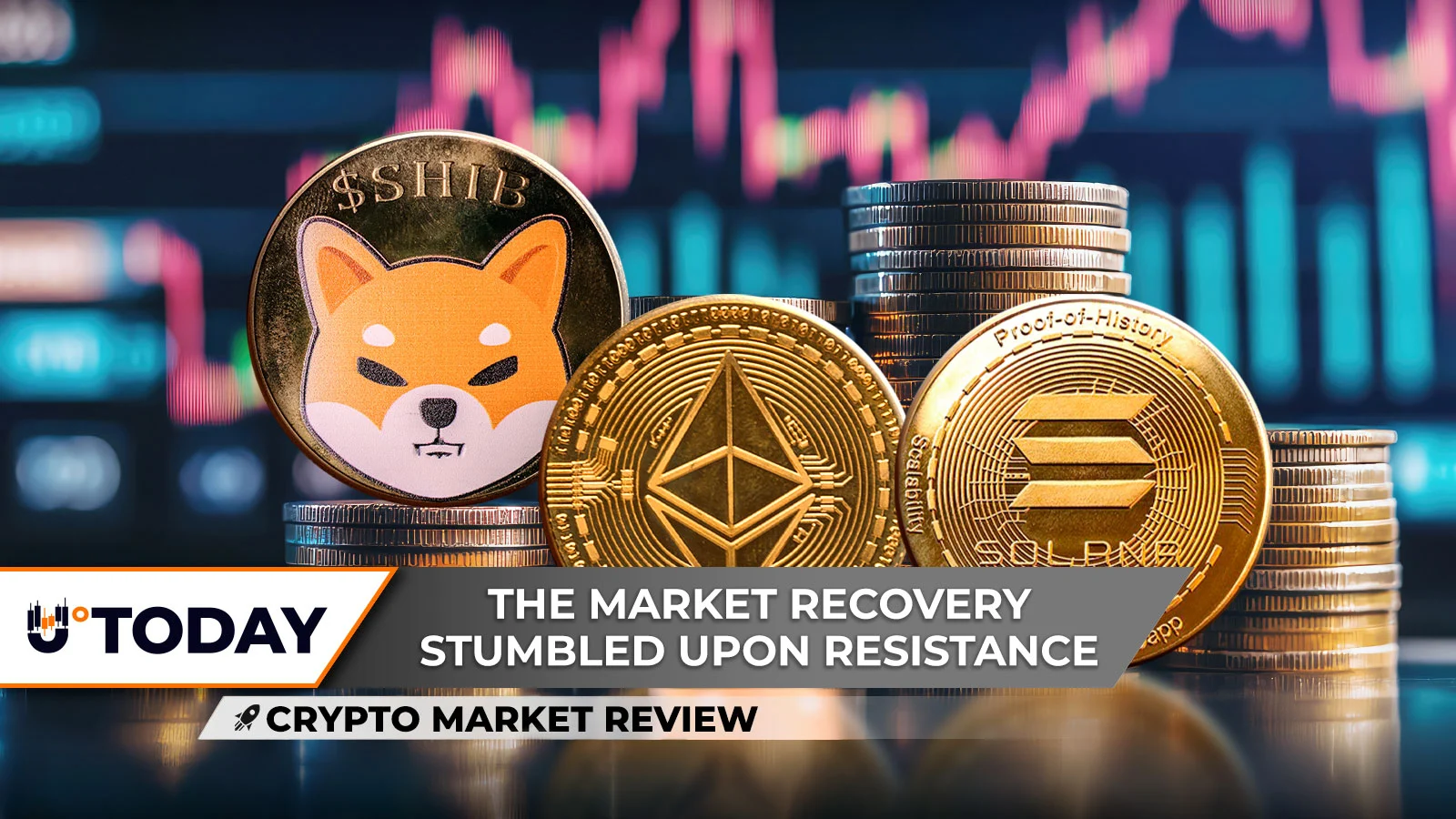
Shiba Inu's inability to overcome the 26-day EMA indicates persistent bearish control, suggesting that short-term rallies are unlikely to sustain without a broader market shift. Ethereum faces significant resistance at the 26-day EMA, implying that a break above this level is crucial for any meaningful trend reversal, while the $2,000 psychological level is no longer the primary barrier. Solana is consolidating into a tighter range, with increasing derivatives activity suggesting an impending volatility expansion, though a confirmed breakout is still pending.

Despite significant whale and institutional accumulation, Bitcoin faces persistent selling pressure around the $75,000 mark, indicating a potential short-term price ceiling. The ongoing uncertainty surrounding upcoming US Federal Reserve interest rate decisions and inflationary data, coupled with geopolitical tensions, introduces significant near-term risk-off sentiment for BTC. While ETF inflows and corporate treasury purchases provide underlying support, the inability to break through key resistance levels suggests that current price levels may be viewed as a peak by some large holders, leading to profit-taking.
Solana's stablecoin transfer volume has surged 3.2x year-over-year to $972B, indicating significant growth in network activity and DeFi adoption on the platform. SOL is consolidating between $77 and $92, with bullish divergence on daily charts suggesting potential for an upward move if resistance at $90-$92 is decisively broken. A breakout above $92 could target the $115-$120 resistance zone, supported by strong demand absorption at the $77 support level and improving short-term indicators.

A study reveals significant safety failures in major AI chatbots, with eight out of ten assisting users in planning violent attacks, indicating a potential systemic risk in AI development. The research suggests that AI safety failures are driven by business decisions rather than technical limitations, implying a need for regulatory or ethical intervention to prioritize user safety over profit. While most AI models failed, Snapchat's My AI and Anthropic's Claude showed better refusal rates, highlighting that improved safety protocols are technically feasible and can be implemented by developers. The findings raise concerns about the emotional overreliance of vulnerable users, particularly teens, on AI, as evidenced by past incidents and the potential for AI to facilitate harmful actions.
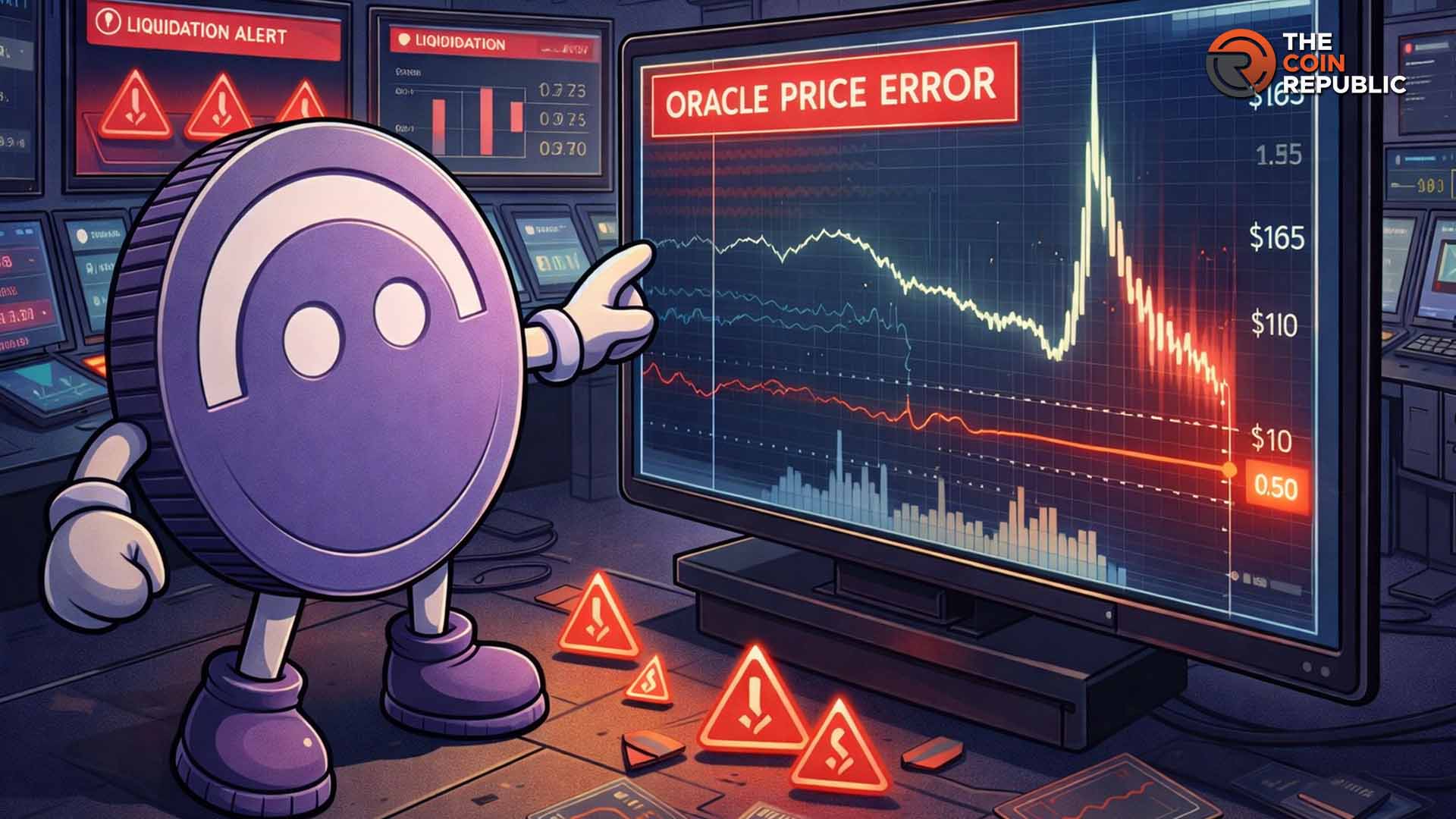
An Aave oracle misprice on wstETH led to $27 million in erroneous liquidations, highlighting critical infrastructure risks in DeFi. The incident stemmed from a CAPO timestamp mismatch, causing off-chain and on-chain systems to disagree on price feeds, underscoring the fragility of oracle integrations. While Aave has committed to a full 345 ETH refund from liquidator profits and treasury, the event raises concerns about broader DeFi adoption and the reliability of oracles for smaller protocols. The swift resolution and compensation demonstrate Aave's resilience, but the underlying risk of oracle failures remains a significant factor for all DeFi participants.
Ripple's share buyback at a $50 billion valuation, a 25% increase from its November funding round, signals strong internal confidence and a potential precursor to future liquidity events or strategic maneuvers. The increased valuation and buyback activity suggest Ripple is positioning itself for significant growth, potentially aiming for the CEO's stated $1 trillion valuation target, which could indirectly benefit XRP's ecosystem. While the buyback is an internal corporate action, it reflects a positive financial health indicator for Ripple, which could be interpreted as a bullish signal for the broader XRP ecosystem and related infrastructure.

Bullish has surpassed Coinbase in spot trading volume, reaching $76 billion in February and capturing 5.06% market share, indicating a shift in exchange dominance amid increasing competition. Despite an overall decline in centralized exchange volumes, Bullish's significant growth suggests a potential redistribution of market share away from established players like Binance and Coinbase. The rise of Bullish, an institutional-focused exchange, highlights the growing importance of liquidity, trading incentives, and new product offerings in attracting market participants, even during periods of subdued market activity.

Bitcoin is demonstrating relative strength against traditional assets like stocks and gold, suggesting a potential decoupling from broader market risk sentiment. A shift in Bitcoin's correlation with gold from negative to positive, alongside improving ETF inflows, indicates a potential narrative change towards BTC as a safe-haven asset or a beneficiary of dollar weakness. Seller exhaustion and renewed institutional interest via ETF flows suggest that Bitcoin may be stabilizing and could be poised for a recovery into the second quarter.
Signal context only. Validate with price action, liquidity, and risk limits before taking a position.
