
Navigating Crypto News

CoinFeather
Navigating Crypto News

Quick market read from this story
The landmark MOU between the SEC and CFTC establishes a clear jurisdictional framework, classifying Bitcoin and Ethereum as commodities, which should reduce regulatory uncertainty and potentially encourage institutional adoption.
This agreement signals a significant shift from an enforcement-led approach to a more coherent regulatory environment, effectively ending the 'Wild West' era for crypto in the US and providing a clearer path for innovation and compliance.
While not solving all issues, the MOU's focus on coordinated oversight and data sharing aims to reduce duplicative burdens on firms, fostering a more streamlined operational landscape for crypto businesses.
Deep Dive
On March 11, 2026, the Securities and Exchange Commission (SEC) and the Commodity Futures Trading Commission (CFTC) signed a landmark Memorandum of Understanding (MOU), officially concluding decades of jurisdictional disputes over digital assets. This agreement establishes a framework for coordinated oversight, aiming to reduce duplicative burdens on firms and bring clarity to the cryptocurrency industry.
The MOU formalizes data-sharing protocols, launches a Joint Harmonization Initiative for trade reporting and intermediary rules, and ends parallel enforcement actions. SEC Chairman Paul Atkins described it as a step toward a "new golden age of regulatory coherence," while CFTC Chair Michael S. Selig highlighted the goal of eliminating "duplicative, burdensome rules."
Under the new framework, Bitcoin and Ethereum are officially classified as commodities under CFTC oversight. Other digital commodities include Litecoin and "functional infrastructure tokens" tied to a blockchain's operational capabilities. The defining criteria for CFTC jurisdiction include sufficient decentralization (no single party controlling over 20% of supply or governance) and no profit rights or governance claims against a central issuer.
The SEC retains jurisdiction over assets primarily used for capital raising or representing financial claims against an issuer, such as initial coin offerings (ICOs) and certain governance tokens that do not meet decentralization thresholds. The Clarity Act, moving through Congress, introduces a transition mechanism allowing assets initially classified as securities to migrate to commodity status once their underlying blockchain is certified as mature and sufficiently decentralized.
Stablecoins pegged 1:1 to fiat currencies are primarily regulated by federal banking authorities under the GENIUS Act, with shared secondary trading oversight between the SEC and CFTC. NFTs remain a gray area, with the SEC monitoring creators for potential unregistered securities offerings. Prediction markets fall under CFTC leadership, with a specific regulatory proposal pending.
This MOU aligns with a broader global trend toward establishing purpose-built rules for digital assets. In Europe, the Markets in Crypto-Assets Regulation (MiCA) is now in effect, providing a comprehensive licensing and disclosure regime. In the U.S., the GENIUS Act established federal oversight for fiat-backed payment tokens, and the Clarity Act aims to define the jurisdictional line between "digital investment assets" and "digital commodities."
The agreement marks a significant shift from the previous environment characterized by an aggressive enforcement-first strategy by the SEC and conflicting regulatory philosophies. This uncertainty had previously hindered institutional adoption and led to capital migration. With harmonized oversight and a shared classification framework, the U.S. crypto market is expected to experience greater clarity and integration into the global financial system, effectively ending the industry's "Wild West" era.
Source, catalyst, and sector overlap from the latest feed.
Spot crypto ETFs saw a net inflow of $174 million on March 11, reversing a recent trend of outflows and suggesting some institutional investors view current price levels as potential entry points. Despite the positive ETF flows, market sentiment remains cautious, indicated by the Fear & Greed Index at 26, suggesting that sustained price recovery is contingent on broader macro conditions and stabilization above key price levels. Institutional demand for Bitcoin ETFs is increasingly concentrated in BlackRock's IBIT, while Ethereum ETFs showed balanced inflows across multiple issuers, indicating a potential shift in preferred investment vehicles. Solana ETFs, despite offering staking yields, have not attracted significant institutional demand, with recent flows remaining minimal, reflecting broader price weakness and competition within the ETF market.
The FDIC's proposed rule to exclude payment stablecoins from federal deposit insurance, including pass-through coverage, signals a clear regulatory stance that stablecoins are not equivalent to bank deposits. This regulatory clarification, stemming from the GENIUS Act, creates a distinct advantage for tokenized deposits issued by FDIC-insured banks over non-bank stablecoin issuers, potentially driving institutional capital towards regulated banking products. The divergence in compliance paths between Circle and Tether, with Tether launching a new OCC-supervised token, highlights the evolving landscape and potential market shifts driven by these new regulatory requirements. The FDIC's proposal, by reinforcing the GENIUS Act's prohibition on government safety nets for stablecoins, suggests that issuers must rely solely on their own reserve infrastructure, increasing counterparty risk for users of non-bank stablecoins.
Aave founder Stani Kulechov proposes a significant DAO governance overhaul, suggesting professional teams handle day-to-day decisions to improve efficiency and mitigate political maneuvering. The proposed changes aim to address Aave's governance cracks, highlighted by concentrated voting power (three wallets controlling over 58%) and recent departures of key contributors due to funding and IP disputes. While Aave maintains a substantial $26.5B TVL, the ongoing governance dysfunction poses a risk to its competitive edge in the DeFi sector, potentially impacting investor confidence and future development. Kulechov's call for reform aligns with broader industry trends towards modular governance and liquid democracy, suggesting a potential shift in how DAOs operate to foster more effective decision-making.
Foundry Digital's entry into Zcash mining with institutional-grade infrastructure, despite ZEC trading significantly below its all-time high, signals a potential long-term confidence play by a major player in the mining sector. The launch of a compliant, U.S.-based mining pool for Zcash aims to address institutional demand for regulated infrastructure, potentially mitigating some of the risks associated with privacy coins amidst increasing global regulatory scrutiny. While Foundry's move provides a crucial infrastructure upgrade, the Zcash ecosystem faces significant headwinds from internal development turmoil and intensifying regulatory crackdowns on privacy coins, creating a complex risk-reward scenario for ZEC.
Australia's financial regulator, ASIC, is prioritizing regulation based on economic function over technological labels, signaling a shift towards applying existing securities and payment laws to crypto assets. The upcoming Digital Assets Framework Bill 2025, with a June 30, 2026 licensing deadline, aims to bring crypto intermediaries under established financial regulations, potentially unlocking significant productivity gains but also imposing substantial penalties for non-compliance. ASIC's stance that identifiable parties influencing protocols are subject to regulation, even in decentralized systems, challenges the notion of decentralization as a regulatory shield and will impact how projects structure their governance. While the framework could resolve de-banking issues by providing clear legal status, industry leaders are pushing for more precise definitions to avoid overly broad regulatory powers and extensive discretionary authority for ASIC.
Ghana's launch of a 12-month crypto regulatory sandbox for 11 firms signifies a proactive approach to integrating digital assets, potentially paving the way for clearer operational frameworks and increased institutional confidence in the region. The sandbox initiative, following Ghana's Virtual Asset Service Providers Act, allows regulators to observe real-world crypto operations, assess risks, and refine licensing rules, which could lead to a more structured and compliant market environment. By testing services under supervision, participating firms gain an opportunity to adapt to emerging regulations, potentially de-risking future full-scale operations and attracting further investment into Ghana's developing digital asset ecosystem.
Victims of a Chinese fraud are challenging a UK redress plan for 61,000 seized Bitcoin, arguing it could prevent them from capturing the asset's significant gains. The legal dispute highlights the complex issue of crypto asset appreciation between seizure and restitution, potentially impacting how authorities handle future confiscated digital assets. A UK High Court hearing will determine whether English or Chinese law governs the claims, a decision that could set a precedent for international crypto asset recovery cases.
Investors are suing JPMorgan Chase, alleging the bank facilitated a $328 million crypto Ponzi scheme by allowing suspicious transactions and fund flows. The lawsuit highlights a potential failure in JPMorgan's KYC/AML processes, despite CEO Jamie Dimon's public skepticism towards Bitcoin. This development could lead to increased scrutiny of traditional financial institutions' involvement with cryptocurrency-related activities and potential regulatory implications.
CFTC Chair Michael Selig's warning about crypto market manipulation and fraud signals increased regulatory scrutiny, potentially impacting exchange operations and derivatives platforms. The explicit reference to preventing 'another FTX' highlights a heightened focus on enforcement and risk controls, suggesting a more aggressive stance from regulators towards market integrity. While expressing concerns, the CFTC aims to foster innovation within the U.S., indicating a balancing act between oversight and encouraging domestic crypto development.
The SEC and CFTC have reached a settlement, signaling a potential end to the 'regulation by enforcement' era and aiming to clarify the security vs. commodity debate for digital assets. CFTC Commissioner Caroline Pham's six-point plan proposes regulatory harmonization, modernization of financial frameworks, and fit-for-purpose rules to establish the US as a global crypto capital. This development could significantly reduce legal uncertainty and litigation costs for crypto firms, potentially fostering innovation and attracting capital to the US market.
Bitcoin's consolidation around $70K, despite strong spot support, indicates cautious market sentiment and a struggle to extend gains, driven by a mix of dip-buying interest and trader de-risking. Significant liquidations exceeding $350M across BTC and ETH highlight the ongoing punishment of over-leveraged traders in a choppy market, where price action is characterized by stop-outs on both long and short positions. Ethereum and altcoins are exhibiting beta-like behavior to Bitcoin, with selective capital flows favoring narratives like AI and L2s, while the broader altcoin market underperforms amid Bitcoin's range-bound price action. The current market environment, marked by 'extreme fear' and 'ping-pong' liquidation patterns, suggests a lack of clear directional conviction and a high degree of short-term volatility for traders.
Cardano whale holdings have decreased by 130 million ADA in the past week, indicating potential selling pressure that could impact ADA's price in the short term. Despite whale selling, ADA has shown relative strength compared to Bitcoin, paring losses after a broader market dip influenced by geopolitical tensions. The recent adoption of ADA by Swiss SPAR supermarkets and the USDC stablecoin going live on the Cardano blockchain provide underlying fundamental support, potentially offsetting short-term selling pressure.
BlackRock's launch of the iShares Staked Ethereum Trust ETF (ETHB) introduces a product that combines spot ether exposure with staking rewards, directly addressing investor demand for yield within traditional ETF structures. The introduction of ETHB signifies a strategic move by BlackRock to capture crypto-native investors who previously held back from ETFs due to the loss of staking yield, potentially increasing institutional adoption of ether. By offering staking rewards, the ETHB ETF aims to make ether more attractive to institutional investors by providing a cash-flow-like characteristic, potentially enhancing its comparability to other income-generating assets in portfolio models.
Bitcoin buyers are showing increased activity in derivatives markets, indicated by positive net taker volume, suggesting a potential shift in short-term sentiment. The critical resistance level for Bitcoin to break the current downtrend is identified at $78,000, a level that has historically acted as a significant price ceiling. Despite signs of a relief rally, the overall market remains in a bearish phase, with the $78,000 mark being crucial for a sustained trend reversal. Continued inflows into spot Bitcoin ETFs provide underlying support, but the price action is currently constrained within a consolidation range, awaiting a decisive breakout.
Ripple's executive highlights a strategic shift from speculative crypto trading to real-world utility, emphasizing the role of stablecoins and digital assets in enterprise treasury operations. The partnership with Mastercard signifies a move towards integrating blockchain technology with traditional financial infrastructure, potentially accelerating mainstream adoption of digital currencies for payments. Ripple's ongoing expansion, including licensing acquisitions and focus on emerging markets, indicates a broader strategy to embed its solutions within global financial systems.
Live Feed
Loading the broader stream in the same flow as the homepage feed.
Reliance Industries' stock saw a modest uptick following the announcement of its backing for a significant US refinery project, signaling potential future revenue streams and international expansion. The $300 billion refinery project, the first major US refinery plan in decades, represents a substantial investment in traditional energy infrastructure, potentially impacting global oil markets and energy security narratives. While the news is positive for Reliance, the immediate stock price reaction was muted, suggesting that the market is awaiting further details or that the impact is largely long-term and not a near-term trading catalyst.
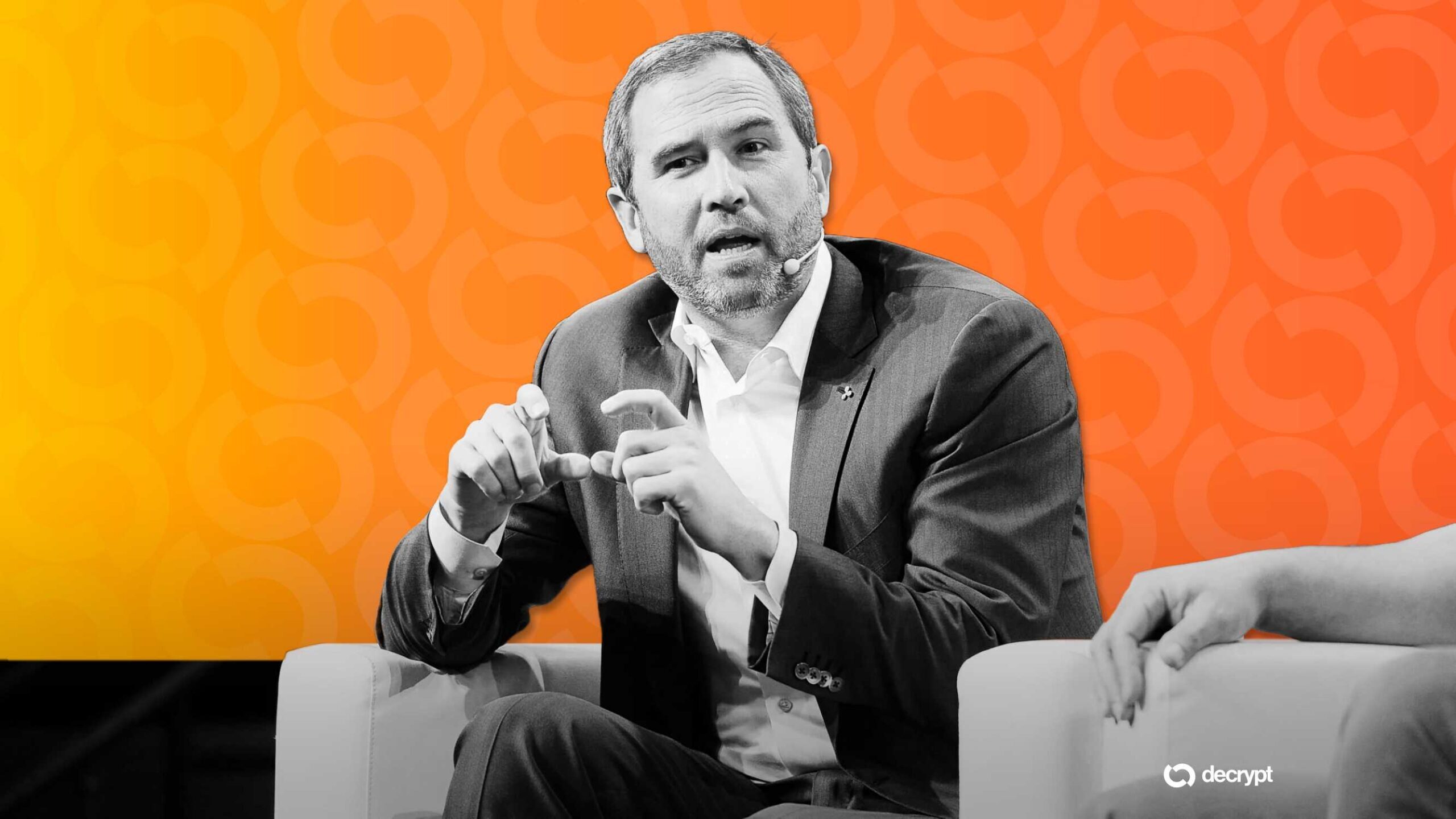
Ripple's $750M share buyback at a $50B valuation signals strong internal confidence and provides liquidity for stakeholders without an immediate IPO, potentially influencing future valuation benchmarks. Across Protocol's proposal to transition from a DAO to a C-corp and offer token-for-equity swaps represents a significant structural experiment in DeFi governance and tokenomics, with ACX price action indicating market interest. Mastercard's Crypto Partner Program, including major players like Binance and Ripple, aims to bridge on-chain capabilities with traditional payment rails, suggesting a move towards mainstream integration of digital assets in payments. The DOJ's investigation into Binance's alleged role in sanction evasion and Binance's subsequent defamation lawsuit against the WSJ highlight ongoing regulatory scrutiny and legal battles faced by major exchanges.

Geopolitical tensions in the Gulf are driving oil prices above $100, creating a risk-off environment that initially pressures Bitcoin but may foster long-term structural demand for censorship-resistant assets. The sustained high oil prices diminish the likelihood of a near-term Federal Reserve pivot, suggesting Bitcoin may remain range-bound or trend downwards through Q1 due to tighter financial conditions. Despite short-term volatility, Bitcoin has demonstrated resilience by outperforming gold and the Nasdaq-100 since the recent escalation of conflict, indicating a potential decoupling from traditional risk assets under prolonged geopolitical stress. Analysts are divided on Bitcoin's immediate trajectory, with market participants assigning equal probability to significant upward or downward price movements, reflecting uncertainty in the current macro environment.

Binance's lawsuit against the Wall Street Journal over alleged defamatory reporting on Iran-linked transactions signals a significant legal battle that could impact regulatory scrutiny and public perception of the exchange's compliance efforts. The exchange's strong denial and counter-suit suggest a strategic defense against claims that could have material implications for its operational integrity and market standing. This development highlights the ongoing tension between crypto exchanges and media outlets regarding reporting on compliance and illicit finance, potentially influencing investor confidence in the short term.

The surge in Binance's futures-to-spot volume ratio to 5.1 indicates a market increasingly driven by leveraged positions rather than direct asset ownership, suggesting heightened sensitivity to liquidations and potential for outsized, short-lived price swings. While derivatives growth can signal market maturation, a significant imbalance where futures volume outpaces spot suggests increased market fragility, potentially leading to amplified volatility even if the net price movement is minimal over time. The confluence of high futures-to-spot ratios with negative on-chain demand and rising supply in loss suggests that current price action may be more susceptible to sharp corrections, as underlying demand appears weak despite derivative market activity.

Despite Bitcoin's resilience around $70,000, significant open interest in $20,000 puts on Deribit suggests a portion of the market is positioning for a potential downturn, indicating underlying caution. While some traders are selling far out-of-the-money puts as a premium-gathering strategy, the sheer volume of open interest in $20,000 puts warrants attention as a potential indicator of bearish sentiment or hedging activity. The article highlights that excess leverage is being flushed out of BTC, which analysts suggest could create a more stable foundation for future upside moves, contrasting with the bearish options positioning. Broader market volatility, driven by rising oil prices and geopolitical tensions, is increasing volatility in U.S. Treasury markets, which could lead to financial tightening and pressure risk assets like cryptocurrencies.
LinkedIn's successful 2011 IPO at $45 per share, surging over 100% on debut, demonstrated significant investor appetite for professional networking platforms. The acquisition by Microsoft in 2016 for $26.2 billion at $196 per share marked the delisting of LNKD, shifting investment exposure to MSFT. LinkedIn's historical performance as LNKD serves as a case study for tech IPOs, highlighting the potential for high growth, market valuation, and eventual acquisition.

Strategy's STRC product is driving significant Bitcoin accumulation, with an estimated 7,000 BTC purchased this week, highlighting its role as a key capital strategy engine. Despite strong demand and a high yield (11.5%), Two Prime CEO Alexander Blume warns of inherent risks in the STRC product, emphasizing that yields above Treasuries come with additional risk. Corporate interest in STRC is growing, with Strive and Apyx disclosing allocations, suggesting a broader trend of institutional adoption of yield-generating crypto-linked instruments. The STRC structure, while designed to maintain a $100 par value, carries the risk of trading below par if confidence in Strategy, Bitcoin, or the product itself erodes, potentially causing significant damage.

Bitcoin demonstrates significant resilience, holding near $70,000 despite widespread market pessimism and geopolitical tensions, outperforming traditional assets like the S&P 500 and gold. Persistent negative funding rates on Bitcoin perpetual futures and a deeply fearful sentiment index suggest that bearish sentiment is entrenched, yet price action contradicts this outlook. Institutional accumulation, evidenced by demand for Bitcoin ETFs like IBIT and private transactions, appears to be a key driver supporting Bitcoin's price against prevailing negative market sentiment. The current market environment, characterized by geopolitical risk and stock market losses, is highlighting Bitcoin's potential role as a safe-haven or uncorrelated asset, despite its own internal market fear indicators.
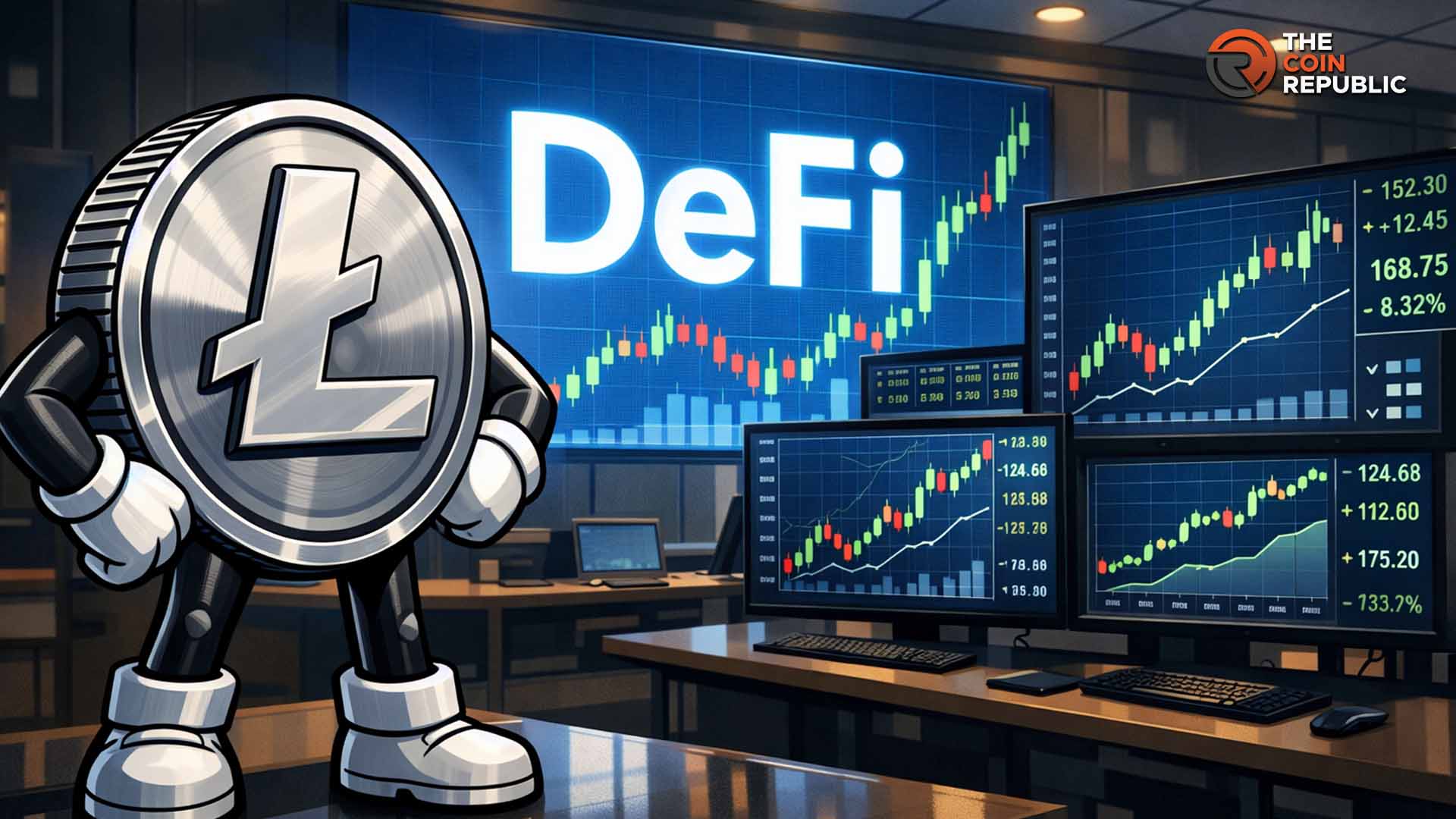
Litecoin's expansion to the Base network as a wrapped asset (cbLTC) enhances its DeFi accessibility, potentially attracting new use cases for the established cryptocurrency. Despite increased DeFi access, LTC price remains in a sideways range, with declining active addresses suggesting a lack of broad market enthusiasm despite some on-chain accumulation signals. The integration into Base offers Litecoin a pathway to leverage Layer 2 ecosystems, but its impact on price action is currently muted by weak overall demand and subdued whale activity.

The staking of over $1 million in RIVER tokens tightens circulating supply, potentially amplifying price movements on increased demand. RIVER token is consolidating within a key demand zone between $14.5 and $18, suggesting potential for a bullish continuation if support holds. A decisive breakout above $18.5 could trigger a new bullish leg for RIVER, with targets potentially reaching the $22-$30 range.
Signal context only. Validate with price action, liquidity, and risk limits before taking a position.
