
Navigating Crypto News

CoinFeather
Navigating Crypto News
Quick market read from this story
Ripple's $750M share buyback at a $50B valuation signals strong internal confidence and provides liquidity for stakeholders without an immediate IPO, potentially influencing future valuation benchmarks.
Across Protocol's proposal to transition from a DAO to a C-corp and offer token-for-equity swaps represents a significant structural experiment in DeFi governance and tokenomics, with ACX price action indicating market interest.
Mastercard's Crypto Partner Program, including major players like Binance and Ripple, aims to bridge on-chain capabilities with traditional payment rails, suggesting a move towards mainstream integration of digital assets in payments.
The DOJ's investigation into Binance's alleged role in sanction evasion and Binance's subsequent defamation lawsuit against the WSJ highlight ongoing regulatory scrutiny and legal battles faced by major exchanges.
Deep Dive
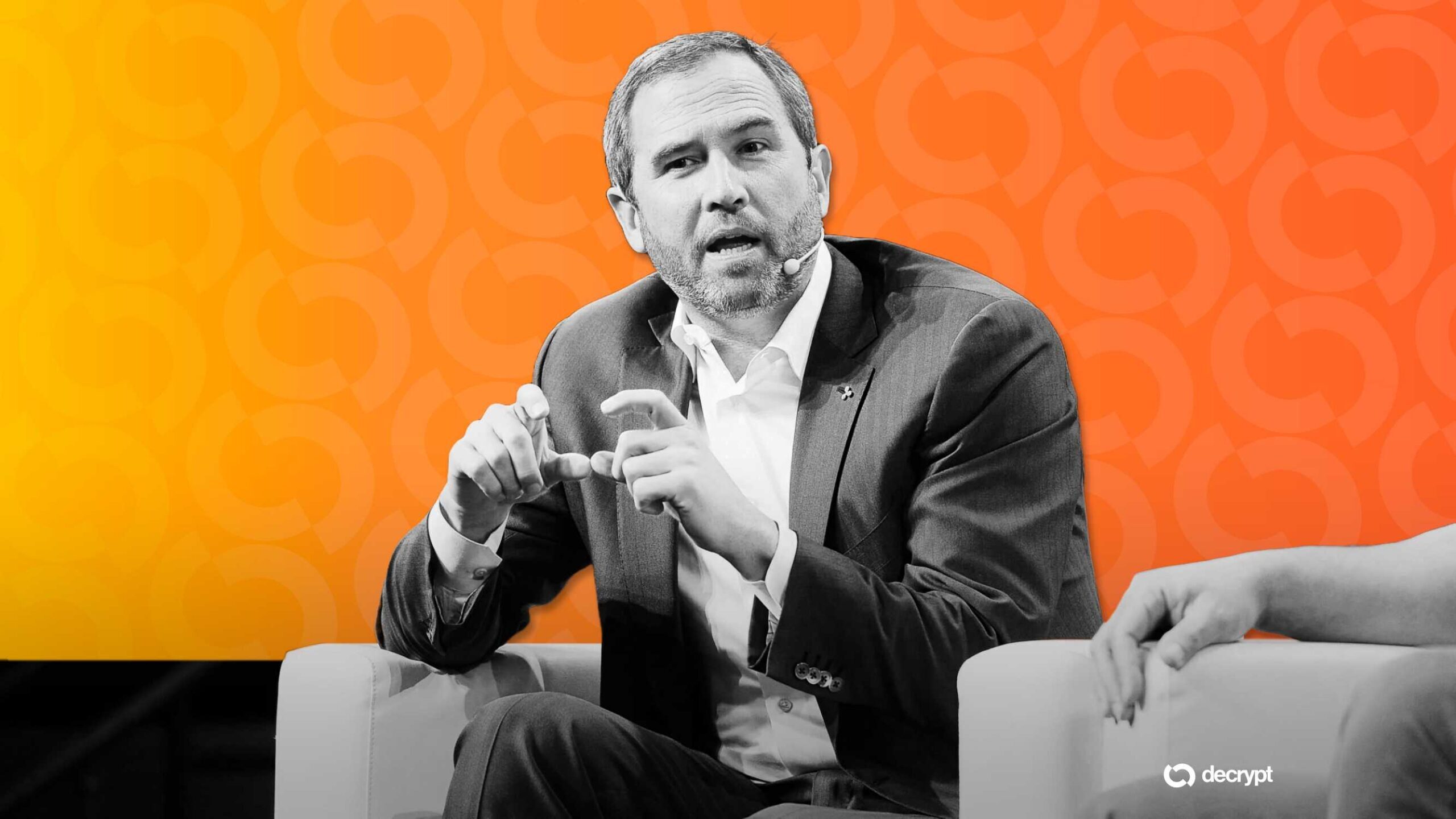
In a significant move for the crypto industry, Ripple has initiated a tender offer to buy back up to $750 million in shares from employees and early investors, valuing the company at $50 billion. This strategic decision offers liquidity to stakeholders without the immediate need for an IPO, as CEO Brad Garlinghouse reiterates his ambition for Ripple to become a trillion-dollar crypto company.
Across Protocol, a prominent cross-chain bridge, is exploring a radical structural change by proposing a transition from a Decentralized Autonomous Organization (DAO) to a U.S. C-corporation, named AcrossCo. This initiative would allow ACX token holders to exchange their tokens for equity in the new company or redeem them for USDC at a premium. The proposal has already seen ACX tokens surge by approximately 85%.
Mastercard has launched its Crypto Partner Program, onboarding over 85 companies, including major players like Binance, Circle, Ripple, and PayPal. This program aims to foster collaboration on future products, focusing on integrating on-chain payments and settlement speeds with Mastercard's extensive global merchant network. Key areas of focus include cross-border payments, B2B transfers, and global payouts.
Reports indicate that the U.S. Department of Justice is investigating whether Iranian networks have utilized Binance to move over $1 billion in funds, potentially violating U.S. sanctions. In parallel, Binance has filed a defamation lawsuit against Dow Jones, the publisher of The Wall Street Journal, over a February report alleging the exchange fired compliance staff who flagged suspicious Iran-linked transactions. Binance denies these allegations, stating its own investigation found no direct transactions with sanctioned Iranian entities.
Myriad has announced significant updates, including the migration of its prediction markets to BNB Chain and the adoption of World Liberty Financial's USD1 stablecoin as its exclusive settlement asset. The platform is also launching Season 3, introducing a central limit order book to replace its Automated Market Maker (AMM) structure, enhancing features like slippage controls and limit orders. A new Myriad Wallet with MoonPay integration is also set to launch.
Crypto markets saw major assets like Bitcoin and Ethereum trade higher, alongside a rebound in oil prices. The HYPE/BTC ratio reached a new all-time high. In regulatory news, the FDIC Chairman confirmed that stablecoin users will not receive FDIC deposit insurance, a sentiment echoed by the American Bankers Association's concerns about stablecoins posing risks to traditional banks. Northwestern Mutual reported that a significant percentage of Americans invested in prediction markets and crypto view them as faster paths to wealth. Revolut secured a UK banking license, paving the way for expanded crypto services.
Bitcoin ETFs experienced net inflows of $115 million, while Ethereum ETFs saw $57 million in inflows. The meme coin market showed mixed performance, with some tokens like DOGE and SHIB trading higher. NFT markets were largely down, with notable exceptions like DXTerminal and XCOPY's 'The Fud' selling for 200 ETH.
Source, catalyst, and sector overlap from the latest feed.
Tether's investment in Ark Labs signals a strategic push to revive stablecoin utility on Bitcoin's base layer, potentially expanding its footprint beyond legacy platforms. Ark Labs' Arkade aims to enhance Bitcoin's transaction processing for stablecoins and RWAs via off-chain execution, addressing scalability limitations inherent in smart contract-less blockchains. While Tether has not committed to issuing USDT on Arkade, the funding and technological focus suggest a potential future integration, impacting the stablecoin infrastructure landscape. The development highlights a growing trend of building complex financial applications on Bitcoin's infrastructure, moving beyond its traditional role as a store of value.
Athletes drafted on Thursday to compete in the MoonPay X Games League are set to receive signing bonuses in Exodus-powered stablecoins.
BlackRock's new ETHB fund launches with a competitive 0.12% introductory fee, passing 82% of staking rewards to investors, positioning it against Grayscale's offerings. The introduction of ETHB, which offers direct staking rewards, is expected to attract investors seeking yield and potentially draw capital from direct ETH holdings and competitor products. With BlackRock entering the staked ETH ETF market, increased institutional adoption and potential capital inflows into Ethereum staking products are anticipated.
The sentencing of Zhang Xinghua in Singapore for his role in the $6.9M SafeX theft, including laundering funds via Tornado Cash, underscores the ongoing legal risks associated with illicit crypto activities. While authorities have recovered $2.1M of the stolen funds, the remaining $4.8M highlights the challenges in tracing and seizing assets moved through privacy tools and offshore wallets. This case reinforces the regulatory scrutiny on privacy-enhancing technologies like Tornado Cash, despite recent mixed signals from US authorities, potentially impacting their future utility and adoption.
Geopolitical tensions in the Gulf are driving oil prices above $100, creating a risk-off environment that initially pressures Bitcoin but may foster long-term structural demand for censorship-resistant assets. The sustained high oil prices diminish the likelihood of a near-term Federal Reserve pivot, suggesting Bitcoin may remain range-bound or trend downwards through Q1 due to tighter financial conditions. Despite short-term volatility, Bitcoin has demonstrated resilience by outperforming gold and the Nasdaq-100 since the recent escalation of conflict, indicating a potential decoupling from traditional risk assets under prolonged geopolitical stress. Analysts are divided on Bitcoin's immediate trajectory, with market participants assigning equal probability to significant upward or downward price movements, reflecting uncertainty in the current macro environment.
Tether's strategic investment in Ark Labs signals a significant push to enhance Bitcoin's utility for stablecoin settlements and programmable payments, potentially unlocking new use cases beyond simple store-of-value. The $5.2 million funding round for Ark Labs, backed by Tether, highlights growing interest in developing Bitcoin's infrastructure for complex financial applications, which could increase demand for BTC as a settlement layer. This development reinforces Tether's strategy to expand its ecosystem beyond USDT issuance, aiming to integrate its stablecoin more deeply into various blockchain networks, including Bitcoin's.
Cryptio's successful $45 million Series B funding round indicates growing institutional demand for robust crypto accounting solutions. The funding, led by BlackFin Capital Partners and Sentinel Global, highlights investor confidence in the crypto infrastructure sector amidst evolving regulatory and accounting landscapes. This development suggests a positive outlook for companies providing essential financial tooling for digital assets, potentially benefiting related infrastructure plays.
Mastercard's integration of Ripple into its $9 trillion payment ecosystem signals a significant step towards mainstream adoption of blockchain for cross-border and B2B payments. The partnership leverages Ripple's expertise to enhance efficiency and cost-effectiveness within traditional payment rails, potentially increasing demand for XRP-related infrastructure. This collaboration underscores Mastercard's strategic focus on bridging digital assets with established financial systems, positioning it as a key player in the evolving payment landscape.
Speculation around a Kraken listing for PI token is driving a price rally, suggesting traders are anticipating increased liquidity and accessibility. The Pi Network's recent Protocol v20.2 upgrade and upcoming Pi Day event provide a confluence of catalysts that could sustain bullish momentum. With PI trading above key support levels and showing bullish technical indicators, a confirmed breakout above $0.32 could signal further upside potential.
The FATF's warning highlights regulatory challenges posed by offshore crypto firms, potentially leading to increased scrutiny and compliance demands for VASPs operating across multiple jurisdictions. The report's focus on offshore VASPs and P2P stablecoin transfers suggests a growing regulatory push to close AML/CFT loopholes, which could impact the operational freedom and cost structure of certain crypto services. While not a direct market event, the FATF's emphasis on regulatory gaps and potential enforcement actions serves as a cautionary signal for the broader crypto industry regarding compliance and jurisdictional risks.
Grayscale's launch of an Avalanche Staking ETF on Nasdaq signifies increasing institutional adoption and product development within the crypto ETF space, potentially driving demand for AVAX. The ETF's strategy to stake AVAX for rewards, averaging 7.36% last year, presents a yield-generating opportunity for traditional investors, which could attract capital into the Avalanche ecosystem. This development, following VanEck's similar ETF, indicates a growing trend of traditional finance integrating with Layer 1 blockchains, particularly those with strong DeFi and gaming ecosystems like Avalanche.
Chainlink (LINK) is showing signs of a potential breakout from a year-long consolidation, with recent price action suggesting building bullish momentum that could target a 50% upside move if resistance at $9.5 is decisively cleared. Technical indicators like bullish divergence on the weekly RSI, despite a downward trend in Chaikin Money Flow, suggest weakening selling pressure and a possible trend reversal, though sustained support above $8 is crucial. A successful reclaim of the $9.5 resistance level could pave the way for mid-term targets around $12 and $15-$16, while a breakdown below $8 risks a drop to $6.5 or the long-term support at $5.5.
Sam Bankman-Fried alleges Gary Gensler orchestrated a "covert campaign" to consolidate crypto regulatory power under the SEC, potentially hindering innovation by creating licensing uncertainty. The commentary from SBF, despite his conviction, highlights ongoing debates about SEC vs. CFTC jurisdiction, suggesting that regulatory clarity remains a significant challenge for the crypto market. The shift in regulatory approach under Paul Atkins, contrasted with Gensler's enforcement-heavy strategy, indicates a potential change in how crypto assets will be regulated, impacting market participants' strategies.
Live Feed
Loading the broader stream in the same flow as the homepage feed.
Bitcoin price action remains range-bound around $70,000 as US macro data fails to provide a clear directional catalyst. The market's expectation for a March Fed rate cut has fallen below 1%, removing a key potential tailwind for crypto assets in the near term. Analysts suggest that Bitcoin's current price consolidation could persist for several more weeks before a significant breakout or breakdown occurs. Despite recent price action, historical analysis indicates Bitcoin may be further along in its bear market correction than time-based metrics suggest.
Discover what investors should know about Twitch stock, including its ownership under Amazon and whether a future IPO could happen.
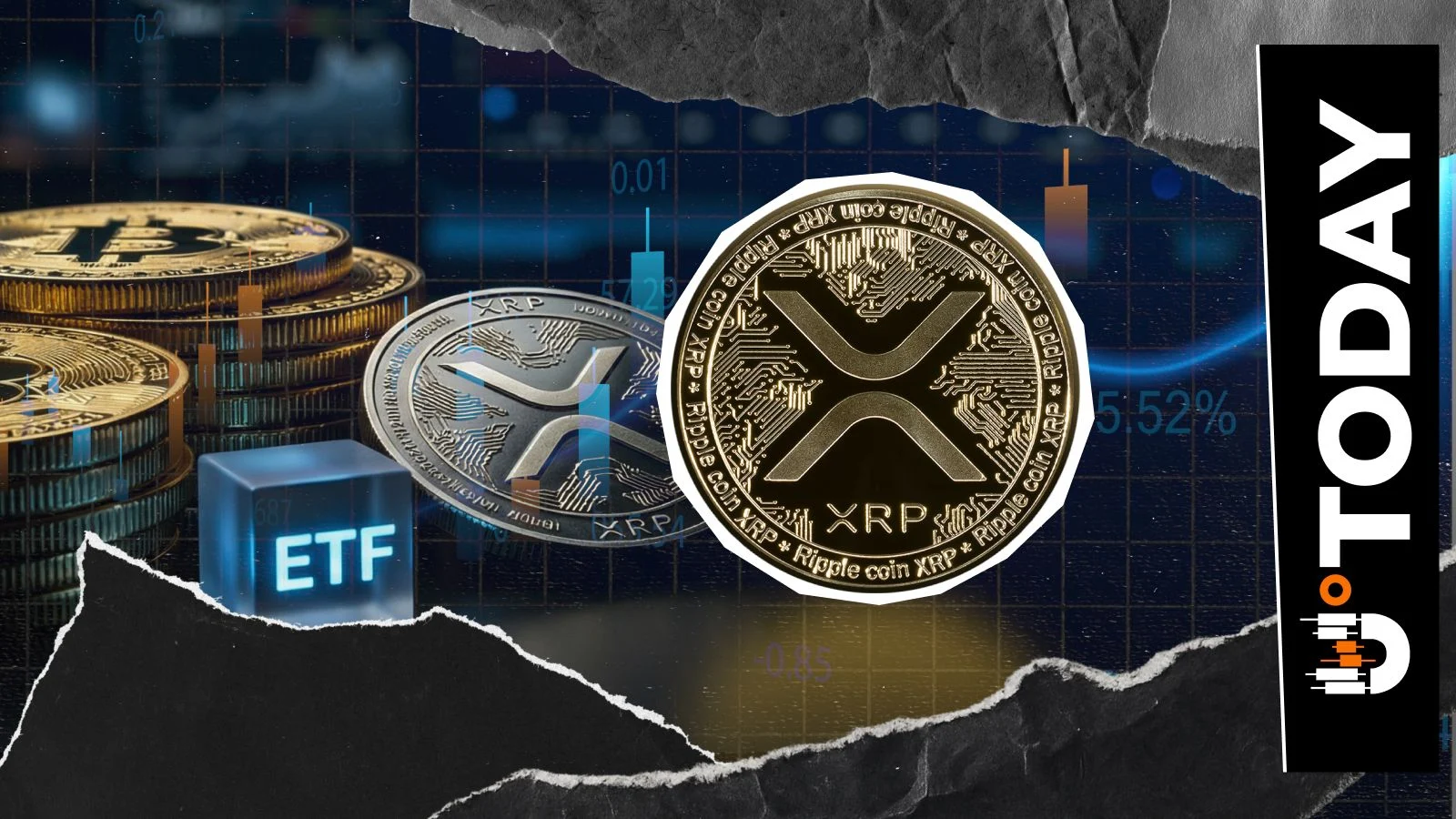
XRP ETF investors have reversed sell-off trend, a move that may be positive for the price.
Dogecoin price rebounds near $0.095 with rising momentum as analysts highlight cycle patterns that could push DOGE toward $0.73, $1.25, or even $1.80.

Aptos (APT), down 2.3% from Wednesday, was also among the underperformers.
BlackRock’s iShares Staked Ethereum Trust ETF will trade on the Nasdaq, offering spot exposure and staking income with a reduced 0.12% fee on the first $2.5 billion.

The announcement of a new US oil refinery, while politically framed for immediate consumer relief, has a groundbreaking timeline in Q2 2026, indicating no near-term impact on current inflationary pressures. Persistent energy inflation driven by geopolitical factors can lead to tighter liquidity conditions, potentially pressuring risk assets like Bitcoin as central banks remain cautious on rate cuts. While short-term inflation may pressure Bitcoin, sustained commodity shocks and monetary instability could reinforce the long-term narrative for scarce digital assets as an inflation hedge. The political framing of the refinery project as a solution to immediate gasoline price hikes is mismatched with its multi-year production timeline, suggesting the primary impact is symbolic rather than material for current market conditions.
NTPC Green Energy's stock surge of over 15% follows the commercial operation of a 270 MW solar project, indicating positive market reaction to capacity expansion. The successful integration of 270 MW into NTPC Green Energy's portfolio, boosting total capacity to over 9.5 GW, aligns with the company's strategic goal of achieving 60 GW from renewables by 2032. This development highlights a growing trend in traditional energy companies expanding their renewable energy footprint, potentially signaling a broader shift in the energy sector.

Historical data from Binance Research suggests that US midterm election cycles have preceded significant rebounds in both Bitcoin and the S&P 500, indicating a potential recovery window for risk assets post-election. While historical patterns point to a post-midterm rally, near-term market sentiment remains cautious due to ongoing geopolitical tensions in the Middle East and their potential impact on oil prices and risk asset performance. The market is currently in a 'wait-and-see' phase, with Bitcoin fluctuating below $70,000, awaiting clearer directional signals from macro events and the resolution of geopolitical uncertainties.

Despite significant ETF inflows totaling $1.4 billion since November 2025, XRP's price has declined approximately 45% from its launch high, indicating a disconnect between investment vehicle demand and underlying asset performance. The majority of XRP ETF inflows are driven by retail investors, with institutional participation, such as Goldman Sachs' $154 million holding, only beginning to emerge, suggesting potential for future institutional adoption if price trends stabilize. Recent outflows from U.S. spot XRP ETFs since March 5th, coupled with tightening Bollinger Bands around $1.38, suggest potential for increased volatility, with analysts eyeing a $2 retest if buying pressure resumes.

Blockchains are increasingly launching or incubating their own perpetual decentralized exchanges (perp DEXs) to capture significant derivatives trading volume, which historically dominates spot markets. Despite the race to host perp DEXs, historical market dynamics suggest liquidity will likely consolidate around a few dominant platforms, mirroring trends seen in traditional finance. The development of perp DEXs is becoming a core infrastructure play for blockchains, aiming to attract liquidity, hedging activity, and arbitrage flows to strengthen their ecosystems. While on-chain platforms offer transparency and composability, centralized exchanges still hold advantages in order handling, risk management, and privacy, creating a competitive landscape for derivatives trading.
Signal context only. Validate with price action, liquidity, and risk limits before taking a position.
