
Navigating Crypto News

CoinFeather
Navigating Crypto News
Source, catalyst, and sector overlap from the latest feed.
Dogecoin is approaching a key psychological resistance at $0.10, with recent price action showing an 8.16% gain in 24 hours and an 11% weekly increase, indicating a potential short-term bullish trend. Technical indicators suggest consolidation within a triangle pattern on the four-hour chart, potentially signaling a 37% price move, though confirmation is pending market catalysts. The market is awaiting key economic data releases this week, including inflation figures, which could influence broader risk asset sentiment and impact Dogecoin's near-term price trajectory.
Ripple's strategic focus on Turkey, Nigeria, and the UAE for its new stablecoin RLUSD highlights significant regional demand for digital dollar alternatives. The identified markets represent key growth areas for stablecoin adoption, driven by currency volatility in Turkey, remittance needs in Nigeria, and institutional adoption in the UAE. RLUSD's positioning as a tool for capital protection and efficient cross-border payments suggests a strategic move to capture substantial market share in these emerging economies.
Live Feed
Loading the broader stream in the same flow as the homepage feed.

Bitcoin's recovery above $70,000 is directly linked to the easing of geopolitical tensions in the Middle East, which has led to a significant drop in crude oil prices and reduced near-term inflation fears. The market is closely watching upcoming US CPI data to determine if Bitcoin's recovery is sustainable, as a continued disinflationary trend would support Fed rate cut expectations and risk assets. A renewed surge in oil prices above $100 could reignite inflation concerns, potentially leading to a retest of Bitcoin's $60,000 support level as the Fed's policy tightens. Despite recent volatility, strong institutional inflows into spot Bitcoin ETFs and rising stablecoin liquidity suggest underlying demand that could support prices if macro conditions remain favorable.

BlockDAG's deployment of physical mining hardware between April and June, prior to community deposits opening, signals a commitment to network security and decentralization, potentially enhancing its long-term viability. The strategic sequencing of BlockDAG's growth phases, prioritizing infrastructure build-out before full token supply enters the market, positions After Sale buyers at an early entry point with a significant price differential to the current market price. The emphasis on physical infrastructure development, distinct from typical digital-only crypto projects, suggests a focus on fundamental strength and operational execution, which could attract investors seeking tangible value.
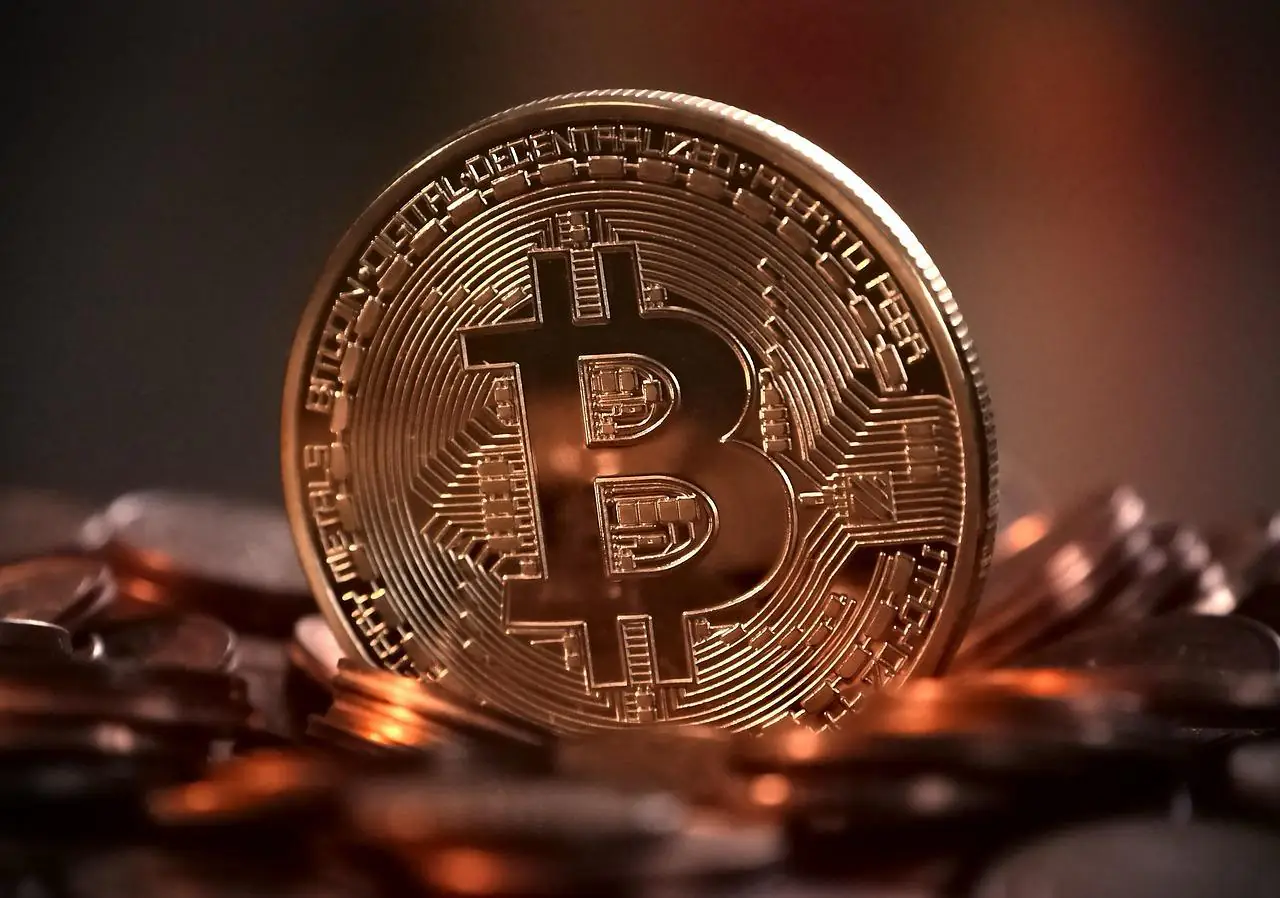
Bitcoin's leverage ratio has significantly decreased, indicating a deleveraging event that has cleared speculative excess and positioned the derivatives market on a healthier footing. A substantial drop in Bitcoin exchange reserves to an all-time low suggests holders are moving assets to self-custody, reducing available supply and acting as a structural tailwind for price if demand persists. Following a bounce off higher-low support near $65K, Bitcoin is showing signs of a mean reversion, with analysts targeting $75K-$80K as potential near-term price levels. The combination of reduced leverage, shrinking exchange supply, and price recovery off support creates a more constructive setup for Bitcoin heading into mid-March, though market behavior remains a key variable.

Geopolitical tensions driving oil prices higher are creating a divergence from traditional equity markets, with Bitcoin showing resilience. The market is closely watching Bitcoin's ability to hold its current range amidst broader macroeconomic uncertainty and potential inflation pressures. While equities are under pressure due to rising energy costs and geopolitical risks, Bitcoin's independent price action suggests a potential decoupling from traditional risk assets.
PEPE is showing a slight rebound, trading up 4.76% in 24 hours, but remains below recent highs, indicating a potential short-term stabilization after a decline. The $0.00000323 support level is critical for PEPE; failure to hold it could lead to further downside, while a bounce could target $0.00000346 and $0.00000379. Technical indicators like the RSI near 39 and Bollinger Bands near the lower band suggest continued downside pressure, despite the recent minor recovery.

The debate over yield-bearing stablecoins is a critical sticking point in the Clarity Act, with banking lobbyists likely to prevail, potentially delaying broader regulatory clarity for the crypto industry. Rick Edelman advises the crypto industry to compromise on stablecoin yield to secure the passage of the Clarity Act, emphasizing that regulatory certainty is more valuable than this specific feature for long-term growth. Failure to pass the Clarity Act before the midterms could lead to a sharp, albeit temporary, price decline in crypto assets, while passage could trigger a surge to new all-time highs. Edelman dismisses quantum computing threats to Bitcoin as "dumb," asserting that the industry will develop defenses and that larger financial systems are more likely targets.
As Bitcoin approaches 95% supply mined, its price dynamics will increasingly shift from new issuance to demand-side factors and holder behavior. The diminishing new supply amplifies scarcity, potentially leading to more rapid price accelerations during demand surges and sharper downturns if holders sell into weak demand. Miners' role as a consistent selling pressure source will decrease, making Bitcoin's price movements more sensitive to macroeconomic cycles and global capital flows. The primary question for investors shifts from new supply to understanding the motivations of existing large holders and their willingness to sell.
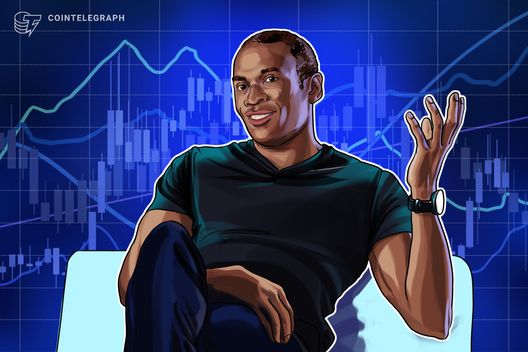
Arthur Hayes predicts Hyperliquid's HYPE token could reach $150 by August, driven by increasing derivatives volume rotation from CEXs and demand for macro-linked perpetuals. The platform's revenue model, which uses approximately 97% of revenue to buy back HYPE tokens, creates a direct demand driver that could support price appreciation if trading activity continues to grow. Hyperliquid's success in attracting volume for non-crypto assets like oil via its HIP-3 protocol suggests a potential expansion of its market reach beyond traditional crypto derivatives. Technical analysis indicates a potential breakout for HYPE towards $50, supported by a cup-and-handle pattern, suggesting near-term upside if key resistance levels are breached.

BlockDAG's upcoming 10-15 exchange listings, including futures markets, represent a significant structural catalyst that could drive substantial demand and price appreciation. The current After Sale price of $0.001 offers a unique early entry opportunity, positioning buyers ahead of millions of new users expected to access the asset post-listing. The After Sale window is directly tied to the completion of the build-out phase and exchange rollout, closing in June when community deposits open, creating a defined timeframe for this early entry opportunity. The cumulative effect of multiple exchange listings and the introduction of futures trading is expected to transform BlockDAG's market access and liquidity, fundamentally altering its trading landscape.

Easing fears of an oil supply shock have improved broader market risk sentiment, directly benefiting Bitcoin's price and pushing it above $71,000. Bitcoin's recent resilience and potential decoupling from software stocks suggest it may be trading more independently, offering a potential hedge during macro uncertainty. Despite positive price action, analysts remain cautiously optimistic, noting that a failure to hold mid-$60,000 support could lead to further downside, indicating continued market fragility. The article highlights a shift in Bitcoin's correlation with tech stocks, suggesting a potential move towards a more uncorrelated asset class, which could be significant for portfolio diversification strategies.
Yes Bank's share price is showing a slight recovery as a significant portion of executives involved in an insider trading probe opt for settlement, reducing immediate legal overhang. The settlement by 16 out of 19 executives in the SEBI insider trading probe suggests a move towards resolving past allegations, potentially improving investor sentiment towards Yes Bank. While the settlement offers a path to closure for the insider trading allegations, the fact that three executives are challenging the claims indicates lingering uncertainty for Yes Bank.

Canaan's decision to accumulate record BTC and ETH reserves, while expanding operations, signals a contrarian bullish stance on long-term value despite current miner margin pressures. The company's strategy diverges from peers who are selling reserves to manage costs, suggesting a belief in future price appreciation or a stronger financial position. This accumulation by a major miner could be interpreted as a positive signal for the underlying value of Bitcoin and Ethereum, potentially influencing market sentiment.

CFTC Chairman Mike Selig's emphasis on regulatory clarity for DeFi, prediction markets, and crypto derivatives signals a proactive stance from U.S. regulators, potentially reducing uncertainty for market participants and fostering innovation. The CFTC's intention to clarify registration requirements for software providers in DeFi and address leveraged spot trading indicates a move towards defining operational boundaries, which could impact how decentralized platforms and trading services are structured and regulated. Selig's collaboration with the SEC on 'Project Crypto' and his assertion of CFTC authority over prediction markets suggest a coordinated regulatory approach, aiming to establish clear jurisdiction and prevent regulatory arbitrage. The mention of AI and automated trading systems highlights the evolving landscape and the CFTC's awareness of new technological drivers, indicating a forward-looking regulatory agenda that may influence future market structures.
Signal context only. Validate with price action, liquidity, and risk limits before taking a position.
Quick market read from this story
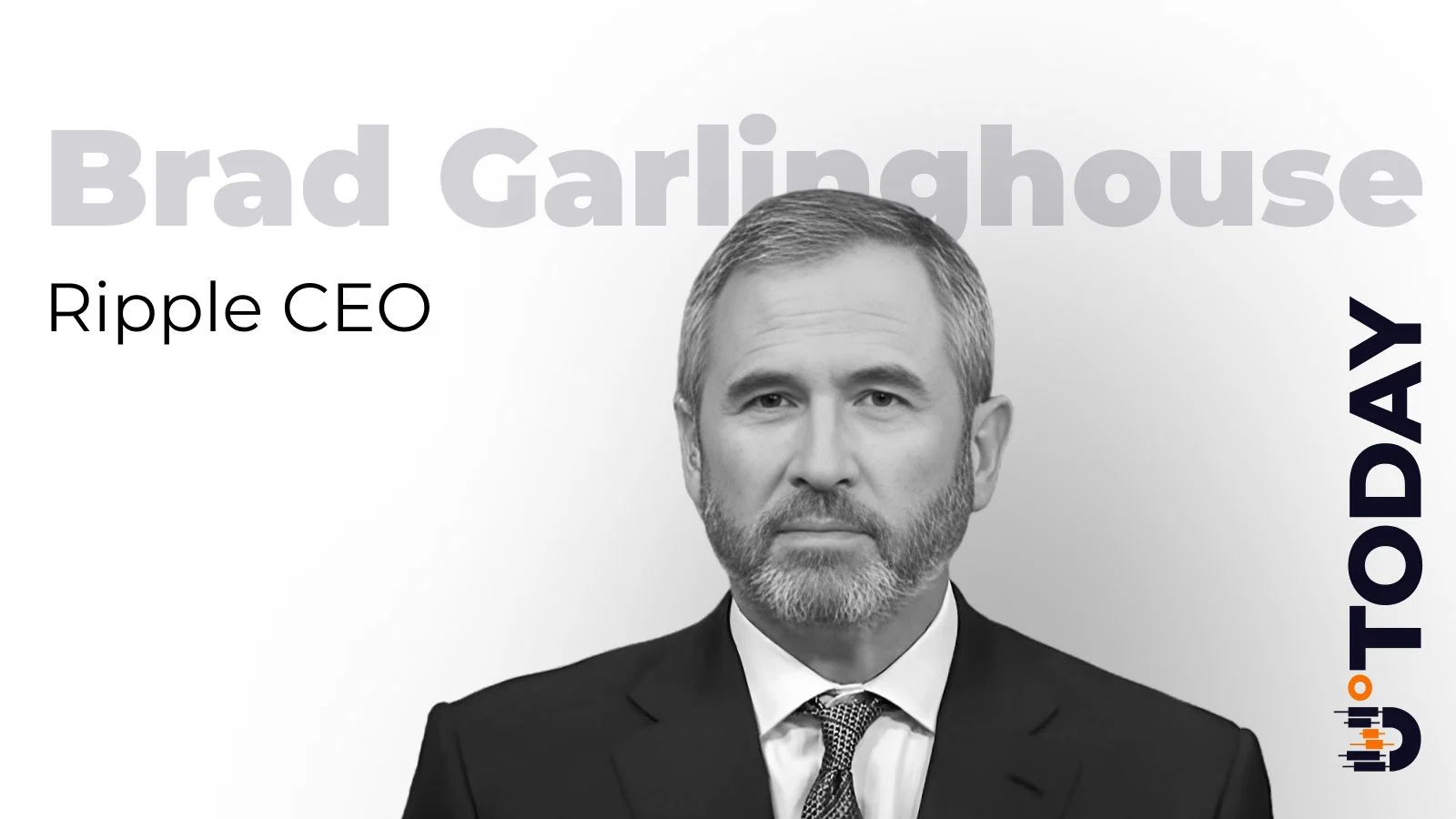
Ripple CEO Brad Garlinghouse has positioned 2026 as a pivotal year, signaling aggressive expansion and AI integration to bolster its enterprise blockchain solutions.
The company's global pivot, evidenced by recent international tours and acquisitions, suggests a strategic move to diversify operations beyond traditional US markets.
Garlinghouse explicitly states XRP is central to Ripple's growth strategy, implying potential positive correlation between Ripple's business development and XRP's market performance.
Deep Dive
Ripple CEO Brad Garlinghouse has identified 2026 as a pivotal year for the company, highlighting aggressive expansion, strategic acquisitions, and the increasing integration of artificial intelligence (AI) into its core offerings. This declaration follows an intensive five-day tour across Dublin, London, Singapore, and Sydney, aimed at integrating employees from recent acquisitions.
The recent international tour, involving Garlinghouse, Ripple President Monica Long, and other leaders, focused on unifying teams acquired through recent mergers. Garlinghouse noted that many employees met during the tour joined Ripple via acquisitions of financial technology and infrastructure firms such as GTreasury, Hidden Road, Rail, Palisade, and Solvexia. He emphasized the importance of looking beyond the US coastal mindset, stating that business centers of gravity are constantly shifting.
Ripple is significantly advancing its use of AI, with Garlinghouse stating that it is becoming a fundamental component of their products. AI is particularly being utilized for real-time cash forecasting and liquidity management for CFOs. While employee productivity is an initial application, the company's ultimate goal for AI integration is much broader.
Garlinghouse expressed strong optimism for Ripple's future, asserting that the native XRP token is central to the company's growth strategy. He reiterated that 2026 is set to be a defining year, with Ripple positioned in key markets offering capabilities in payments, custody, liquidity, and treasury management. The company is focused on ensuring XRP plays a central role in capitalizing on the significant opportunities ahead.
