
Navigating Crypto News

CoinFeather
Navigating Crypto News
Quick market read from this story
A quantum vulnerability review of the XRP Ledger found that 300,000 accounts holding 2.4 billion XRP are safe due to unexposed public keys, mitigating near-term quantum risk for the majority of holdings.
Only two dormant accounts with exposed keys hold 21 million XRP, indicating a low direct risk from inactive large holders to the XRP Ledger's overall security against future quantum threats.
The XRP Ledger's architecture, including key rotation capabilities and ongoing development of post-quantum tools, positions it to adapt to future cryptographic challenges more effectively than some legacy blockchains like Bitcoin.
Source, catalyst, and sector overlap from the latest feed.
The announcement of a two-week Iran ceasefire has significantly reduced geopolitical risk premiums, leading to a sharp decline in oil prices and a recovery in broader market risk appetite. Lower energy costs and reduced inflation expectations stemming from the ceasefire may provide the Federal Reserve with more flexibility for potential rate cuts later in the year, influencing bond yields and investor sentiment. While the immediate market reaction is positive due to eased Middle East tensions, the temporary nature of the ceasefire introduces ongoing uncertainty, suggesting that oil price volatility and related market impacts could persist.
Live Feed
Loading the broader stream in the same flow as the homepage feed.

Morgan Stanley's new Bitcoin ETF (MSBT) launches with a lower 0.14% fee, directly challenging BlackRock's dominant IBIT fund and potentially shifting investor allocations towards cost-sensitive options. The entry of a major financial institution like Morgan Stanley with its extensive wealth management network signifies increased competition and institutional adoption within the spot Bitcoin ETF market. While IBIT may retain its liquidity advantage for active traders, MSBT's competitive fee structure and strong distribution channels suggest a potential fragmentation of market share and a sustained test of IBIT's dominance.

Iran's plan to accept cryptocurrency for oil transit fees through the Strait of Hormuz signals a growing trend of nations using digital assets to bypass traditional financial systems and sanctions. The proposed $1 per barrel fee, payable in Bitcoin, represents a direct, albeit niche, application of crypto in international trade and geopolitical maneuvering, potentially impacting oil logistics and compliance. This development highlights the increasing utility of cryptocurrencies in circumventing financial restrictions, suggesting that such use cases may expand in regions facing similar economic or political pressures.
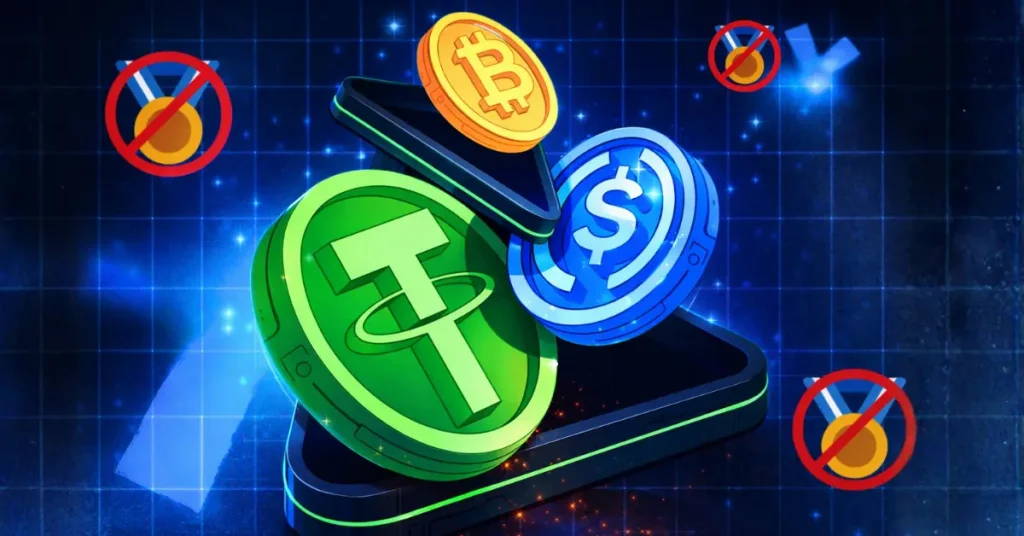
White House economists' report suggests that banning stablecoin yields would have a minimal impact on bank lending, countering banking industry fears of significant deposit outflows and loan reductions. The analysis indicates that prohibiting stablecoin rewards would only marginally increase bank lending by approximately 0.02%, with most benefits accruing to larger institutions, suggesting limited systemic risk to the banking sector. Prohibiting stablecoin yields could eliminate consumer benefits such as competitive returns, potentially reducing competition and limiting choices for users seeking higher yields on their digital assets.

Researchers are advancing post-quantum protections even as current hardware remains far from breaking crypto systems
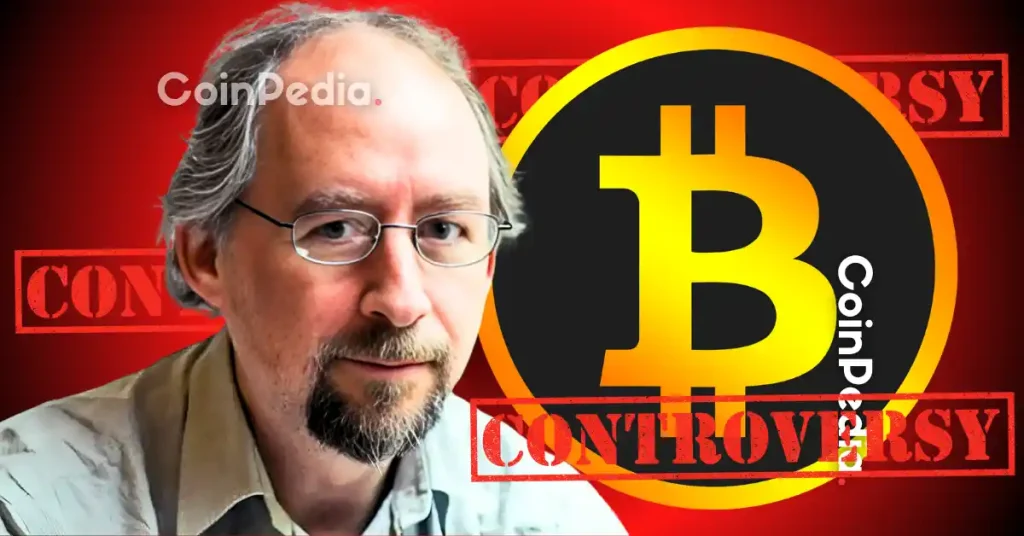
The post “I’m Not Satoshi,” Says Adam Back, denying NYT Claim appeared first on Coinpedia Fintech News After more than 15 years and countless investigations, the identity of Satoshi Nakamoto remains unknown. Now the New York Times thinks it has the answer, and the man they are pointing at is British cryptographer Adam Back. Well, Adam Back has publicly denied claims saying he is not Satoshi and that similarities in early research …

A White House report indicates that banning stablecoin yield products would have a negligible impact on community bank lending, directly challenging industry concerns. The analysis suggests that regulatory action against stablecoin yields may not significantly protect traditional banking deposits, potentially influencing legislative outcomes. The minimal projected impact on bank lending implies that stablecoin yield products could continue to offer competitive returns to consumers without substantial systemic risk to small banks.
Morgan Stanley's launch of MSBT with a 0.14% fee introduces significant price competition to BlackRock's IBIT, potentially siphoning assets despite IBIT's liquidity advantage. The entry of a major wealth management firm like Morgan Stanley into the spot Bitcoin ETF market highlights the growing importance of distribution channels and fee sensitivity for institutional capital. While IBIT may retain its lead in trading volume due to established liquidity, MSBT's lower cost and Morgan Stanley's vast client base present a sustained competitive challenge, potentially impacting overall Bitcoin ETF market dynamics.

South Korea's tightening of crypto withdrawal-delay exemptions signals a proactive regulatory stance against fraud, potentially impacting user experience and transaction speeds on exchanges operating within the jurisdiction. The FSC's move to unify exemption standards is expected to drastically reduce the number of users eligible for immediate withdrawals, from a current high percentage to an estimated 1%, indicating a significant shift towards stricter operational controls for exchanges. This regulatory action, following recent incidents like Bithumb's payout error, underscores a broader trend of increased scrutiny on South Korean crypto exchanges, potentially affecting their operational efficiency and compliance costs.

A White House report indicates that prohibiting stablecoin yields would have a negligible impact on bank lending, suggesting that regulatory focus on this area may not yield significant benefits for traditional finance. The analysis highlights a substantial net welfare loss of $800 million annually from banning stablecoin yields, implying that such a move would disproportionately harm stablecoin users by removing access to yield opportunities. The ongoing debate and legislative progress around the CLARITY Act, particularly concerning stablecoin yield provisions, suggest potential regulatory shifts that could impact stablecoin issuers and platforms, though the market impact is currently assessed as low.
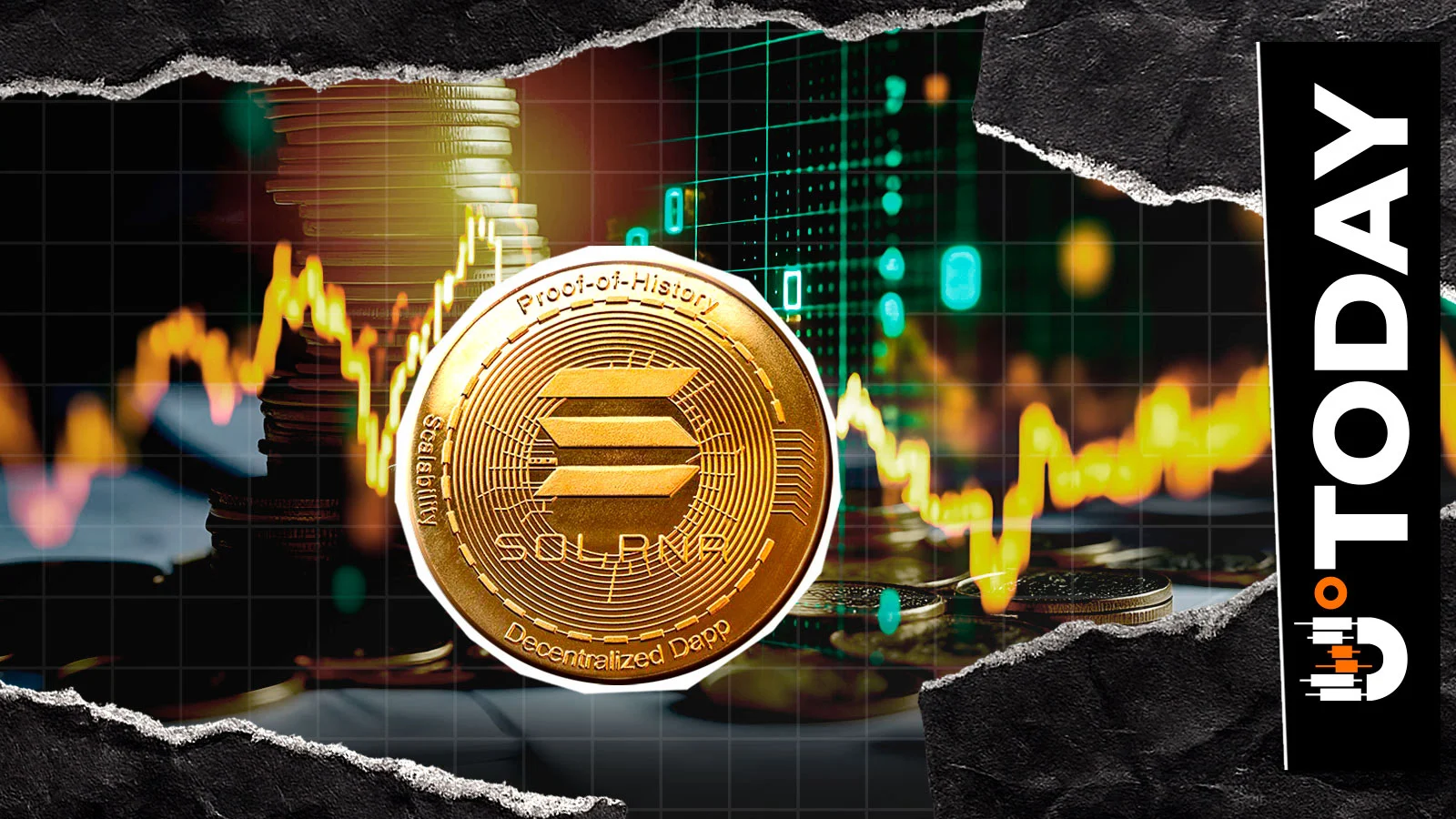
Solana's price action shows a bullish golden cross on the 4-hour chart, indicating potential short-term upward momentum as it targets the $90 resistance level. A significant 88% increase in Solana's 24-hour trading volume suggests renewed market interest and trader participation, aligning with a broader altcoin relief rally. Despite positive on-chain metrics and a price jump, the market consensus warns of a potential bull trap, advising caution for traders amidst the broader crypto market rebound.
Signal context only. Validate with price action, liquidity, and risk limits before taking a position.
No explicit catalyst tagged.
Dogecoin is consolidating within a symmetrical triangle pattern, suggesting a potential 29% price move is imminent based on technical analysis. A speculative rumor about XMoney integrating Dogecoin support on April 20th is circulating, acting as a potential catalyst that, if confirmed, could drive significant price action. The combination of technical consolidation and unconfirmed integration rumors is increasing market attention on DOGE, with traders monitoring both chart patterns and social media sentiment for directional cues.
