
200+ crypto news providers in one place.

CoinFeather
200+ crypto news providers in one place.
Source, catalyst, and sector overlap from the latest feed.
Top traders on Binance are showing a near 50/50 split between long and short positions on Shiba Inu (SHIB), indicating market indecision. This cautious sentiment precedes March, a month historically associated with significant SHIB price movements, including a notable rally in 2024. The current equilibrium reflects trader hedging strategies after February's broad market downturn.
XRP has become the most-traded cryptocurrency on Bitrue, driven by increased investor demand, ecosystem developments, and recent catalysts. Surging XRP Ledger activity, RLUSD integration, and substantial ETF inflows are contributing to its market leadership and enhanced utility.
Live Feed
Loading the broader stream in the same flow as the homepage feed.
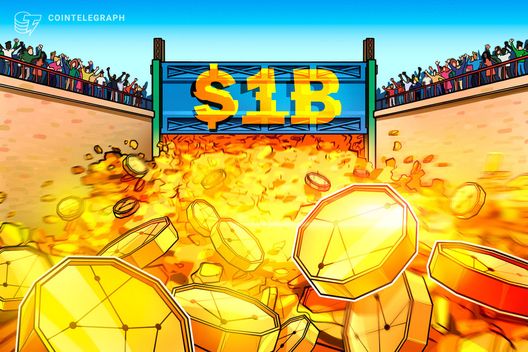
Crypto investment products saw a significant rebound with $1 billion in inflows last week, ending a five-week outflow streak. This reversal was primarily driven by US spot Bitcoin ETFs, which attracted $787 million, signaling renewed investor interest. Ether and Solana funds also experienced strong inflows, though overall assets under management saw a slight decline.
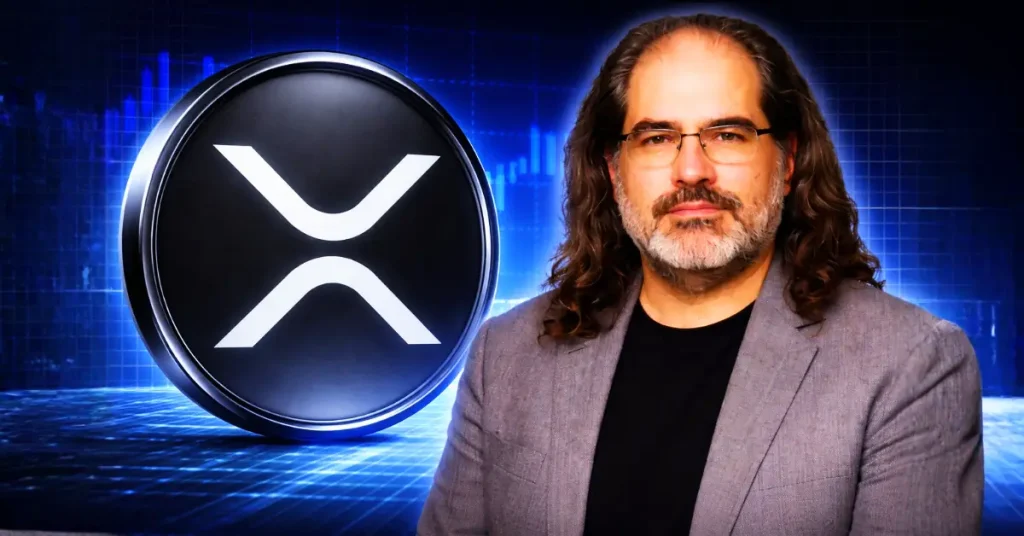
Ripple CTO David Schwartz revealed he sold 40,000 ETH at $1.05, a decision he now regrets. In a separate exchange, when asked about XRP, Schwartz stated he tells XRP holders he hopes they "do really well," interpreted by the community as understated confidence in XRP's future rather than hype.

Amid escalating geopolitical tensions between the U.S., Israel, and Iran, Bitcoin experienced a price dip, mirroring broader market de-risking. However, the conflict may bolster Bitcoin's narrative as a "debasement trade" asset. Investors are increasingly looking towards scarce-supply assets like Bitcoin as a hedge against potential fiat currency devaluation driven by increased government spending and money printing to finance prolonged conflicts.
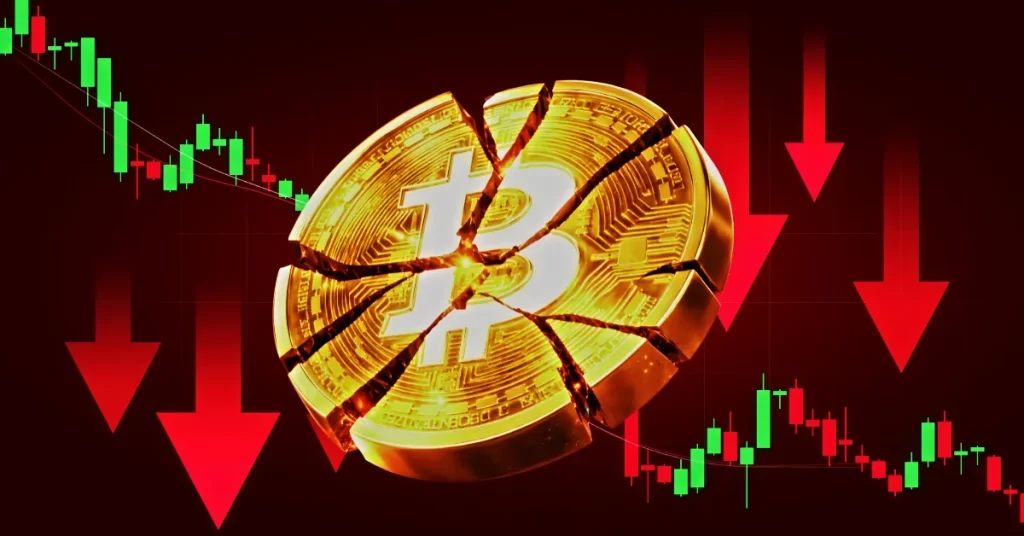
Bitcoin experienced a notable price drop, falling below $66,000 to a low of $65,575. This decline was influenced by broader market fears stemming from an attack on a Middle East oil facility, triggering a risk-off sentiment that also impacted S&P 500 futures. The cryptocurrency is currently down approximately 2% in 24 hours, with traders monitoring key support levels.
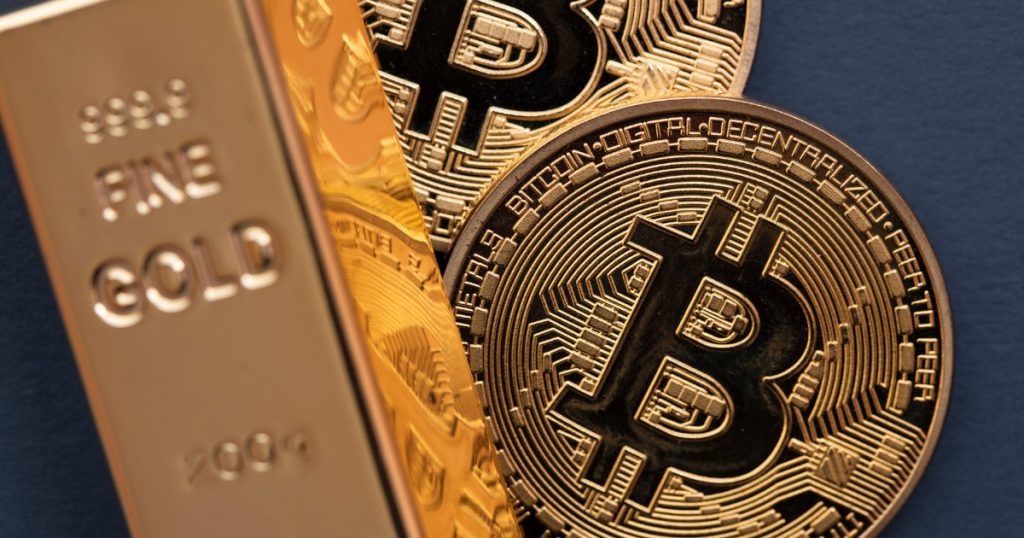
Amidst geopolitical tensions between the US-Israel and Iran, the article identifies three crypto categories to watch: Bitcoin (BTC) for its controlled volatility and safe-haven appeal, tokenized gold assets like PAXG and XAUT as alternative safe havens, and privacy-focused coins such as Zcash (ZEC), Monero (XMR), Litecoin (LTC), and Dash for their potential demand in volatile times. Bitcoin is currently testing a demand zone around $63K, with potential upside to $67.5K if buyers step in. Tokenized gold is expected to spike alongside traditional gold prices. Zcash shows signs of a bullish momentum shift, targeting resistance levels above $200.

Despite a record surge in U.S. M2 money supply, Bitcoin has not seen a corresponding price increase. This analysis suggests that traditional "liquidity up, risk up" narratives are being challenged by factors like real yields, the dollar's strength, geopolitical risks, and a shift in market structure favoring spot ETFs and stablecoins. The article outlines scenarios for Bitcoin's future performance based on these competing forces.
XRP Ledger has experienced a significant surge in successful transactions, with activity increasing by approximately 200,000 in a short period. This on-chain growth contrasts with XRP's current price action, which remains under pressure and shows cautious market sentiment. The discrepancy highlights potential future price movements depending on whether on-chain activity translates into buying demand.
Solana (SOL) is facing downward pressure due to rising geopolitical tensions and a bearish "sell" signal on its monthly chart, indicating potential structural weakness. Despite this, institutional inflows into SOL ETFs remain steady, creating a divergence between short-term technicals and long-term investor sentiment. Key support lies at $80-$85, with resistance at $95-$110.
SHIB burn volume has plummeted to near zero after a weekend of significant burning activity, with only 20,176 SHIB torched in the last 24 hours, representing a 99.88% drop. This follows a period where tens of millions of SHIB were burned. The price of SHIB has also seen a notable decline, falling over 15% in the past week.
A prominent blockchain advisor questions the genuine adoption of Real-World Asset (RWA) tokenization, arguing it's largely traditional finance repackaged. He highlights issues with settlement, custody, and the oracle problem, suggesting it doesn't add unique crypto value. Despite this skepticism, institutional capital, including BlackRock and Franklin Templeton, is flowing into RWA protocols, with significant growth reported on Ethereum and XRP Ledger, leaving the true adoption status as a key market question.

Bitcoin demonstrated resilience, trading near $66,500 following geopolitical tensions in Iran that triggered significant liquidations but did not derail its market position. While traditional safe havens like gold and oil saw gains and equities declined, BTC maintained its value, outperforming major equity indices. Select DeFi tokens also showed positive movement, indicating continued speculative appetite within specific crypto segments.
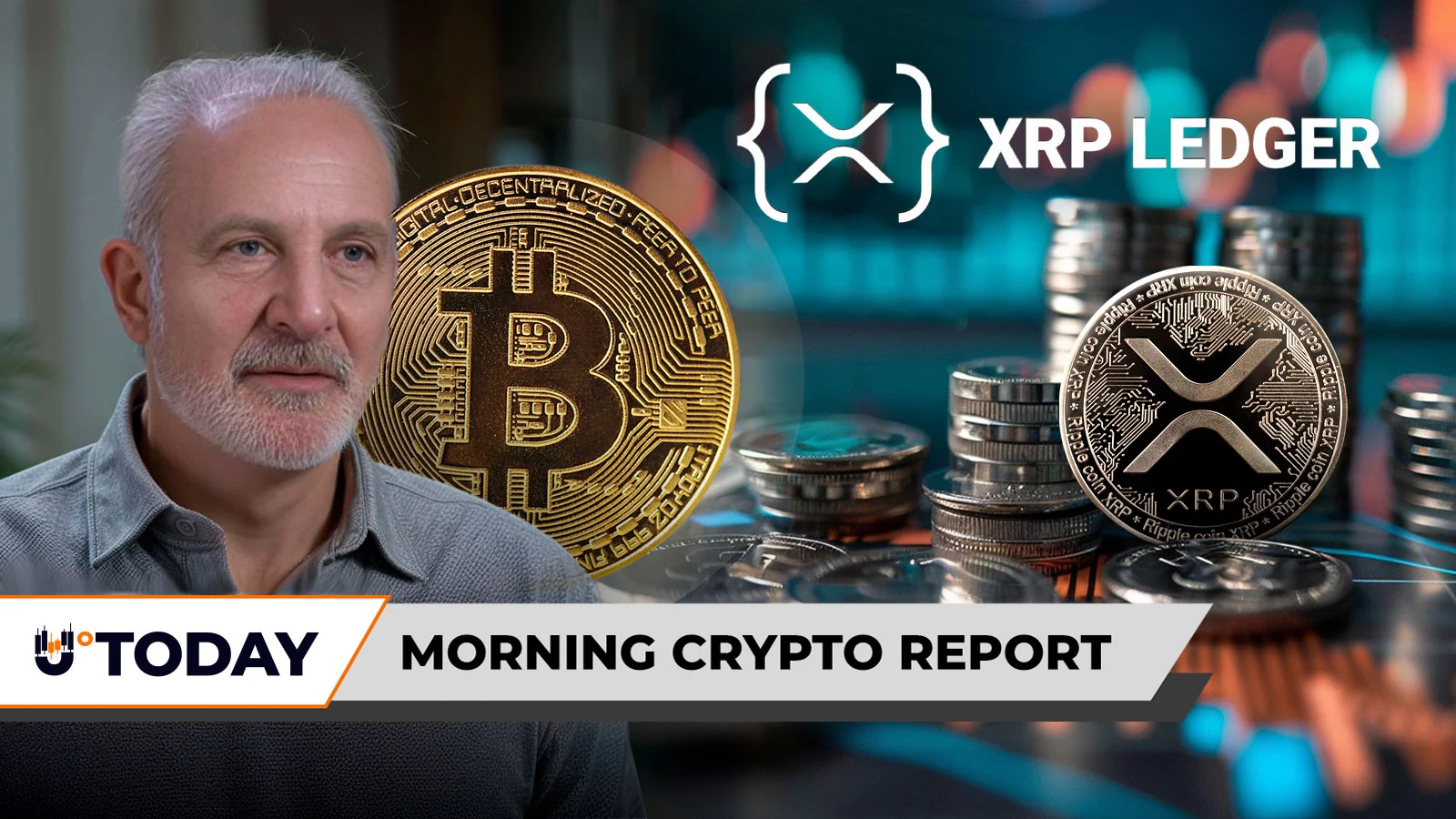
XRP Ledger contributor warns of risks associated with high-yield staking, citing collateral exposure and market volatility. Meanwhile, Peter Schiff sarcastically labels Bitcoin a "decentralized Ponzi." The crypto market faces potential volatility this week driven by six key U.S. macro reports, with weak employment data seen as a bullish catalyst.
Signal context only. Validate with price action, liquidity, and risk limits before taking a position.
