
Navigating Crypto News

CoinFeather
Navigating Crypto News
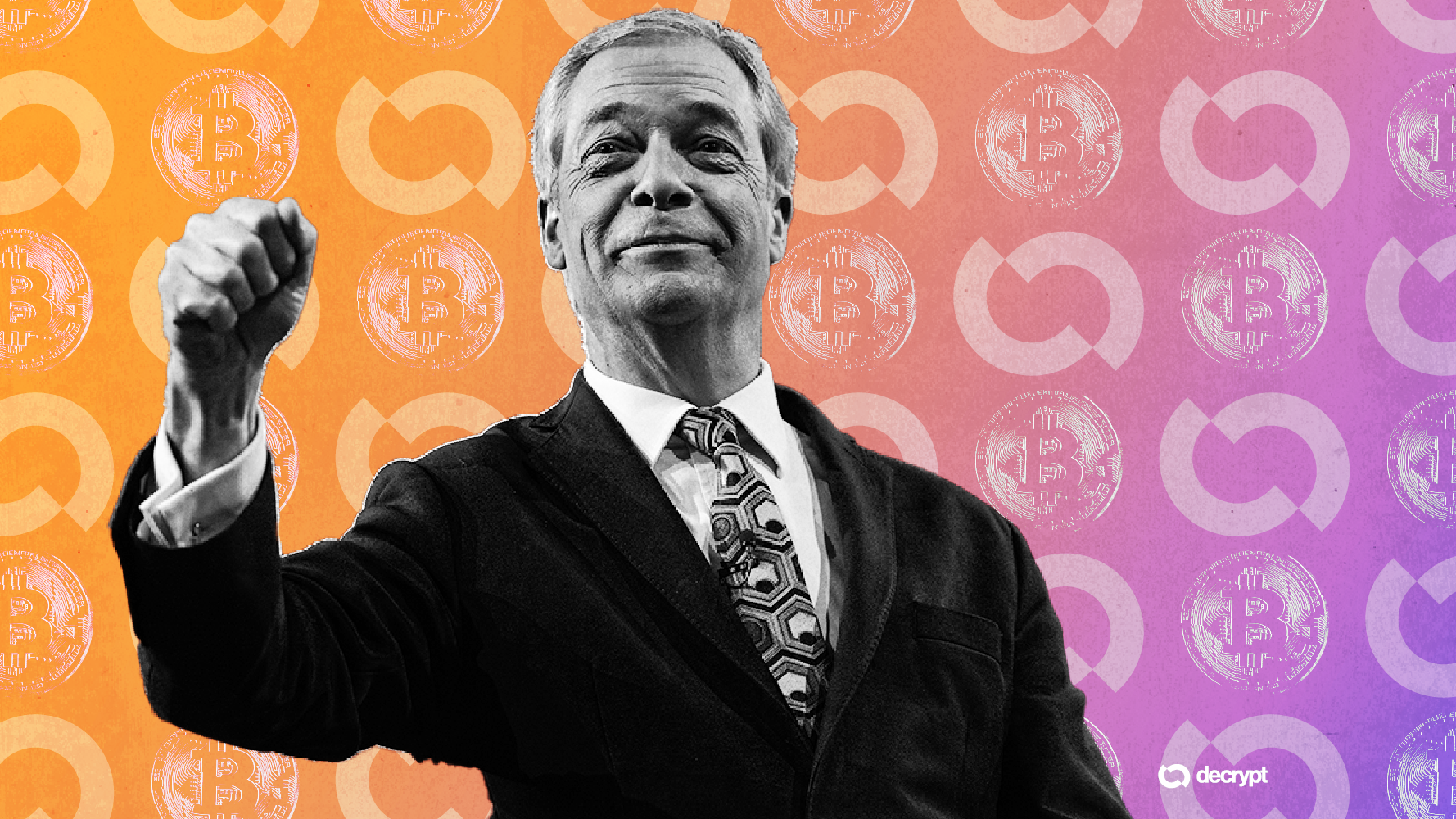
Quick market read from this story
Nigel Farage's investment in Stack BTC, alongside Blockchain.com, signals growing political interest in Bitcoin treasury strategies, potentially attracting further institutional attention.
The £260,000 funding round for Stack BTC, which plans to initiate its treasury with 21 BTC, represents a direct capital inflow into a Bitcoin-focused firm, underscoring a tangible market commitment.
Despite the investment, the association with political figures and ongoing scrutiny of crypto donations for Reform UK introduces regulatory and reputational risks that could impact Stack BTC's broader adoption.
Deep Dive
Reform UK leader Nigel Farage has become an investor in Stack BTC Plc, a firm focused on Bitcoin treasury strategies, participating in a £260,000 ($333,000) fundraising round. The investment, which also included Blockchain.com, marks a significant step in Farage's public support for the cryptocurrency industry.
Stack BTC Plc, formerly Kasei Digital Assets Plc, plans to acquire businesses and utilize their profits to fund a Bitcoin treasury. The company announced its treasury will launch with 21 BTC, valued at approximately $1.45 million. Blockchain.com will provide institutional services such as custody, staking, and yield tools to Stack.
Farage and Reform UK's increasing engagement with the crypto sector, including accepting crypto donations, has drawn criticism and scrutiny from lawmakers and anti-corruption groups. Concerns have been raised about potential money laundering and foreign interference in elections. Reform UK was the first major British political party to accept crypto donations in June 2025, though its donation page currently appears to be non-functional. The party previously accepted a $11.4 million donation from DigFinex shareholder Christopher Harborne, which prompted calls for an investigation.
Several Members of Parliament (MPs) have called for an outright ban on crypto political donations, citing risks of foreign interference and difficulties in enforcing campaign finance rules due to the pseudonymous nature of crypto transactions. Advocacy groups like Spotlight on Corruption have echoed these concerns, stating that regulators lack sufficient powers to monitor crypto-based political funding risks. Farage has also earned income from speaking at crypto events, with financial disclosures showing earnings from appearances at Zebu Live, a Blockworks conference, and the Bitcoin Conference.
Stack BTC Plc's executive chairman is former chancellor Kwasi Kwarteng. Kwarteng welcomed Farage and Blockchain.com as strategic investors, noting Farage's long-standing support for British business and belief in Bitcoin's financial role. This partnership is notable given past political commentary, where Kwarteng had previously warned about the
Source, catalyst, and sector overlap from the latest feed.
Anthropic's lawsuit against the Trump administration over its "supply chain risk" designation highlights a significant legal challenge to government overreach in AI development and usage. The core of the dispute centers on Anthropic's refusal to allow unrestricted military use of its AI, specifically regarding autonomous lethal weapons and mass surveillance, which the company argues is a violation of its rights. This legal battle could set a precedent for how national security designations are applied to AI companies and impact future government contracts and AI safety protocols. While the article mentions a $200 million contract with the DoD, the lawsuit's focus on constitutional rights and protected speech suggests a longer-term, structural implication rather than immediate market repricing.
Despite a 4.78% intraday gain, Bitcoin remains within a descending triangle pattern, with key resistance levels near $73,000-$75,000 indicating a bearish structure until sustained closes above this zone are achieved. Technical indicators like the ADX and RSI show a lack of strong bullish momentum, with the 50-day EMA below the 200-day EMA reinforcing a bearish medium-term outlook. Rising geopolitical tensions and a surge in the VIX suggest broader market weakness, which could pressure risk assets like Bitcoin, making the current bounce vulnerable to macro headwinds. Prediction market sentiment is split, with a slight bearish lean (57% downside odds), suggesting traders are not yet convinced by the current price action and anticipate potential downside to $55K.
Sharplink reported a significant $734 million full-year loss, primarily driven by a decline in its substantial Ethereum holdings, highlighting the direct impact of crypto asset volatility on corporate treasuries. Despite the overall loss, the company saw a 50% quarter-over-quarter increase in staking revenue, demonstrating the resilience and potential profitability of staking operations even amidst broader market downturns. Sharplink's CEO emphasizes a strategy designed to withstand market cycles, suggesting a long-term view on its Ethereum holdings and staking operations, which could signal confidence in the underlying asset's future performance.
Coinbase's expansion into regulated crypto derivatives in 26 European countries, offering up to 10x leverage, provides a compliant alternative to offshore platforms and could attract institutional interest. The launch of futures contracts, including those linked to Bitcoin and Ethereum, alongside a novel Mag7 + Crypto Equity Index, signals Coinbase's strategic move to broaden its product suite and capture European market share in derivatives. While competitors like Kraken and Crypto.com have also launched similar offerings, Coinbase's regulated approach and existing infrastructure position it to compete effectively, though recent Q4 losses highlight ongoing financial pressures.
MicroStrategy's substantial $1.28 billion Bitcoin purchase, funded partly by preferred share issuance, signals continued conviction in BTC despite unrealized losses, potentially influencing market sentiment for Bitcoin holders. The firm's reliance on STRC, a high-yield preferred share, for Bitcoin acquisition highlights an evolving corporate treasury strategy, though it also introduces ongoing costs and scrutiny. Despite a significant paper loss on its Bitcoin holdings, MicroStrategy's aggressive accumulation suggests a long-term bullish outlook on Bitcoin's price appreciation, which could encourage similar corporate adoption narratives. The market's pricing of a 14% chance for MicroStrategy to sell Bitcoin this year indicates trader sentiment is divided, creating potential volatility around future treasury management decisions.
KAST's substantial $80M Series A funding at a $600M valuation signals strong investor confidence in the stablecoin payments sector, indicating a potential growth phase for companies bridging traditional finance and digital assets. The company's rapid user growth to over 1 million and significant transaction volume ($5B annualized) suggest increasing adoption of stablecoin-based payment solutions, potentially impacting traditional payment processors and neobanks. KAST's strategic expansion into North America, Latin America, and the Middle East, coupled with a new enterprise product and focus on regulatory licensing, positions it to capture a larger share of the growing global stablecoin payment market.
The prediction that AI agents could drive the next crypto boom suggests a fundamental shift from human-centric to machine-to-machine commerce, potentially creating significant demand for blockchain infrastructure. If AI agents transact autonomously, cryptocurrencies could become the native financial layer for a new machine economy, bypassing traditional banking systems and increasing the utility of blockchain-based assets. Ripple's $5 million commitment to AI-driven DeFi highlights institutional recognition of this emerging trend, signaling potential for future development and investment in this niche.
The crypto market experienced a significant rally driven by institutional buying and a perceived shift in US regulatory stance on privacy tools, suggesting a potential easing of enforcement fears. Bitcoin's breach of $69,000 and Ethereum's move above $2,000, coupled with substantial short liquidations, indicate strong upward momentum and a potential shift in market sentiment from fear to cautious optimism. While the rally shows breadth with assets like SOL, BNB, and ADA showing gains, the Altcoin Season Index at 35 suggests Bitcoin remains the primary driver, with broader altcoin participation yet to materialize. Upcoming US Bitcoin ETF flow data and ongoing geopolitical risks present key variables that could influence the sustainability of this rally, highlighting the market's continued sensitivity to macro factors and institutional flows.
CZ's prediction of a Bitcoin super cycle, driven by institutional adoption and regulatory clarity, suggests a potential shift away from traditional four-year cycles, favoring utility-focused projects. The article highlights Pepeto's presale as a direct beneficiary of CZ's super cycle thesis, emphasizing its exchange infrastructure development as key to capturing institutional capital flows. With $7.5M raised and a focus on exchange tools, Pepeto is positioned to capitalize on the predicted influx of tokenized assets, aiming for significant returns upon its listing.
Dogecoin's multi-year bullish pennant suggests potential for a 10x rally if resistance is broken, indicating a long-term accumulation play for patient investors. Ethereum faces short-term bearish pressure below key levels despite increased trading volume, suggesting a cautious outlook until selling pressure subsides. BlockDAG's aftersale offers a unique 140x entry potential at $0.001 against a $0.14 listing price, presenting a speculative opportunity for traders seeking high-risk, high-reward plays before its official market debut. The market exhibits a bifurcated sentiment, with established assets like DOGE and ETH showing mixed signals while new projects like BlockDAG aim to capture speculative capital through aggressive pricing strategies.
BlockDAG's initial trading performance on Coinstore, surging 260% to $0.18, demonstrates significant early investor demand and positions it as a top performer among new crypto projects. The staggered exchange listings, starting with Coinstore and moving to LBank, are a deliberate strategy to sustain price momentum and avoid sharp sell-offs, suggesting a controlled growth approach. With the $0.20 price target now within close proximity and LBank trading commencing, there is a high probability of continued upward price action driven by new market entrants. Early investors who entered at $0.001 have already seen a 180x return, highlighting the substantial gains possible in high-growth, early-stage crypto assets.
Geopolitical de-escalation signals from President Trump's comments are driving risk-on sentiment across markets, leading to gains in both equities and Bitcoin. The sharp reversal in crude oil prices from $120 to $85 reflects a rapid shift in market expectations regarding the Iran conflict, impacting correlated assets. Bitcoin's 2.4% gain in 24 hours, alongside crypto-related stocks like MSTR and COIN, indicates a positive correlation with broader market sentiment driven by geopolitical news. While the immediate catalyst is geopolitical, the underlying narrative suggests that a prolonged conflict could have previously supported Bitcoin as an inflation hedge and alternative asset.
The Jito Foundation's acquisition of SolanaFloor signals a commitment to rebuilding ecosystem infrastructure and journalism following a significant hack at Step Finance. This move aims to restore a key data and news source for the Solana ecosystem, potentially improving information flow and market transparency for participants. While the acquisition is positive for Solana's ecosystem narrative, the underlying cause (a $40M hack) highlights ongoing security risks that could continue to impact sentiment.
Senator Lummis is re-emphasizing a push for a de minimis tax exemption on small crypto transactions, aiming to facilitate Bitcoin's use as a medium of exchange. The proposed $300 exemption, part of broader market structure discussions, faces ongoing debate among Senate committees and industry stakeholders. Despite Lummis's departure in 2027, her continued advocacy highlights persistent legislative efforts to define crypto's tax and regulatory framework.
Live Feed
Loading the broader stream in the same flow as the homepage feed.
The Ethereum Foundation's initiation of a 70,000 ETH staking program, utilizing Bitwise's enhanced security tools, signals a strategic move to reduce circulating supply and potentially support ETH price stability. Bitmine's significant accumulation of ETH, adding 60,976 ETH in a week to reach 4.535 million ETH, indicates strong conviction in the asset's long-term value and contributes to demand pressure. Combined treasury staking by the Ethereum Foundation and continued accumulation by entities like Bitmine suggest a tightening supply dynamic, which could be a precursor to price appreciation if demand remains consistent. Analyst price targets ranging up to $5,700, coupled with on-chain metrics suggesting a potential market bottom, provide a bullish outlook for ETH, supported by recent price action and accumulation trends.
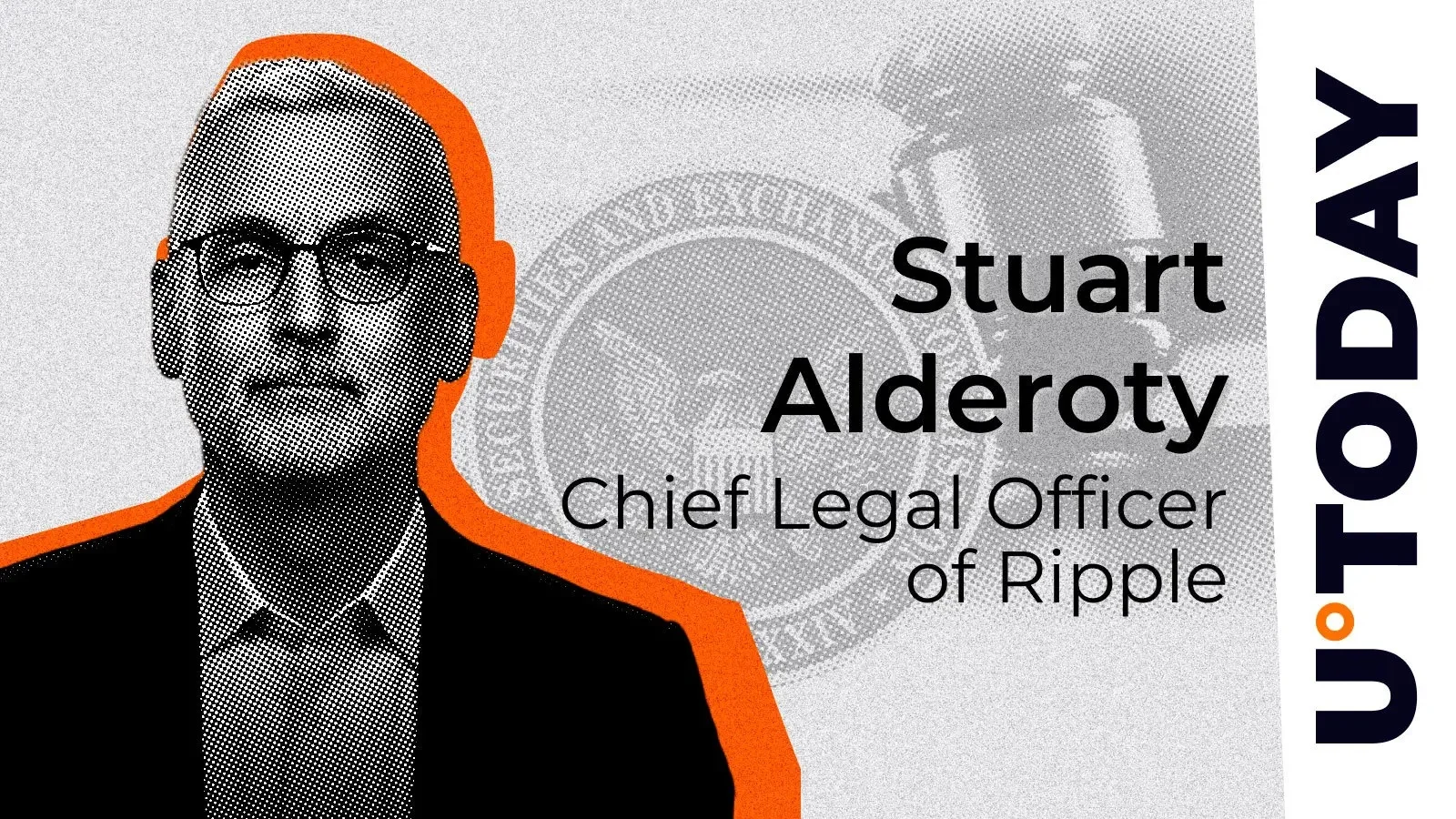
Ripple's CLO meeting with a key Democratic Senator signals potential bipartisan progress on U.S. crypto regulation, which could reduce regulatory uncertainty for the industry. The discussion focused on market structure, indicating that legislative efforts are progressing towards defining asset classifications and agency jurisdiction, a critical development for projects like Ripple and the broader crypto market. This engagement highlights a positive development in the ongoing dialogue between the crypto industry and U.S. lawmakers, potentially paving the way for clearer rules and reducing the reliance on enforcement-driven regulation.
Ripple CEO Brad Garlinghouse projects a positive outlook for XRP investors over a five-year horizon, emphasizing long-term adoption and institutional demand over short-term price fluctuations. The narrative suggests XRP's utility in future payment systems and blockchain settlement, supported by increasing institutional interest in tokenization and stablecoins, could drive significant value. Analysts observe XRP potentially in a capitulation or consolidation phase, a pattern historically preceding significant upward price movements, with specific Fibonacci extensions noted as potential targets. Despite past resistance and market doubt, Ripple's continued focus on building payment infrastructure and expanding services like Ripple Payments, which has processed over $100 billion, underpins a strategy centered on gradual, utility-driven growth.
Pi Network's price is experiencing a speculative rally driven by anticipation of Pi Day on March 14, with potential price targets of $0.50 to $0.75 contingent on announcements and exchange listings. The current price action is highly event-driven, creating a 'buy-the-rumor, sell-the-news' scenario where a disappointing Pi Day announcement could trigger a sharp reversal. Traders should monitor the $0.20 support level; a break below could signal a return to lower prices, while holding above it maintains the bullish short-term outlook. Upcoming network upgrades and new DeFi tools scheduled for completion by March 12 add to the event-driven sentiment, potentially influencing short-term price action if successfully launched.

AMINA Bank's integration as the first regulated bank on the EU's 21X DLT exchange signifies a crucial step towards institutional adoption of tokenized assets. The successful interbank fiat settlement trials on Google Cloud's Universal Ledger highlight the potential for near real-time, 24/7 settlement infrastructure, a key enabler for broader DLT adoption. While AMINA Bank's move is positive, the broader adoption pace will likely hinge on regulatory clarity and potential easing of restrictive caps within the EU's DLT Pilot Regime.

US regulators are establishing a framework for private stablecoins that incorporates control functions like freezing and blocking, mirroring potential CBDC capabilities despite official rejection of CBDCs. The GENIUS Act mandates stablecoin issuers to have the technical ability to comply with lawful orders for asset seizure, freezing, or transfer prevention, blurring the lines between private digital dollars and state control. While not a direct CBDC, the evolving stablecoin regime, coupled with tokenization of traditional assets, suggests a future where private digital dollar infrastructure may offer similar control mechanisms to a central bank digital currency. The debate is shifting from whether stablecoins are CBDCs to the extent of control embedded within regulated private digital dollar infrastructure, with significant implications for user privacy and financial freedom.

Despite rising oil prices, Bitcoin and major altcoins are showing resilience, with buyers stepping in at lower levels, suggesting potential short-term price stabilization or recovery. While some analysts see a bear market trap, the sustained demand for Bitcoin ETFs and the inability of sellers to push prices lower indicate a shift in market sentiment, warranting a cautious bullish outlook. Technical indicators for BTC and ETH suggest potential upside if key resistance levels are breached, but a breakdown below critical support could signal a continuation of the downtrend, highlighting a bifurcated market outlook. The analysis of multiple top cryptocurrencies reveals a pattern of buyers defending key support levels after minor dips, indicating a broader market sentiment that is not yet decisively bearish despite macroeconomic headwinds.

Blockchain.com's expansion into Ghana, following significant growth in Nigeria, signals increasing institutional interest and operational focus on the African continent. The company's emphasis on integrating with Ghana's mobile money ecosystem highlights a strategic approach to leveraging existing financial infrastructure for broader crypto adoption. Rising crypto adoption across Sub-Saharan Africa, driven by remittances and currency volatility, provides a strong tailwind for platforms like Blockchain.com seeking to capitalize on regional demand.

North Korean hackers are increasingly sophisticated, shifting from purely technical exploits to social engineering and embedded IT roles to breach crypto firms. The exploitation of a React front-end vulnerability (CVE-2025-55182) highlights a critical attack vector targeting the operational backbone of exchanges and staking platforms. With North Korean hackers stealing a record $2.02B in crypto in 2025, representing 13% of their GDP, the financial incentive for these high-value, low-frequency attacks remains significant. The trend of fewer but more lucrative crypto heists, exemplified by the Lazarus Group's activities, suggests continued elevated risk for crypto infrastructure providers.
Signal context only. Validate with price action, liquidity, and risk limits before taking a position.
