
Navigating Crypto News

CoinFeather
Navigating Crypto News
Quick market read from this story
Solana's president's controversial statement that blockchain gaming is "dead" has ignited debate, highlighting the sector's struggle to deliver on early promises and its association with the broader metaverse hype cycle.
While the debate centers on the viability of blockchain gaming, Solana's price remains stable near $90, with technical analysis suggesting potential upside if key support levels are maintained.
The criticism, particularly from users like Tee9ee, suggests a market sentiment shift away from "play-to-earn" schemes towards a focus on genuine game design and player experience for future sector revival.
The discussion around the future of blockchain gaming, spurred by Solana's leadership, could influence investor sentiment and development focus within the gaming sector.
Deep Dive
The future of crypto gaming is under scrutiny following remarks by Lily Liu, president of the Solana Foundation, who stated the sector is 'effectively dead'. This declaration comes amid a reassessment of substantial investments in blockchain-based games and raises questions about whether Web3 gaming has fulfilled its initial promise or merely followed the broader metaverse hype cycle.
Liu's comments, made in the context of renewed criticism towards Meta's metaverse strategy, have drawn mixed reactions. While some developers agree that the focus on 'play-to-earn' games with speculative tokens should be re-evaluated, others argue that such broad statements oversimplify the sector's challenges. User Tee9ee expressed concern that vague pronouncements could alienate dedicated gaming teams and communities, emphasizing a distinction between speculative 'play-to-earn' schemes and genuine gaming development.
Historically, projects like Star Atlas and Stepn have shown significant user interest, illustrating both the potential and the current limitations of blockchain gaming. The ongoing debate suggests that improved game design, rather than solely token incentives, may be key to revitalizing the sector.
Despite the controversy surrounding crypto gaming, Solana's (SOL) market performance has remained relatively stable. The token is currently trading around $90, showing steady weekly gains. Analysts are closely monitoring its technical patterns for potential upside.
According to analyst Javon Marks, Solana's weekly chart exhibits a developing cup-and-handle structure, a pattern that formed after its 2021 peak and persisted through recent consolidation. Marks highlights the importance of maintaining support between $80 and $90 to sustain bullish momentum. A breakout above $180 could signal a continuation towards previous highs, with a further clearing of the $280 resistance level potentially paving the way for targets above $500, consistent with historical market cycle patterns.
Source, catalyst, and sector overlap from the latest feed.
A hypothetical XRP price of $10 would significantly enrich a broad base of retail holders, not just existing whales, highlighting potential wealth distribution in future rallies. The analysis of XRP's rich list suggests that patient retail investors who accumulated during periods of low sentiment could see substantial gains if the token reaches higher valuations. The distribution of XRP holdings indicates that a significant number of smaller wallets could transition to millionaire status, underscoring the importance of long-term accumulation strategies.
Solana's price action is currently consolidating around $90, with critical support at $86 facing potential liquidation risks if breached. Despite short-term gains, weekly chart weakness and declining institutional demand suggest broader downside pressure may persist for Solana. Traders are closely monitoring the $90-$94 resistance zone; failure to reclaim $90 decisively could lead to a retest of lower support levels around $88 or $86. Concerns over treasury companies behaving like memecoins and persistent selling pressure indicate a fragile market environment for Solana, potentially limiting upside.
A 14-year dormant Bitcoin whale has moved 2,100 BTC, coinciding with increased selling pressure from other long-term holders and a stall in demand, suggesting potential for further price retracement towards $65K. Weakening demand and profit-taking at elevated levels, evidenced by on-chain metrics and derivatives data showing defensive positioning and reduced gamma exposure, indicate a lack of immediate upside catalysts for BTC. The shift in Bitcoin's options market towards put options and declining implied volatility suggests traders are hedging against downside risk, reducing expectations for significant short-term price swings. Reduced gamma exposure around key strike prices implies less dealer hedging activity, potentially leading to lower support levels and increased volatility if price breaks current support.
Altcoin trading volumes have collapsed by up to 85% in four months, indicating a significant decline in retail interest and a potential shift away from broad altcoin exposure. Tighter macroeconomic conditions and a focus on assets with strong narratives and liquidity are channeling capital towards Bitcoin, making a broad altseason unlikely in the near term. The probability of an altseason before April is estimated at only 9%, suggesting that any future altcoin gains will likely be selective and driven by specific catalysts rather than overall market momentum. Bitcoin's performance and dominance remain the primary drivers for altcoins, with a significant rotation into altcoins unlikely until Bitcoin's dominance potentially rises above 71% or it reaches higher price levels that trigger a wealth effect.
Ethereum's network activity has seen a significant 121% surge in active addresses over three days, indicating increased user engagement that could precede a price move. The price action is consolidating within a tight triangle pattern, with $2,221 identified as a critical resistance level that will determine the short-term directional bias. A decisive breakout above $2,221 could signal a continuation of the upward momentum, while a failure to do so may lead to a retest of lower support levels.
Bitcoin's breach below $69,000, coupled with a Fear & Greed Index at 10 and oversold RSI, signals a significant deterioration in market sentiment, suggesting potential for further downside or a period of prolonged consolidation. The current market conditions, characterized by extreme fear and record hedging costs, present a contrarian opportunity for traders, as historically asymmetric setups emerge from such deeply negative sentiment. While oversold RSI readings typically signal buying opportunities, their persistence in a deteriorating sentiment environment indicates that a market reversal is not guaranteed, requiring close observation of price action and volume.
The shift in Federal Reserve expectations towards potential rate hikes, driven by rising oil prices and inflation fears, creates a challenging macro environment for Bitcoin by increasing the cost of capital and reducing risk appetite. Bitcoin's correlation with risk assets like equities is strengthening, meaning that tighter financial conditions and higher yields on traditional assets are likely to pressure BTC prices, overriding its traditional inflation hedge narrative. The market faces two diverging paths: a bull case where oil prices recede and the Fed pivots back to easing, potentially boosting Bitcoin, versus a bear case where persistent inflation forces sustained higher rates, pressuring Bitcoin as a risk-off asset. Upcoming economic data releases, including jobs reports and PCE inflation figures, will be critical in determining whether Bitcoin's inflation hedge narrative regains traction or if the liquidity headwind deepens due to hawkish Fed policy.
Bitcoin options markets are signaling extreme investor fear, with put premiums reaching an all-time high relative to spot volume, indicating a strong demand for downside protection. Despite the defensive positioning in options, historical data from VanEck suggests that such high levels of fear have often preceded significant Bitcoin price appreciation over the medium to long term. The cooling of leveraged speculation, evidenced by lower futures funding rates and reduced realized volatility, combined with record put option premiums, suggests a market sentiment that, while fearful, may be setting up for a potential reversal.
Widespread layoffs across multiple crypto firms, including Algorand, Gemini, and Crypto.com, signal a significant industry contraction driven by weak market conditions and a strategic pivot towards AI integration. The narrative of AI replacing jobs is being questioned by industry observers who point to sector-specific contractions (restaking, DePIN, L2s) and M&A activity as primary drivers of recent layoffs, suggesting a market consolidation rather than a purely technological shift. The substantial number of job cuts, estimated at around 450 in recent weeks, indicates a severe downturn, potentially mirroring the scale of losses seen in the 2022 crypto winter, suggesting a prolonged period of reduced hiring and industry restructuring. While companies cite macro headwinds and AI transformation, the underlying cause appears to be a broader industry consolidation and cost-cutting measures to survive a prolonged downturn, impacting talent availability and potentially slowing innovation in certain sectors.
Live Feed
Loading the broader stream in the same flow as the homepage feed.

Nevada's temporary restraining order against Kalshi highlights ongoing regulatory scrutiny of prediction markets, potentially impacting similar platforms operating across state lines. The judge's ruling against Kalshi's argument for federal preemption by the CFTC suggests a complex and evolving legal landscape for prediction markets, with state-level gambling laws taking precedence in this instance. This development, following similar actions in Massachusetts and Arizona, indicates a pattern of regulatory pushback against prediction markets, signaling increased risk for companies in this niche sector.
The CFTC's clarification on using crypto as collateral in derivatives markets, aligning with the SEC, provides regulatory clarity that could encourage broader institutional adoption of digital assets in traditional finance. The specified capital charges for BTC (20%) and ETH (2%) by the CFTC, alongside a 2% charge for stablecoins, offer concrete parameters for risk assessment, potentially influencing how these assets are valued and utilized in margin requirements. The pilot program's phased approach, initially limiting collateral to BTC, ETH, and stablecoins, suggests a cautious regulatory stance, with potential for expanded asset acceptance contingent on successful risk management and reporting.

Shiba Inu's price briefly recovered above the daily MA 50, triggering short liquidations and a jump in open interest, indicating renewed trader interest despite recent volatility. The SEC's clarification that major cryptocurrencies like SHIB are not securities provides a positive regulatory backdrop, potentially reducing future uncertainty for the asset. Despite a short-lived price recovery, SHIB remains below key technical levels, suggesting a cautious outlook until a sustained breakout above the daily MA 50 is confirmed.

The SEC and CFTC have issued new guidance clarifying that most crypto assets are not securities, a development that historically would have been a strong bullish catalyst. Despite the regulatory clarity, the market's muted reaction indicates that traders now prioritize durable legislative certainty from Congress over agency guidance, suggesting a shift in what drives market sentiment. The approval of Nasdaq's plan for tokenized securities trading suggests that regulatory comfort may favor blockchain integration within traditional finance, potentially benefiting incumbents more than crypto-native firms. The market's current focus on legislative action and the durability of regulatory frameworks implies that significant price repricing for the broader crypto market may be contingent on new laws rather than administrative rulings.

Brazil's decision to postpone crypto tax policy discussions until after the 2026 presidential elections signals a short-term pause on regulatory clarity, potentially creating uncertainty for investors and businesses operating in the rapidly growing crypto market. The delay in finalizing crypto tax policies, despite Brazil's high adoption rates and recent implementation of a 17.5% capital gains tax, suggests a cautious approach by the government to avoid politically sensitive issues during an election cycle. While the immediate impact on trading is minimal, the deferral of tax policy discussions could influence longer-term investment decisions and the pace of institutional adoption in Brazil's crypto ecosystem.

The convergence of a congressional hearing on tokenization and the SEC's approval of Nasdaq's pilot program signals a significant shift from conceptual discussion to policy prioritization for tokenized securities. The SEC's reaffirmation that tokenized assets remain securities under federal law, regardless of blockchain implementation, provides a clearer regulatory baseline for institutional adoption and market development. The CFTC's prior guidance on using Bitcoin and Ethereum as collateral for futures, coupled with Congress's focus on broader tokenization, suggests a coordinated regulatory approach to integrating digital assets into traditional finance. Nasdaq's pilot program, designed for integration with existing infrastructure like the Depository Trust Company, indicates a pragmatic approach to tokenization that prioritizes investor protection and market stability.

A breakthrough in Senate negotiations on the CLARITY Act, specifically regarding stablecoin-yield language, signals a potential easing of regulatory uncertainty that has been a drag on institutional adoption. Improved legislative clarity is expected to bolster institutional comfort and confidence, potentially leading to increased demand for Bitcoin ETFs and greater participation in regulated crypto markets over the medium term. While a definitive passage of the CLARITY Act is not guaranteed, the market is likely to price in the increasing probability of its eventual approval, influencing institutional capital flows and market depth. The resolution of the stablecoin-yield dispute removes a key bottleneck, suggesting that progress on broader market structure legislation could unlock further institutional capital and support for digital assets.

Publicly traded companies are accumulating significant Ethereum reserves, now holding over 6% of the total supply, signaling growing institutional adoption beyond Bitcoin. The trend highlights a shift in corporate treasury strategies, with firms like BitMine and Sharplink aggressively acquiring ETH, potentially influencing market demand and price discovery. While some firms like BitMine face unrealized losses, the strategic accumulation by entities with strong ties to the Ethereum ecosystem, such as Sharplink with Joe Lubin, suggests a long-term conviction in ETH's value proposition. The diversification of these treasuries, including Bit Digital's pivot from Bitcoin mining and Forum's (formerly ETHZilla) foray into RWA tokenization, indicates evolving corporate strategies within the digital asset space.

The SEC's new interpretive guidance on digital asset classification, moving away from legislative rules, offers the crypto industry greater flexibility and clarity for the next 30 months. While the SEC guidance provides short-term clarity, the eventual codification of the CLARITY Act into law is crucial for long-term regulatory certainty, especially concerning DeFi and stablecoin provisions. A tentative deal between the White House and lawmakers on the CLARITY bill, despite past industry concerns, signals potential progress towards a more defined regulatory framework for digital assets.
Critical security updates for Chrome and iOS highlight systemic risks to user devices, potentially impacting the security of private keys and sensitive data stored on compromised systems. The Ledger CTO's warning underscores the inherent trust assumptions in browser and computer security for managing digital assets, suggesting users should maintain extreme vigilance. Binance's alert regarding an iOS exploit chain emphasizes the need for immediate system updates across all user devices to mitigate potential data extraction, including crypto wallet information. While not directly a protocol or exchange vulnerability, these widespread OS and browser exploits create a heightened risk environment for all crypto users, potentially leading to indirect asset loss.

Institutional capital is shifting focus from mere asset tokenization to the creation of programmable yield markets, indicating a maturation of DeFi's role in traditional finance. The development of hybrid market structures combining permissioned collateral with permissionless liquidity, alongside advancements in privacy-preserving technologies, is crucial for enabling institutional adoption of DeFi. DeFi's evolution towards replicating traditional fixed-income functionalities like collateral deployment, yield trading, and risk management suggests a potential migration of capital markets rather than just crypto adoption.

Grayscale's filing for a HYPE token ETF signals increasing institutional interest in decentralized derivatives platforms, potentially broadening access to Hyperliquid's trading volume beyond crypto-native participants. The Hyperliquid network's substantial derivatives trading volume ($50B weekly) and high fee revenue ($1.6M daily) highlight its growing dominance in the decentralized derivatives sector, outperforming established L1s in revenue generation. The proposed GHYP ETF, if approved, could drive significant capital inflows into the HYPE token, potentially impacting its price and the broader DeFi derivatives market, especially given its outperformance against BTC and ETH year-to-date. Hyperliquid's ability to facilitate trading on traditional assets like the S&P 500, oil, and gold, alongside crypto, presents a unique value proposition that attracts diverse traders and could set a precedent for future decentralized exchange offerings.
Bitcoin options markets are signaling increased fear and demand for downside protection, with put premiums significantly outweighing call premiums, indicating professional traders are not confident in current price levels holding. Despite recent ETF outflows, the volume is too small to confirm a bearish institutional pivot, suggesting that broader macroeconomic concerns like rising oil prices and geopolitical tensions are the primary drivers of current market caution. The underperformance of Bitcoin relative to the S&P 500, coupled with heightened inflation fears from energy price surges, suggests a challenging near-term outlook for BTC as risk aversion increases. The current market sentiment, driven by macroeconomic instability and geopolitical risks, points to a cautious trading environment where traders are actively hedging against potential price declines.
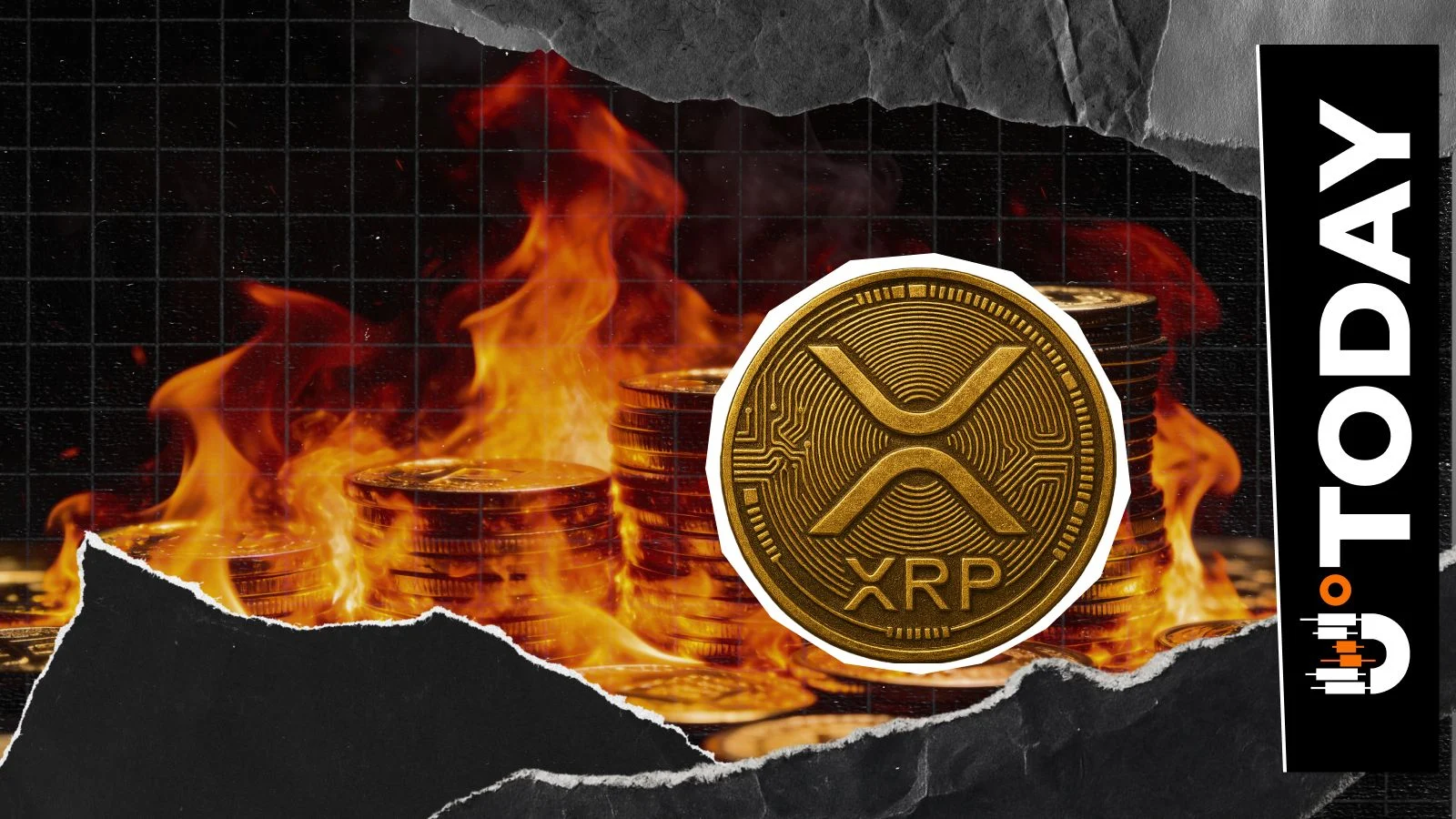
The XRP burn rate has surged 313% to 2,491 XRP, indicating increased network activity and a potential reduction in circulating supply. Despite a significant increase in on-chain burn activity, XRP's price has remained stagnant around $1.44, suggesting a divergence between network usage and market sentiment. The substantial increase in XRP burned as fees points to heightened transaction volume, which could signal growing adoption or speculative trading on the network.
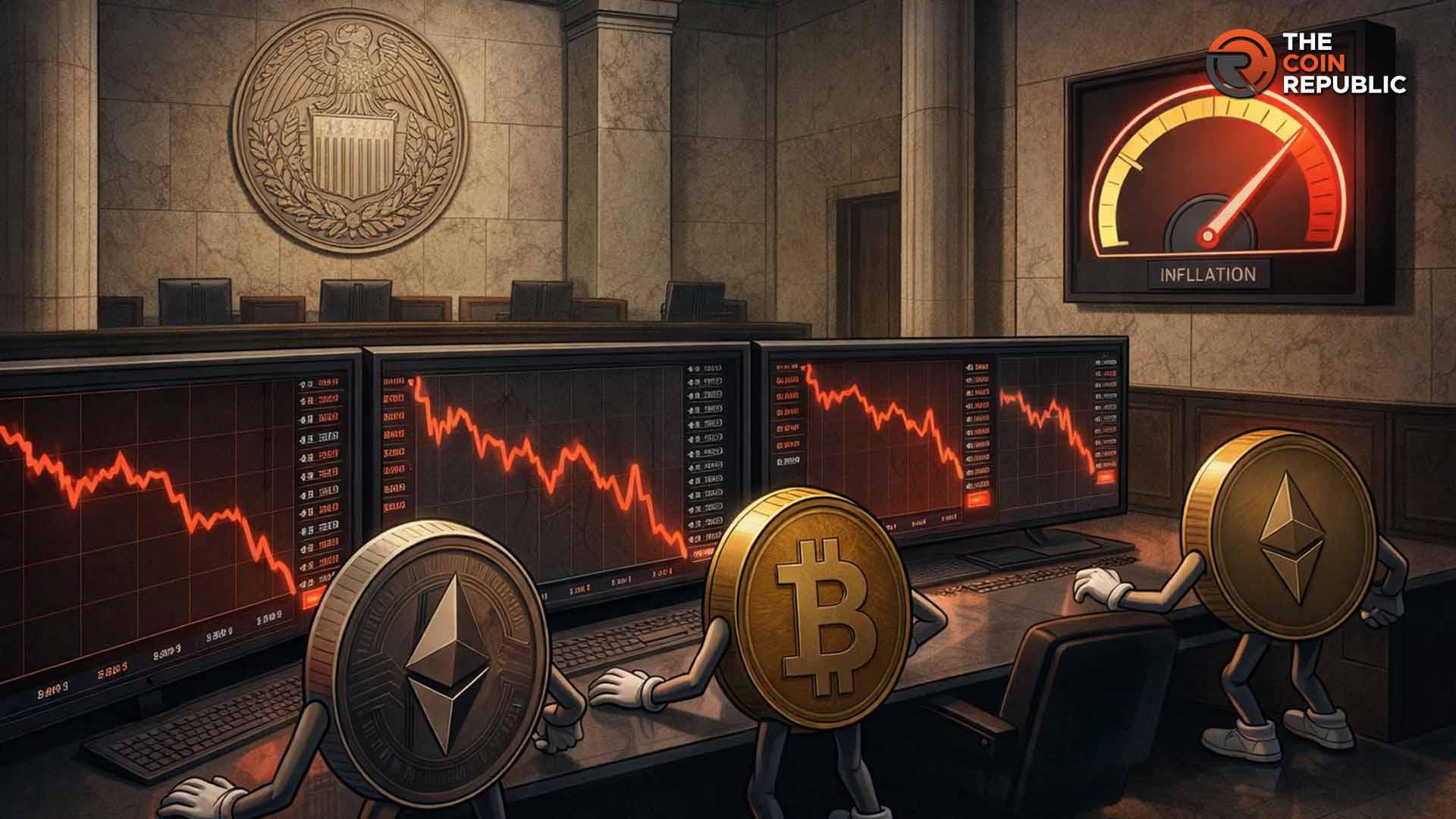
Rising US inflation risks and geopolitical tensions are causing traders to price out near-term Federal Reserve rate cuts, creating a bearish outlook for digital assets. Fed Governor Waller's shift in stance, influenced by higher oil prices and the prolonged US-Iran conflict, signals a more hawkish monetary policy outlook, pressuring risk assets like crypto. Jerome Powell's reinforcement of a data-dependent policy and the warning that rate cuts are contingent on meaningful inflation progress suggest a prolonged period of higher interest rates, dampening speculative investment in crypto. The potential for a Fed rate hike, as suggested by Bank of America under specific conditions like sustained oil price increases, introduces further downside risk to the crypto market.
Signal context only. Validate with price action, liquidity, and risk limits before taking a position.
