
Navigating Crypto News

CoinFeather
Navigating Crypto News

Quick market read from this story
Bitcoin's current low volatility, contrasted with rising volatility in oil and Treasuries, suggests potential market complacency that could precede a significant price correction.
The ongoing geopolitical tensions and macro-economic pressures, including rising yields and a strengthening dollar, create a risk-off environment that may negatively impact crypto assets.
While Bitcoin shows apparent resilience, the article posits this may be complacency, indicating a potential for a 'brutal reality check' if broader market risks materialize.
Deep Dive
Despite significant geopolitical events and market shocks, Bitcoin has maintained a surprising level of stability, trading within a tight range. This resilience is being contrasted with increasing volatility in other markets, such as oil and U.S. Treasuries, leading some analysts to question if Bitcoin's calm is a sign of strength or a dangerous complacency.
While Bitcoin's implied volatility index (BVIV) has decreased by 7% to 54%, other markets are experiencing heightened fluctuations. West Texas Intermediate (WTI) crude oil has surged 37% this month, with call options on oil becoming three times pricier than puts, indicating strong bullish sentiment and potential for inflation. Concurrently, the U.S. Treasury market's MOVE index has risen 33% to 98.00, signaling increased expected volatility in debt markets, which typically leads to global credit tightening.
TDX Strategies noted that short-dated implied volatilities for Bitcoin have compressed to their lowest levels since February, suggesting market complacency regarding potential tail risks. The firm recommends accumulating gamma, essentially betting on significant price movements in select altcoins, as a portfolio hedge.
As of the report, Bitcoin (BTC) was down 2.4% at $69,500. Other major cryptocurrencies like Ether (ETH), XRP, and Solana (SOL) followed suit, with meme coins such as Dogecoin (DOGE) experiencing steeper declines, down nearly 5%. The geopolitical situation remains tense, with Iran rejecting a U.S. peace plan and laying out conditions that include the removal of U.S. bases, reparations, and unrestricted missile programs. This deadlock, coupled with a climbing dollar index, rising Treasury yields, and falling U.S. stock index futures, keeps risk assets on edge.
The article highlights several upcoming events and data points for March 26, 2026. In crypto, SoonBase is scheduled to wind down. Macroeconomic releases include U.S. Initial Jobless Claims and speeches from Federal Reserve officials Lisa Cook, Philip Jefferson, and Michael Barr. Earnings reports are expected from Hyperion DeFi. Token events include an ENS DAO governance vote on endowment manager permissions and the start of Katana Network's (KAT) Epoch 1 for KAT rewards. Conferences such as Polish Blockchain Week and the Digital Asset Summit 2026 are also underway.
Market data indicates a mixed performance across traditional and digital assets. Bitcoin ETFs saw net inflows of $7.8 million, while Ether ETFs experienced net outflows of $8.5 million. Traditional markets showed declines in major indices like the Nikkei 225, Hang Seng, FTSE 100, and Euro Stoxx 50, while U.S. indices closed mixed on Wednesday. Bitcoin stats show a dominance of 59.98% and a hashrate of 976 EH/s.
Technical analysis on XRP suggests a bearish outlook, as the price has fallen below a triangular consolidation pattern, indicating potential for further declines. Crypto equities, including Coinbase (COIN) and Riot Platforms (RIOT), showed varied pre-market performance. Crypto treasury companies like MicroStrategy (MSTR) also saw mixed trading.
Source, catalyst, and sector overlap from the latest feed.
MARA Holdings' sale of $1.1 billion in bitcoin to repurchase debt significantly strengthens its balance sheet, reducing dilution risk and freeing capital for AI and energy infrastructure expansion. The strategic debt buyback, which reduces convertible notes by 30%, signals a proactive financial management approach by MARA, potentially improving investor confidence. While the bitcoin sale provides immediate financial flexibility, it also reduces MARA's BTC holdings, a key asset for a mining company, which could impact future upside if bitcoin prices surge.
The upcoming U.S. midterm elections present a significant political risk for the crypto industry, as a potential shift in congressional control could deprioritize pro-crypto legislation. Advocacy group Stand With Crypto is actively endorsing candidates and mobilizing voters, indicating a strategic effort to influence election outcomes for favorable policy. A substantial portion of crypto owners are highly motivated to vote for pro-crypto candidates, suggesting that this demographic could be a decisive factor in close races. The potential for a Democratic majority in Congress raises concerns about the future of crypto-friendly legislation, including tax reforms and the establishment of a strategic bitcoin reserve.
Brazil's new law allows seized crypto to fund public security, signaling a shift from treating confiscated assets as mere reserves to active tools for law enforcement. The legislation significantly enhances judicial powers to freeze and seize cryptoassets, potentially impacting user access to exchanges and wallets during investigations. This development represents a regulatory action that could influence how other jurisdictions approach the management and utilization of seized digital assets.
Coinbase's partnership with Better and Fannie Mae enables crypto holders to use BTC or USDC as down payment collateral for mortgages, potentially unlocking significant untapped demand in the housing market. This initiative allows homebuyers to leverage digital assets without selling them, avoiding taxable events and preserving potential asset appreciation, thereby broadening access to homeownership. While crypto-backed mortgages may carry a slightly higher interest rate (0.5%-1.5%), the absence of margin calls and liquidation risk due to market volatility offers a unique value proposition compared to traditional margin loans. The product aims to serve the average homebuyer, differentiating itself from previous crypto-mortgage offerings that focused on high-net-worth individuals and wealth management.
Rising oil prices and macro jitters are driving risk-off sentiment in crypto markets, leading to significant price drops in Bitcoin and Ethereum. Weak liquidity and increased short positioning in derivatives markets suggest potential for amplified downside pressure on altcoins, particularly in AI and DeFi sectors. Despite current market weakness, the 'Altcoin Season' index remains neutral, indicating a potential for recovery if market support can be re-established.
Hashdex's expansion of its Nasdaq CME Crypto Index ETF to include Cardano and Chainlink signals a strategic move towards diversification and broader market appeal beyond Bitcoin and Ether. The ETF's growth to seven assets, with $1.213 billion in net assets, reflects increasing investor demand for multi-asset crypto products in a competitive ETF landscape. Despite broader ETF developments, Solana's price weakness and technical patterns suggest potential near-term downside risk, warranting a cautious outlook for the asset.
Dash's unique emission model, featuring a gradual 7.14% annual reduction in block rewards rather than a sharp halving, suggests a more stable and predictable supply-side dynamic compared to Bitcoin. The continuous, predictable supply reduction in Dash aims to smooth miner revenue and inflation, potentially leading to less volatile price action and more sustainable long-term growth patterns. While lacking the speculative hype of traditional halvings, Dash's model prioritizes long-term scarcity and ecosystem stability, offering a distinct value proposition for investors focused on fundamental supply dynamics.
Solana's reported 44% dominance in global blockchain transactions, highlighted by its co-founder, signals significant network activity and potential adoption growth, despite ongoing debate about the nature of these transactions. The substantial transaction volume on Solana, while impressive, faces scrutiny regarding bot activity and validator votes, suggesting that the raw metric may not fully translate to organic user growth or immediate price appreciation. Despite strong on-chain metrics and a recent golden cross, Solana's SOL token is experiencing price volatility and a decline, indicating that network activity alone is not currently driving a sustained bullish trend in the short term.
XRP's leverage ratio on Binance has fallen to a multi-year low of 0.134, indicating a significant deleveraging event that reduces the risk of cascading liquidations and creates a healthier market structure. The current low volatility and deleveraging environment for XRP suggest that any upcoming price movements are more likely to be driven by genuine accumulation rather than speculative excess, potentially paving the way for a sustainable rally. Holding the $1.40 price level for XRP is crucial, as a sustained position above this mark, combined with low leverage, could signal a shift towards market stability and renewed upward momentum, setting the stage for a significant breakout.
Accumulation by several crypto funds, including DACM, Kenetic Capital, CoinFund, and Hashed, suggests early-stage institutional interest in Worldcoin despite its current downtrend. While smart money is quietly accumulating WLD, broader market indicators like RSI and CMF remain weak, indicating a divergence between institutional positioning and current price action. Worldcoin's price action is confined within a descending channel, suggesting a bearish structure; a breakout above $0.40-$0.45 is needed to signal short-term strength, while failure to hold $0.28-$0.30 could lead to further downside. The selective nature of this accumulation, with larger holders not adjusting positions, implies that widespread institutional adoption has not yet materialized, making the current situation a level-based trading setup.
Live Feed
Loading the broader stream in the same flow as the homepage feed.
Ripple's integration into DTCC's core infrastructure via Ripple Prime positions XRP as a potential digital liquidity layer for tokenized assets, suggesting a significant shift from a fringe player to a foundational element in traditional finance's evolving structure. The DTCC's patents explicitly referencing XRP Ledger and Stellar (XLM) as compatible for tokenized assets, coupled with Ripple Prime's placement within NSCC's directory, indicates a deliberate move by traditional finance to leverage blockchain rails for future market operations. While direct certainty of XRP capturing a share of the $100 trillion tokenized market remains unconfirmed, the strategic alignment and integration into established financial plumbing present a unique opportunity for significant adoption and potential price appreciation.
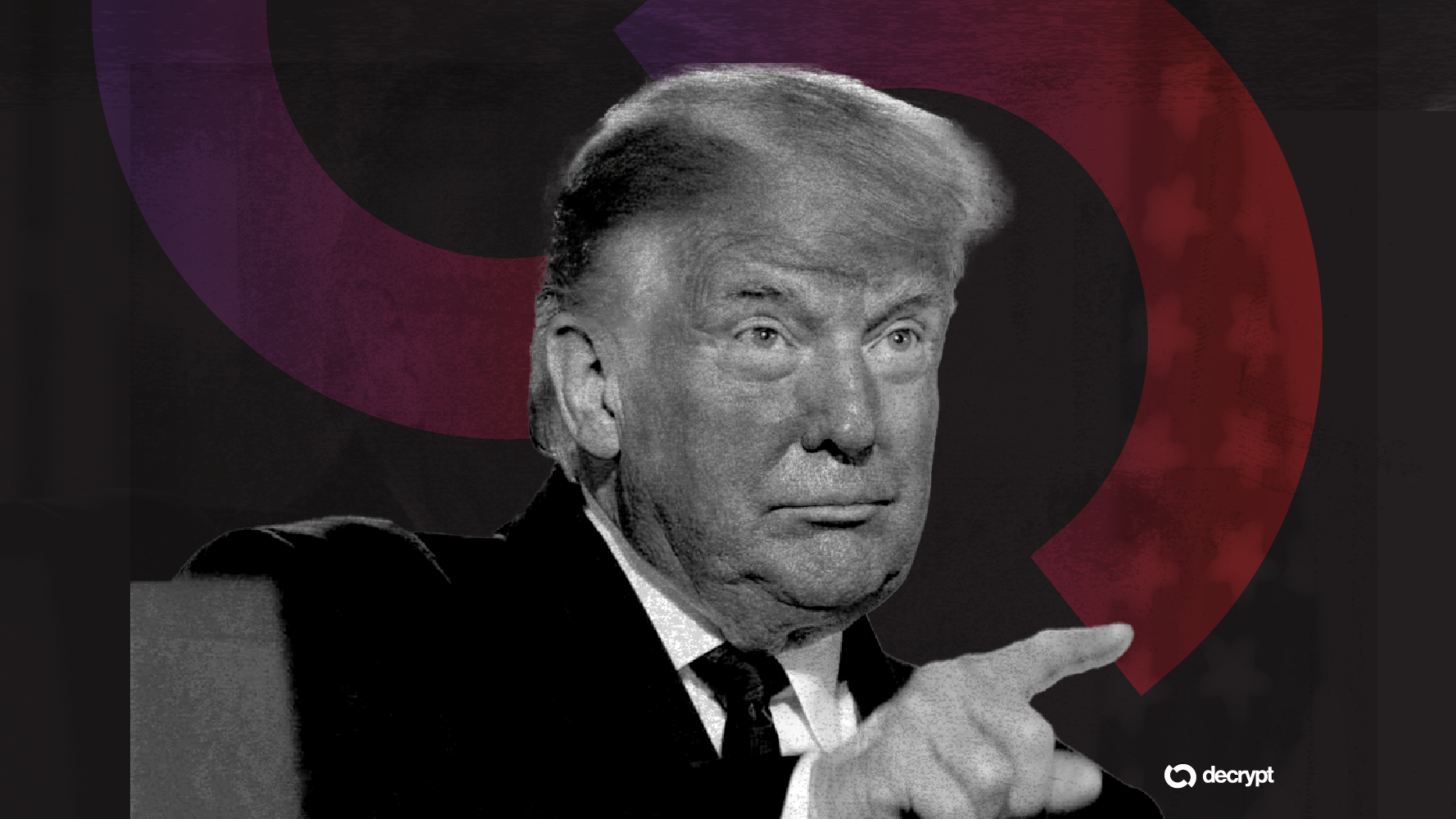
The appointment of Fred Ehrsam and Marc Andreessen to Trump's Science and Technology Advisory Council signals increased mainstream recognition and potential policy influence for the crypto industry. Whop's integration of Aave into its platform, enabling 21 million users to earn yield on idle balances without direct DeFi interaction, represents a significant step in mainstream DeFi adoption by abstracting away complexity. Despite a recent selloff, Circle's stock rebound and analyst support, coupled with Ark Invest's purchase, suggest market overreaction to regulatory concerns, reinforcing the stablecoin issuer's fundamental value proposition. Google's 2029 deadline for post-quantum cryptography transition highlights a looming, albeit distant, threat to current blockchain security, prompting proactive development like Bitcoin's BIP 360.

The alleged theft of $176 million in Bitcoin highlights that physical surveillance and seed phrase exposure, rather than code vulnerabilities, can be the primary attack vector for self-custodied assets. This case underscores that robust crypto security extends beyond technical safeguards to include environmental awareness and trust management, as human factors remain a critical vulnerability. The fragmentation of stolen Bitcoin across 71 addresses suggests a tactic to complicate tracking and recovery, demonstrating sophisticated methods employed in illicit asset transfers.

Shibarium experienced a 300% surge in transactions, but analysis reveals these are primarily zero-value contract calls, not indicative of increased user adoption or economic activity. The inflated transaction count on Shibarium is attributed to infrastructure-level processes like cross-chain communication and batching, which do not reflect genuine user demand or network utility. Traders should view the reported transaction surge on Shibarium with caution, as it does not translate to increased liquidity or economic throughput, potentially misrepresenting ecosystem health.

Crypto philanthropy's focus on short-term hype cycles and token launches in Africa is failing to build sustainable systems, leading to aid dependency rather than long-term development. On-chain transparency alone is insufficient for effective philanthropy; accountability requires robust on-the-ground presence, local ownership, and maintenance frameworks beyond the ledger to ensure tangible outcomes. Repeated failures in crypto-backed philanthropic projects erode trust in blockchain technology itself, creating a credibility challenge for the industry and hindering future adoption in development contexts. For blockchain to contribute meaningfully to sustainable development, it must prioritize governance infrastructure, local stewardship, and multi-year planning over novelty and fundraising functions.

Circle's CRCL stock is showing technical signs of a potential 25% rebound from current support levels near $100.75, indicating market overreaction to CLARITY Act fears. Analysts suggest the draft CLARITY Act language primarily impacts distributor incentives rather than Circle's core reserve income model, supporting a bullish outlook for CRCL. Institutional buying from Ark Invest during the recent dip reinforces the view that the sell-off presented a buying opportunity, potentially driving CRCL towards the $130 level. Despite potential regulatory headwinds, projections from Bitwise suggest Circle's valuation could reach $75 billion by 2030, highlighting long-term growth potential.
Despite a new partnership with Sarvam AI to enable multilingual voice ordering, Swiggy's stock has declined, indicating that market participants are not yet pricing in the potential growth from this AI integration. The collaboration aims to bridge India's linguistic diversity gap in digital commerce by leveraging Sarvam's AI assistant, Indus, which supports 11 Indian languages, potentially expanding Swiggy's user base. The development highlights a trend towards voice-first interfaces and AI utility for mass adoption, suggesting a strategic move by Swiggy to capture a significant portion of the 'next billion users' in AI-driven commerce.
X's strategic hire of Benji Taylor, former Aave product chief and Base design lead, signals a serious push towards integrating crypto-native financial services into the platform's 'everything app' vision. The appointment of a seasoned crypto product designer directly precedes the planned rollout of X Money, suggesting a focus on user experience and adoption for its upcoming payments and wallet services. This development highlights the increasing convergence of social media platforms and decentralized finance, potentially driving new user acquisition and integration pathways for the crypto ecosystem.

Fannie Mae's acceptance of Bitcoin and USDC as mortgage collateral signifies a significant step towards mainstream adoption of digital assets in traditional finance. This development allows borrowers to leverage crypto holdings for down payments without immediate tax implications, potentially increasing demand for these assets as collateral. While offering a novel financing option, the higher mortgage rates (0.5-1.5%) suggest a premium for this crypto-backed service, impacting affordability for some borrowers. The absence of margin calls and a liquidation risk tied to payment delinquency, rather than asset price drops, mitigates some of the volatility concerns associated with crypto collateral.

Significant whale accumulation of FET tokens, totaling $2.34 million, suggests growing institutional confidence and could precede a substantial price breakout. The On-Balance Volume (OBV) indicator showing a steady rise despite subdued price action signals underlying accumulation and potential for a bullish divergence breakout. FET price action is exhibiting a recovery structure with higher lows and approaching a critical resistance zone, indicating that a confirmed breakout could trigger a significant upward rally. Traders should monitor the $0.2500 resistance level for a potential breakout, which, if accompanied by strong volume, could validate the accumulation narrative and lead to further price appreciation.

Coinbase's advocacy group, Stand With Crypto, is strategically targeting key US House races in Ohio and Pennsylvania for the 2026 midterms, signaling a concerted effort to influence crypto-friendly legislation. The group's focus on specific districts with incumbents holding 'concerning records on crypto policy' indicates a direct attempt to leverage voter sentiment for regulatory outcomes. Past successes in 2024, where SWC claims numerous pro-crypto candidates won seats, suggest a growing influence of crypto-focused political mobilization that could impact future elections and policy.
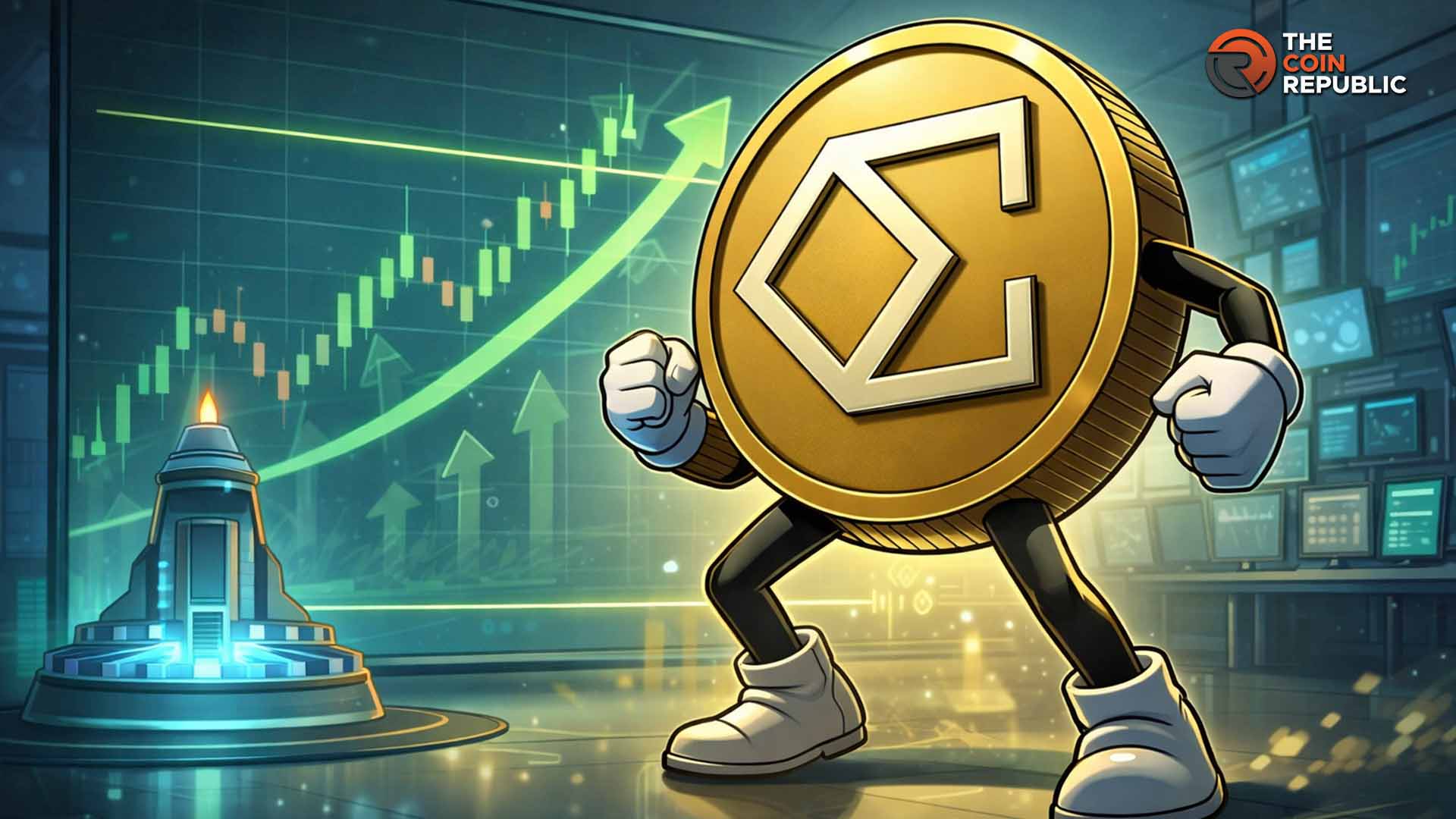
Ethena's price experienced a 13% surge driven by a bullish divergence and significant whale accumulation, indicating potential weakening of the prior downtrend. The launch of a new sUSDe to USDC liquidity pool on Hyperion offering a 59% APY and a 30x ENA rewards multiplier has attracted $11M TVL, creating a DeFi flywheel effect that boosts demand for ENA. Despite the recent rally, ENA faces a critical resistance at $0.13, with early signs of profit-taking on the 12-hour chart suggesting the uptrend may face immediate challenges. The $0.09 support level is crucial for Ethena; a break below it would invalidate the bullish divergence and signal a potential return to weakness, despite the positive catalyst from the Hyperion pool.
The transition to quantum-resistant cryptography presents a significant governance challenge for decentralized networks like Bitcoin and Ethereum, potentially slowing adoption compared to more centralized institutional blockchains. While the technical aspects of quantum-proofing are being addressed, the primary hurdle for public blockchains lies in coordinating system-wide wallet migrations, which could necessitate disruptive hard forks. Institutional networks like Canton may be better positioned to implement quantum upgrades due to their tighter governance structures, enabling faster decision-making and managed operational processes. The market may need to re-evaluate the long-term security assumptions of major public blockchains if their governance models prove too slow to adapt to existential threats like quantum computing.
Signal context only. Validate with price action, liquidity, and risk limits before taking a position.
