
Navigating Crypto News

CoinFeather
Navigating Crypto News
Quick market read from this story
Ethereum faces significant liquidation risk with $5.31B in long positions vulnerable to a 20% price drop, indicating potential for sharp downside volatility.
Despite record network activity and high address counts, Ethereum's price remains suppressed, suggesting underlying fundamental strength is not yet reflected in market sentiment.
The divergence between on-chain activity and price action creates a volatile setup, where a catalyst could trigger significant price movement driven by liquidations or a recovery fueled by network adoption.
Traders should monitor liquidation levels closely as they represent key price points that could accelerate market moves in either direction.
Deep Dive
Ethereum is currently exhibiting contradictory market signals, with leverage data indicating significant downside liquidation pressure while onchain activity has surged to record highs, despite the price remaining substantially below its previous peak. This divergence suggests underlying network strength that has not yet been fully reflected in market sentiment.
An Ethereum liquidation map, analyzed by Ted Pillows, reveals substantial leveraged positions that could be triggered by sharp price movements. The data indicates that approximately $5.31 billion in long positions face liquidation if Ethereum's price drops by 20%, while $4.51 billion in short positions would be liquidated if the price increases by 20%. The current Ethereum price is noted near $2,057.
The visualization of cumulative liquidation leverage across major exchanges like Binance, OKX, and Bybit shows that liquidation levels are more heavily concentrated on the downside. These downside liquidity clusters, if reached, could force liquidations of leveraged long positions, potentially intensifying downward price action. Conversely, a significant upward move could trigger short liquidations, leading to a short squeeze.
Concurrently, Ethereum's network activity has reached record levels, as highlighted by Crypto Patel using CryptoQuant data. This surge in total active addresses is occurring even as Ethereum's price remains over 50% below its all-time high.
The data shows active addresses surpassing levels seen during the 2020-2021 rally, a period that coincided with a sharp price increase. However, the current trend shows a divergence: network participation is expanding, but the price has not followed suit. This pattern often suggests that underlying network fundamentals are strengthening ahead of market sentiment.
While strong network activity can signal increased transaction demand and user engagement, it does not guarantee an immediate price rally. The data also shows that active addresses reached record highs during a period when Ethereum's price experienced a significant collapse, indicating that heavy usage can coexist with capital outflows and market weakness.
Nevertheless, if capital flows return and network growth persists, the current setup could support a stronger recovery for Ethereum. The gap between record network activity and lagging price may narrow through upward price adjustments, suggesting that the market has yet to fully price in the robust fundamental network usage.
Source, catalyst, and sector overlap from the latest feed.
Solana leads stablecoin activity with 36% market share as tight Bollinger Bands signal a potential breakout from the $81–$92 range.
Discover what investors should know about Twitch stock, including its ownership under Amazon and whether a future IPO could happen.
Dogecoin price rebounds near $0.095 with rising momentum as analysts highlight cycle patterns that could push DOGE toward $0.73, $1.25, or even $1.80.
NTPC Green Energy's stock surge of over 15% follows the commercial operation of a 270 MW solar project, indicating positive market reaction to capacity expansion. The successful integration of 270 MW into NTPC Green Energy's portfolio, boosting total capacity to over 9.5 GW, aligns with the company's strategic goal of achieving 60 GW from renewables by 2032. This development highlights a growing trend in traditional energy companies expanding their renewable energy footprint, potentially signaling a broader shift in the energy sector.
Mastercard's integration of Ripple into its $9 trillion payment ecosystem signals a significant step towards mainstream adoption of blockchain for cross-border and B2B payments. The partnership leverages Ripple's expertise to enhance efficiency and cost-effectiveness within traditional payment rails, potentially increasing demand for XRP-related infrastructure. This collaboration underscores Mastercard's strategic focus on bridging digital assets with established financial systems, positioning it as a key player in the evolving payment landscape.
Ark Invest's analysis suggests that while a significant portion of Bitcoin supply is already safe from quantum threats, approximately 34.6% remains vulnerable, highlighting a long-term but material risk that requires proactive mitigation. The report indicates that practical quantum threats to Bitcoin are likely years away, providing the network ample time to research and implement quantum-safe cryptography, though decentralized governance poses a challenge to swift upgrades. While the immediate threat is low, the potential for quantum computers to break Bitcoin's cryptography necessitates the development and integration of post-quantum cryptography (PQC) standards, impacting future network security and upgrade paths. The divergence in quantum risk estimates between Ark Invest and CoinShares underscores the uncertainty in predicting the timeline and impact of quantum computing, suggesting a need for continuous monitoring of technological advancements.
Bitcoin price action remains range-bound around $70,000 as US macro data fails to provide a clear directional catalyst. The market's expectation for a March Fed rate cut has fallen below 1%, removing a key potential tailwind for crypto assets in the near term. Analysts suggest that Bitcoin's current price consolidation could persist for several more weeks before a significant breakout or breakdown occurs. Despite recent price action, historical analysis indicates Bitcoin may be further along in its bear market correction than time-based metrics suggest.
Tether's strategic investment in Ark Labs signals a significant push to enhance Bitcoin's utility for stablecoin settlements and programmable payments, potentially unlocking new use cases beyond simple store-of-value. The $5.2 million funding round for Ark Labs, backed by Tether, highlights growing interest in developing Bitcoin's infrastructure for complex financial applications, which could increase demand for BTC as a settlement layer. This development reinforces Tether's strategy to expand its ecosystem beyond USDT issuance, aiming to integrate its stablecoin more deeply into various blockchain networks, including Bitcoin's.
Tether's investment in Ark Labs signals a strategic push to revive stablecoin utility on Bitcoin's base layer, potentially expanding its footprint beyond legacy platforms. Ark Labs' Arkade aims to enhance Bitcoin's transaction processing for stablecoins and RWAs via off-chain execution, addressing scalability limitations inherent in smart contract-less blockchains. While Tether has not committed to issuing USDT on Arkade, the funding and technological focus suggest a potential future integration, impacting the stablecoin infrastructure landscape. The development highlights a growing trend of building complex financial applications on Bitcoin's infrastructure, moving beyond its traditional role as a store of value.
BlackRock's new ETHB fund launches with a competitive 0.12% introductory fee, passing 82% of staking rewards to investors, positioning it against Grayscale's offerings. The introduction of ETHB, which offers direct staking rewards, is expected to attract investors seeking yield and potentially draw capital from direct ETH holdings and competitor products. With BlackRock entering the staked ETH ETF market, increased institutional adoption and potential capital inflows into Ethereum staking products are anticipated.
Live Feed
Loading the broader stream in the same flow as the homepage feed.

Eightco secured $125 million in funding commitments, signaling strong institutional confidence and enabling strategic investments in AI and crypto, which could drive future growth. The company's significant investment in OpenAI and Beast Industries, coupled with its substantial Worldcoin (WLD) holdings, positions it at the intersection of AI, digital identity, and content creation, potentially benefiting from these rapidly evolving sectors. The strategic alignment between Worldcoin's 'Proof of Human' concept, OpenAI's AI models, and MrBeast's content reach, as highlighted by Bitmine, suggests a narrative play that could attract speculative interest in related assets like WLD. With a large treasury of WLD tokens and Ether, Eightco's stock performance may become increasingly correlated with the price action of these cryptocurrencies, especially given the recent price uptick in WLD following the announcement.

The report highlights a significant shift in investor sentiment, with a majority now trusting centralized exchanges less due to past failures like FTX, driving a migration towards self-custody as a risk management strategy. True self-custody is framed not just by hardware wallet usage but by user behavior, emphasizing disciplined transaction verification and secure recovery material management as critical security components. Despite regulatory efforts like MiCA, the core principle of 'not your keys, not your coins' remains paramount, indicating that user education and operational security practices are key to achieving genuine digital asset sovereignty.
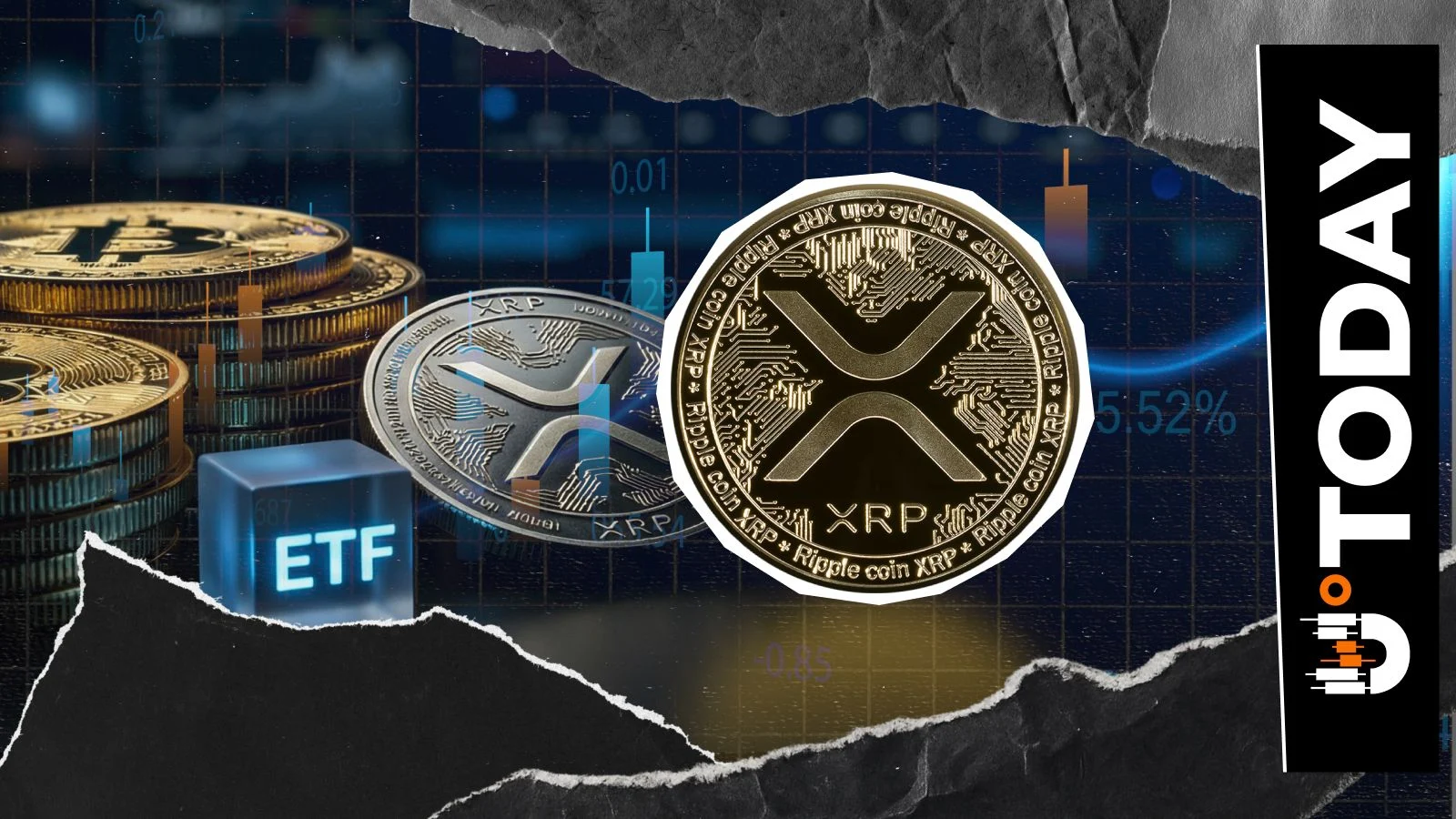
XRP ETF investors have reversed sell-off trend, a move that may be positive for the price.

Aptos (APT), down 2.3% from Wednesday, was also among the underperformers.

The FATF's warning highlights regulatory challenges posed by offshore crypto firms, potentially leading to increased scrutiny and compliance demands for VASPs operating across multiple jurisdictions. The report's focus on offshore VASPs and P2P stablecoin transfers suggests a growing regulatory push to close AML/CFT loopholes, which could impact the operational freedom and cost structure of certain crypto services. While not a direct market event, the FATF's emphasis on regulatory gaps and potential enforcement actions serves as a cautionary signal for the broader crypto industry regarding compliance and jurisdictional risks.

Athletes drafted on Thursday to compete in the MoonPay X Games League are set to receive signing bonuses in Exodus-powered stablecoins.
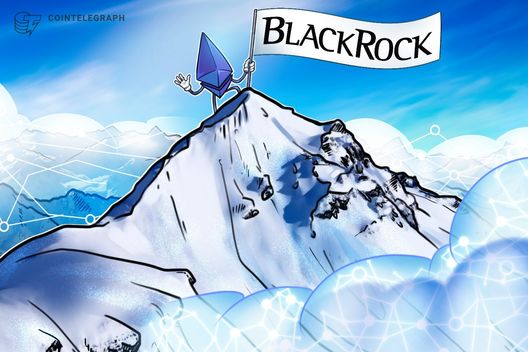
BlackRock’s iShares Staked Ethereum Trust ETF will trade on the Nasdaq, offering spot exposure and staking income with a reduced 0.12% fee on the first $2.5 billion.

Grayscale's launch of an Avalanche Staking ETF on Nasdaq signifies increasing institutional adoption and product development within the crypto ETF space, potentially driving demand for AVAX. The ETF's strategy to stake AVAX for rewards, averaging 7.36% last year, presents a yield-generating opportunity for traditional investors, which could attract capital into the Avalanche ecosystem. This development, following VanEck's similar ETF, indicates a growing trend of traditional finance integrating with Layer 1 blockchains, particularly those with strong DeFi and gaming ecosystems like Avalanche.

Cryptio's successful $45 million Series B funding round indicates growing institutional demand for robust crypto accounting solutions. The funding, led by BlackFin Capital Partners and Sentinel Global, highlights investor confidence in the crypto infrastructure sector amidst evolving regulatory and accounting landscapes. This development suggests a positive outlook for companies providing essential financial tooling for digital assets, potentially benefiting related infrastructure plays.

The announcement of a new US oil refinery, while politically framed for immediate consumer relief, has a groundbreaking timeline in Q2 2026, indicating no near-term impact on current inflationary pressures. Persistent energy inflation driven by geopolitical factors can lead to tighter liquidity conditions, potentially pressuring risk assets like Bitcoin as central banks remain cautious on rate cuts. While short-term inflation may pressure Bitcoin, sustained commodity shocks and monetary instability could reinforce the long-term narrative for scarce digital assets as an inflation hedge. The political framing of the refinery project as a solution to immediate gasoline price hikes is mismatched with its multi-year production timeline, suggesting the primary impact is symbolic rather than material for current market conditions.

Chainlink (LINK) is showing signs of a potential breakout from a year-long consolidation, with recent price action suggesting building bullish momentum that could target a 50% upside move if resistance at $9.5 is decisively cleared. Technical indicators like bullish divergence on the weekly RSI, despite a downward trend in Chaikin Money Flow, suggest weakening selling pressure and a possible trend reversal, though sustained support above $8 is crucial. A successful reclaim of the $9.5 resistance level could pave the way for mid-term targets around $12 and $15-$16, while a breakdown below $8 risks a drop to $6.5 or the long-term support at $5.5.
Signal context only. Validate with price action, liquidity, and risk limits before taking a position.
