
Navigating Crypto News

CoinFeather
Navigating Crypto News
Source, catalyst, and sector overlap from the latest feed.
Developer activity in the crypto space has seen a significant decline, with code commits down 75% and active contributors down 56% since early 2025, signaling a potential structural shift in talent allocation. The substantial pivot of developers towards AI projects suggests a competitive landscape for talent, potentially impacting the pace of innovation and development within the crypto sector. While the overall developer base is contracting, the remaining core engineers may focus on maintaining and advancing fundamental crypto protocols, indicating a potential consolidation of expertise.
Live Feed
Loading the broader stream in the same flow as the homepage feed.

The SEC and CFTC have formalized an operating framework for crypto, aiming to reduce regulatory overlap and streamline processes for firms interacting with both agencies. This agreement is expected to impact market structure by potentially lowering operational costs and risks for exchanges, brokers, and crypto operators, influencing product design and capital deployment. While not a direct price catalyst, the MOU signals a move towards greater regulatory clarity in the US, which could make the jurisdiction more attractive for building crypto-related market products over the medium term. The effectiveness of the MOU will be determined by concrete examples of faster product decisions, coordinated exams, or streamlined reporting, with the next quarter serving as a key period for observable outcomes.

Wall Street analysts highlight Circle's outperformance, attributing it to USDC's resilience and the firm's stablecoin infrastructure leadership, suggesting a growing market recognition beyond macro factors. The sustained strength in Circle's stock, up significantly from recent lows, indicates a positive shift in investor sentiment towards stablecoin infrastructure as a critical component of future global payments. Circle's competitive moat is reinforced by its established minting, cross-chain transfer, and payment orchestration infrastructure, positioning USDC as a potential dominant standard in cross-border commerce.

The Bitcoin-to-gold ratio is exhibiting a bullish divergence on the RSI, suggesting a potential bottom for BTC's long-term trend against gold and indicating fading selling pressure. Significant outflows from gold ETFs contrasted with increasing inflows into Bitcoin ETFs, signaling a potential capital rotation favoring Bitcoin as a risk-on asset. Despite current macro volatility, historical data suggests that periods following US midterm elections have historically led to strong Bitcoin performance, presenting an "opportunity within risk.". The increasing share of Bitcoin ETF trading volume, while still nascent compared to traditional markets, points to growing institutional interest and potential for further expansion.

The goal is to make it easier for users to earn returns on crypto without having to choose or manage strategies themselves.

Crypto assets defy traditional accounting rules, posing huge risks for auditors and fund managers. Ganna Vitko breaks down U.S. vs EU trends.

Avalanche's business chief reframes the network's strategy from speculative crypto narratives to enterprise-grade infrastructure, signaling a potential shift towards more sustainable, business-focused adoption. The emphasis on custom 'L1s' (formerly subnets) for businesses seeking privacy, regulatory control, and specific fee structures suggests a move away from one-size-fits-all blockchain solutions towards tailored, B2B offerings. By positioning Avalanche as a business tool for digitization and cost efficiency, the network aims to attract institutional clients who prioritize execution and problem-solving over hype, potentially driving demand for its underlying infrastructure. The commentary highlights a broader industry trend of de-emphasizing the token itself as the product, focusing instead on delivering tangible outcomes like faster payments and tokenized assets, which could lead to more robust and less volatile market growth.
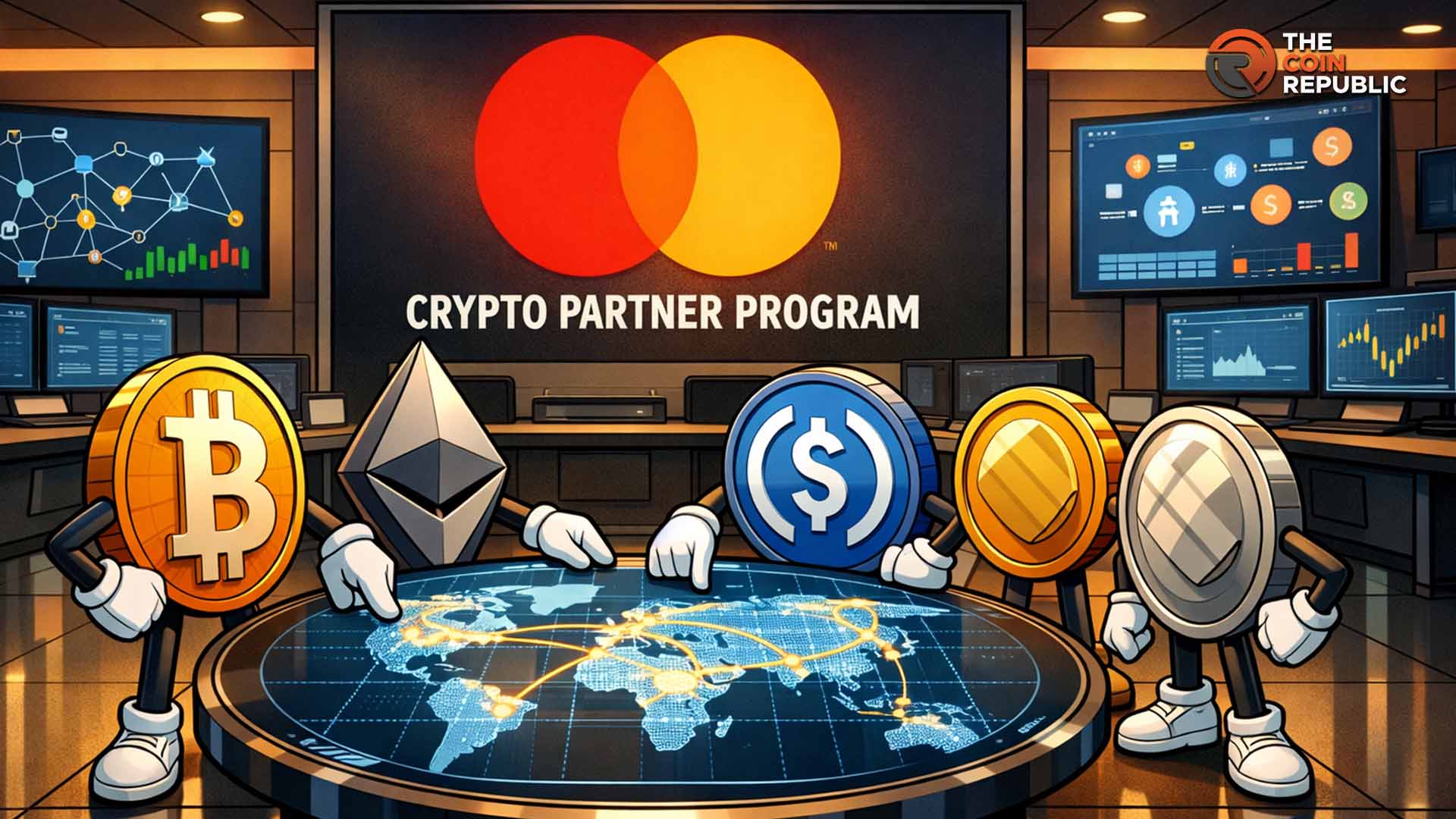
Mastercard's new global partner program with over 85 firms signals a strategic push towards integrating digital assets into mainstream payment rails for practical use cases like cross-border and B2B transfers. The initiative, involving major players like Binance, Ripple, Circle, and PayPal, focuses on utility and compliance, suggesting a pragmatic approach to scaling blockchain payments beyond niche applications. This development positions Mastercard as a potential key intermediary bridging traditional finance with the crypto ecosystem, emphasizing the need for regulation and interoperability for wider adoption. The program's emphasis on real payment use cases and collaboration with established financial infrastructure indicates a medium-term catalyst for increased crypto transaction volume and potential repricing in related payment tokens.
Tether's $5.2M investment in Ark Labs signals a strategic move to enhance Bitcoin's programmability, potentially unlocking new DeFi and payment use cases on the base layer. The funding round, led by the world's largest stablecoin issuer, suggests a growing institutional interest in developing Bitcoin beyond its role as a store of value. Arkade's focus on enabling payments, lending, and escrow directly on Bitcoin's rails could challenge Ethereum's dominance in programmable finance if successful. Tether's backing of Bitcoin's infrastructure development, despite the rise of other smart contract platforms, indicates a long-term conviction in Bitcoin's foundational strength and future evolution.
The appointment of Stephen Gregory, a compliance specialist, as Binance.US CEO signals a strategic pivot towards regulatory adherence and rebuilding trust after a period of intense legal scrutiny. With the SEC case dismissed and an anti-terrorism lawsuit against Binance dropped, Binance.US is positioned to restore services and pursue growth, potentially re-engaging users and partners. Gregory's background suggests a focus on expanding staking products and exploring DeFi and tokenized assets, aligning with industry trends and aiming to leverage compliance as a competitive advantage.
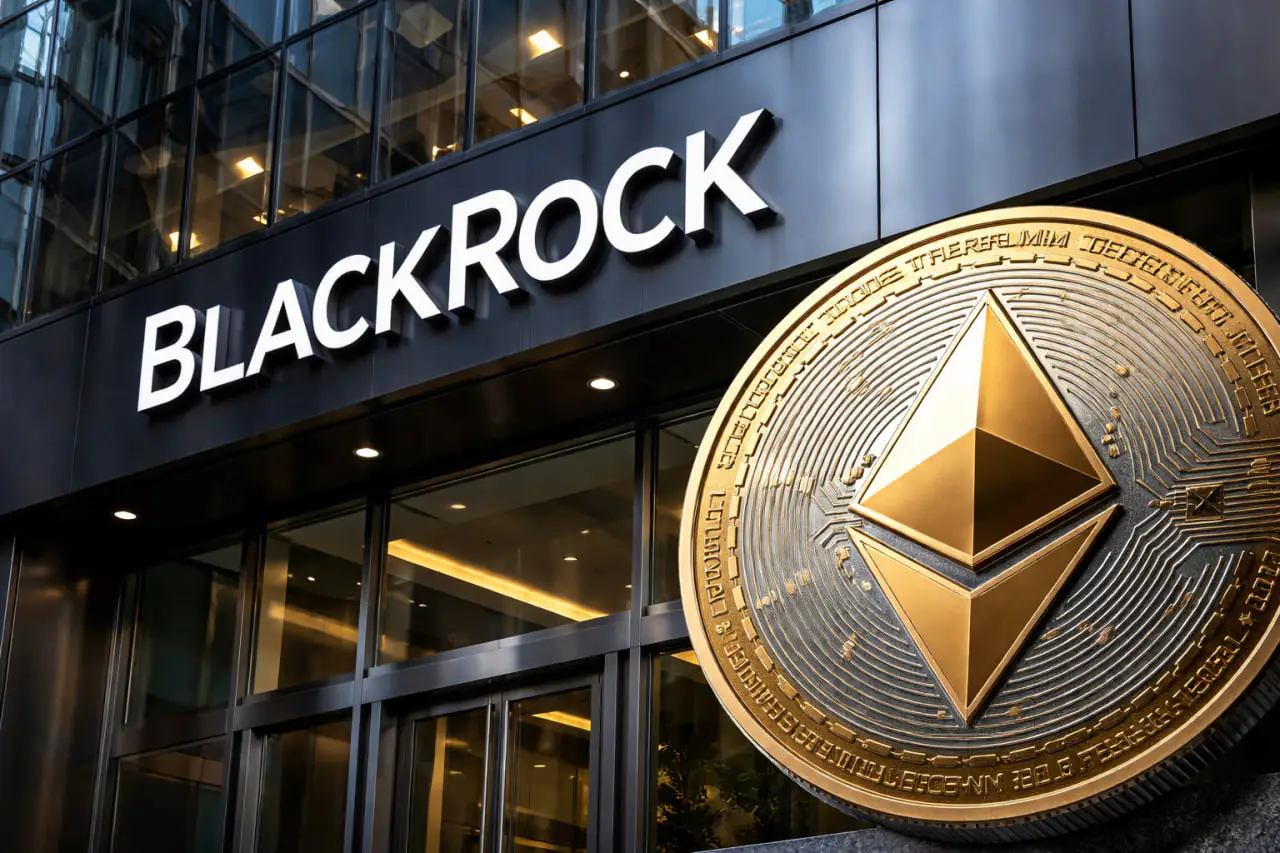
BlackRock's launch of the iShares Staked Ethereum Trust ETF introduces a novel product that combines spot ETH price exposure with staking rewards, potentially offering a higher total return than existing non-staking ETFs. The ETF's aggressive introductory fee structure of 0.12% for the first $2.5 billion in assets, significantly lower than the standard 0.25%, is designed to rapidly capture market share from competing Ethereum ETFs. This development represents a structural evolution in the crypto ETF market, as it's the first U.S. spot Ethereum ETF to directly incorporate staking yield, which could drive ETH staking demand and reduce circulating supply. The launch coincides with a technically constructive short-term outlook for Ethereum, with positive RSI and MACD indicators suggesting improving momentum entering the ETF's trading debut.

Glassnode’s Accumulation Trend Score drops to 0.04 as smaller wallet cohorts offload BTC while macro headwinds intensify.
Escalating geopolitical tensions in the Middle East, particularly concerning Iran and the Strait of Hormuz, are driving significant volatility in oil prices, with Brent crude briefly exceeding $100. Disruptions to oil transport routes and production facilities, including attacks on tankers and terminal shutdowns, are intensifying supply fears and tightening global expectations. While emergency oil releases from strategic reserves by the IEA and the US aim to stabilize markets, their short-term effectiveness is questioned against prolonged supply disruptions, suggesting continued price volatility. The surge in oil prices is impacting broader financial markets, leading to declines in U.S. stocks like the S&P 500 and Dow Jones due to increased inflation risks and potential economic slowdown.

Key Takeaways South Korea’s tax authority is deploying an AI system to monitor 8 billion crypto transactions annually, ahead of […] The post South Korea Deploys AI Tax Surveillance Tool as Crypto Regulation Tightens appeared first on Coindoo.
The presence of Goldman Sachs on XRP and Solana ETF holder lists is primarily attributed to market-making and trading desk activities, not a strategic conviction in the underlying assets. While institutional involvement in crypto ETFs is noted, the article suggests that large financial institutions' ETF holdings often reflect operational functions rather than direct investment in the asset's long-term potential. Genuine institutional conviction in crypto assets is better indicated by dedicated crypto hedge funds' holdings, which may have been instrumental in seeding these ETFs, rather than by traditional banks' trading desk positions. The market's interpretation of Goldman Sachs' ETF holdings as a bullish signal for XRP is likely overstated, as the actual impact on token demand may be minimal if it represents a shift in existing exposure rather than new capital inflow.
Solana leads stablecoin activity with 36% market share as tight Bollinger Bands signal a potential breakout from the $81–$92 range.

Ark Invest's analysis suggests that while a significant portion of Bitcoin supply is already safe from quantum threats, approximately 34.6% remains vulnerable, highlighting a long-term but material risk that requires proactive mitigation. The report indicates that practical quantum threats to Bitcoin are likely years away, providing the network ample time to research and implement quantum-safe cryptography, though decentralized governance poses a challenge to swift upgrades. While the immediate threat is low, the potential for quantum computers to break Bitcoin's cryptography necessitates the development and integration of post-quantum cryptography (PQC) standards, impacting future network security and upgrade paths. The divergence in quantum risk estimates between Ark Invest and CoinShares underscores the uncertainty in predicting the timeline and impact of quantum computing, suggesting a need for continuous monitoring of technological advancements.

Eightco secured $125 million in funding commitments, signaling strong institutional confidence and enabling strategic investments in AI and crypto, which could drive future growth. The company's significant investment in OpenAI and Beast Industries, coupled with its substantial Worldcoin (WLD) holdings, positions it at the intersection of AI, digital identity, and content creation, potentially benefiting from these rapidly evolving sectors. The strategic alignment between Worldcoin's 'Proof of Human' concept, OpenAI's AI models, and MrBeast's content reach, as highlighted by Bitmine, suggests a narrative play that could attract speculative interest in related assets like WLD. With a large treasury of WLD tokens and Ether, Eightco's stock performance may become increasingly correlated with the price action of these cryptocurrencies, especially given the recent price uptick in WLD following the announcement.
Signal context only. Validate with price action, liquidity, and risk limits before taking a position.
Shiba Inu has reversed the negative trend in its burn rate, jumping 45% in 24 hours.
