
Navigating Crypto News

CoinFeather
Navigating Crypto News
Source, catalyst, and sector overlap from the latest feed.
BNB Chain's RWA sector has experienced significant growth, surpassing $3 billion and increasing by 33.8% in the last 30 days, indicating strong institutional interest in tokenized assets on the platform. The influx of institutional products like BlackRock's BUIDL and Circle's USYC highlights a growing trend of traditional finance integrating with blockchain infrastructure, potentially driving further adoption and value for BNB Chain. With RWA token holders growing by nearly 11% and transaction volume reaching $1.4 billion, the development signals increased utility and engagement within the BNB Chain ecosystem, moving beyond speculative trading.
Live Feed
Loading the broader stream in the same flow as the homepage feed.
Elevated inflation data, specifically a higher-than-expected PPI reading, has led prediction market participants to significantly reduce their expectations for a crypto spring rally. The shift in sentiment on the Myriad prediction market, with 'crypto spring' chances falling below 50%, reflects a growing concern among traders that sustained high energy costs could keep interest rates elevated, negatively impacting risk assets like cryptocurrencies. The decline in major cryptocurrencies like BTC, ETH, SOL, and BNB following the PPI report suggests a near-term bearish bias, as traders price in a lower probability of Fed rate cuts and a less favorable macro environment for risk assets.

Robert Kiyosaki's prediction of $750,000 Bitcoin implies a significant devaluation of fiat currency, but the actual purchasing power will depend on inflation rates for essential goods and services. Despite a high nominal price target, Kiyosaki's analysis suggests Bitcoin may underperform gold relative to historical ratios, indicating a potential shift in perceived store-of-value dominance. Kiyosaki's history of predicting market crashes without consistent accuracy suggests this forecast should be viewed with caution, as it lacks strong empirical backing for timing or magnitude. The prediction, while bullish on the nominal BTC price, is framed within a broader economic collapse narrative, suggesting that even a high BTC price might not translate to improved individual financial standing if living costs soar.

A circulating chart claims retail XRP purchases fund Ripple Labs' corporate activities and shareholder value, challenging the token's utility narrative. Disputed data points regarding RLUSD issuance and stablecoin market share suggest the chart's core argument against XRP's relevance may be factually flawed. The underlying debate about Ripple's use of XRP proceeds for corporate benefit versus token holder utility remains a legitimate market concern, irrespective of specific chart inaccuracies.

The Iran war's impact on global energy markets is shifting the paradigm from price-driven trade to energy security, potentially creating a permanent 'inflation floor' that limits central bank liquidity. This structural shift implies a move away from ultra-easy monetary policies, which historically fueled asset price appreciation, suggesting investors should prepare for constrained liquidity and increased market volatility. The geopolitical focus on energy independence will likely lead to de-globalization in energy markets, prioritizing control over cost and resulting in higher prices and fragmented supply chains globally.

XBTFX's launch of gold-denominated MT5 accounts, integrating Tether Gold (XAUT) for funding and trading, offers a specialized infrastructure for gold-focused traders seeking to align their capital with their primary asset. The new system streamlines the trading workflow by allowing direct deposit of XAUT, conversion to XAU balances, and funding of MT5 ECN accounts in gold terms, reducing friction for users who prefer not to convert to fiat. This development enhances the trading experience for gold traders by providing a gold-based account structure with specific parameters like spreads, leverage, and lot size, directly within the MT5 ecosystem. The integration of tokenized gold (XAUT) as a direct funding source for gold-denominated trading accounts represents a niche but potentially significant step in bridging digital assets with traditional commodity trading.
The launch of a licensed S&P 500 perpetual on Hyperliquid signifies a significant step in bridging traditional finance with decentralized derivatives, potentially attracting new capital and user bases to the platform. The HYPE token's recent price appreciation, coupled with Hyperliquid's rise to third-largest by staking market cap, suggests growing investor confidence and network adoption driven by these RWA integrations. Continuous 24/7 trading access for the S&P 500 perpetual on Hyperliquid offers a distinct advantage over traditional markets, enabling real-time reaction to global economic events and potentially increasing trading volume.

A sophisticated phishing campaign is impersonating the new Pudgy World game, targeting users with fake wallet interfaces to steal credentials, highlighting ongoing security risks in the gaming and NFT space. The attack's detailed wallet UI forgeries suggest a well-resourced threat actor, indicating a persistent and evolving threat landscape for crypto-related scams targeting digital asset holders. While the direct financial impact on Pudgy Penguins or its users is currently unknown, such phishing attempts underscore the critical need for enhanced user education and security protocols within the broader crypto ecosystem.
Tempo Network's mainnet launch, backed by Stripe and Paradigm, introduces the Machine Payments Protocol (MPP) to facilitate AI agent transactions, signaling a significant step towards enabling the agentic economy. The integration of MPP with major payment players like Visa and support for Bitcoin Lightning Network payments via Lightspark highlights the protocol's potential to standardize and streamline machine-to-machine payments across diverse rails. The focus on AI agent payments and the development of MPP by Tempo, alongside similar initiatives from Ethereum Foundation and Coinbase, indicates a growing trend and potential new market segment for blockchain infrastructure.

Bhutan's state-owned investment company DHI has continued its BTC divestment, moving over $72.3 million in the last 24 hours, signaling a sustained reduction in its strategic reserve. The ongoing sales, which have reduced Bhutan's holdings from a peak of over 13,000 BTC to approximately 4,400 BTC, suggest a potential shift in the nation's long-term crypto strategy or a need for liquidity. While the article notes Bhutan's historical use of BTC for development projects like the Gelephu Mindfulness City, the consistent selling pressure from a significant holder could weigh on market sentiment in the short term.

Bitcoin Everlight's reward structure, paid in BTC derived from transaction fees, offers a more stable and market-independent income stream compared to DeepSnitch AI's DSNT-denominated rewards, mitigating risks associated with post-token generation event selling pressure. The comparison highlights Bitcoin Everlight's emphasis on pre-launch security and transparency with completed audits and KYC, contrasting with DeepSnitch AI's less documented verification timeline, which could influence investor confidence. Bitcoin Everlight's fixed APY tiers for its shard model provide predictable returns, unlike DeepSnitch AI's uncapped APR which is subject to dilution as more users join, offering clearer yield expectations for participants. The absence of subscription fees or ongoing token holding requirements for core product access in Bitcoin Everlight's model presents a simpler and potentially more cost-effective participation structure than DeepSnitch AI's gated ecosystem.
Citigroup's downgrade of Gemini (GEMI) from Neutral to Sell, citing a prolonged path to profitability, directly impacts the exchange's valuation and investor sentiment. The downgrade, coupled with Citi's reduced price targets for BTC and ETH, suggests a cautious outlook on the broader crypto market's near-term prospects and potential for institutional adoption. Gemini's strategic cost-cutting measures, including international operational wind-downs and headcount reductions, highlight the pressure on crypto exchanges to achieve sustainable profitability amidst market volatility.
Signal context only. Validate with price action, liquidity, and risk limits before taking a position.
Quick market read from this story
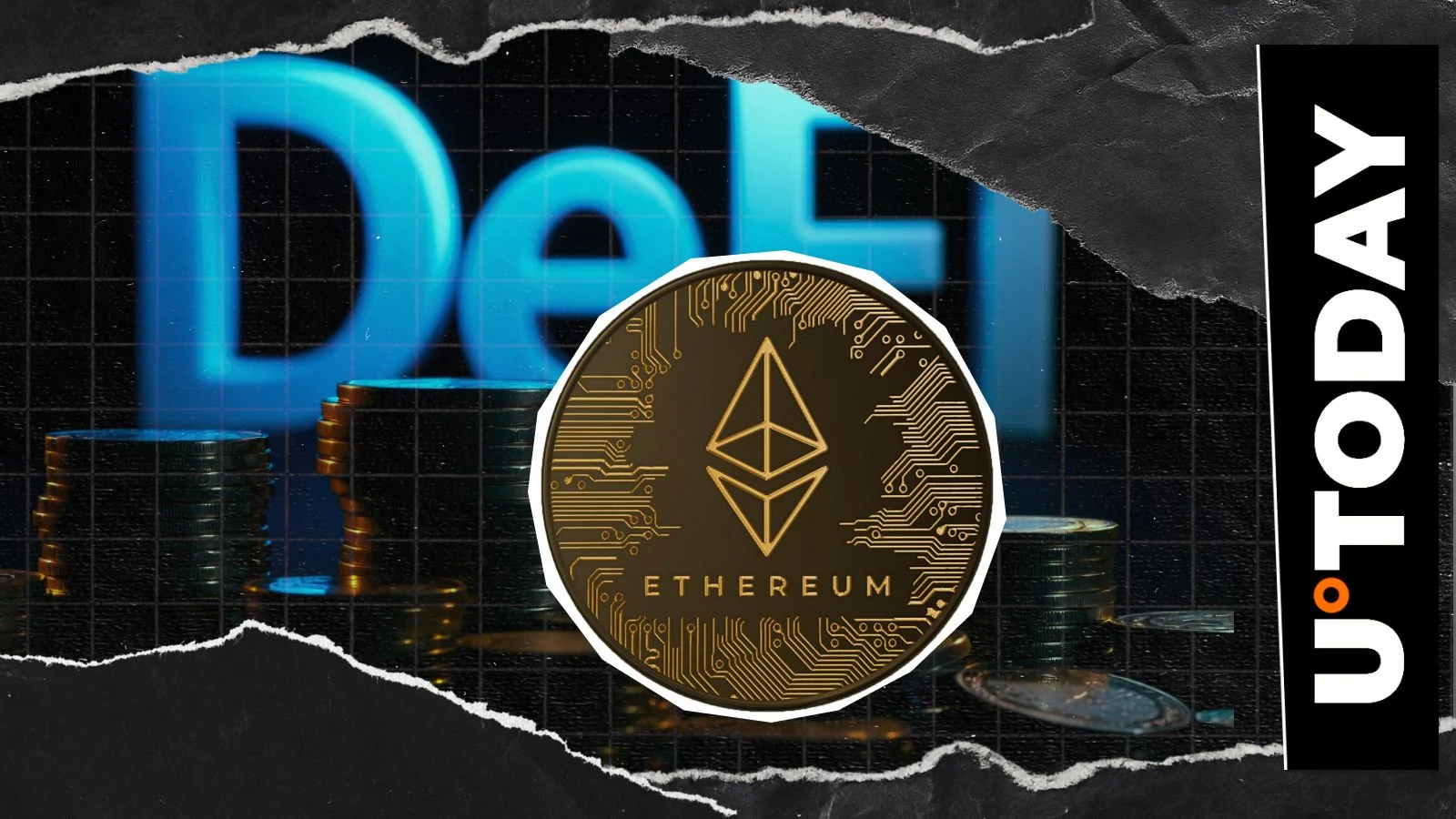
The Ethereum Foundation's continued deployment of significant ETH into Morpho Vaults signals increasing confidence in DeFi yield generation strategies by a major industry player.
This move reinforces Morpho's position as a trusted DeFi protocol for institutional-grade treasury management, potentially attracting further capital.
The allocation into Morpho Vaults V2 specifically indicates an intent to leverage upgraded infrastructure for enhanced capital efficiency and yield optimization.
Deep Dive
The Ethereum Foundation (EF) is actively managing its substantial treasury by deploying funds into decentralized finance (DeFi) protocols. In its latest move, the organization announced a fresh deployment of 3,400 ETH into Morpho, a prominent decentralized lending and borrowing protocol. This action underscores the EF's increasing confidence in DeFi yield strategies.
The Ethereum Foundation confirmed via an official update on X (formerly Twitter) that it is continuing to "explore DeFi as part of its treasury strategy." The recent transaction includes a total deposit of 3,400 ETH into the Morpho ecosystem. Significantly, 1,000 ETH of this new deployment was specifically allocated to the newer Morpho Vaults V2, indicating a strategic utilization of the protocol's advanced infrastructure for yield generation and capital efficiency.
This substantial deposit builds upon the EF's existing strategy with Morpho, which began late last year. In October 2025, the Ethereum Foundation first publicly engaged with the lending protocol by deploying 2,400 ETH and approximately $6 million in stablecoins into Morpho Vaults V1.
XRP whales have accumulated 200 million tokens, signaling increased confidence and potentially anticipating further price appreciation towards the $1.50-$1.60 range. The XRP Ledger is experiencing a surge in network activity, reaching a five-week high in active addresses, which, combined with whale accumulation, suggests growing utility and user engagement. A golden cross on XRP's four-hour chart, with the 50 MA crossing above the 200 MA, indicates a bullish technical setup that could support a move towards the $1.50 price target if the $1.449 level is maintained. Recent SEC interpretations suggesting most crypto assets are not securities, coupled with the ongoing Ripple lawsuit, could provide a more favorable regulatory environment for XRP, potentially boosting investor sentiment.
