
Navigating Crypto News

CoinFeather
Navigating Crypto News

Quick market read from this story
xAI's lawsuit against Colorado over AI regulations highlights a growing tension between state-level AI governance and the desire for unfettered AI development, potentially impacting how AI models are trained and deployed.
The legal challenge by xAI, backed by Elon Musk, suggests a broader conflict over AI censorship and data sourcing, which could set precedents for future AI regulation and influence investor sentiment towards AI-focused companies.
The lawsuit's focus on "maximally truth seeking" versus politically aligned data raises questions about the inherent biases in AI models and the regulatory frameworks intended to mitigate them, impacting the perceived trustworthiness of AI outputs.
Source, catalyst, and sector overlap from the latest feed.
Coinbase's x402 protocol upgrade to usage-based pricing addresses limitations for AI compute requests, potentially enabling broader adoption of agentic commerce by aligning costs with actual usage. The shift from flat fees to variable pricing for AI compute services like LLM inference and data queries is a necessary step to support the anticipated surge in network demand from agentic AI applications. Despite the protocol's technical advancements and backing from major tech firms, recent transaction data indicates a significant decline in x402 adoption, suggesting that market uptake remains a key challenge.
Live Feed
Loading the broader stream in the same flow as the homepage feed.
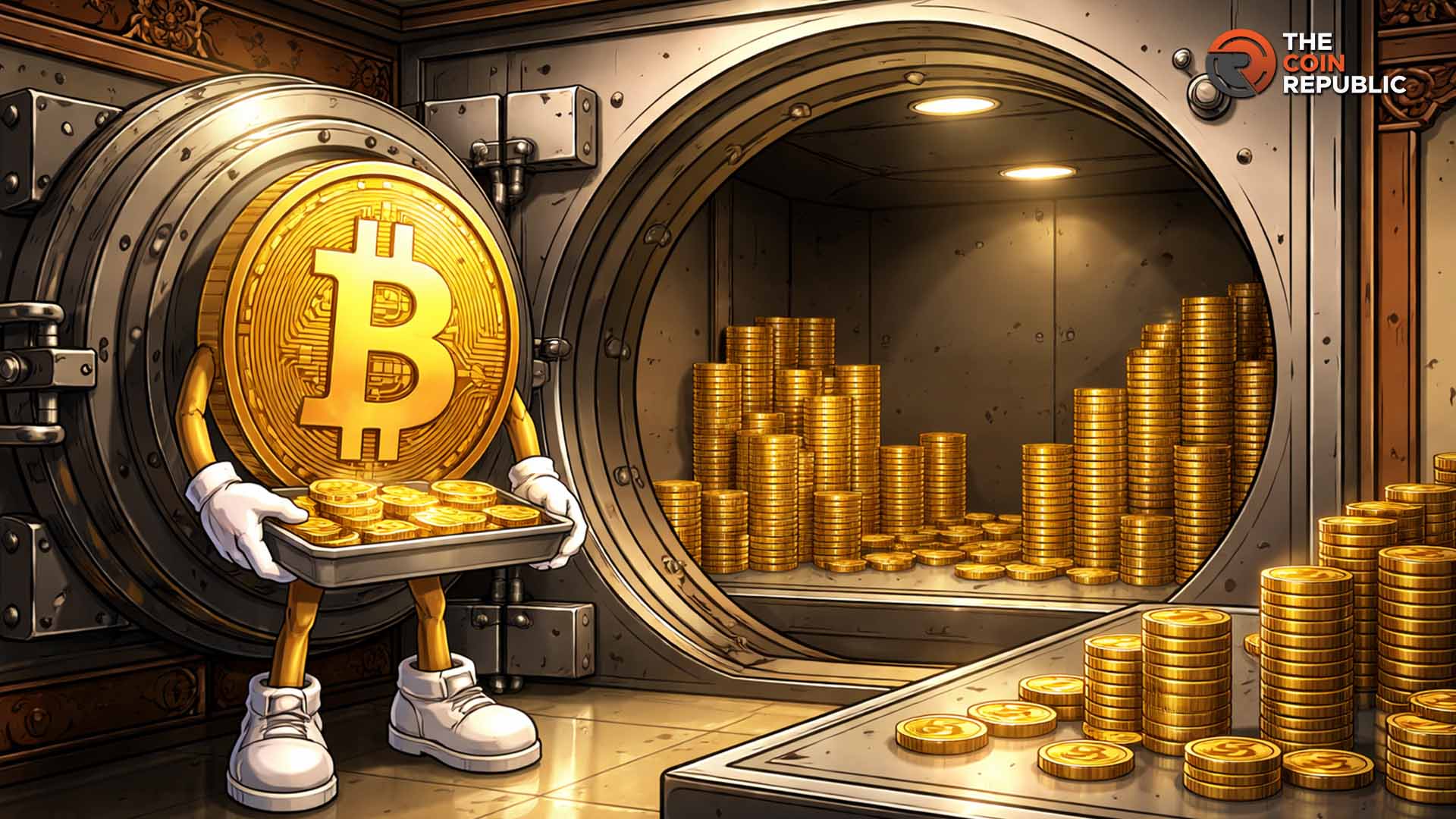
Bhutan's continued offloading of Bitcoin, totaling $610 million, signals a potential strategic shift away from its BTC holdings, raising questions about broader institutional sentiment. The consistent selling pressure from Bhutan, particularly after Bitcoin's price surge above $70,000, suggests a profit-taking strategy rather than distress, implying a pragmatic approach to reserve management. While Bhutan's sales might be interpreted as a bearish signal for some, the context of acquiring BTC at low costs and potential geopolitical motivations for liquidity suggests a nuanced market dynamic beyond simple asset divestment. The divergence in institutional behavior, with Bhutan selling while entities like MicroStrategy and BlackRock show contrasting strategies, highlights varied risk appetites and strategic objectives within the crypto market.
A solo miner achieved a statistically improbable win of a Bitcoin block, highlighting the potential for individual participants to still capture significant rewards despite increasing network difficulty and pool dominance. While this event is a rare occurrence with odds of 1 in 100,000, it serves as a reminder of the decentralized nature of Bitcoin mining and the possibility of unexpected individual successes. The 3.128 BTC reward, valued at approximately $222,000, underscores the substantial financial upside for miners, even as the overall mining landscape becomes more consolidated.

Pi Network's transaction speed test against Bitcoin highlights its potential for real-time applications, contrasting its Stellar Consensus Protocol (SCP) with Bitcoin's Proof-of-Work (PoW). The comparison aims to shift the narrative for Pi Network beyond 'mobile mining' by demonstrating its capability as a functional Layer-1 chain with practical utility for fast transactions. While Pi Network shows promising transaction speeds, its current market valuation and trading volume remain significantly lower than Bitcoin's, indicating a substantial gap in market dominance and liquidity.

PancakeSwap (CAKE) is showing early signs of stabilization after a prolonged downtrend, suggesting a potential shift from capitulation to base-building, which could precede a breakout if momentum builds. Price predictions for CAKE range significantly, with forecasts for 2026 between $1.00 and $15.00, and potential highs of $80.00 by 2030, contingent on maintaining bullish structure and reclaiming key resistance levels. The article frames CAKE as a fundamentally relevant DeFi asset on BNB Chain, with sustained ecosystem usage and protocol upgrades, despite increased competition, indicating potential for a recovery cycle if current consolidation evolves into a sustained trend.

XRP's recent price action shows a high-volume breakout above $1.34, but the lack of sustained follow-through suggests the move is primarily technically driven rather than fundamental. While XRP ETFs saw modest inflows, the overall market sentiment and technical resistance around $1.36-$1.40 indicate that a significant trend shift is unlikely without stronger catalysts. Traders should monitor $1.34 as a key pivot; a failure to hold this level could invalidate the breakout and signal a return to downside pressure towards $1.31-$1.32.

Bitcoin's inability to decisively break $73,000 despite a recent weekly gain suggests a strong resistance level is in play, potentially limiting near-term upside until a clear breakout above $75,000 or $80,000 is achieved. The current market sentiment appears cautiously optimistic, with major cryptocurrencies showing weekly gains, but the repeated rejection at key resistance levels indicates a lack of strong conviction for a sustained bullish phase. Altcoins like Algorand, Aptos, and Polkadot are diverging from the majors, signaling a potential rotation out of riskier assets or a lack of broad market participation beyond Bitcoin and Ethereum. The geopolitical situation remains a significant factor, with the 'ceasefire' narrative showing signs of fraying, which could lead to a pullback in crypto prices if tensions escalate or the Strait of Hormuz faces further disruptions.
JasmyCoin (JASMY) is showing signs of stabilizing near a demand zone after an extended downtrend, suggesting potential for a base formation and a shift in market structure if key resistance levels are reclaimed. Price predictions for JASMY indicate a potential recovery towards $0.050 by the end of 2026 and $0.26 by 2030, contingent on broader adoption of its decentralized data and IoT infrastructure. While JASMY's long-term utility in data sovereignty is noted, current price action remains under pressure, highlighting a transitional phase rather than a confirmed recovery, making it a watchlist candidate.

The TON blockchain has undergone a significant infrastructure upgrade, increasing its speed tenfold and reducing transaction times to subsecond, positioning it for greater scalability and adoption. Despite the positive upgrade news, TON's price experienced a sharp spike and immediate rejection, indicating that the market is awaiting further catalysts or a more favorable macro environment before fully pricing in the technological advancements. Whale addresses have been accumulating TON over the past three months, suggesting underlying conviction in the asset's long-term value despite recent price depreciation and the market's short-term reaction to the upgrade news. With six further upgrades planned, including a 6x reduction in transaction fees, TON is executing a strategic roadmap that could significantly enhance its competitiveness for high-frequency micropayment use cases.
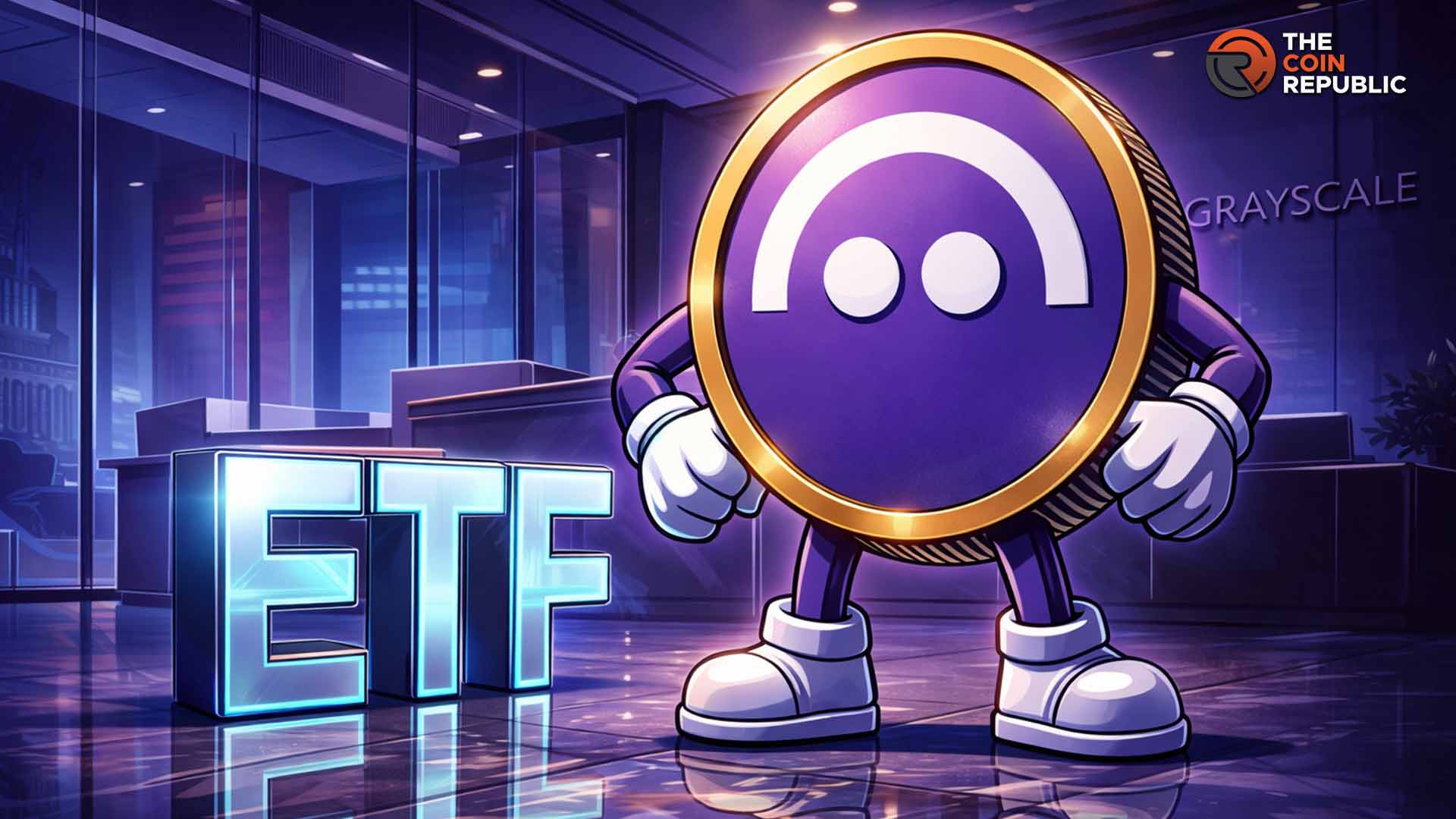
Grayscale's positive outlook on Aave Protocol, citing its potential to become a household name due to lower operating costs compared to traditional banks, suggests a long-term bullish thesis for AAVE. The AAVE price is exhibiting bullish divergence on its RSI relative to price action, indicating a potential short-term reversal and breakout opportunity from its current discounted levels. Despite a significant drop in lending deposits from its peak, Aave Protocol has seen its stablecoin total supply reach a new all-time high, signaling underlying demand and readiness for market recovery.

BlockDAG's presale pricing at $0.0000061 positions it for market-driven valuation post-TGE, contrasting with established assets like XRP, Chainlink, and Arbitrum. The article serves as a sponsored overview comparing a pre-launch project (BlockDAG) with established players (XRP, LINK, ARB) in the 2026 crypto market context. Market participants are evaluating projects based on presale models versus open market trading, highlighting the importance of liquidity and exchange readiness for new assets.

A new quantum-safe transaction scheme for Bitcoin, QSB, has been proposed that operates under existing consensus rules, offering an immediate, albeit costly, fallback against future quantum threats. While QSB provides an emergency solution at an estimated $75-$200 per transaction, it is not a replacement for protocol-level upgrades like BIP-360, which remain the long-term scalable solution but face significant development and governance delays. The high cost and computational overhead of QSB limit its practicality for everyday use, positioning it as a last-resort measure for users prioritizing quantum security over transaction efficiency and cost.
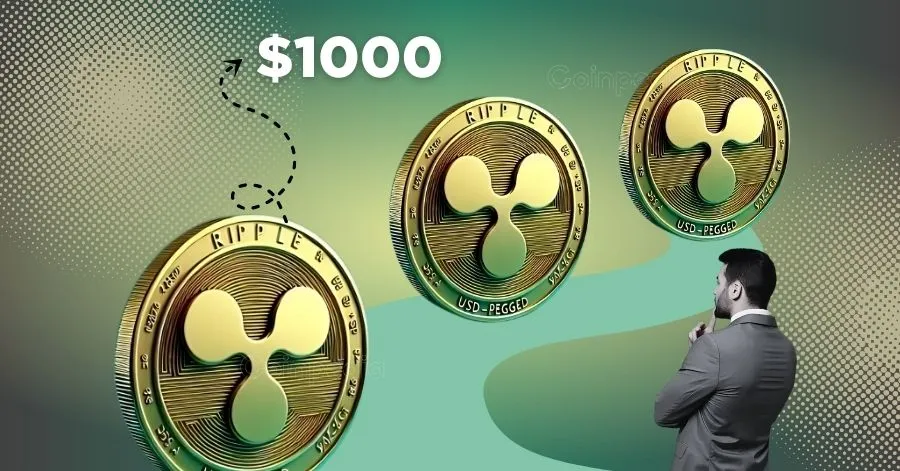
An analyst has projected XRP could reach $1,000 by 2030, drawing parallels to Bitcoin's historical market cap expansion and arguing crypto has no inherent ceiling. The projection is based on XRP's evolving utility beyond replacing SWIFT, citing acquisitions like Hidden Road and new products like Ripple Treasury and RLUSD as drivers for bringing the financial world on-chain. Despite the ambitious price target, the core thesis highlights significant underlying developments in Ripple's ecosystem, suggesting a potential shift in XRP's fundamental value proposition beyond speculative trading.
Signal context only. Validate with price action, liquidity, and risk limits before taking a position.
A new Quantum Safe Bitcoin (QSB) transaction scheme has been proposed, offering immediate quantum resistance without protocol upgrades, though at a significant per-transaction cost. The QSB scheme's high transaction fees ($75-$150) limit its practicality for everyday use, positioning it as a potential interim solution for high-value transactions rather than a full replacement for current methods. While the QSB proposal addresses immediate quantum threats, concerns remain regarding its coverage of exposed public keys and dormant wallets, suggesting protocol-level changes are still the preferred long-term solution. The development highlights ongoing community efforts to address quantum computing risks, with alternative solutions like Lightning Labs' 'escape hatch' prototype also emerging.
