
Navigating Crypto News

CoinFeather
Navigating Crypto News

Quick market read from this story
Bhutan's continued offloading of Bitcoin, totaling $610 million, signals a potential strategic shift away from its BTC holdings, raising questions about broader institutional sentiment.
The consistent selling pressure from Bhutan, particularly after Bitcoin's price surge above $70,000, suggests a profit-taking strategy rather than distress, implying a pragmatic approach to reserve management.
While Bhutan's sales might be interpreted as a bearish signal for some, the context of acquiring BTC at low costs and potential geopolitical motivations for liquidity suggests a nuanced market dynamic beyond simple asset divestment.
The divergence in institutional behavior, with Bhutan selling while entities like MicroStrategy and BlackRock show contrasting strategies, highlights varied risk appetites and strategic objectives within the crypto market.
Source, catalyst, and sector overlap from the latest feed.
Grayscale's positive outlook on Aave Protocol, citing its potential to become a household name due to lower operating costs compared to traditional banks, suggests a long-term bullish thesis for AAVE. The AAVE price is exhibiting bullish divergence on its RSI relative to price action, indicating a potential short-term reversal and breakout opportunity from its current discounted levels. Despite a significant drop in lending deposits from its peak, Aave Protocol has seen its stablecoin total supply reach a new all-time high, signaling underlying demand and readiness for market recovery.
Live Feed
Loading the broader stream in the same flow as the homepage feed.

The CLARITY Act's potential passage in the Senate represents a significant regulatory development, aiming to provide clear frameworks for digital assets and potentially curb innovation migration offshore. Urgency from Treasury, SEC, and CFTC officials suggests a strong push for legislative action, indicating a desire to establish regulatory clarity for the crypto industry within the U.S. The proposed division of regulatory authority between the SEC and CFTC for different token types could reshape the landscape for digital asset classification and compliance.
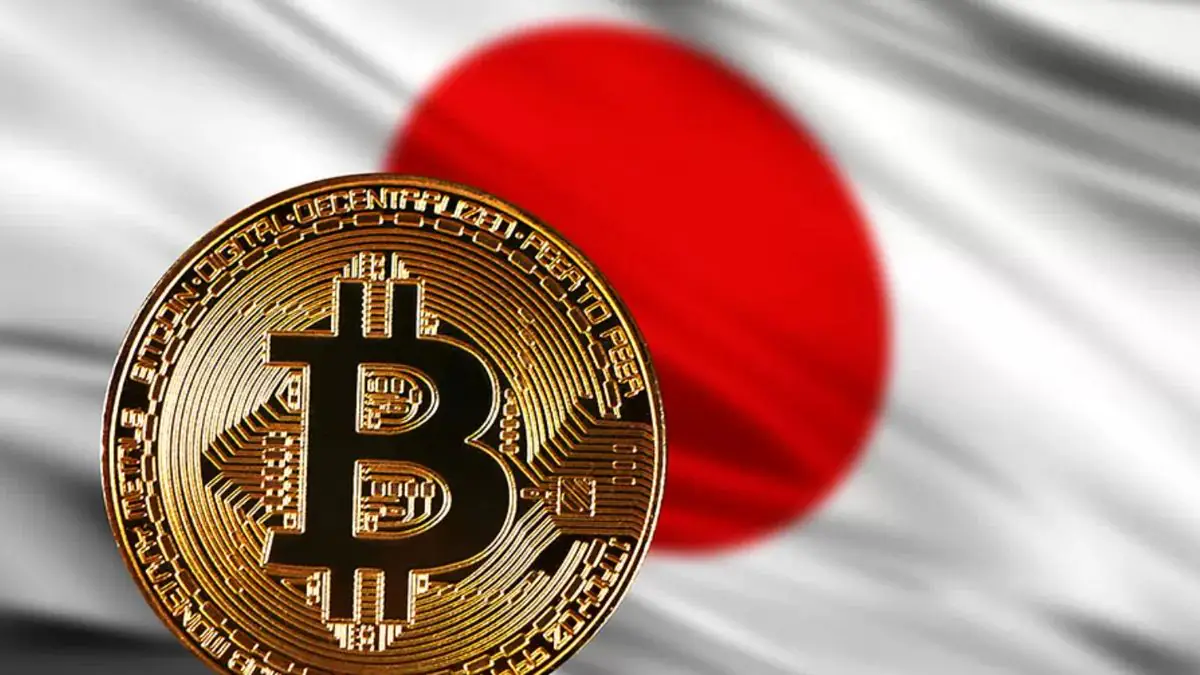
Japan's reclassification of crypto as a financial instrument under FIEA, coupled with a reduced 20% tax rate on 105 approved tokens, significantly enhances the attractiveness of regulated Japanese exchanges for both retail and institutional investors. The introduction of insider trading prohibitions for crypto in Japan creates a more secure environment, paving the way for traditional financial institutions like Nomura and SBI to launch crypto ETF products and further integrate digital assets. The establishment of a two-tier tax system, favoring 105 vetted tokens while leaving others at higher rates, creates a strong incentive for traders to utilize licensed Japanese exchanges, potentially consolidating liquidity and driving adoption of approved assets. The new regulatory framework in Japan, aligning with EU's MiCA, positions the country as a more credible jurisdiction for digital assets, potentially attracting cross-border institutional flows and increasing the international standing of Japanese-listed tokens.

Telegram CEO Pavel Durov alleges WhatsApp's end-to-end encryption is a "consumer fraud," claiming Meta employees and third parties can access user messages, which could erode trust in centralized communication platforms. The allegations against WhatsApp's privacy protocols, if substantiated, could drive users towards more privacy-focused alternatives like Telegram, potentially impacting user acquisition for both platforms. While the core news focuses on messaging app privacy, Durov's concurrent announcement of a significant performance upgrade to The Open Network (TON) blockchain suggests a strategic effort to highlight Telegram's ecosystem strengths.

Japan's official recognition of crypto as a financial instrument signifies a major regulatory maturation, potentially paving the way for increased institutional adoption and clearer market frameworks within the country. The introduction of stricter oversight, including bans on insider trading and mandatory disclosures, aims to enhance investor protection and market transparency, aligning digital assets with traditional financial standards. This regulatory development in Japan contributes to the broader global trend of integrating cryptocurrencies into established financial systems, which could influence other jurisdictions' approaches to crypto regulation.

Binance co-founder CZ envisions a future where crypto is seamlessly integrated into daily life, akin to the internet today, suggesting a potential shift from speculative discussion to practical utility within five years. The optimistic outlook for crypto adoption is supported by industry predictions and forecasts for significant market growth and stablecoin volume, indicating a potential for increased institutional and retail integration. AI is seen as a potential accelerant for blockchain development and adoption, with CZ highlighting its role in increasing coding speed and enabling AI agents to utilize crypto, suggesting a synergistic growth path for both technologies. Countries that embrace both AI and blockchain are predicted to gain a significant advantage, underscoring the strategic importance of these technologies for national economic development and competitiveness.

Japan's reclassification of crypto as a financial instrument aligns it with traditional securities, signaling a move towards greater regulatory integration and investor protection. The enforcement of insider trading bans and annual disclosure mandates for issuers suggests a maturing regulatory environment, potentially increasing institutional confidence in the Japanese market. The planned legalization of crypto ETFs by 2028, coupled with reduced tax rates, indicates a strategic effort by Japan to foster mainstream adoption and attract capital into the digital asset space.

Fidelity and Morgan Stanley’s Bitcoin ETFs also saw a combined $68.2 million in inflows, while four other Bitcoin ETFs also tallied inflows on Thursday.
xAI's lawsuit against Colorado over AI speech rules highlights the growing tension between AI development and state-level regulation, potentially impacting how AI services are deployed and governed. The DOJ and CFTC's intervention in the Kalshi case signals a federal assertion of authority over prediction markets, potentially setting a precedent for the regulatory classification of event contracts and impacting the broader derivatives market. The dual legal challenges involving xAI and Kalshi underscore a fragmented regulatory landscape for AI and digital assets, creating uncertainty for market participants and potentially influencing future legislative approaches.
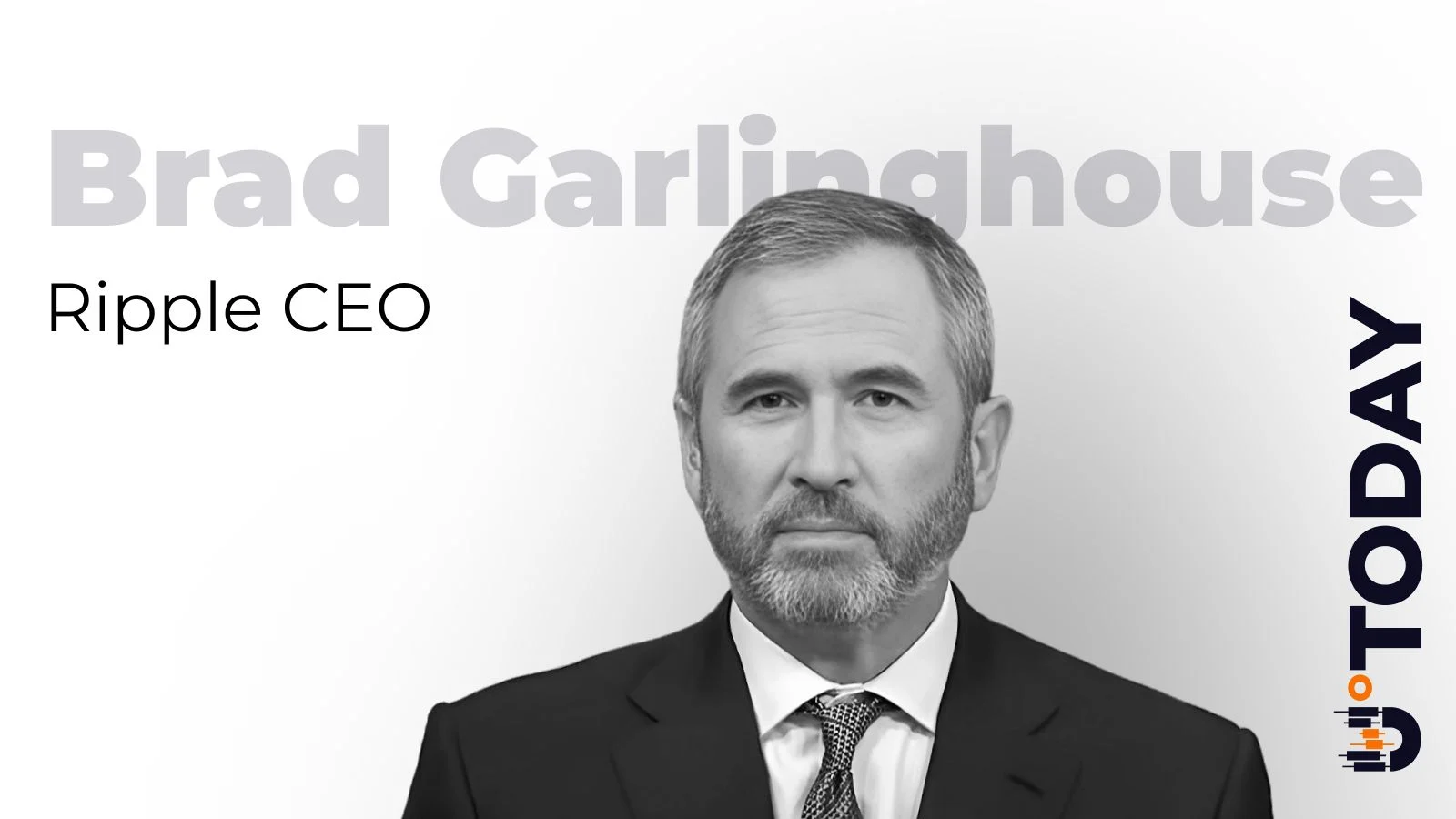
Ripple CEO's endorsement of the Digital Asset Market Clarity Act, emphasizing 'Progress > Perfection', signals a pragmatic industry push for regulatory clarity over ideal outcomes. The Treasury Secretary's framing of the Clarity Act as a national security priority and a necessary step to prevent developer exodus highlights potential bipartisan support and urgency for U.S. crypto regulation. While Ripple's XRP is legally defined as a non-security, Garlinghouse's support underscores the interconnectedness of the crypto industry and the broad benefits of regulatory certainty for all participants.

PancakeSwap (CAKE) is showing early signs of stabilization after a prolonged downtrend, suggesting a potential shift from capitulation to base-building, which could precede a breakout if momentum builds. Price predictions for CAKE range significantly, with forecasts for 2026 between $1.00 and $15.00, and potential highs of $80.00 by 2030, contingent on maintaining bullish structure and reclaiming key resistance levels. The article frames CAKE as a fundamentally relevant DeFi asset on BNB Chain, with sustained ecosystem usage and protocol upgrades, despite increased competition, indicating potential for a recovery cycle if current consolidation evolves into a sustained trend.

XRP's recent price action shows a high-volume breakout above $1.34, but the lack of sustained follow-through suggests the move is primarily technically driven rather than fundamental. While XRP ETFs saw modest inflows, the overall market sentiment and technical resistance around $1.36-$1.40 indicate that a significant trend shift is unlikely without stronger catalysts. Traders should monitor $1.34 as a key pivot; a failure to hold this level could invalidate the breakout and signal a return to downside pressure towards $1.31-$1.32.

Bitcoin's inability to decisively break $73,000 despite a recent weekly gain suggests a strong resistance level is in play, potentially limiting near-term upside until a clear breakout above $75,000 or $80,000 is achieved. The current market sentiment appears cautiously optimistic, with major cryptocurrencies showing weekly gains, but the repeated rejection at key resistance levels indicates a lack of strong conviction for a sustained bullish phase. Altcoins like Algorand, Aptos, and Polkadot are diverging from the majors, signaling a potential rotation out of riskier assets or a lack of broad market participation beyond Bitcoin and Ethereum. The geopolitical situation remains a significant factor, with the 'ceasefire' narrative showing signs of fraying, which could lead to a pullback in crypto prices if tensions escalate or the Strait of Hormuz faces further disruptions.

JasmyCoin (JASMY) is showing signs of stabilizing near a demand zone after an extended downtrend, suggesting potential for a base formation and a shift in market structure if key resistance levels are reclaimed. Price predictions for JASMY indicate a potential recovery towards $0.050 by the end of 2026 and $0.26 by 2030, contingent on broader adoption of its decentralized data and IoT infrastructure. While JASMY's long-term utility in data sovereignty is noted, current price action remains under pressure, highlighting a transitional phase rather than a confirmed recovery, making it a watchlist candidate.
Signal context only. Validate with price action, liquidity, and risk limits before taking a position.
Dubai's VARA has issued new guidance for stablecoin and RWA token issuance, categorizing tokens and imposing stricter rules for Category 1 assets, which include stablecoins. The new framework expands on existing rules, emphasizing the role of licensed intermediaries for Category 2 tokens, thereby enhancing investor protection and regulatory compliance. Dubai's proactive regulatory approach contrasts with the slower progress in the US regarding stablecoin legislation, potentially positioning the emirate as a more attractive and predictable crypto hub. The tailored crypto regulations by VARA demonstrate a pragmatic approach to virtual assets, acknowledging their unique characteristics compared to traditional financial instruments.
