
Navigating Crypto News

CoinFeather
Navigating Crypto News

Quick market read from this story
A new multi-university study indicates that rapid AI advancement could significantly reduce labor force participation, with economists forecasting a drop from 62% to 54% by 2050 under a 'rapid' scenario.
The consensus among economists is shifting from AI augmenting jobs to AI potentially replacing the need for new job creation entirely, raising concerns about future employment structures.
While aggregate employment data appears stable, early indicators show a notable employment drop in the most AI-exposed occupations for younger workers, suggesting a leading edge of disruption.
Projected GDP growth alongside significant job displacement suggests a future of concentrated wealth creation, potentially exacerbating inequality if not addressed by policy interventions.
Source, catalyst, and sector overlap from the latest feed.
A new Bitcoin-based game, 'Mempool Space Invaders,' offers a small BTC bounty for players who can destroy transactions representing 10,000 BTC in value. The game incentivizes players to engage with the Bitcoin blockchain by simulating transaction destruction, though the primary reward is minimal ($7.30). While the game is free-to-play, an option to pay a small fee (1,000 sats) to continue a run suggests a minor revenue stream for the developer, but the core mechanic is novelty rather than a significant economic driver. The game's design, which includes a 'people's approach' to win by sending a large BTC transaction to oneself, highlights a creative, albeit impractical, way to interact with blockchain activity for a small reward.
Live Feed
Loading the broader stream in the same flow as the homepage feed.
Ethereum faces immediate resistance at the $2,500 sell wall, which could cap short-term gains despite underlying accumulation patterns suggesting potential for higher targets. Technical analysis indicates Ethereum is consolidating above critical support zones, with a 'Spring 2' pattern suggesting seller exhaustion if the reclaimed levels hold, potentially paving the way for a larger breakout. While speculative targets of $8,000-$10,000 are presented, confirmation of a significant trend reversal for ETH hinges on breaking key resistance levels, starting with the $2,500 and $3,333 whale walls.
Shiba Inu experienced a significant 237% surge in its burn rate, removing 15.5 million SHIB tokens from circulation, which theoretically supports price appreciation through increased scarcity. The involvement of a Robinhood-linked wallet among top burners over a 30-day period suggests broader platform adoption and institutional participation in SHIB's deflationary mechanisms. Despite the substantial burn activity, SHIB's price remains relatively flat, indicating that short-term price action is not immediately correlated with burn events and may require sustained deflationary pressure or other market catalysts.

The Clarity Act faces a 30% chance of passage this year, indicating significant legislative hurdles despite ongoing progress, which could delay institutional adoption of crypto assets. Stalled negotiations, particularly concerning stablecoin yield provisions and bank opposition, represent the primary obstacle to the Clarity Act's passage, highlighting persistent friction in U.S. crypto regulation. The potential passage of the Clarity Act is a key catalyst for institutional adoption by providing regulatory clarity on asset classification and trading rules, but current political and industry disagreements create uncertainty. Wintermute's cautious 30% probability assessment for the Clarity Act's passage suggests that while progress is being made, the path to comprehensive U.S. crypto market structure regulation remains complex and uncertain for market participants.

Bitwise's updated S-1 filing for a Hyperliquid ETF indicates continued institutional interest in tokenized perpetuals, potentially driving demand for HYPE. The inclusion of a staking component in the proposed ETF suggests a strategy to generate yield, which could enhance investor appeal and indirectly support HYPE's price through increased holding. With multiple asset managers like Grayscale, 21Shares, and VanEck also pursuing HYPE-linked ETFs, the competitive landscape points to a growing market segment for derivatives exposure via regulated products.
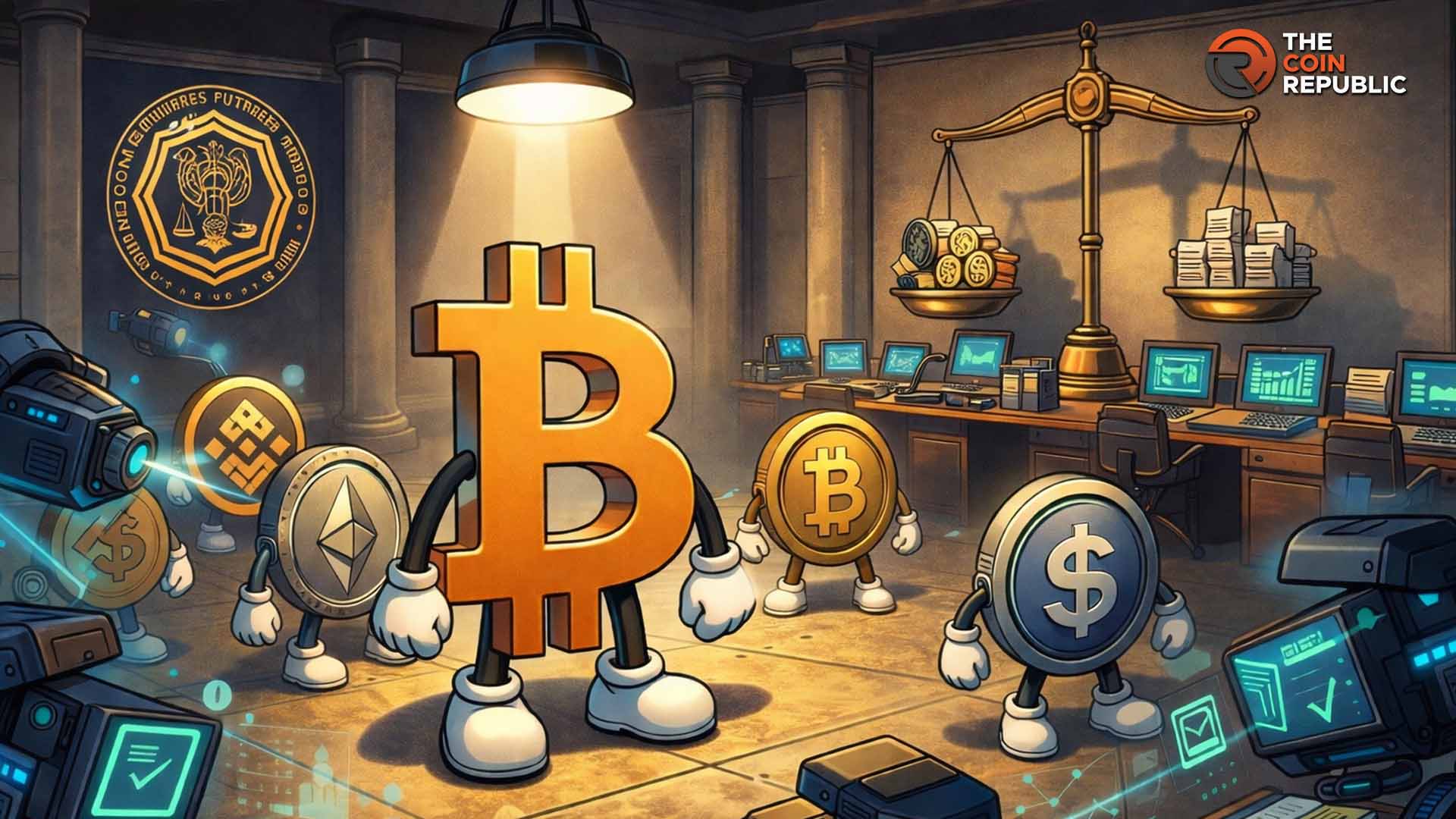
The CFTC's formation of an Innovation Task Force signals a proactive stance on crypto regulation, potentially leading to clearer guidelines that could reduce market uncertainty. The pending CLARITY Act, with its upcoming markup hearing, remains a critical factor in defining regulatory roles between the CFTC and SEC, impacting the broader crypto market structure. Increased pressure from US officials and industry figures to pass the CLARITY Act suggests a growing consensus for regulatory clarity, which could foster innovation and investment.

Institutional capital via ETFs has concentrated Bitcoin liquidity into US weekday trading hours, creating a two-tier market where retail traders face higher risk and wider price slippage during weekends and off-hours. The observed widening of price spreads and increased liquidation events during weekends, particularly during geopolitical stress or sell-offs, highlights a structural fragility in Bitcoin's market depth when institutional participation recedes. While ETFs have brought legitimacy and deeper aggregate liquidity during peak hours, they have inadvertently segmented Bitcoin's market, leading to a divergence in trading quality based on time and venue, impacting retail participants most severely.
Solana is showing signs of a potential bullish reversal with a rounding bottom pattern forming, suggesting a shift from selling pressure to accumulation and potentially targeting the $90-$100 range. Despite bullish technicals, a significant portion of traders still anticipate a sharp decline to $40, indicating a divided market sentiment and potential for volatility around key support levels. Long-term accumulation strategies are emerging, with analysts identifying the $50-$60 range as a high-probability demand area, suggesting a belief in Solana's substantial growth potential in future market cycles. The current price action near $84, with a 5% gain over the past week, combined with bullish chart patterns, supports a short-term positive outlook, though sustained upside hinges on breaking the $90 resistance.
XRP Ledger's developer count has grown 10% year-on-year and 92% over two years, outperforming the broader crypto industry's developer slowdown. Increased developer activity on XRPL suggests potential for more dApps, DeFi tools, and RWA tokenization, which could drive demand for XRP. Despite positive developer growth, XRP's trading volume remains subdued, indicating investor caution despite underlying ecosystem development.
Multiple institutional catalysts, including ETF filings for HYPE and Bitwise LINK ETF, alongside BlackRock's tokenization on AVAX and Binance's partnership with ONDO, suggest significant market interest and potential for repricing across these altcoins. The article highlights a disconnect between the fundamental utility and adoption of LINK and its current token price, indicating potential undervaluation and a narrative for traders to watch. The simultaneous ETF race for HYPE by four major asset managers, coupled with JPMorgan's research and Arthur Hayes' bullish outlook, positions HYPE as a key DeFi-native token with substantial institutional backing and speculative interest. Tokenization plays on Avalanche (AVAX) and Ondo Finance (ONDO) are gaining traction with major financial institutions, signaling a growing trend in RWA adoption and potential for these chains to capture significant value.

Ethereum developers are targeting next week for the initial Glamsterdam devnet, signaling progress on the upcoming network upgrade which includes complex changes like enshrined Proposer-Builder Separation (ePBS). The successful stabilization of the ePBS devnet is critical for proceeding to testnets and eventually mainnet, indicating that the timeline for the Glamsterdam upgrade, potentially in 2026, remains subject to technical readiness and security reviews. While the upgrade progress is described as slow but steady, the inclusion of features like gas repricing and EIP-7954 (increased contract size) suggests a focus on optimizing network efficiency and functionality.
Dogecoin is consolidating near $0.093, with analysts highlighting $0.09 as a critical support level; failure to hold this could lead to a drop towards $0.06 or even $0.03. The price action suggests indecision, and Dogecoin's near-term trajectory is heavily correlated with Bitcoin's performance, lacking strong independent catalysts. Despite bearish short-term targets, some analysts see the current consolidation as a potential accumulation zone, referencing historical patterns that preceded significant rallies. While ambitious long-term targets like surpassing $1 exist, current market conditions and Bitcoin's influence suggest a cautious approach is warranted for traders.

Shippers using cryptocurrency to pay transit fees to Iran face significant sanctions risk due to the transparent nature of blockchain, which allows for easier tracing of illicit flows by authorities. While Iran has explored using digital assets for trade, the inherent traceability of crypto makes it a less effective tool for sanctions evasion than traditional methods, potentially leading to asset freezes or seizures. The report highlights that Iran's Bitcoin mining hashrate has dropped significantly, indicating potential internal operational challenges or external pressures impacting its crypto infrastructure.
Arweave (AR) is consolidating in a technically compressed structure, suggesting potential for a broader expansion cycle driven by its role in Web3 infrastructure. Price predictions for AR range from $4-$15 in 2026 and up to $80 by 2030, contingent on reclaiming key resistance levels and sustained market momentum. The current technical setup indicates a transition from controlled distribution to accumulation, with a breakout above $2.20-$2.50 needed to confirm renewed demand and shift short-term momentum. Arweave's long-term potential is tied to its permanent storage utility and sustained relevance in enterprise blockchain use cases, with price forecasts heavily dependent on adoption and market cycles.

A significant 237% surge in Shiba Inu's token burn rate, removing over 15.5 million SHIB from circulation, indicates a strong deflationary pressure that could support future price appreciation by increasing scarcity. Despite substantial burn activity, Shiba Inu's price remains largely stagnant, suggesting that current market sentiment or broader macroeconomic factors are overshadowing the positive tokenomic development for near-term price action. The sustained network activity and deflationary mechanism, coupled with Robinhood's participation in burns, highlight ongoing fundamental support for SHIB, positioning it for potential upside if demand increases.
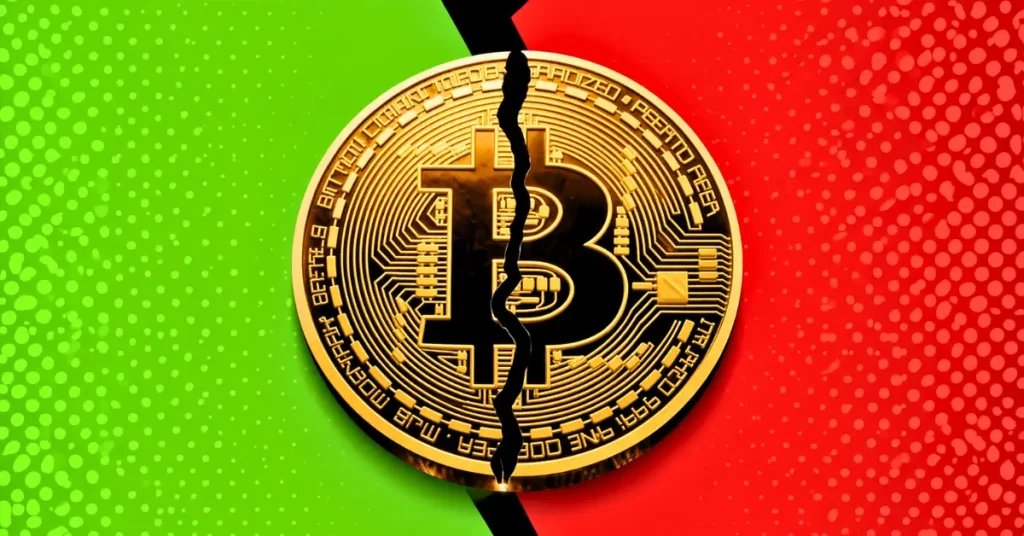
The Bitcoin weekly MACD has turned bullish, signaling a potential shift in momentum, but historical data suggests this indicator has previously appeared during downtrends without confirming a market bottom. Traders should monitor Bitcoin's price action around the $70,972 to $74,585 resistance zone, as a failure to break through could lead to a significant pullback, potentially below $50,000. While the MACD crossover suggests improving momentum, the lack of a clear higher high and low structure indicates consolidation rather than a confirmed reversal, necessitating caution.
Signal context only. Validate with price action, liquidity, and risk limits before taking a position.
The arrest of a suspect for an attack on Sam Altman's home and threats against OpenAI headquarters highlights escalating security concerns for AI leaders. While the incident is concerning, it does not directly impact crypto market assets or protocols, suggesting a limited immediate trading implication. The event underscores a broader narrative of potential backlash against AI development, which could indirectly influence investor sentiment towards AI-related crypto projects.
