
Navigating Crypto News

CoinFeather
Navigating Crypto News

Source, catalyst, and sector overlap from the latest feed.
Shiba Inu's failure to break above the 26 EMA indicates the continuation of its bearish structure, suggesting further downside pressure is likely. The recent fakeout at a key technical resistance level erodes buyer confidence and increases the probability of further negative price action. Traders should interpret the inability to overcome the 26 EMA as a signal of persistent weakness, reinforcing a bearish outlook for SHIB in the short term.
Ripple's acquisition of an Australian Financial Services License (AFSL) via BC Payments Australia significantly expands its regulatory moat, enabling comprehensive cross-border transaction management within Australia. This strategic move positions Ripple to streamline payments for entrepreneurs by bypassing traditional correspondent banks, potentially increasing its APAC payment volume further. With over 75 global licenses and approvals, Ripple's consistent pursuit of regulatory compliance across key jurisdictions like the UK, EU, and UAE, alongside its US OCC conditional approval, signals a robust strategy for institutional adoption.
Live Feed
Loading the broader stream in the same flow as the homepage feed.
Solana is testing a critical support zone between $77-$87, with indicators like the weekly RSI at 2022 lows suggesting potential oversold conditions that could precede a rebound. Despite recent price declines, early momentum signals such as a bullish MACD cross and flattening EMAs indicate that bearish pressure may be easing, creating a potential setup for a range reclaim. Analysts are closely monitoring Solana's ability to hold the $77-$87 support level, as a successful reclaim could signal a return to a stronger price structure and potentially target higher resistance levels.
Ripple's strategic integration of AI into its financial software, particularly for forecasting and liquidity management, signals a proactive approach to leveraging emerging technologies for enterprise solutions. The company's continued emphasis on XRP as the core of its liquidity network, supported by XRPL enhancements like auto-bridging and lending tools, positions it for increased utility in tokenized finance. Expansion into stablecoin services with RLUSD and its reported strong demand highlights Ripple's diversification beyond cross-border payments and its adaptation to market needs for digital money. CEO Brad Garlinghouse's projection of 2026 as a breakout year, coupled with recent acquisitions and global expansion, suggests a strategic build-up aimed at significant market penetration and product adoption.
XRP ETFs have demonstrated significant institutional adoption, accumulating $1.4 billion in inflows, indicating sustained demand for regulated digital asset exposure despite short-term price volatility. The substantial inflows into XRP ETFs, with major institutions like Goldman Sachs showing significant holdings, signal a growing acceptance of XRP as a core investment asset within traditional finance frameworks. The strong performance of XRP ETFs highlights their role as a crucial bridge between traditional finance and the crypto market, potentially driving further institutional capital into digital assets through regulated products.
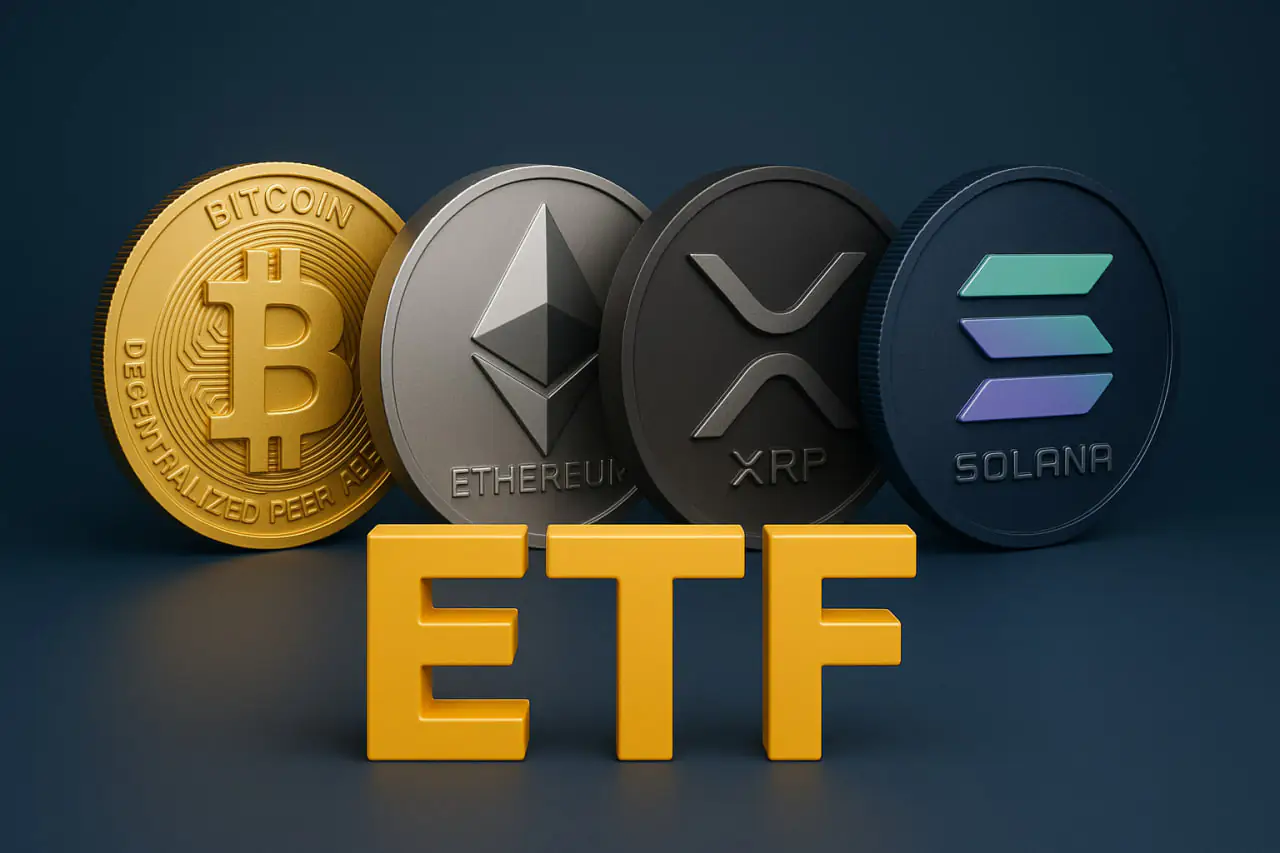
Renewed inflows into Bitcoin ETFs, totaling $246.9M on March 10, signal a potential shift in institutional sentiment as Bitcoin approaches $70K. Ethereum ETFs saw a modest $12.6M in net inflows, indicating selective institutional interest despite overall market recovery. Flat flows for Solana ETFs and continued outflows for XRP ETFs suggest investor caution towards altcoin-specific products, despite Bitcoin's strength. The positive ETF flows, coupled with Bitcoin's price recovery, suggest that institutional demand is sensitive to price action and could drive further upside if key resistance levels are breached.

Spot Bitcoin ETFs continue to attract significant inflows, adding $251 million on Tuesday and reinforcing a positive March trend with cumulative inflows reaching $1.56 billion. Despite Bitcoin's price dip below $70,000, sustained ETF inflows suggest ongoing institutional demand and a potential floor for price action in the short term. XRP ETF outflows have eased but persist, indicating continued selling pressure, though Goldman Sachs' substantial holdings highlight institutional interest despite retail-driven demand.

The tokenized real-world asset market has grown 66% to $23.6 billion in 2026, driven by demand for 24/7 trading and accessibility, signaling a maturing sector beyond conceptualization. Tokenized funds, gold, and equities are leading RWA growth, with investors seeking alternatives to traditional markets that close, indicating a potential shift in asset allocation strategies. The increasing value and accessibility of tokenized RWAs, particularly US Treasurys and equities, suggest growing institutional acceptance and a potential for broader adoption across public blockchains.

The UN's extensive use of over 40 blockchain pilots signifies a strategic shift towards leveraging DLT for humanitarian aid, aiming to bypass traditional banking inefficiencies and reduce costs. The World Food Programme's 'Building Blocks' platform demonstrates tangible success, having moved over $760 million to 6 million people and saved $3.5 million in fees, highlighting the potential for blockchain in efficient aid distribution. While pilots like USDC drops to Ukrainian refugees and retina-scan aid redemption show innovation, criticisms of 'blockchain in name only' and persistent connectivity issues highlight significant hurdles to widespread adoption. The UN's exploration of blockchain for aid delivery, including stablecoin use and digital identity verification, presents a potential paradigm shift in transparency and accountability for donor funds, though user accessibility remains a key challenge.
Speculation around a potential TikTok IPO continues, but the platform remains privately held by ByteDance, meaning no direct stock or ticker symbol is currently available to public investors. While direct investment in TikTok stock is not possible, indirect exposure can be gained through private market investments or by investing in companies that benefit from TikTok's ecosystem, though these avenues carry their own risks and accessibility limitations. The significant interest in TikTok stock stems from its massive user base, strong advertising revenue growth, and advanced AI algorithms, positioning ByteDance as a highly valued private tech company with potential for a major future IPO.

HYPE crypto experienced a significant price surge driven by substantial spot inflows and increased futures open interest, indicating strong bullish sentiment among traders. The platform's native token, HYPE, saw its price climb due to increased trading volume on its CL-USDC perpetual contract, which tracks oil prices, suggesting a potential use case for macro hedging. Despite some shorting activity on specific exchanges like OKX, the overall market structure and on-chain data for Hyperliquid point towards continued bullish momentum, with analysts eyeing higher Fibonacci extension targets. The deflationary mechanism of burning 97% of fees for HYPE crypto contributes to supply tightness, potentially supporting further price appreciation if adoption trends persist.

The agentic payments protocol x402, backed by Coinbase, aims to revolutionize micropayments for AI agents but faces significant challenges with low genuine demand and high levels of artificial transaction activity. Despite ambitious projections for agentic commerce, onchain data from Artemis indicates that current x402 transaction volume is largely composed of 'gamed' activities like self-dealing and wash trading, suggesting the underlying economy is still nascent. While the vision of AI agents paying each other via stablecoins is compelling, the current reality shows a substantial gap between the protocol's ecosystem valuation and its actual daily payment volume, highlighting the need for real-world merchant adoption. The development of agentic payments via protocols like x402 represents a potential long-term structural shift in internet commerce, but near-term adoption hurdles and the early stage of the supporting economy suggest a prolonged development cycle.

Bhutan's strategic sale of approximately 58% of its Bitcoin holdings, routed through OTC markets, indicates a disciplined treasury management approach rather than panic selling. The proceeds from Bitcoin sales are being allocated to tangible national development projects, including salary increases, healthcare expansion, and the Gelephu Mindfulness City, demonstrating a direct link between crypto assets and real-world economic impact. Despite significant liquidation, Bhutan remains a top nation-state holder of Bitcoin, highlighting a sustainable 'yield' model of mining with low-cost energy and selling into strength, contrasting with El Salvador's 'reserve' model. Bhutan's successful execution of its Bitcoin strategy could serve as a model for other nations with underutilized energy resources looking to leverage digital assets for national development.

Arthur Hayes advises waiting to buy Bitcoin, suggesting current geopolitical tensions and potential central bank liquidity injections are key indicators to monitor. Hayes views Bitcoin as a 'liquidity alarm,' implying its price is highly sensitive to monetary policy, and anticipates a buying opportunity when central banks increase money supply. Despite a cautious short-term outlook, Hayes maintains a long-term bullish stance on Bitcoin, projecting a potential $100,000 price target contingent on significant global fiat liquidity expansion. The analyst warns against market timing, emphasizing patience and macro awareness as crucial for navigating the crypto cycle, especially given potential risk-off scenarios that could push BTC below $60K.
Ripple's pursuit of an Australian Financial Services License (AFSL) through the acquisition of BC Payments Australia Pty Ltd signals a strategic expansion into the APAC region, aiming to bolster its regulated cross-border payment infrastructure. Securing the AFSL will enable Ripple to offer end-to-end payment services in Australia, enhancing its ability to bridge traditional finance with blockchain technology and potentially increasing demand for its payment solutions. This regulatory milestone, following similar progress in the UK, reinforces Ripple's commitment to compliance and positions it to capitalize on the growing demand for faster, more efficient cross-border transactions in the Asia-Pacific market.
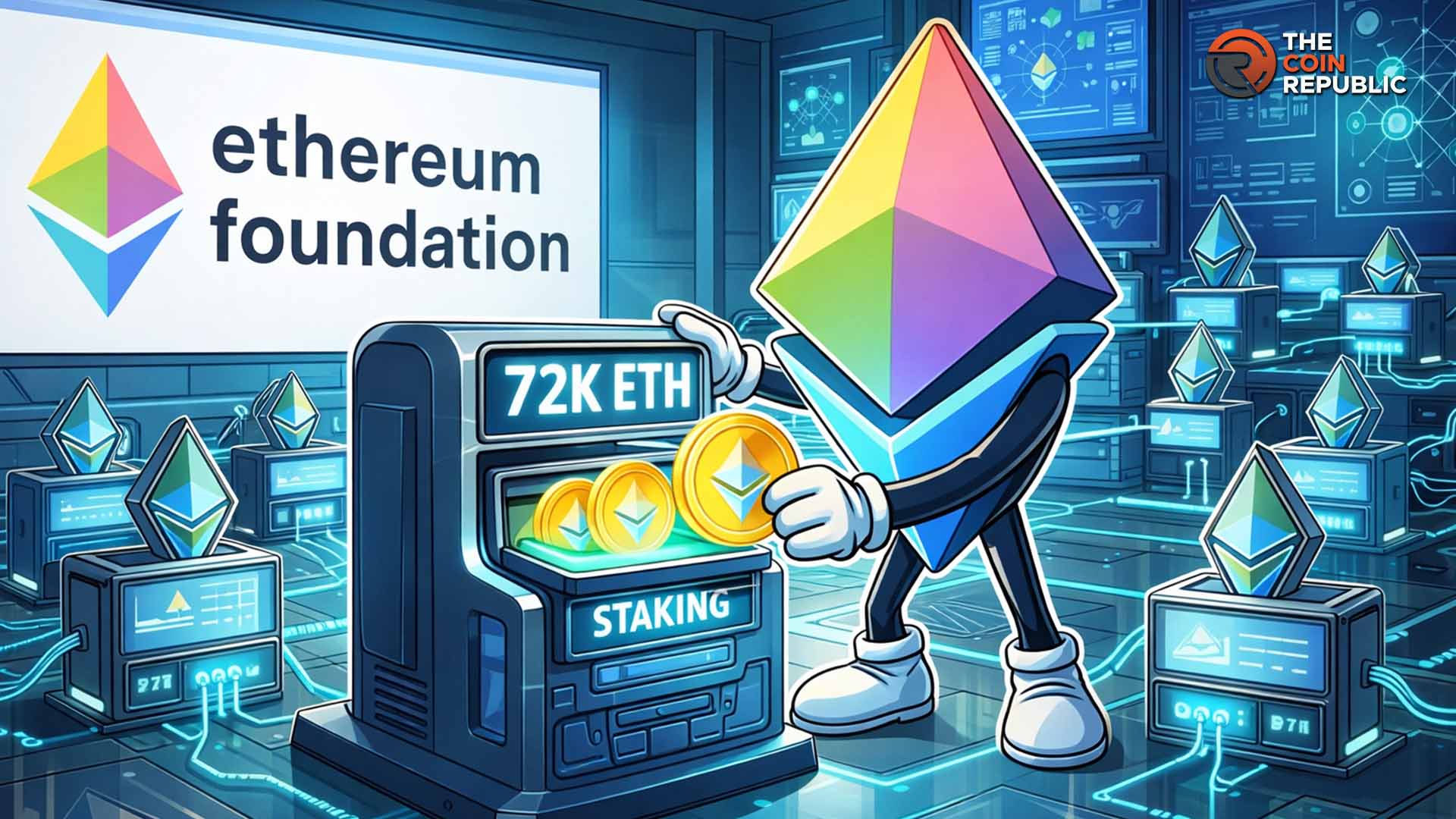
The Ethereum Foundation's deployment of 72,000 ETH using DVT-lite signals a significant step towards simplifying institutional validator infrastructure, potentially lowering barriers to entry and increasing decentralization. Despite weak ETH price action, the persistent 55-day staking queue indicates strong underlying demand for ETH staking, suggesting a maturing market focused on infrastructure reliability over short-term yield. The DVT-lite experiment, by reducing technical complexity for running validator nodes, could encourage greater institutional participation in direct node operation, thereby enhancing network security and diversity. The upcoming activation of these DVT-lite validators around March 19th will serve as a crucial real-world test of the simplified institutional staking infrastructure, providing early operational data.

CHILLGUY's price trajectory is heavily reliant on social media trends and community engagement, indicating a high-volatility profile typical of memecoins. Technical analysis suggests a potential breakout from a tightening triangle pattern, with a target of $0.045 if bullish momentum is sustained. Despite a recent 63% price drop, long-term predictions up to $2.64 by 2030 hinge on the project evolving into a recognized internet brand beyond its meme origins. The Solana blockchain's low fees and fast transactions provide a favorable environment for CHILLGUY's speculative trading activity, but do not guarantee fundamental growth.

The UAE's transition from blockchain experimentation to revenue-generating banking products signifies a maturing market, with regulatory clarity and operational CBDC projects like mBridge setting a precedent for other financial hubs. The implementation of Federal Decree Law No. 6 of 2025, imposing significant fines for non-compliance, establishes a strong regulatory deterrent, encouraging institutional commitment to virtual asset operations. The operationalization of Project mBridge and the upcoming Digital Dirham CBDC, alongside private stablecoin initiatives like Tether's Dirham-backed stablecoin, indicate a strategic push towards efficient cross-border settlements and remittances. The UAE's proactive regulatory stance and early adoption of blockchain in banking are positioning it as a benchmark for global financial innovation, with significant growth projected for its digital banking sector.
Signal context only. Validate with price action, liquidity, and risk limits before taking a position.
Quick market read from this story
Changpeng Zhao publicly disputes Forbes' $111 billion net worth valuation, citing the significant crypto market downturn as evidence of the estimate's inaccuracy.
The discrepancy highlights the difficulty in accurately valuing crypto-tied wealth, especially during periods of high market volatility, suggesting that public net worth figures may not reflect real-time asset performance.
CZ's direct refutation of the Forbes estimate, particularly his control over Binance and BNB holdings, underscores the concentration of wealth and influence within key figures in the crypto industry.
Deep Dive
Binance founder Changpeng "CZ" Zhao has publicly challenged recent estimates of his personal wealth, particularly those published by Forbes, which placed his net worth at $111 billion. Zhao criticized the list as a "guess a number" exercise, arguing that it is illogical for his wealth to have increased while the cryptocurrency market has experienced a significant downturn.
Zhao pointed out that the cryptocurrency sector has seen a substantial 50% market drawdown. He stated, "Definitely not accurate. This is a 'guess a number' list, at least for me. Bitcoin/crypto is down 50% from ATH." He further elaborated that the Forbes article's valuation was incorrect, especially considering the market's decline. "Wish they could apply some common sense and basic logic," he added, emphasizing that his net worth could not have risen as crypto prices dropped by more than 50% in 2026.
The majority of CZ's estimated net worth is derived from his substantial equity stake in Binance Holdings Ltd., where he reportedly still owns approximately 90% of the company. Additionally, reports suggest CZ controls about 64% of the circulating supply of BNB, equating to roughly 94 million tokens.
The Forbes list also includes other prominent figures in the crypto space. Among them are Tether's Giancarlo Devasini (estimated $89.3 billion), Paolo Ardoino ($38 billion), and Jean-Louis van der Velde ($38 billion). Coinbase CEO Brian Armstrong ($9.7 billion) and Michael Saylor ($8.6 billion) are also noted for their significant fortunes, with their net worths being publicly marked-to-market daily.
