
Navigating Crypto News

CoinFeather
Navigating Crypto News
Source, catalyst, and sector overlap from the latest feed.
Coinbase's expansion of regulated crypto futures trading to 26 European countries signifies a strategic move to capture a previously underserved market, potentially increasing derivatives volume and revenue for the exchange. The launch offers European traders a compliant alternative to offshore platforms, potentially drawing capital into regulated venues and increasing demand for underlying assets like BTC and SOL through futures contracts. By offering both perpetual-style and dated futures with leverage, Coinbase is positioning itself as a comprehensive trading venue, aiming to attract sophisticated traders and broaden its appeal beyond spot markets.
Live Feed
Loading the broader stream in the same flow as the homepage feed.
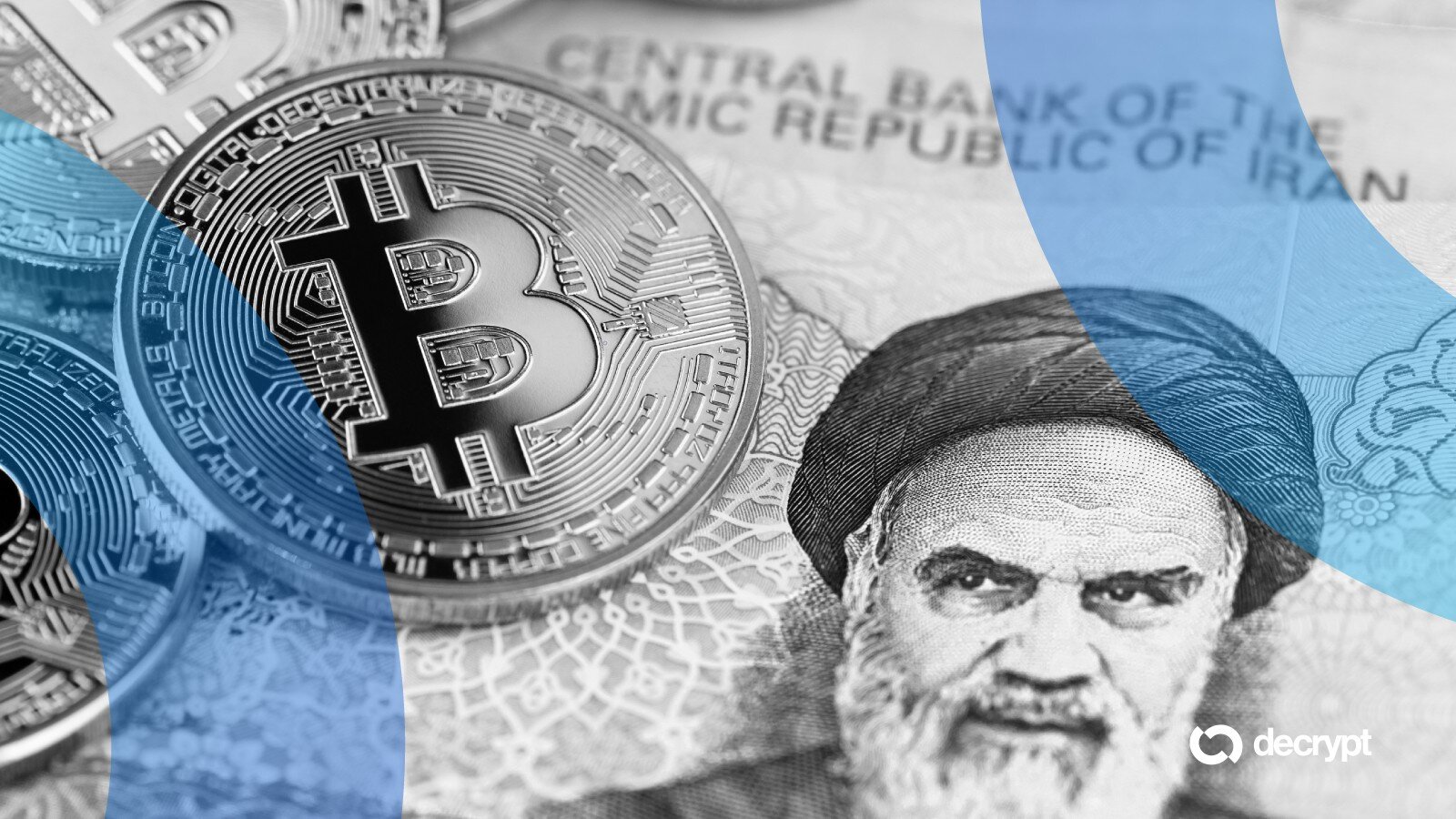
Bitcoin's price action is showing increased sensitivity to geopolitical events, as evidenced by its rebound following a surge in oil prices linked to Middle East tensions. The significant funding rounds for prediction markets like Polymarket and Kalshi at high valuations suggest growing institutional interest in decentralized prediction platforms. Florida's move to establish a stablecoin legal framework highlights a trend of state-level regulatory progress, potentially creating a more favorable environment for stablecoin adoption and innovation. The strategic investments by Circle and Stripe in stablecoin infrastructure for AI payments signal a significant future growth area for digital assets in machine-to-machine commerce.

BlockDAG's limited-time $0.001 after-sale presents a unique, albeit potentially short-lived, opportunity for early entry at a significantly discounted price compared to its current market value of $0.14. While Chainlink and Cardano are presented as established market players with defined price ranges and development roadmaps, BlockDAG's aggressive post-presale pricing strategy aims to capture market attention and drive rapid adoption. The article highlights BlockDAG's DAG-based architecture as a key differentiator for high transaction throughput, positioning it as a potential high-growth alternative to conventional Layer-1 solutions. Traders should note the 'sponsored' nature of this content, suggesting a promotional angle that may amplify the perceived urgency and potential of BlockDAG's offering.

South Korean regulators are signaling increased enforcement on AML/KYC failures, potentially impacting exchange operations and user access. Bithumb faces a potential six-month partial suspension, which could restrict new user withdrawals and affect its market position in South Korea. The regulatory action against Bithumb follows similar penalties for other exchanges like Upbit and Korbit, indicating a broader trend of stricter oversight in the region. While the suspension is at a pre-notification stage and may be adjusted, the warning to the CEO suggests a serious regulatory stance that could deter new user onboarding.

The United Nations Development Programme's report highlights blockchain's potential to modernize public systems, signaling growing institutional interest in distributed ledger technology for transparency and efficiency. UNDP's pragmatic approach emphasizes responsible adoption with robust oversight, suggesting that successful blockchain integration in public infrastructure hinges on strong governance and security measures. The report's focus on platform-agnostic solutions and interoperability indicates a trend towards open digital infrastructure, potentially benefiting projects prioritizing decentralization and avoiding vendor lock-in.
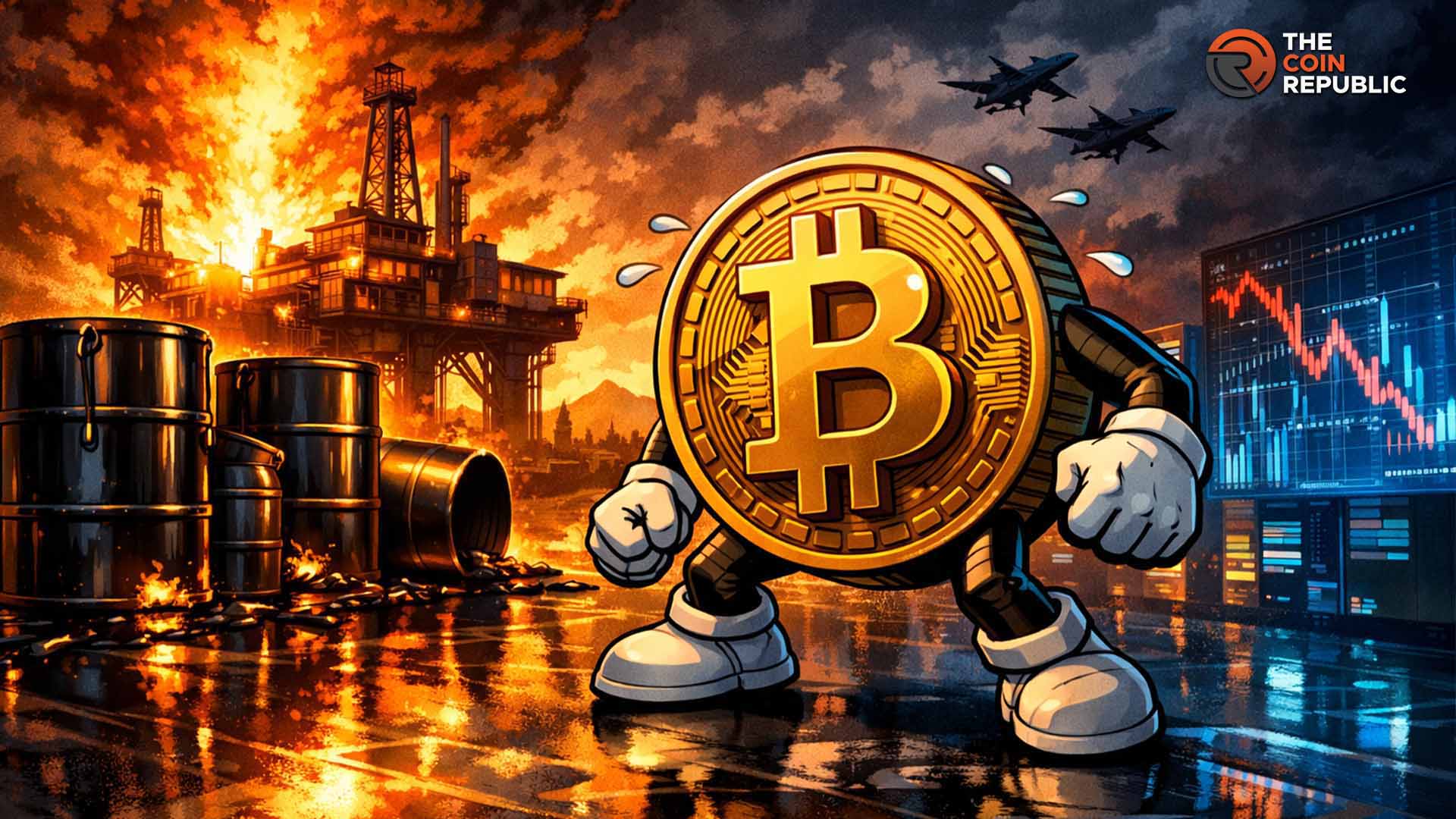
Bitcoin's price recovery indicates a trader preference for risk assets when immediate macro-driven panic subsides, suggesting demand remains present at lower levels. The potential G7 coordinated oil reserve release acted as a de-escalation signal, easing fears of inflation and tightening financial conditions, which directly supported Bitcoin's rebound. Near-term Bitcoin price action will likely remain sensitive to geopolitical headlines and energy market movements, with a sustained rally contingent on further de-escalation or official intervention. Traders are closely monitoring liquidity, crude oil prices, and geopolitical developments, implying a tactical rather than a fundamentally driven recovery for Bitcoin at this juncture.
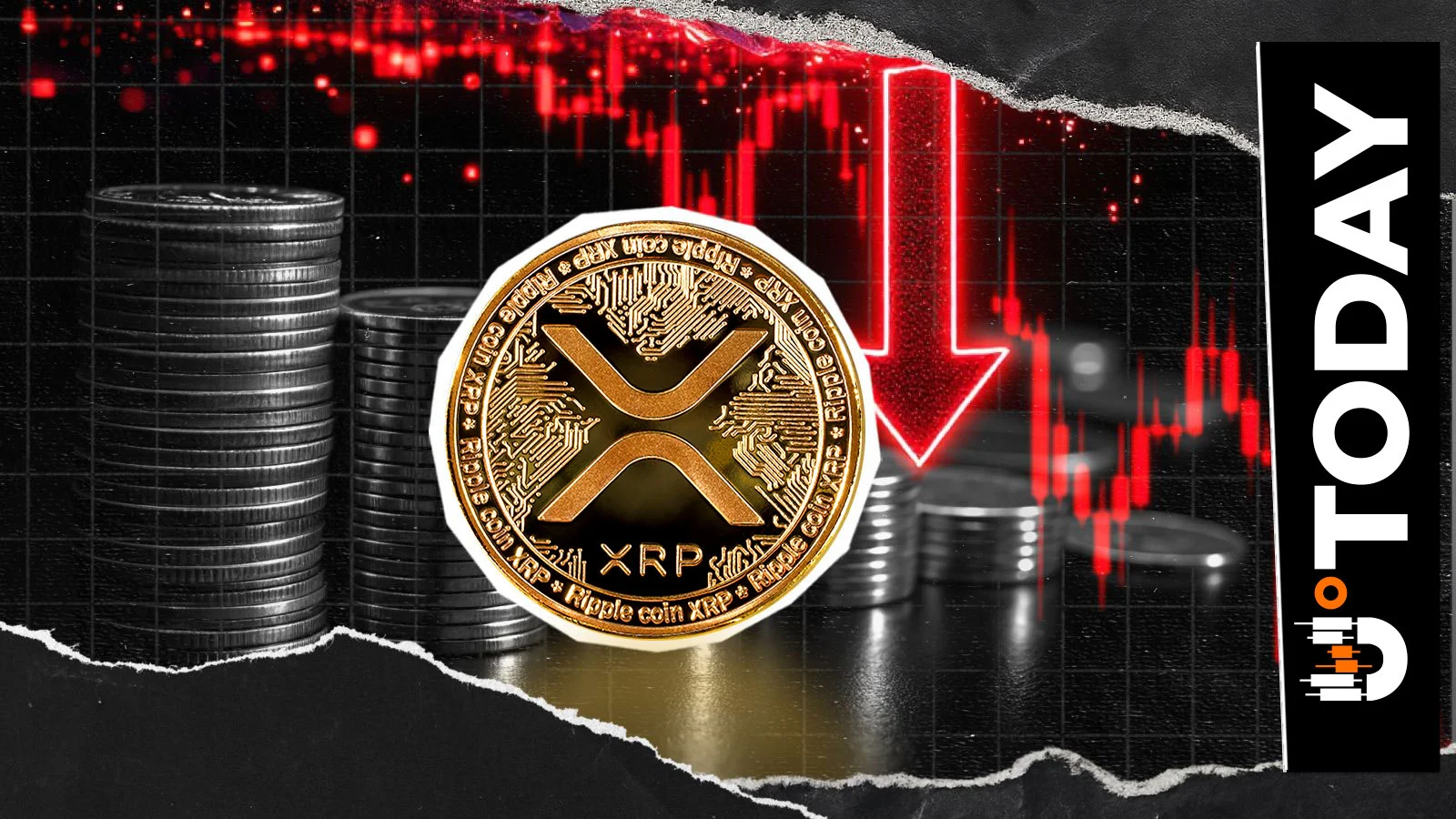
XRP's active addresses have fallen to a weekly low, indicating a potential decrease in network demand and fading momentum that could pressure its price. Despite the decline in network activity, XRP's price is showing resilience, trading flat and attempting to recover from intraday lows, suggesting that the market may be looking past the current on-chain metrics. While XRP's network activity is currently weak, its price action is beginning to align with broader market trends as other major cryptocurrencies like ETH and SOL show upward momentum, hinting at a potential short-term recovery for XRP.
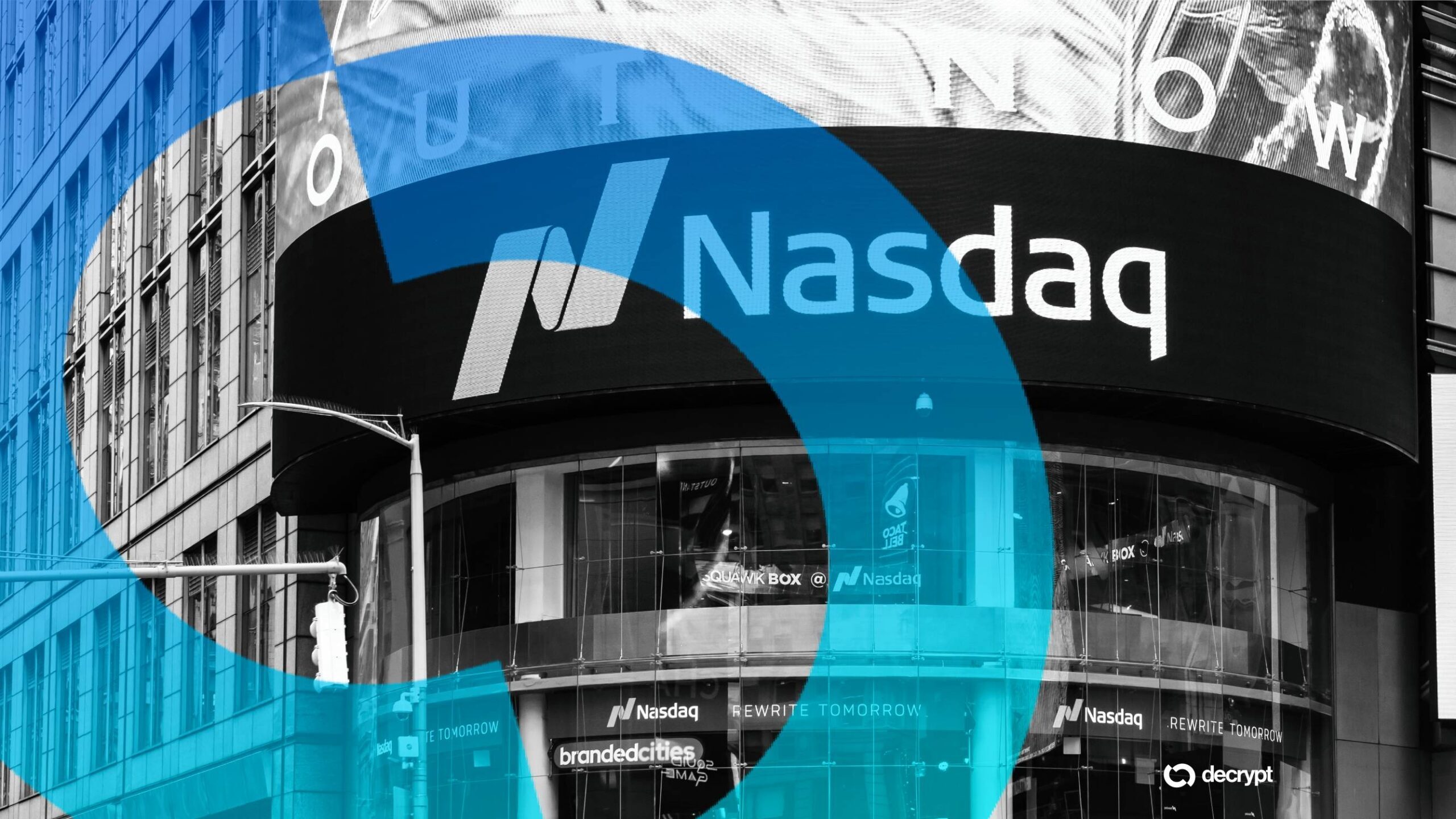
Nasdaq's partnership with Kraken's parent company, Payward, to develop tokenized equities signals a significant move towards integrating traditional finance with blockchain technology. The initiative, set to launch in 2027, aims to modernize corporate actions and shareholder engagement, potentially increasing efficiency and accessibility for tokenized stock trading. This development, alongside similar efforts from the NYSE, indicates a growing trend of established financial institutions exploring tokenization, which could impact market structure and liquidity for equities.
Despite a surge in whale accumulation, Ethereum is facing significant resistance at key trading levels, suggesting potential short-term consolidation or a pullback before any sustained upward movement. The divergence between increasing long-term holder accumulation and current price action indicates strong conviction from large investors, even as short-term technicals point to overhead supply. Traders should monitor the identified resistance band for a decisive breakout, while also considering the potential for a retest of lower support levels if selling pressure persists.

The CoinDesk 20 Index is showing minimal movement, trading up 0.1%, indicating a lack of strong directional conviction across the top 20 crypto assets. Avalanche (AVAX) and Internet Computer (ICP) are outperforming the broader index, suggesting potential short-term strength in these specific Layer 1 protocols. With only nine out of twenty assets trading higher, the overall market breadth is weak, implying that gains are concentrated rather than widespread.
MicroStrategy continues its aggressive Bitcoin accumulation strategy, acquiring an additional 17,994 BTC for $1.28 billion, reinforcing its position as the largest corporate holder. The company financed this purchase through recent equity and preferred stock offerings, highlighting a consistent model of leveraging capital markets to expand its Bitcoin treasury. While MSTR's substantial Bitcoin holdings offer significant upside potential in a bull market, they also expose the company to considerable downside risk from BTC price volatility. This ongoing accumulation by a prominent public company signals continued institutional conviction in Bitcoin as a treasury reserve asset, potentially influencing broader corporate adoption narratives.

Tech investor Imran Khan, formerly of Snap and Credit Suisse, explicitly separates crypto from his AI investment thesis, viewing them as distinct asset classes with different drivers. Despite the separation, Khan's firm Proem Asset Management holds indirect exposure to crypto via equities like Coinbase and Robinhood, and a spot Bitcoin ETF (IBIT), indicating a broader tech sector interest beyond pure AI productivity. The commentary highlights a divergence in market perception, with some investors seeing AI and crypto convergence while key figures like Khan emphasize their fundamental differences in investment rationale. The discussion on AI's potential impact on jobs and the economy, and historical parallels to past technological revolutions, provides context for Khan's cautious but not entirely dismissive stance on emerging technologies.
Signal context only. Validate with price action, liquidity, and risk limits before taking a position.
Quick market read from this story
Cupid's stock price surge of 12.32% ahead of its 4:1 bonus share issue indicates strong investor anticipation for the record date, despite broader market weakness.
The 4:1 bonus share issue is framed by management as a strategy to improve affordability and enhance flexibility for shareholders, signaling confidence in future growth.
Despite the short-term price jump, the stock remains down significantly over the past five days, suggesting underlying volatility and potential for further price discovery post-bonus allocation.
Deep Dive
Cupid Limited's stock price experienced a significant surge of over 12% on Monday, reaching ₹90.35, despite a broader market downturn. This rally is attributed to investors positioning themselves ahead of the company's 4:1 bonus share issue, with the record date set for March 9.
The condom manufacturer and supplier's stock climbed despite the Nifty 50 and Sensex plummeting due to concerns over rising oil prices impacting India's economy. While Cupid sustained losses last week, the anticipation of bonus shares has driven its current stock performance. The stock reached an intraday high of ₹92.90, though it remains down 77.78% over the past five trading days.
The company announced a bonus share issue in a 4:1 ratio, meaning shareholders will receive four new shares for every one share they hold. The record date for determining eligibility is March 9, with the deemed date of allotment set for Tuesday, March 10, 2026. This involves the allotment of 1,07,57,28,560 fully paid-up Bonus Equity Shares of Re. 1/- each.
Cupid Chairman and Managing Director, Aditya Kumar Halwasiya, described the 4:1 bonus issue as both a reward and a responsibility. He stated that the decision was made with a focus on long-term value creation, aiming to improve affordability for broader retail participation and enhance flexibility for existing shareholders. Halwasiya also expressed confidence in Cupid's growth trajectory and commitment to building a strong foundation for future scaling.
China's expanded restrictions on BHP's iron ore shipments signal a strategic move to assert greater control over commodity pricing, potentially impacting global supply chains and commodity markets. The escalating pricing dispute between China and BHP, a major global mining entity, has led to a significant drop in BHP's share price, highlighting the market's sensitivity to geopolitical trade tensions and resource control. This development underscores China's increasing leverage as a dominant consumer, suggesting a shift in power dynamics with major resource suppliers and potentially influencing future trade negotiations.
