
200+ crypto news providers in one place.

CoinFeather
200+ crypto news providers in one place.
Source, catalyst, and sector overlap from the latest feed.
This week's crypto news highlights a significant Uniswap phishing scam that cost a trader six figures after clicking a fake ad. Meanwhile, Engie is exploring Bitcoin mining for surplus solar power in Brazil, and Numo launched a tap-to-pay Bitcoin app via Cashu. Binance CEO Richard Teng refuted claims of facilitating $1.7 billion in crypto transfers to Iran, though regulatory scrutiny persists.
Bitcoin experienced a sharp price decline, dropping to $63,177 and liquidating approximately $157 million in long positions. This downturn occurred despite earlier optimism fueled by news of alleged Jane Street market manipulation. Escalating geopolitical tensions between Iran and the US contributed significantly to market fear and panic selling in derivatives, exacerbating Bitcoin's volatility.
Live Feed
Loading the broader stream in the same flow as the homepage feed.

Institutional investors are increasingly viewing digital assets as a core allocation within alternative investments, despite recent market downturns. Family offices lead this interest, while traditional wealth managers face client demand. Regulatory clarity remains the primary hurdle for broader institutional adoption, though sentiment has shifted from skepticism to acceptance.
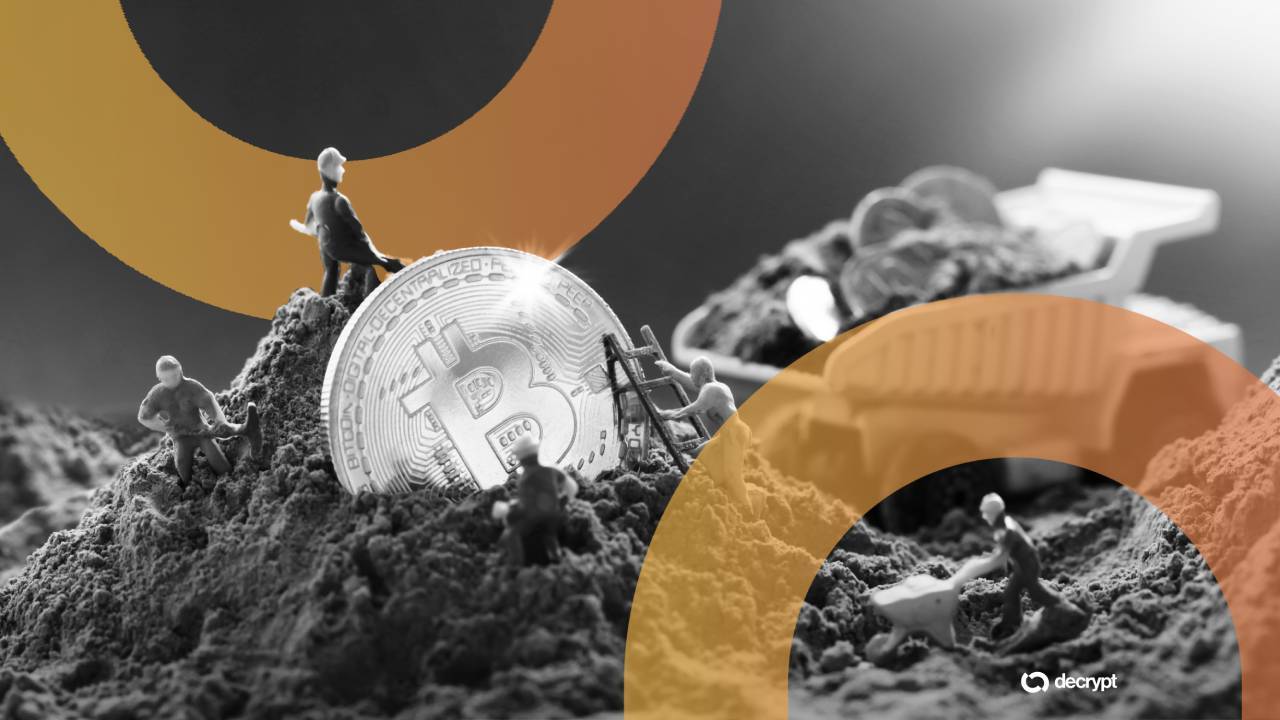
Bitcoin Empire, a mobile game, allows players to earn small amounts of real Bitcoin by simulating a mining operation. Despite its premise, the game is criticized for its repetitive gameplay, excessive ads, and extremely low reward rate, yielding less than a penny per hour. The developer, Fumb Games, has released similar titles with better returns.

Tokenized gold has seen explosive growth, with its market cap exceeding $6B and trading volume surging 1,550% in 2025, surpassing traditional gold ETFs. Regulatory clarity in the EU and Singapore is hardening, pushing for strict 1:1 backing and audits, which is expected to drive consolidation. The sector is increasingly seen as a foundational RWA asset, offering a digital safe haven and 24/7 price discovery.
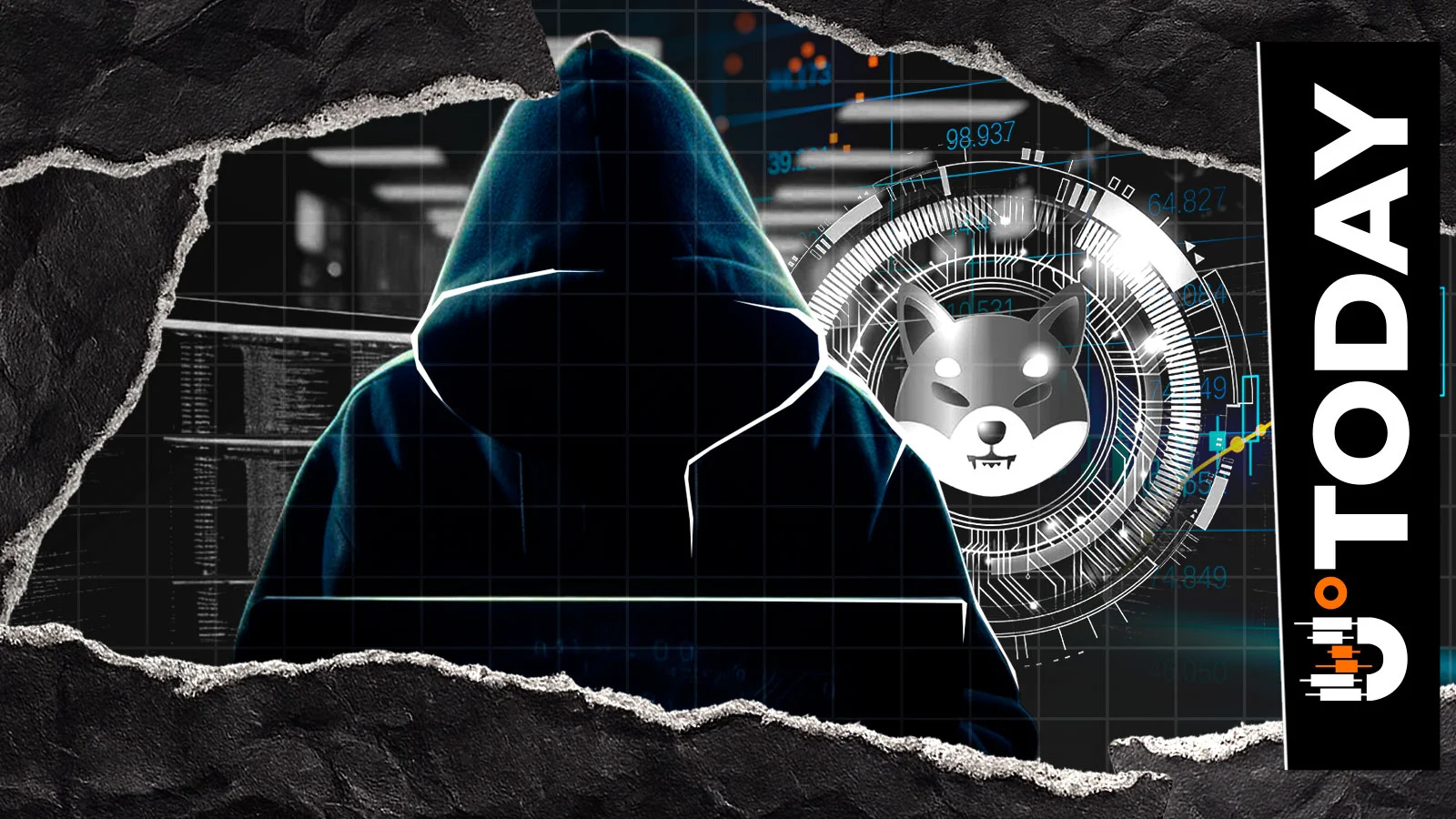
Shiba Inu's lead ambassador, Shytoshi Kusama, updated his X profile to "UI bug fixes," sparking community speculation about ongoing development or updates. This comes as the Shiba Inu ecosystem anticipates Shibarium upgrades and an incremental AI initiative rollout. SHIB price saw a modest 5% jump amidst broader market rebounds.
Geopolitical tensions have escalated with Iran reportedly closing the Strait of Hormuz, a critical global energy chokepoint. This development has triggered a sharp surge in oil futures, up 10%, and forecasts predict US gas prices could climb to $4-$5 per gallon if the disruption persists. The market is bracing for a significant supply shock.

A Bitcoin developer demonstrated embedding a 66KB image within a single transaction, bypassing common data storage methods like OP_RETURN and Taproot. This highlights that consensus rules permit such data storage, and attempts to filter "spam" via policy may merely redirect usage to less efficient or more centralized methods. The development directly informs the ongoing debate around BIP-110, a proposal for temporary consensus-level restrictions on data-carrying transactions.

Bitcoin price action remained relatively stable around $67,000 despite geopolitical tensions in the Middle East, with traders awaiting traditional market reactions. Analysts are targeting a potential rally to $73,000-$74,000 if key resistance levels are breached. Concerns over oil prices and potential US inflation spikes add a layer of macro uncertainty.
Polygon is set to activate its Lisovo hardfork on March 4, introducing subsidized gas for agent-to-agent payments and improving smart contract compatibility. The upgrade aims to support on-chain automation and AI-driven activity. POL price is trading near $0.11, showing a recent surge, with traders watching for price action around the $0.12 resistance level post-fork.

Bitcoin has fallen 45% from its October 2025 all-time high, sparking debate about its market cycle. Grayscale argues this is a mid-cycle correction driven by macro factors and institutional adoption, not a bear market. While some analysts predict new highs in H1 2026 due to ETF inflows and regulatory clarity, others maintain the traditional four-year cycle. The market is split on whether this marks the start of Bitcoin's institutional era or a cyclical reset.

An analyst suggests Bitcoin's market bottom may be near, particularly when priced against gold, potentially by February 2026. This contrasts with the USD-denominated forecast extending to late 2026. Macroeconomic factors and ETF outflows are noted, but large investors are seen accumulating, advocating for dollar-cost averaging.

The OCC's proposed rulemaking under the GENIUS Act addresses stablecoin yield procedures, introducing ambiguity around restrictions on how issuers and partners can offer interest payments. While some interpret this as a potential ban, others believe it aligns with the law and allows for rebuttal of presumptions. Companies like Coinbase and Circle may need to adjust their agreements, and the outcome could impact the broader market structure legislation.
Signal context only. Validate with price action, liquidity, and risk limits before taking a position.
SUI
SUI
