
200+ crypto news providers in one place.

CoinFeather
200+ crypto news providers in one place.
Source, catalyst, and sector overlap from the latest feed.
Shiba Inu's lead ambassador, Shytoshi Kusama, updated his X profile to "UI bug fixes," sparking community speculation about ongoing development or updates. This comes as the Shiba Inu ecosystem anticipates Shibarium upgrades and an incremental AI initiative rollout. SHIB price saw a modest 5% jump amidst broader market rebounds.
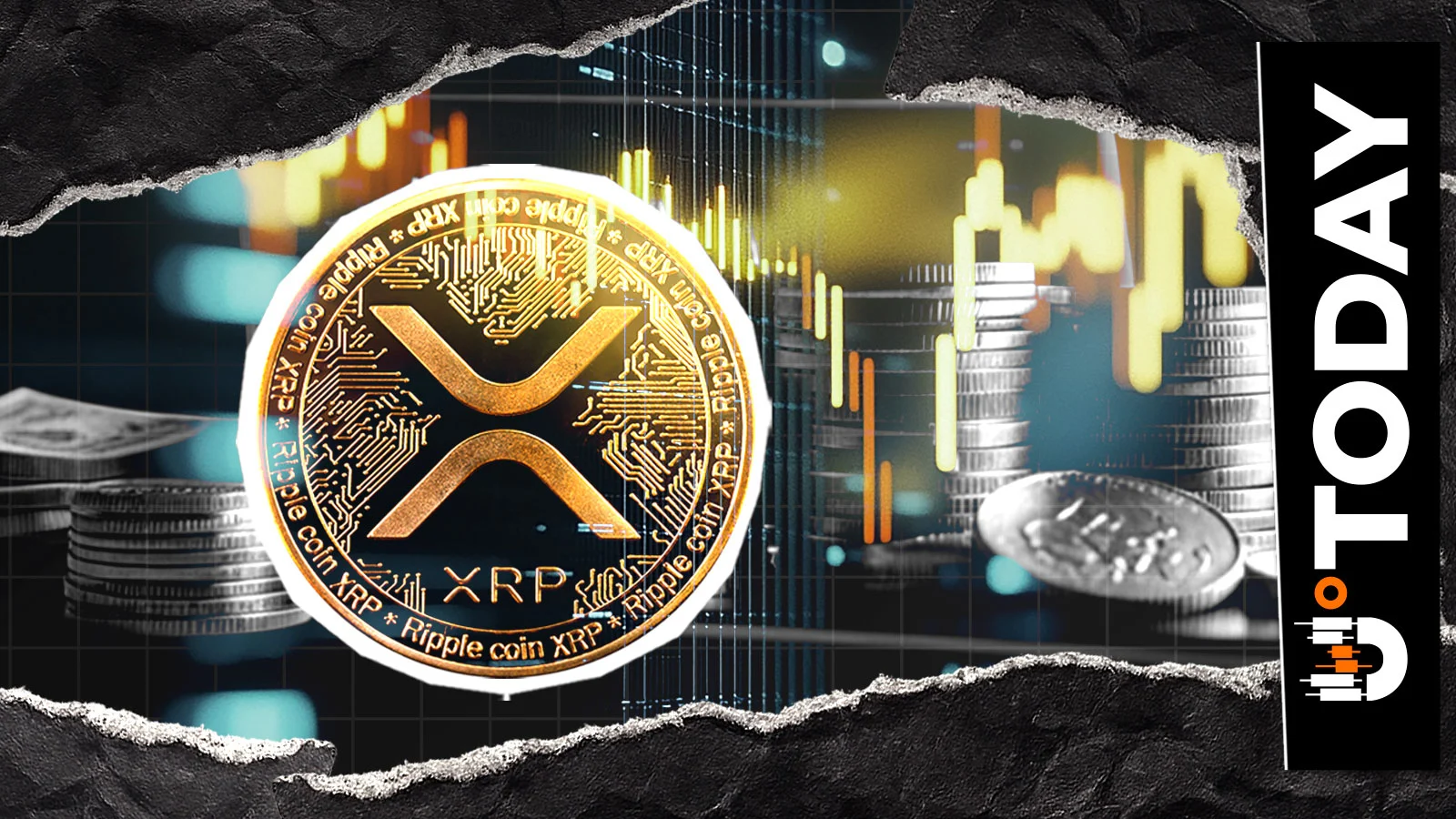
Ripple has unlocked 1 billion XRP from its escrow account, a routine event aimed at boosting liquidity. Despite the unlock, XRP showed minimal price reaction, continuing its struggle after a 16% drop in February. Historically, March has seen positive returns for XRP, but current market conditions and Ripple's significant remaining holdings (32%) introduce uncertainty.
Live Feed
Loading the broader stream in the same flow as the homepage feed.
Geopolitical tensions have escalated with Iran reportedly closing the Strait of Hormuz, a critical global energy chokepoint. This development has triggered a sharp surge in oil futures, up 10%, and forecasts predict US gas prices could climb to $4-$5 per gallon if the disruption persists. The market is bracing for a significant supply shock.

A Bitcoin developer demonstrated embedding a 66KB image within a single transaction, bypassing common data storage methods like OP_RETURN and Taproot. This highlights that consensus rules permit such data storage, and attempts to filter "spam" via policy may merely redirect usage to less efficient or more centralized methods. The development directly informs the ongoing debate around BIP-110, a proposal for temporary consensus-level restrictions on data-carrying transactions.

Bitcoin price action remained relatively stable around $67,000 despite geopolitical tensions in the Middle East, with traders awaiting traditional market reactions. Analysts are targeting a potential rally to $73,000-$74,000 if key resistance levels are breached. Concerns over oil prices and potential US inflation spikes add a layer of macro uncertainty.
Polygon is set to activate its Lisovo hardfork on March 4, introducing subsidized gas for agent-to-agent payments and improving smart contract compatibility. The upgrade aims to support on-chain automation and AI-driven activity. POL price is trading near $0.11, showing a recent surge, with traders watching for price action around the $0.12 resistance level post-fork.

Bitcoin has fallen 45% from its October 2025 all-time high, sparking debate about its market cycle. Grayscale argues this is a mid-cycle correction driven by macro factors and institutional adoption, not a bear market. While some analysts predict new highs in H1 2026 due to ETF inflows and regulatory clarity, others maintain the traditional four-year cycle. The market is split on whether this marks the start of Bitcoin's institutional era or a cyclical reset.

The OCC's proposed rulemaking under the GENIUS Act addresses stablecoin yield procedures, introducing ambiguity around restrictions on how issuers and partners can offer interest payments. While some interpret this as a potential ban, others believe it aligns with the law and allows for rebuttal of presumptions. Companies like Coinbase and Circle may need to adjust their agreements, and the outcome could impact the broader market structure legislation.
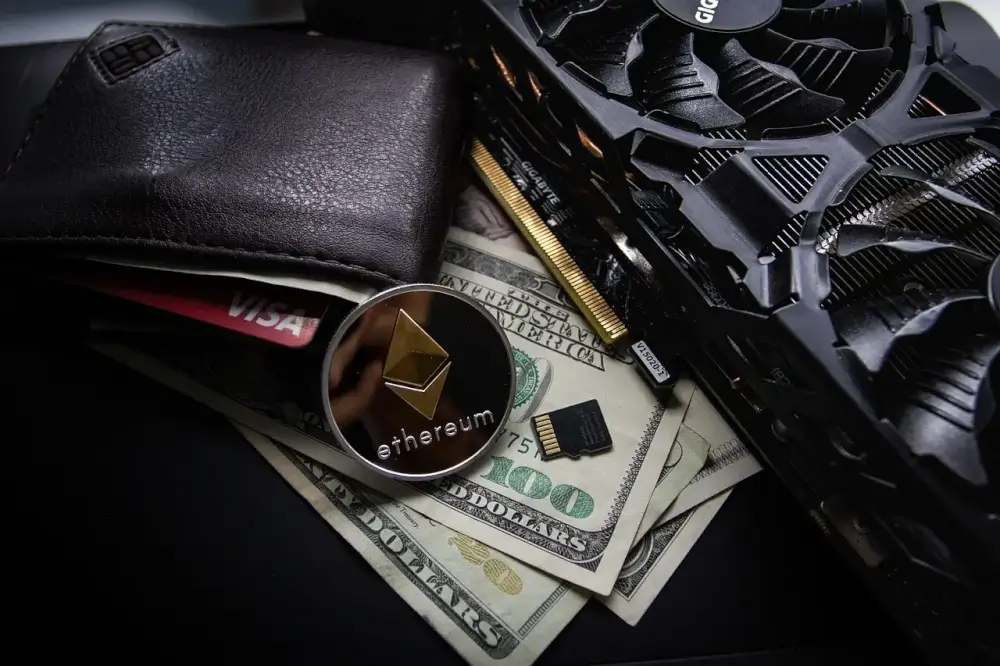
Ethereum's roadmap includes the "Hegota" upgrade in H2 2026, introducing native smart accounts via EIP-8141. This aims to unify wallets and smart contracts, offering features like gas payments in ERC-20 tokens and enhanced security. The upgrade also targets validator censorship reduction through FOCIL. These developments signal a significant user experience and security enhancement for the Ethereum network.

Spot Bitcoin ETFs experienced a significant five-week outflow streak totaling $3.8 billion, indicating a contraction in institutional positioning. However, this trend reversed with approximately $875.5 million in net inflows recorded between February 20th and 27th, suggesting a potential reset rather than a structural exit. Traders should monitor continued inflow trends, Bitcoin's reaction to macro events, and its ability to rise without ETF support to gauge the strength of institutional demand.
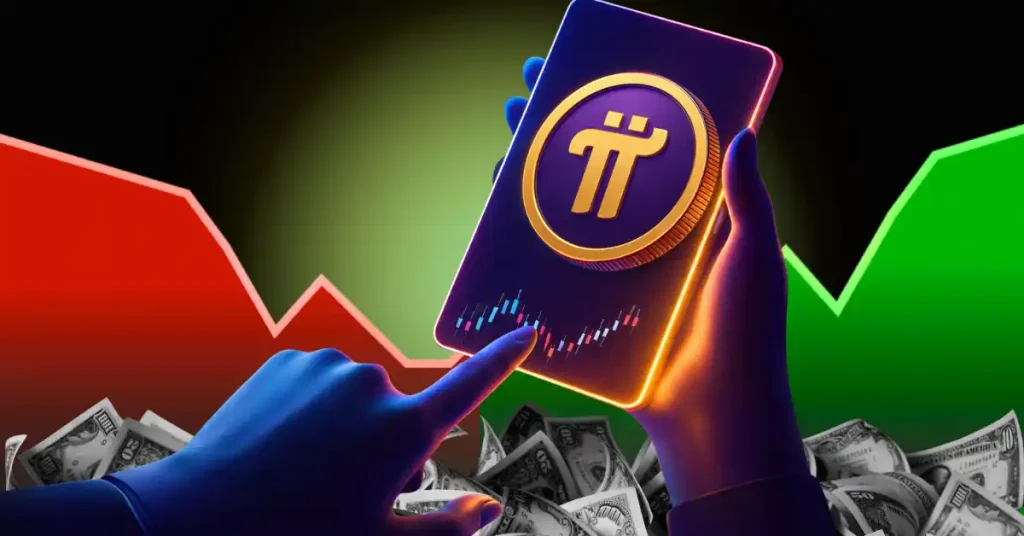
Pi Network's Pi Coin is trading near historic lows, down over 94% from its all-time high, despite celebrating its first Open Network anniversary. An analyst suggests current pricing is driven by liquidity and speculation rather than utility, with early price action influenced by hype and thin markets. The project's long-term success hinges on ecosystem development and adoption.

Next week presents a confluence of high-impact events for crypto and stocks, driven by key US labor market data, particularly Nonfarm Payrolls, which will shape interest rate expectations. Big Tech earnings, including Broadcom, and AI-related commentary will also influence sentiment. Geopolitical tensions and UK regulatory developments add further layers of uncertainty and potential volatility.

Bitcoin has shown resilience, reversing sharp initial volatility triggered by Middle East geopolitical events. A significant short squeeze flushed out leveraged positions, while spot demand, indicated by Coinbase premium, suggests underlying strength. Traders are watching key technical levels and leverage buildup for signs of a constructive short-term outlook.
Signal context only. Validate with price action, liquidity, and risk limits before taking a position.
