
Navigating Crypto News

CoinFeather
Navigating Crypto News
Quick market read from this story
Bitcoin is testing a critical $75,000 breakout zone, with institutional inflows via ETFs providing support, but macroeconomic uncertainty and strong resistance above $80,000 pose challenges to reaching $100,000.
Shiba Inu's attempt at a bull market was denied at the 50-day EMA, reinforcing a bearish structure and suggesting further declines are likely unless it can reclaim this key resistance level.
Ethereum is showing signs of recovery towards $2,500 and $2,800, but a sustained bullish trend reversal requires breaking through these significant moving average resistance levels.
Deep Dive
Bitcoin has shown signs of a potential bullish breakout, reclaiming the $75,000 level after a period of corrections. This resurgence marks the highest price in weeks, following a rebound from February lows near $60,000. The $72,000-$80,000 range is identified as a crucial resistance zone, and a sustained move above this area could confirm a new bullish structure and provide momentum for further rallies.
The recent surge above $74,000 is attributed to improving market sentiment and significant institutional inflows into spot Bitcoin ETFs, with billions invested recently. Large investors continue to accumulate supply, indicating that institutional demand remains a primary driver for Bitcoin's price appreciation. However, challenges such as strong resistance levels above the current price and macroeconomic uncertainties persist, with forecasts anticipating consolidation between $75,000 and $90,000 before a potential attempt at new highs.
Shiba Inu's (SHIB) recent recovery attempt has been met with a significant technical obstacle, casting doubt on its ability to enter a long-term bull market. SHIB's move to stabilize and form a short-term reversal structure was halted at the 50-day exponential moving average (EMA), a key resistance indicator. This rejection effectively diminished the possibility of a short-term bullish breakout.
The 50 EMA has consistently acted as dynamic resistance during the current downtrend, with sellers driving the price lower each time SHIB approached it. This reinforces the prevailing bearish structure. While a small ascending structure formed during the March recovery, SHIB's inability to break above the 50 EMA means it remains below other important moving averages like the 100 and 200 EMAs, which are still sloping downwards. For a true trend reversal, SHIB would need to break and hold above the 50 EMA, a feat it has not achieved, suggesting continued bearish control and a high likelihood of further declines.
Ethereum (ETH) is showing tentative signs of recovery after weeks of downward pressure, though the broader market structure remains precarious. ETH has seen a brief rebound, moving back towards the $2,300-$2,400 range after a sharp decline earlier in the year pushed it below key support levels. The recent upward trend, supported by increasing volume and strengthening RSI momentum, has formed a short-term bullish structure, with ETH rising from lows near $2,000.
Despite this rebound, Ethereum is still trading below critical trend indicators, including the 100-day and 200-day EMAs, which are situated near $2,500 and $2,800, respectively. These levels form a significant resistance corridor that ETH must overcome to validate a longer-lasting trend reversal. A break above $2,500 would be the first major test, indicating buyers regaining control of the medium-term trend. However, a subsequent challenge of the 200 EMA at $2,800, a level often defining long-term market structures, is necessary to confirm sustained strength.
Source, catalyst, and sector overlap from the latest feed.
US regulators have issued joint guidance clarifying the application of federal securities laws to crypto assets, specifically addressing staking, mining, and airdrops, which provides much-needed regulatory clarity for the industry. The guidance acknowledges that most crypto assets are not securities, establishing a framework for how non-security tokens can temporarily become subject to investment contracts and how these can legally end, potentially reducing enforcement risk for network participants. This development offers a clearer 'rules of the road' for US-based crypto builders and investors, potentially fostering innovation and reducing uncertainty around network participation activities like staking and mining.
Top-tier crypto exchanges are demonstrating a significant lead in governance and security, creating a 20-point 'governance gap' over lower-ranked platforms, indicating a potential consolidation trend towards compliant and institutionally-focused venues. The increasing emphasis on regulatory compliance, highlighted by the upcoming MiCA framework deadline, suggests that exchanges with strong governance scores are better positioned for future market conditions and potential regulatory scrutiny. Crypto.com maintains its leading position with high scores in business and security, alongside other AA-rated platforms like Bitstamp, Kraken, Coinbase, OKX, and Gemini, signaling a concentration of market trust among a select group of exchanges.
Ripple's expansion into Brazil with a 'full financial stack' offering, including custody, prime brokerage, and stablecoin settlements, signals a strategic move to capture regulated institutional demand in a key Latin American market. The integration of RWA tokenization via local partners on the XRP Ledger highlights a growing trend of bridging traditional assets with blockchain infrastructure, potentially increasing utility for XRP Ledger beyond payments. Ripple's application for a VASP license in Brazil indicates a commitment to operating within the country's regulatory framework, which could pave the way for broader adoption by local financial institutions.
Shiba Inu (SHIB) is experiencing a 6% correction from its recent peak, which analysts interpret as a potentially healthy pullback rather than a pump-and-dump scenario. The 200-day moving average at $0.00000860 represents a significant upside target, approximately 43% above current levels, suggesting continued bullish potential if support levels hold. The upcoming U.S. Federal Reserve rate decision and accompanying rhetoric are identified as key macroeconomic drivers that could influence SHIB's trajectory and the broader crypto market.
Ethereum's estimated leverage ratio on Binance has recovered to 0.69, signaling renewed trader optimism and a potential shift towards a new liquidity cycle. The recovery in leverage follows a significant liquidation event, suggesting that the market may be absorbing previous sell-offs and positioning for further upside. Technical analysis indicates ETH has broken key resistance at $2,152, with targets at $2,337 and $2,538, reinforcing the bullish sentiment driven by on-chain metrics.
The public dispute between XRP and Chainlink communities highlights differing tokenomics models, with Chainlink using protocol revenue for LINK buybacks versus Ripple's equity buybacks funded by XRP sales. Despite community friction, XRP and Chainlink serve complementary roles in the crypto ecosystem, with XRP focusing on payments and tokenized assets, and Chainlink providing oracle services, suggesting limited direct competition. The debate over funding models and market share, while intense on social media, has had a muted impact on asset prices, indicating that fundamental utility and adoption will likely drive future performance. For traders, the key takeaway is that while community sentiment can be volatile, the underlying utility and market positioning of XRP and Chainlink suggest a coexistence rather than a zero-sum competition.
Citigroup's revised 12-month targets for Bitcoin and Ethereum, lowered by 21.7% and 26.2% respectively, signal a more cautious outlook due to delayed US policy progress impacting expected ETF demand and adoption. Despite target cuts, both Bitcoin and Ethereum's new forecasts remain above current market prices, implying continued upside potential but with a capped trajectory compared to previous expectations. The downgrade suggests that while recent price gains and ETF inflows are positive, they may not be sufficient to fully support the higher price targets previously set, highlighting a disconnect between short-term performance and long-term structural catalysts. The market's next test will be whether ongoing ETF inflows and potential legislative breakthroughs can rebuild the bullish case that Citigroup has recently scaled back.
Solana's price rebound above $90, driven by network anniversary sentiment and broader market recovery, suggests renewed investor interest in high-beta altcoins. Sustained inflows into Solana investment products and ongoing ecosystem development in DeFi, gaming, and payments indicate fundamental strength supporting the current price action. Technical indicators show a constructive pattern with higher lows, positioning SOL to challenge the $100 psychological level, though resistance around $105-$110 remains a key hurdle. Traders are closely monitoring the $92-$94 support band, as a failure to hold this level could signal short-term weakness and a potential retest of lower price points around $88 or $82.
The upcoming Federal Reserve meeting, coupled with a potentially hot PPI inflation report, presents a significant risk to the current crypto rally, as hawkish commentary could strengthen the dollar and pressure risk assets. Traders should monitor Jerome Powell's remarks for signals on future rate cuts, as a shift towards a 'higher-for-longer' rate environment, indicated by delayed cuts, would likely dampen sentiment for Bitcoin and other cryptocurrencies. The immediate price action for Bitcoin is expected to remain range-bound, with resistance anticipated around the $74,000-$76,000 level ahead of the Fed's decision and inflation data release.
Bitcoin's sustained rally above $70,000 is bringing spot ETF holders closer to their breakeven point, suggesting a potential resumption of the bull market as buying pressure increases. On-chain data indicates a shift towards accumulation, with ETF flows turning positive and exchange volume deltas showing increased buyer activity, reinforcing bullish momentum. The reclaim of the 100-day EMA, a key trend filter, above the ETF breakeven level would signal a sustained uptrend and could lead to further upside gains for Bitcoin. Short-term holder metrics like SOPR moving above 1 suggest that weak hands have been flushed out, potentially clearing the path for continued price appreciation.
Live Feed
Loading the broader stream in the same flow as the homepage feed.

Bitrefill's cybersecurity incident, potentially linked to Lazarus Group, highlights ongoing threats to crypto businesses despite enhanced security measures. The company's decision to absorb losses and restore operations quickly suggests resilience, but the breach of customer data access remains a concern for user trust. This event underscores the critical need for continuous vigilance and advanced security protocols within the crypto e-commerce and payments sector.

OpenSea's decision to delay the SEA token launch signals a cautious approach amid a prolonged NFT market downturn, indicating that market conditions are not yet conducive for new token introductions. The postponement of the SEA token launch, coupled with declining NFT market capitalization and trading volumes, suggests a broader cooling of speculative interest in the NFT sector. OpenSea's strategic pivot towards a 'trade everything' multi-chain application, potentially including derivatives, indicates an effort to diversify revenue streams beyond traditional NFT sales. The delay in the SEA token launch and the ending of the Waves reward program may lead to user dissatisfaction and questions regarding platform strategy and reward structures.
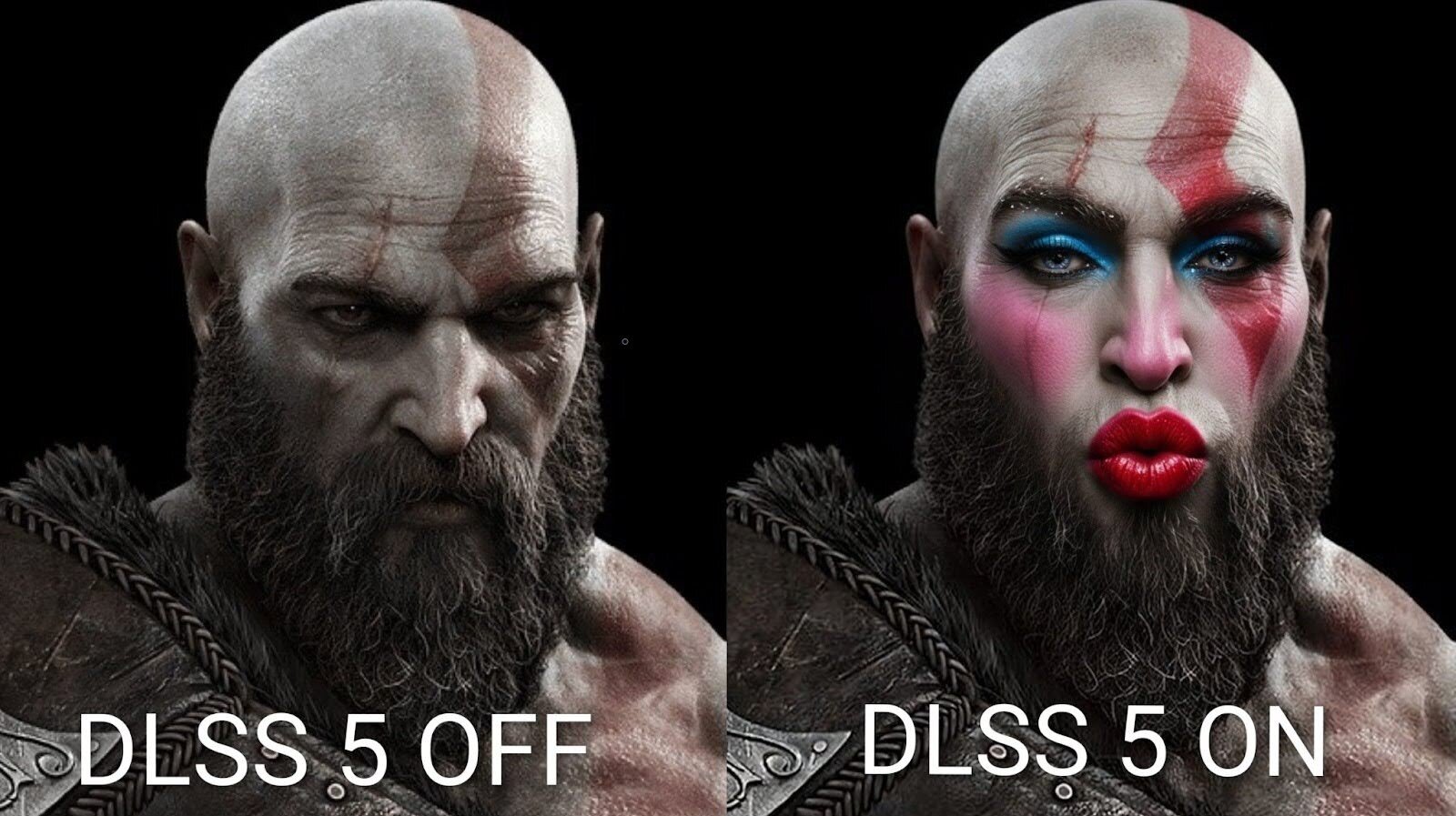
Nvidia's DLSS 5 introduces 'neural rendering,' a significant shift from performance enhancement to AI-driven image generation, potentially altering artistic intent in games. While developers praise the technical leap, widespread gamer backlash and viral memes highlight concerns about AI overreach and the 'uncanny valley' effect, suggesting a potential disconnect between technological advancement and user perception. The shift to AI making aesthetic decisions rather than solely improving performance could redefine player expectations and the perceived value of graphical fidelity, impacting future game development and player engagement.
The SEC's clarification that most crypto assets are not securities under federal law provides a more defined regulatory landscape, potentially reducing enforcement uncertainty for a broad range of digital assets. This interpretative notice serves as a bridge to potential future legislation, signaling a move towards clearer jurisdictional lines between the SEC and CFTC for digital assets. The SEC's acknowledgment that investment contracts can end and its clarification on airdrops, staking, and wrapping could impact how these activities are viewed and conducted within the existing legal framework. While the SEC Chair highlights a shift in recognizing most crypto assets as non-securities, the focus remains on tokenized traditional securities, indicating continued regulatory scrutiny in that specific area.

Bitrefill's disclosure of a cyberattack attributed to North Korean state-sponsored groups highlights ongoing security risks for crypto-adjacent services, potentially impacting user trust and prompting increased scrutiny of operational security measures. The breach, which exposed partial purchase records for approximately 18,500 users, underscores the persistent threat from sophisticated actors like Lazarus and Bluenoroff, who have a history of targeting the crypto ecosystem. While Bitrefill states most operations are restored and losses will be covered internally, the incident serves as a reminder for users to remain vigilant against phishing attempts and unexpected communications, even from seemingly reputable platforms.

Senator Tim Scott indicates progress on crypto market structure legislation, with a potential draft of stablecoin yield language emerging this week, signaling a move towards regulatory clarity. Negotiations are reportedly addressing key issues including stablecoin yields, ethics, regulatory agency quorum, and AML, suggesting a comprehensive effort to advance the bill. The advancement of market structure negotiations, particularly concerning stablecoins and DeFi, could positively influence investor sentiment and potentially lead to increased institutional interest.

Argentina's nationwide ban on Polymarket, citing unlicensed betting and minor participation concerns, signals an intensifying global regulatory crackdown on prediction markets. The court-backed decision in Argentina, mirroring actions in Colombia and regulatory scrutiny in Brazil and the US, suggests a growing trend of authorities targeting platforms operating outside established legal frameworks. This regulatory pressure on prediction markets like Polymarket and Kalshi could lead to increased legal challenges and a potential shift in how these platforms are classified and regulated globally.

Potential compromise on stablecoin yield this week could unblock the stalled crypto market structure bill, a critical development for industry legal clarity. The dispute over stablecoin yield programs, a key sticking point between crypto firms and banks, highlights the ongoing regulatory tension and the need for legislative resolution. With time running out before the 2026 midterms, a breakthrough on stablecoin yield could pave the way for broader legislative progress, impacting the future of crypto operations in the US. The White House's involvement suggests a concerted effort to find a resolution, potentially signaling a more favorable regulatory environment if a compromise is reached.

US lawmakers are proposing new legislation, the BETS OFF Act, to crack down on prediction markets, specifically targeting bets on sensitive geopolitical events like war. The introduction of the BETS OFF Act signals increased regulatory scrutiny on prediction market platforms, potentially impacting their operations and user activity. This regulatory push, alongside similar bills like the DEATHBETS Act, suggests a growing concern among US legislators regarding the use of insider information and the ethical implications of betting on sensitive outcomes.
A 208% surge in Shiba Inu exchange deposits signals potential profit-taking or exhaustion, increasing the probability of near-term selling pressure despite recent technical bullish signals like a golden cross. Despite a recent golden cross and community token burns, the significant increase in SHIB deposits to exchanges suggests that traders are preparing to sell, potentially negating recent gains and indicating a bearish short-term outlook. The shift in investor sentiment, evidenced by increased exchange inflows for SHIB, coupled with Dogecoin's relative resilience, suggests a potential rotation away from SHIB within the meme coin sector.
Arizona has filed 20 criminal charges against prediction market platform Kalshi, classifying its operations as an illegal gambling enterprise and alleging violations of election wagering laws. Kalshi's preemptive lawsuits against states, including Arizona, highlight a pattern of challenging regulatory frameworks rather than complying, potentially signaling ongoing legal battles that could impact its operational scope. The legal actions against Kalshi, despite its reported high valuation, introduce significant regulatory risk and could influence investor sentiment towards prediction markets and similar platforms operating in regulatory gray areas.
US regulators have issued joint guidance clarifying that most crypto assets are not securities, a move that significantly reduces regulatory ambiguity for the industry. The new framework distinguishes between digital commodities, stablecoins, and digital securities, providing a clearer taxonomy that could encourage institutional adoption by mitigating legal risks. This clarification on how existing laws apply to digital assets, including staking and mining, signals a shift towards more predictable oversight and away from enforcement-first tactics. The guidance suggests that a token's classification can evolve over time, potentially allowing assets initially deemed securities to later fall outside that category as networks mature.

Moody's integration of credit ratings onto the Canton Network signifies a crucial step in bridging traditional finance with blockchain infrastructure, potentially increasing institutional trust and adoption of tokenized assets. The deployment on Canton Network, a permissioned blockchain for institutional finance, highlights the growing utility of such networks for traditional financial services and RWA tokenization. As Moody's plans to expand to additional blockchains and asset types, this development could set a precedent for other credit rating agencies, impacting the broader financial data and blockchain sectors.
Coinbase and World's AgentKit launch establishes a critical trust layer for AI agents by linking them to verified human identities via World ID, addressing the growing need for accountability in agentic commerce. The integration of AgentKit with Coinbase's x402 protocol creates a comprehensive trust stack for AI agents, enabling them to transact while allowing platforms to verify human oversight, a key development for the projected multi-trillion dollar agentic economy. This initiative by Coinbase and World aims to differentiate legitimate AI agent activity from malicious bots, potentially unlocking new use cases in areas like ticketing and reservations by enforcing limits per verified human rather than per wallet.

The CFTC's no-action relief for Phantom Technologies allows self-custodial wallets to connect users to regulated derivatives markets without broker registration, setting a precedent for similar integrations. This regulatory clarity for non-custodial wallet software providers could encourage further innovation in bridging crypto users to traditional financial products. The relief is specific and does not extend to DeFi derivatives or prediction markets, indicating continued regulatory scrutiny in those areas. While a positive development for Phantom and potentially other wallets, the CFTC reserves the right to issue formal rulemaking that could supersede this no-action letter.
Signal context only. Validate with price action, liquidity, and risk limits before taking a position.
