
Navigating Crypto News

CoinFeather
Navigating Crypto News
Quick market read from this story
Circle's stock (CRCL) experienced a significant 10% drop following a 'sell' rating from Compass Point, driven by concerns over thinning stablecoin yield margins and alleged inaction during the Drift Protocol exploit.
The analyst downgrade highlights potential headwinds for Circle's core stablecoin business, citing reduced supply growth for USDC and increased competition from new entrants, impacting its market dominance.
Despite the stock decline and regulatory scrutiny, Circle is pursuing revenue diversification through its Payments Network and board appointments, while its flagship USDC product continues to see strong institutional demand.
Source, catalyst, and sector overlap from the latest feed.
Donald Trump's potential attendance at a TRUMP memecoin event, despite the token's significant price decline, highlights the speculative nature of celebrity-endorsed memecoins and may attract short-term speculative interest. The TRUMP and MELANIA memecoins have experienced substantial price drops from their peaks, indicating high volatility and potential risks for investors, even with high-profile associations. The event's structure, offering exclusive entry to top holders, suggests a focus on community engagement and token holder incentives rather than fundamental utility, typical of the memecoin sector.
Live Feed
Loading the broader stream in the same flow as the homepage feed.

BlockDAG's presale pricing at $0.0000061 positions it for market-driven valuation post-TGE, contrasting with established assets like XRP, Chainlink, and Arbitrum. The article serves as a sponsored overview comparing a pre-launch project (BlockDAG) with established players (XRP, LINK, ARB) in the 2026 crypto market context. Market participants are evaluating projects based on presale models versus open market trading, highlighting the importance of liquidity and exchange readiness for new assets.

A new quantum-safe transaction scheme for Bitcoin, QSB, has been proposed that operates under existing consensus rules, offering an immediate, albeit costly, fallback against future quantum threats. While QSB provides an emergency solution at an estimated $75-$200 per transaction, it is not a replacement for protocol-level upgrades like BIP-360, which remain the long-term scalable solution but face significant development and governance delays. The high cost and computational overhead of QSB limit its practicality for everyday use, positioning it as a last-resort measure for users prioritizing quantum security over transaction efficiency and cost.

A new Quantum Safe Bitcoin (QSB) transaction scheme has been proposed, offering immediate quantum resistance without protocol upgrades, though at a significant per-transaction cost. The QSB scheme's high transaction fees ($75-$150) limit its practicality for everyday use, positioning it as a potential interim solution for high-value transactions rather than a full replacement for current methods. While the QSB proposal addresses immediate quantum threats, concerns remain regarding its coverage of exposed public keys and dormant wallets, suggesting protocol-level changes are still the preferred long-term solution. The development highlights ongoing community efforts to address quantum computing risks, with alternative solutions like Lightning Labs' 'escape hatch' prototype also emerging.

Bitmine's uplisting to the NYSE from NYSE American signifies increased financial maturity and corporate governance, potentially enhancing its access to larger capital markets and improving investor confidence. The substantial increase in Bitmine's share buyback program to $4 billion, coupled with the NYSE listing, suggests management's belief in the undervaluation of its stock and a commitment to returning capital to shareholders. While the NYSE listing is a positive development for Bitmine's corporate profile, its stock has seen a significant decline over the past six months, indicating that market sentiment remains cautious despite the listing and buyback news.

The CIA's integration of AI co-workers into analytics platforms signifies a strategic shift towards leveraging advanced technology for national security, potentially impacting the demand for AI infrastructure and services. The agency's focus on AI for intelligence processing and counterintelligence operations, including analysis of blockchain data, highlights the growing intersection of AI, cybersecurity, and geopolitical competition. While the CIA emphasizes human decision-making, the widespread adoption of AI tools suggests a future where AI plays an increasingly integral role in governmental and intelligence functions, potentially influencing regulatory approaches to AI development.

BlockDAG's presale continues at a fixed price of $0.0000061, signaling a pre-TGE distribution phase before market-driven pricing takes effect. Aave's price action shows a significant pullback from January highs, trading near $92 and indicating bearish trends influenced by broader market conditions rather than specific protocol news. Pepe's consolidation around $0.000003 highlights a slowdown in the meme coin segment, with price movements primarily driven by sentiment rather than fundamental developments. BlockDAG's upcoming roadmap includes a DEX, lending protocols, and dApp infrastructure launches in May and June 2026, suggesting a focus on ecosystem expansion post-TGE.

The Ethereum Foundation's sale of approximately 3,750 ETH, while not structurally altering long-term supply, introduces short-term sentiment headwinds that traders are closely monitoring for potential impact on ETH's rebound attempt. The ETH/BTC pair is approaching a significant 9-year convergence zone, a technical level that historically precedes altcoin market momentum shifts, suggesting potential for broader altcoin rallies if ETH strengthens against BTC. Despite the Foundation's sales, a surge in Wrapped Ethereum (WETH) activity, indicated by new wallet creation and active usage, suggests underlying demand and DeFi engagement that could absorb selling pressure. Traders are evaluating whether ETH can overcome the immediate supply pressure from the Ethereum Foundation's sales and maintain support around $2,100, or if a break above recent highs will signal absorption and a continuation of the upward trend.
Bitcoin is testing the critical $70,000 support level, with a breakdown potentially triggering significant stop-losses and a decline to the mid-$60,000s, while holding above it would validate the bullish trend. Shiba Inu shows signs of stabilization with a modest ascending structure and neutral RSI, suggesting a potential recovery phase is forming, though a confirmed bullish reversal requires breaking overhead resistance. XRP exhibits a peculiar divergence with surging on-chain activity contrasting with muted price action, indicating potential underlying structural usage or institutional flows rather than immediate speculative demand.
BlockDAG's Batch 4 opens at $0.0000061, marking a pre-trading phase distinct from the current market performance of established assets like SUI and LINK. SUI faces technical pressure with bearish indicators and a price below its 200-day moving average, suggesting a cautious outlook despite ongoing development in gaming and NFTs. Chainlink (LINK) shows strong utility in RWA tokenization and CCIP adoption but struggles to break above the $9 resistance level, indicating its price action is currently range-bound. BlockDAG's upcoming roadmap includes DEX and liquidity rewards in May, followed by Super App, lending, and dApp launches in June, signaling a planned expansion phase post-TGE.
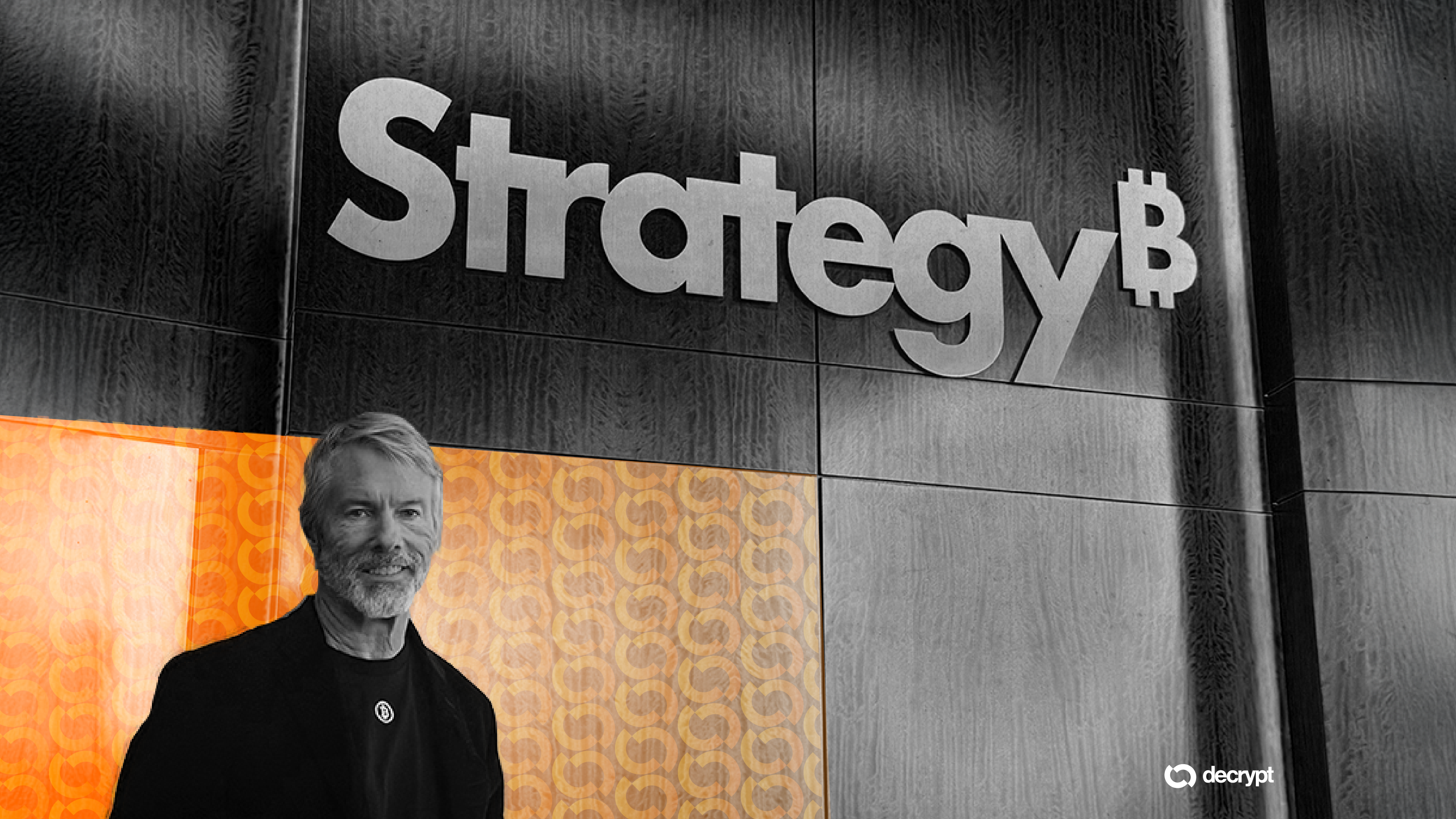
TD Cowen maintains a 'buy' rating on Strategy despite a reduced price target, indicating continued confidence in the Bitcoin treasury firm's long-term prospects. Analysts initiated coverage on Sharplink with a 'buy' rating, highlighting its superior Ethereum staking yield potential compared to ETFs, suggesting a favorable outlook for the Ethereum treasury company. Sharplink's staking revenue is projected to cover operating costs even with depressed ETH prices, providing a defensive fundamental for the company's valuation. The reduced price target for Strategy reflects lower expectations for future Bitcoin prices, suggesting a cautious outlook on Bitcoin's immediate upside potential from the analyst's perspective.
BlockDAG (BDAG) is attracting significant market attention due to its early-stage positioning and upcoming exchange listings, suggesting potential for increased trading activity and price appreciation. Shiba Inu (SHIB), Bonk (BONK), and FLOKI are in consolidation phases with key resistance levels to overcome, indicating a need for stronger momentum to signal a trend reversal. The article highlights a contrast between the emerging attention on BlockDAG and the consolidation patterns of established meme coins like SHIB, BONK, and FLOKI, presenting different risk/reward profiles for traders. Upcoming exchange listings and ecosystem developments for BlockDAG in April, May, and June are key catalysts that market participants will monitor for potential price impact.
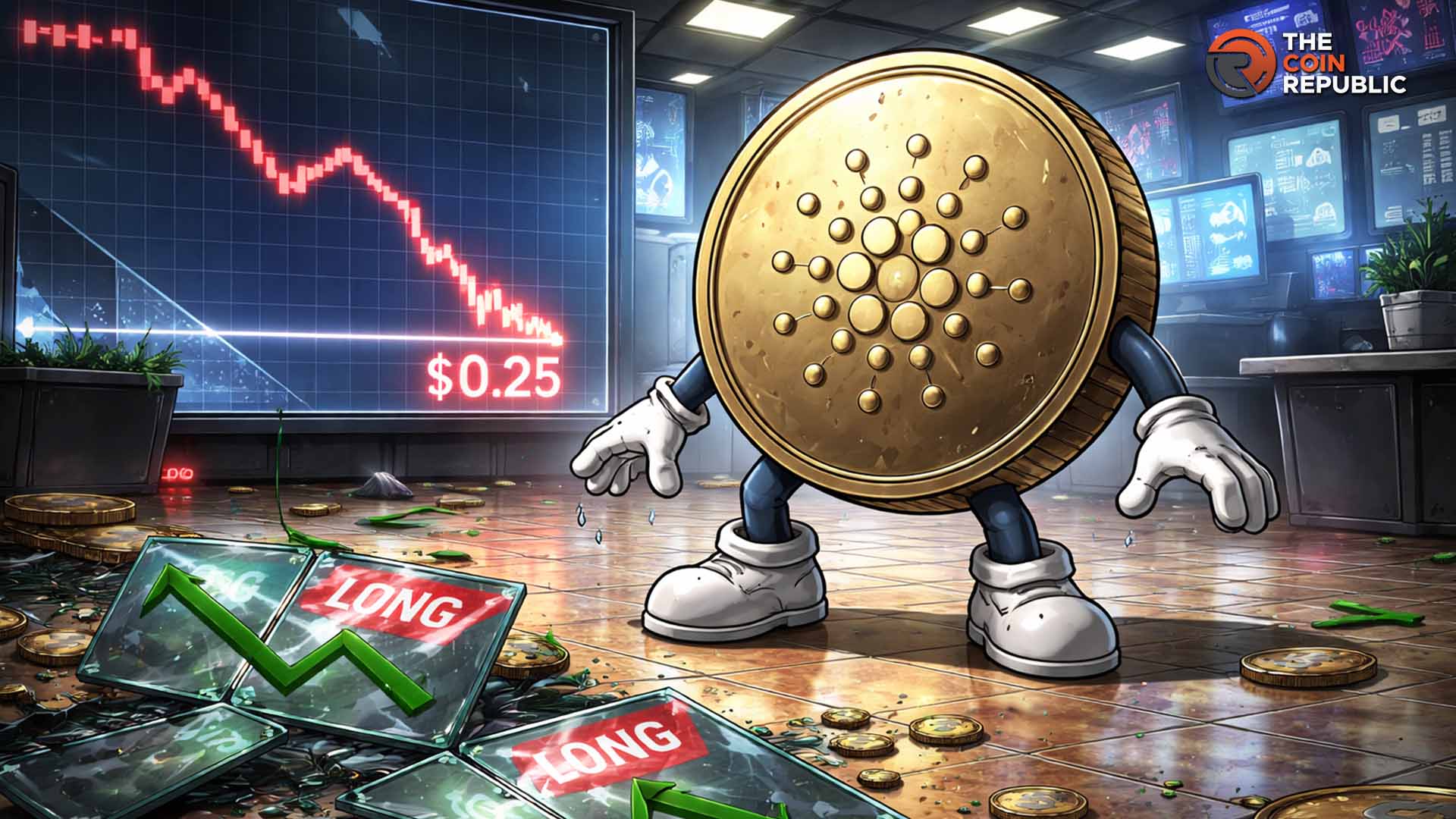
Cardano's price is testing critical support at $0.25, with significant long liquidations indicating bearish sentiment in the derivatives market. Despite price weakness, Cardano whale wallets holding over 10 million ADA have reached a four-month high, suggesting accumulation by large holders amidst selling pressure. The immediate price action for ADA hinges on defending the $0.24-$0.25 support zone; a break below could lead to further declines towards $0.22, while reclaiming the 50-day EMA at $0.268 is key for a bullish reversal. The current market structure for ADA is fragile, trading below key moving averages with mixed momentum indicators, suggesting a potential range-bound or downward trend until stronger buying conviction emerges.

Florida's Attorney General has launched an investigation into OpenAI, citing national security, child safety, and criminal misuse concerns related to ChatGPT. This regulatory action signals increasing government scrutiny of AI technologies, potentially impacting development and adoption across the sector. While the investigation focuses on OpenAI, it reflects a broader trend of regulatory pressure on AI chatbots, which could spill over to other AI-related crypto projects. OpenAI has pledged cooperation, highlighting the ongoing tension between AI innovation and public safety concerns that market participants must monitor.
Signal context only. Validate with price action, liquidity, and risk limits before taking a position.
US Treasury Secretary Scott Bessent is actively pushing for the CLARITY Act's passage, framing it as crucial for maintaining US global financial leadership and mitigating market volatility. The CLARITY Act aims to establish a clear regulatory framework for crypto, potentially unlocking significant institutional investment by reducing legal ambiguity and fostering a 'pro-innovation' environment. Disagreements over stablecoin yields have been a key hurdle, but recent White House economic refutations of harm to banks suggest a potential path forward for the legislation. With a stated goal of Senate approval in April and presidential signing by mid-year, the CLARITY Act represents a significant regulatory catalyst that could reshape the US crypto landscape.
