
200+ crypto news providers in one place.

CoinFeather
200+ crypto news providers in one place.
Fast Read
Source, catalyst, and sector overlap from the latest feed.
Shibarium, the Shiba Inu layer-2 network, is experiencing wallet and explorer connectivity issues. The team attributes these problems to user-side RPC settings and explorer indexing delays, assuring users that assets remain secure and network operations are stable. Users are advised to clear wallet cache and re-add the network.
Palantir (PLTR) stock surged over 6% driven by increased demand for its AI and defense analytics amid heightened geopolitical tensions. The company's dual role as a defense contractor and AI innovator positions it to benefit from potential increases in government spending and defense contracts.
Live Feed
Loading the broader stream in the same flow as the homepage feed.
Binance open interest has dropped 25% as traders deleverage due to macro and geopolitical risks, with leverage ratios falling below 0.15. Bitcoin shows resilience near $69,000 despite a cautious derivatives market, while spot ETFs see significant inflows.

Northern Trust Asset Management has launched a tokenized share class for its Treasury Instruments Portfolio, marking its entry into the digital assets market. This move expands the tokenized U.S. Treasurys market, which now holds nearly $11 billion in assets on public blockchains.
Ripple Prime, formerly Hidden Road, is now live on the DTCC's NSCC directory, paving the way to move institutional post-trade volume to the XRP Ledger. This integration follows Ripple's $1.25 billion acquisition of Hidden Road and aims to leverage XRPL's efficiency for traditional finance.
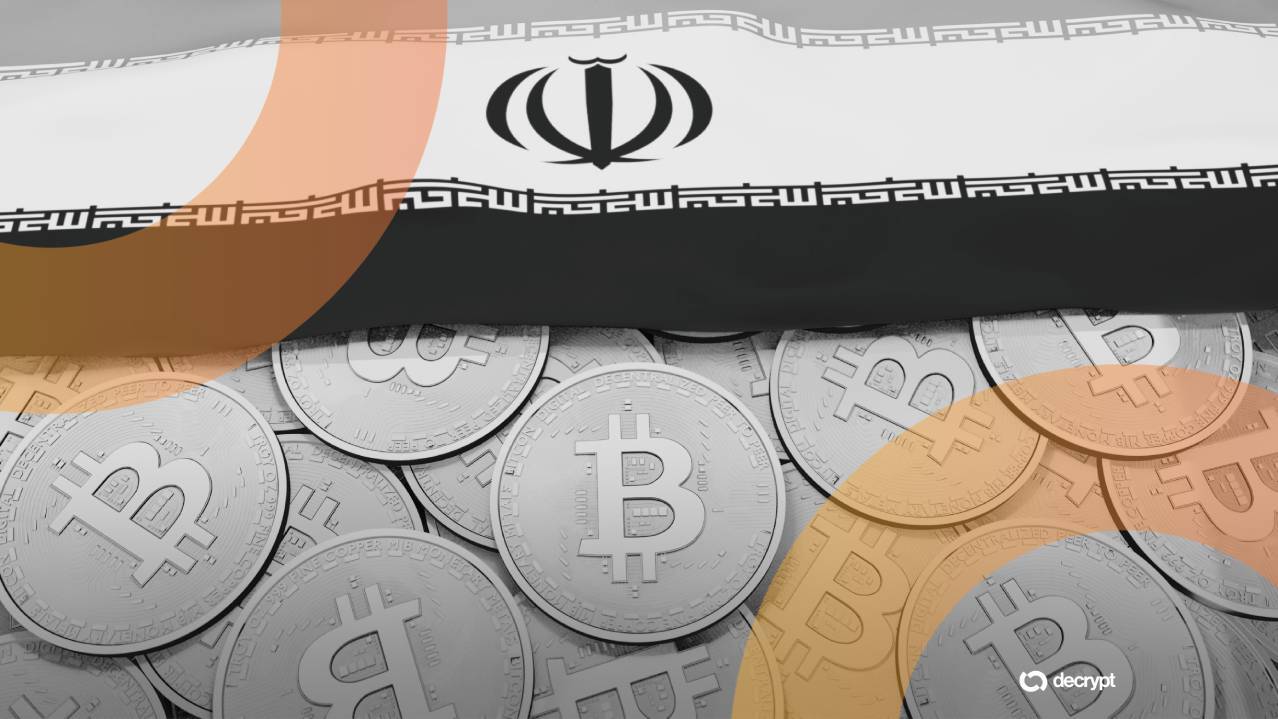
Experts assess Iran's Bitcoin mining share as minimal (below 1%), suggesting geopolitical conflict will not materially impact global hashrate or network security. While Iranian crypto outflows surged 700% post-airstrikes, the market impact is deemed limited due to Iran's small mining footprint.
Bitcoin surged to a two-week high near $70,000, recovering from weekend lows. The price action correlated with a broader market recovery in risk assets, driven by geopolitical developments and a shift in market sentiment regarding regional stability.

Turkey's ruling party proposed a 10% income tax on crypto gains and income, with the president able to adjust the rate between 0-20%. This follows significant crypto adoption in Turkey driven by economic conditions, with transaction volumes reaching $200 billion in a recent 12-month period.

Bitcoin governance is facing a critical juncture with the mining of a block supporting BIP-110, a proposal to restrict non-monetary data. Critics warn of potential blockchain splits and a violation of neutrality principles, while proponents aim to preserve Bitcoin's monetary infrastructure.
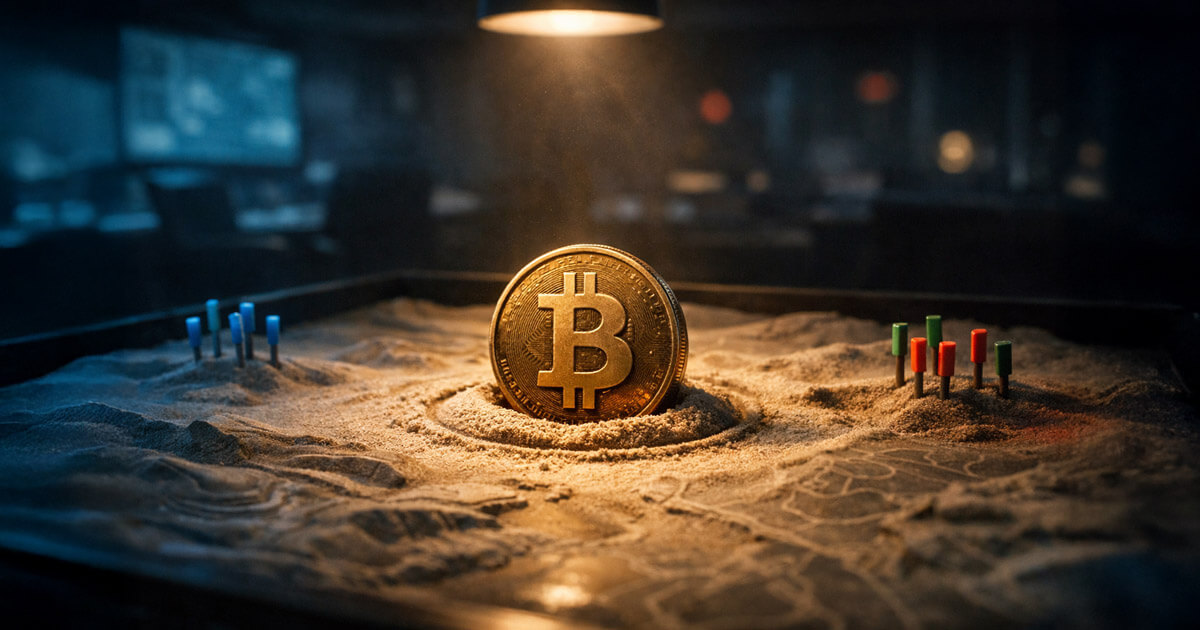
Bitcoin initially acted as a risk asset during US-Iran tensions, but historical data and new ETF structures suggest potential for a rebound if oil prices stabilize. BlackRock analysis shows Bitcoin historically outperforms gold and equities 60 days post-shock, with outcomes dependent on oil price trajectory and inflation fears.

HyperLiquid's HYPE token has gained 23.9% YTD, outperforming BTC and ETH, as its derivatives exchange volume exceeds $200B/month. The platform's non-custodial model and 24/7 trading, including synthetic equities, attract retail traders in bear markets. Despite a past governance controversy, the vault TVL has recovered to $380M.

JPMorgan forecasts a U.S. crypto market recovery in H2 2026 if the Clarity Act is approved by mid-year. The bill aims to end 'regulation by enforcement' and clarify SEC-CFTC jurisdiction, potentially easing compliance and boosting institutional access.
Signal context only. Validate with price action, liquidity, and risk limits before taking a position.
Deep Dive
The perceived speed of cryptocurrency transactions is a complex interplay of factors beyond just block time. It encompasses how quickly a platform broadcasts a transaction to the network and the subsequent network confirmation process. For practical use, users should prioritize predictable transaction performance, especially during periods of high network congestion and fee volatility, rather than focusing on a single metric like block time.
Transaction finality involves three stages: broadcast, inclusion in a block, and achieving a desired level of confidence through subsequent confirmations. Bitcoin prioritizes security, which can lead to variable confirmation times when the mempool is crowded. Litecoin, with its more frequent block intervals, generally offers a steadier experience for simple transfers. Ethereum can achieve quick initial confirmations, but its fee market is highly dynamic, making transactions potentially expensive during peak demand.
Discussions about
ETH
ETH
No explicit catalyst tagged.
