
Navigating Crypto News

CoinFeather
Navigating Crypto News

Quick market read from this story
South Korean regulators have imposed a significant fine and a six-month partial business ban on Bithumb, signaling increased regulatory scrutiny on major exchanges within the country.
The penalties stem from millions of AML and KYC violations, highlighting operational compliance risks for exchanges handling substantial user bases and transaction volumes.
While existing users can continue trading, the restriction on new accounts and the substantial fine could impact Bithumb's market share and user growth in the short to medium term.
Deep Dive
South Korean regulators have imposed a significant penalty on cryptocurrency exchange Bithumb, including a ₩36.8 billion ($24.6 million) fine and a six-month suspension of services for new users. This action stems from millions of violations related to anti-money laundering (AML) and Know Your Customer (KYC) regulations discovered during inspections of major South Korean exchanges.
The Financial Intelligence Unit (FIU) identified approximately 6.65 million breaches of compliance procedures. These included 3.55 million cases of missing or incomplete user identity verification and 3.04 million instances where transactions should have been restricted but were allowed to proceed. Additionally, 45,772 transactions involved unregistered overseas exchanges.
The ₩36.8 billion fine is the largest ever imposed on a crypto exchange in South Korea, surpassing the ₩35.2 billion sanction given to Upbit in 2025 for similar failures. The six-month suspension specifically targets new accounts, preventing them from using services like deposits and withdrawals, while existing users can continue trading without interruption.
Disciplinary measures also extended to Bithumb's staff, with the chief executive receiving a reprimand and the reporting officer being suspended for six months. The FIU will finalize the penalty after Bithumb has had at least ten days to respond.
These violations were uncovered during on-site inspections conducted between 2024 and 2025, which reviewed the compliance systems of South Korea's five largest cryptocurrency exchanges: Upbit, Bithumb, Coinone, Korbit, and Gopax. The inspections focused on customer identity verification and transaction monitoring under the Act on Reporting and Using Specified Financial Transaction Information.
Other exchanges have also faced penalties. In 2025, Upbit's operator, Dunamu, received a ₩35.2 billion fine and a three-month partial suspension. Korbit was fined ₩2.73 billion and received institutional warnings.
Bithumb, founded in 2014, is one of South Korea's largest cryptocurrency exchanges by trading volume. The exchange recently experienced an incident during a promotional campaign called the “Random Box,” where a system error mistakenly distributed at least 2,000 BTC per winner instead of Korean won. This error, estimated to be worth around 196 billion won, briefly impacted trading prices but did not result in financial losses for customers, according to Bithumb.
The FIU emphasized that exchanges must adhere to strict standards for identity verification and transaction monitoring. At the time of reporting, Bitcoin was trading near $73,800, having increased by over 3% in the past 24 hours.
Source, catalyst, and sector overlap from the latest feed.
The crypto community's strong preference for privacy over stablecoin yields in the CLARITY Act poll signals a potential resistance to regulatory provisions that could compromise self-custody rights. The ongoing legislative deadlock over the CLARITY Act, primarily due to stablecoin yield debates and potential Treasury powers, indicates a significant hurdle for crypto market structure regulation in the U.S. Policymakers prioritizing privacy safeguards in the CLARITY Act may find greater support from crypto investors, even if it means stricter regulations on stablecoin yields, suggesting a trade-off dynamic in future legislation. The poll's outcome highlights a divergence between the crypto community's core values of financial autonomy and the current policy discussions in Washington, potentially influencing future lobbying efforts and legislative outcomes.
The memecoin market experienced a significant pullback, dropping 4% to $31.61B, driven by increased geopolitical risk aversion and profit-taking from recent rallies. Heightened US-Iran tensions are pushing investors away from speculative assets like memecoins, leading to sell-offs and a decline in market momentum. While the broader crypto market shows resilience, memecoins are failing to sustain gains, indicating a potential shift in risk appetite among traders. Whale activity, including large SHIB token sales, contributed to the downturn, highlighting the impact of large holders on memecoin price action.
Bitcoin's surge past $74,000, coinciding with a tech stock rally driven by AI chip advancements, signals a broader risk-on sentiment across markets. The positive market tone is reinforced by cooling oil prices and strong ETF inflows into Bitcoin, suggesting a confluence of macroeconomic relief and crypto-specific demand. Developments in AI hardware from companies like Nvidia and Tesla, coupled with Meta's strategic capital allocation, are fueling optimism in tech equities and potentially spilling over into crypto asset performance. Traders should monitor upcoming Fed policy and earnings from AI giants, as these factors will be crucial in determining the sustainability of the current optimism in both tech and crypto markets.
Crypto.com's partnership with KG Inicis in South Korea aims to integrate crypto payments for tourists, signaling a move towards real-world utility beyond trading. This collaboration could serve as a blueprint for broader crypto adoption in other markets if successful, potentially increasing transaction volumes for participating exchanges. The expansion into South Korea, a key crypto market, highlights Crypto.com's strategy to compete in the growing crypto payments sector against major players like Binance and Coinbase. By enabling crypto payments for goods and services, the partnership underscores the increasing practical applications of digital assets, moving them closer to mainstream payment methods.
Pepe price is approaching a critical falling channel resistance, with a breakout potentially signaling a bullish reversal, but technical indicators suggest caution. Hidden bearish divergence on RSI and declining Chaikin Money Flow indicate that recent price gains may be driven by retail sentiment rather than strong institutional accumulation. Whale holders have reduced their Pepe holdings by approximately 3.43 trillion tokens since March 13, suggesting smart money is exiting positions ahead of potential downside. A failure to break the falling channel resistance could lead to a significant price drop, with support breaking at $0.0000033 potentially triggering a 26% decline.
Arizona has filed 20 criminal charges against prediction market platform Kalshi, classifying its operations as an illegal gambling enterprise and alleging violations of election wagering laws. Kalshi's preemptive lawsuits against states, including Arizona, highlight a pattern of challenging regulatory frameworks rather than complying, potentially signaling ongoing legal battles that could impact its operational scope. The legal actions against Kalshi, despite its reported high valuation, introduce significant regulatory risk and could influence investor sentiment towards prediction markets and similar platforms operating in regulatory gray areas.
The CFTC's no-action relief for Phantom Technologies allows self-custodial wallets to connect users to regulated derivatives markets without broker registration, setting a precedent for similar integrations. This regulatory clarity for non-custodial wallet software providers could encourage further innovation in bridging crypto users to traditional financial products. The relief is specific and does not extend to DeFi derivatives or prediction markets, indicating continued regulatory scrutiny in those areas. While a positive development for Phantom and potentially other wallets, the CFTC reserves the right to issue formal rulemaking that could supersede this no-action letter.
The SEC has issued its first formal guidance on classifying crypto assets, aiming to provide clarity on which digital assets fall under securities laws. This new 'token taxonomy' suggests most crypto assets are not securities, with only 'digital securities' remaining under SEC jurisdiction, potentially reducing regulatory uncertainty for many projects. The guidance clarifies the SEC's stance on various token types including digital commodities, collectibles, tools, stablecoins, and securities, alongside treatments for airdrops, mining, and staking. While this provides informal guidance, the SEC acknowledges that permanent policy shifts will require legislative action from Congress.
The SEC's clarification that most crypto assets are not securities, including staking and airdrops, removes a significant regulatory overhang that has plagued the industry. This guidance provides much-needed clarity for market participants, potentially encouraging further development and investment by reducing legal uncertainty around asset classification. While not a definitive legislative solution, this SEC interpretation serves as a bridge, signaling a more pragmatic approach to crypto regulation and potentially paving the way for future bipartisan legislation.
Coinbase and World's AgentKit launch establishes a critical trust layer for AI agents by linking them to verified human identities via World ID, addressing the growing need for accountability in agentic commerce. The integration of AgentKit with Coinbase's x402 protocol creates a comprehensive trust stack for AI agents, enabling them to transact while allowing platforms to verify human oversight, a key development for the projected multi-trillion dollar agentic economy. This initiative by Coinbase and World aims to differentiate legitimate AI agent activity from malicious bots, potentially unlocking new use cases in areas like ticketing and reservations by enforcing limits per verified human rather than per wallet.
Top-tier crypto exchanges are demonstrating a significant lead in governance and security, creating a 20-point 'governance gap' over lower-ranked platforms, indicating a potential consolidation trend towards compliant and institutionally-focused venues. The increasing emphasis on regulatory compliance, highlighted by the upcoming MiCA framework deadline, suggests that exchanges with strong governance scores are better positioned for future market conditions and potential regulatory scrutiny. Crypto.com maintains its leading position with high scores in business and security, alongside other AA-rated platforms like Bitstamp, Kraken, Coinbase, OKX, and Gemini, signaling a concentration of market trust among a select group of exchanges.
Arizona's Attorney General has filed criminal charges against Kalshi for operating an illegal gambling business, directly challenging the platform's legal standing and potentially impacting its operations within the state. The legal action highlights a growing conflict between state regulators and prediction market platforms like Kalshi, with the CFTC chair advocating for federal jurisdiction, creating regulatory uncertainty. Despite this state-level charge, Kalshi maintains it is under federal jurisdiction, citing previous court rulings, suggesting a prolonged legal battle that could set precedents for similar platforms.
Live Feed
Loading the broader stream in the same flow as the homepage feed.
A 208% surge in Shiba Inu exchange deposits signals potential profit-taking or exhaustion, increasing the probability of near-term selling pressure despite recent technical bullish signals like a golden cross. Despite a recent golden cross and community token burns, the significant increase in SHIB deposits to exchanges suggests that traders are preparing to sell, potentially negating recent gains and indicating a bearish short-term outlook. The shift in investor sentiment, evidenced by increased exchange inflows for SHIB, coupled with Dogecoin's relative resilience, suggests a potential rotation away from SHIB within the meme coin sector.

Moody's integration of credit ratings onto the Canton Network signifies a crucial step in bridging traditional finance with blockchain infrastructure, potentially increasing institutional trust and adoption of tokenized assets. The deployment on Canton Network, a permissioned blockchain for institutional finance, highlights the growing utility of such networks for traditional financial services and RWA tokenization. As Moody's plans to expand to additional blockchains and asset types, this development could set a precedent for other credit rating agencies, impacting the broader financial data and blockchain sectors.

The upcoming Federal Reserve meeting, coupled with a potentially hot PPI inflation report, presents a significant risk to the current crypto rally, as hawkish commentary could strengthen the dollar and pressure risk assets. Traders should monitor Jerome Powell's remarks for signals on future rate cuts, as a shift towards a 'higher-for-longer' rate environment, indicated by delayed cuts, would likely dampen sentiment for Bitcoin and other cryptocurrencies. The immediate price action for Bitcoin is expected to remain range-bound, with resistance anticipated around the $74,000-$76,000 level ahead of the Fed's decision and inflation data release.
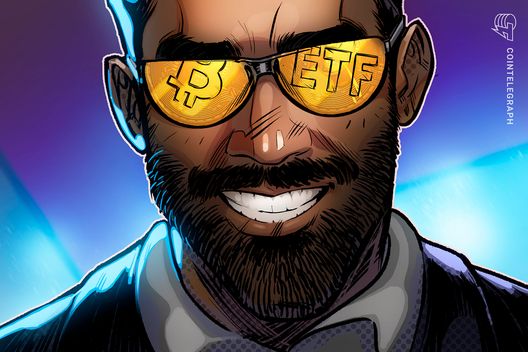
Bitcoin's sustained rally above $70,000 is bringing spot ETF holders closer to their breakeven point, suggesting a potential resumption of the bull market as buying pressure increases. On-chain data indicates a shift towards accumulation, with ETF flows turning positive and exchange volume deltas showing increased buyer activity, reinforcing bullish momentum. The reclaim of the 100-day EMA, a key trend filter, above the ETF breakeven level would signal a sustained uptrend and could lead to further upside gains for Bitcoin. Short-term holder metrics like SOPR moving above 1 suggest that weak hands have been flushed out, potentially clearing the path for continued price appreciation.
Shibariumscan's indexing progress to 45% indicates ongoing technical recovery, suggesting improved data reliability for the Shiba Inu ecosystem. The inclusion of SHIB in T. Rowe Price's proposed digital asset ETF filing signals growing institutional interest, potentially broadening adoption pathways. While network restoration is underway, the incomplete indexing on Shibariumscan means current on-chain metrics may not be fully representative, requiring continued monitoring. The dual focus on Shibarium's technical recovery and potential ETF inclusion creates a mixed sentiment, with progress on infrastructure potentially offset by broader market factors and the incomplete explorer data.
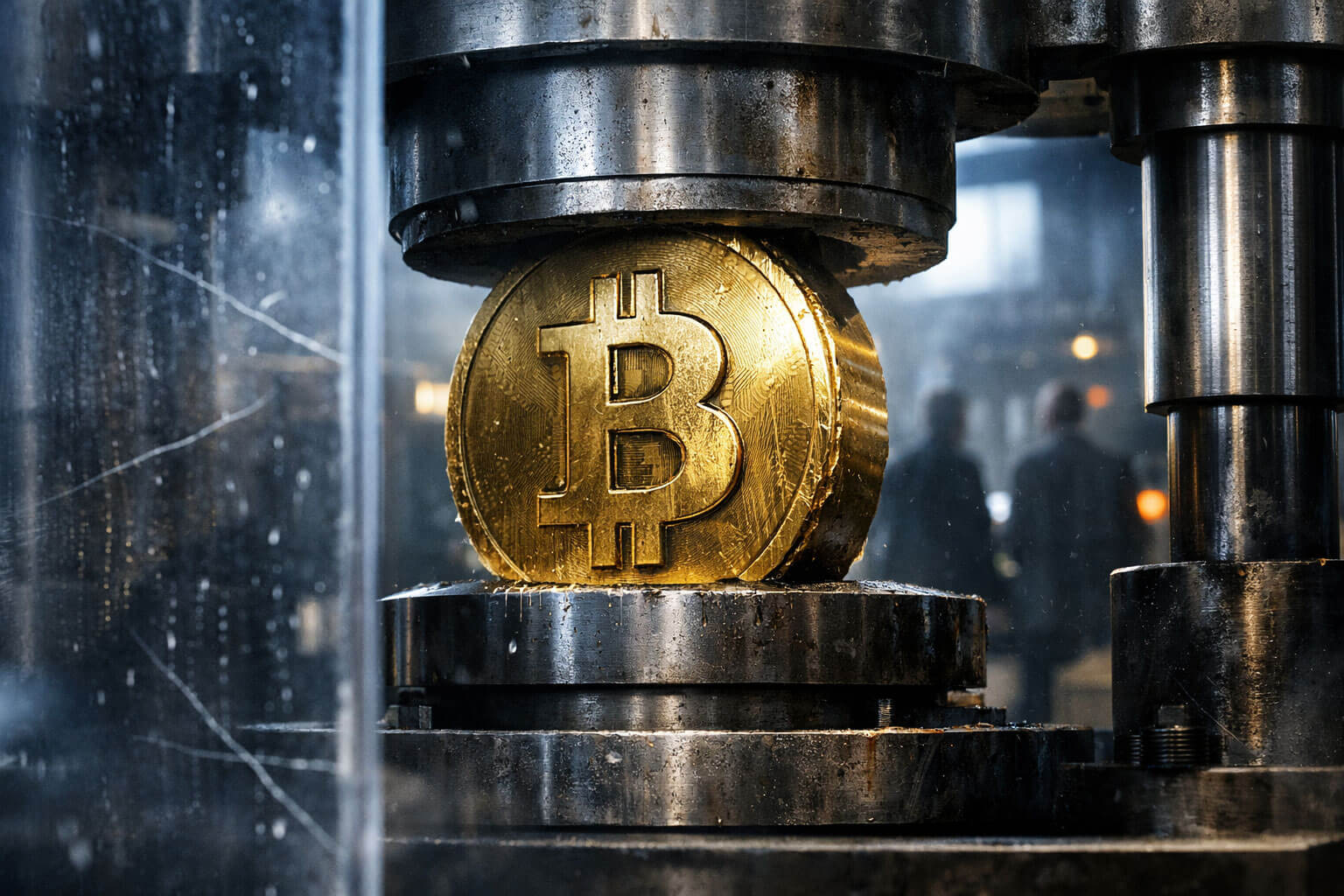
Bitcoin faces its first significant recession-era test as an institutional asset, with Moody's recession odds at a critical 48.6% 'point of no return' signal. The market will assess whether Bitcoin acts as a risk-off asset correlating with traditional markets or as a resilient alternative during a prolonged economic slowdown. Elevated oil prices combined with slowing growth create a stagflationary risk, potentially pressuring Bitcoin if it behaves as a liquidity-sensitive asset. Continued institutional inflows into Bitcoin despite rising recession odds suggest a potential shift in its market narrative towards a macro hedge or policy hedge.
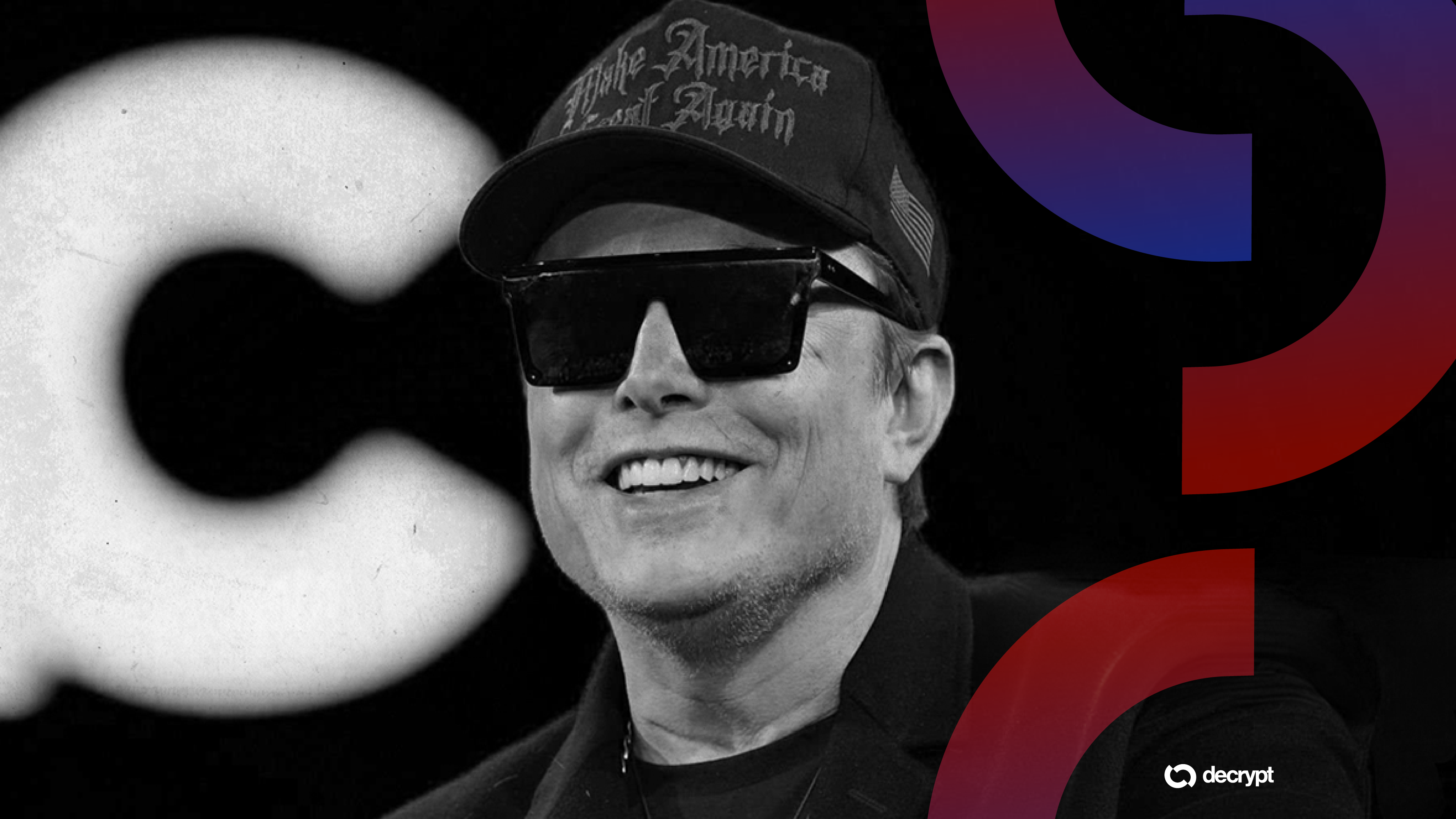
Senator Warren's inquiry into Pentagon granting classified access to Elon Musk's Grok AI highlights significant security concerns and potential risks to sensitive military information, suggesting a regulatory and oversight challenge for AI integration in defense. The Pentagon's decision to proceed with Grok access despite NSA warnings and a history of problematic AI outputs, including child exploitation material and antisemitic content, indicates a potential shift in risk tolerance for AI deployment in critical national security systems. The lawsuit against xAI for generating child sexual abuse material and the prior DOGE employee data leak raise serious questions about xAI's data handling and safety protocols, potentially impacting investor confidence and future partnerships, especially in sensitive government contracts. The Pentagon's replacement of Anthropic with xAI and OpenAI for classified systems, driven by Anthropic's refusal to comply with 'all lawful purposes' demands, suggests a strategic pivot towards AI providers with fewer ethical boundaries, potentially creating a new dynamic in defense AI procurement.

Tether's launch of an AI training framework for consumer hardware, including smartphones and non-Nvidia GPUs, democratizes AI development by lowering cost and accessibility barriers. The framework's ability to run large language models on limited hardware signals a potential shift in AI infrastructure, reducing reliance on centralized cloud services. This development aligns with a broader trend of crypto companies expanding into AI and high-performance computing, potentially creating new revenue streams and use cases beyond traditional blockchain functions.
Solana's weekly chart displays a rare macro bottom pattern, historically preceding significant rallies of over 140%, suggesting potential for a substantial upward price movement if confirmed. The price action indicates Solana is holding key support around the mid-$80s and approaching resistance at $125, with a break above this level being crucial for validating the potential bottom pattern and initiating a new uptrend. While technical indicators like RSI show recovery from oversold conditions, they remain below mid-range, signaling that momentum has not fully shifted, thus requiring further confirmation of strength before a decisive bullish outlook. The reappearance of bottom candle clusters, previously seen before major Solana rallies in 2023 and 2025, presents a compelling technical setup that traders will closely monitor for signs of a trend reversal and potential buying opportunities.

OpenAI's release of GPT-5.4 Mini and Nano introduces more cost-effective and faster AI models, which could significantly lower the barrier to entry for developers and businesses needing high-volume AI workloads. The introduction of smaller, specialized AI models allows for hybrid systems where flagship models plan tasks and smaller models execute them, potentially optimizing performance and cost for a wider range of applications. While trading some accuracy for speed and cost, these new models demonstrate competitive performance on specific benchmarks like SWE-Bench Pro and OSWorld-Verified, indicating their practical utility for tasks such as coding assistance and workflow automation.

Mastercard's $1.8 billion acquisition of BVNK signals a strategic pivot towards integrating stablecoins as core global settlement rails, moving them beyond niche use cases. The deal validates the growing institutional view that stablecoins complement, rather than compete with, existing payment networks like Mastercard's, potentially accelerating their adoption for cross-border and B2B transactions. While the near-term financial impact is modest, this acquisition positions Mastercard as a leader in the evolving digital asset payment landscape, anticipating significant future growth in stablecoin transaction volumes.
Bitcoin's price action above $70,000 has triggered a shift in derivatives markets, with perpetual futures funding rates turning positive and long positions now dominating, indicating increased trader bullishness ahead of the Fed decision. While short-term holders show moderate gains and potential for profit-taking (30-day MVRV at +7.1%), long-term holders remain in a strong position (365-day MVRV at +22.1%), suggesting the broader market cycle has room for further development. Significant whale accumulation of over 40,000 BTC in the past week, coupled with positive volume trends on major exchanges, provides underlying support for Bitcoin's current recovery, despite some inflows indicating potential selling pressure near resistance. The market is closely watching Bitcoin's reaction to the $75,000-$76,000 resistance zone, as a failure to break through could lead to a pause or pullback, especially if futures conviction does not keep pace with spot demand.
Signal context only. Validate with price action, liquidity, and risk limits before taking a position.
