
Navigating Crypto News

CoinFeather
Navigating Crypto News
Quick market read from this story
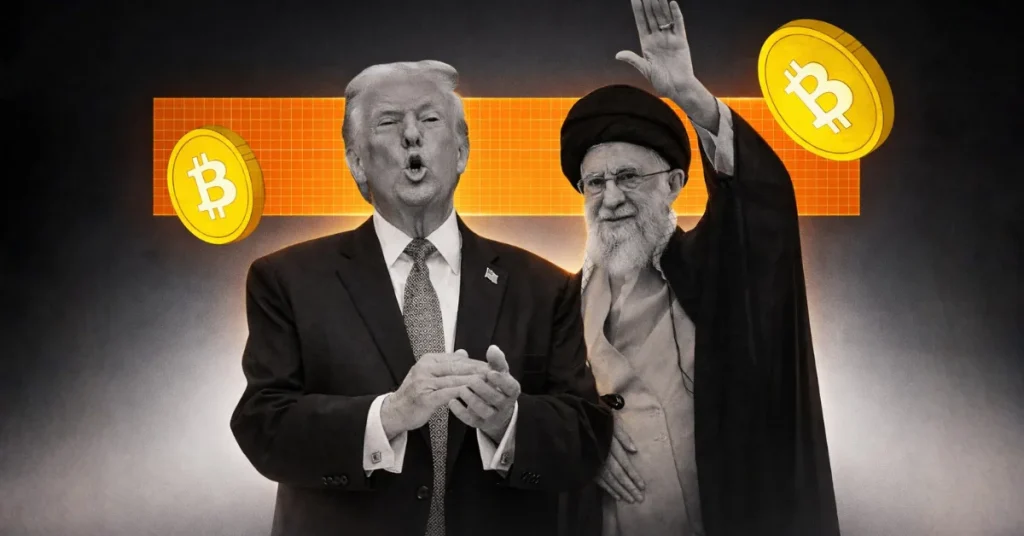
Geopolitical de-escalation news, including a US proposal for a truce with Iran and potential sanctions relief, has correlated with Bitcoin's rebound above $70,000, suggesting a flight to risk-on assets as immediate conflict fears subside.
The market reaction to the geopolitical developments shows a clear inverse correlation with oil prices, which have dropped significantly, while gold has seen gains, indicating a shift in investor sentiment away from safe-haven assets and towards riskier assets like Bitcoin.
Despite the positive price action for Bitcoin, Iran's denial of direct negotiations with the US introduces lingering uncertainty, which could lead to continued volatility in both crypto and traditional markets in the short term.
The proposed US plan involving sanctions relief and nuclear program restrictions for Iran, if successful, could have broader implications for global markets by reducing geopolitical risk premiums and potentially freeing up capital for investment in riskier assets.
Deep Dive
The United States has put forth a 15-point peace plan to Iran, aiming to de-escalate prevailing tensions. Facilitated by Pakistan's Chief of Army Staff, Field Marshal Syed Asim Munir, the proposal includes the lifting of all active sanctions on Iran without re-imposition. Additionally, the West suggests Iran freeze its nuclear program, restrict it to defensive purposes, and decommission key facilities like Natanz, Isfahan, and Fordow. Iran would be permitted to retain a limited amount of enriched uranium under IAEA supervision, with a plan to transfer it later, and halt further enrichment development.
Following the news of the peace initiative, financial markets experienced significant shifts. WTI crude oil prices dropped by 5.31% to $87.45 per barrel, and Brent crude fell by 6.08% to $98.03. Conversely, gold prices saw a 2.53% increase, trading at $4,586.14. Bitcoin (BTC) also reacted positively, reclaiming the $70,000 mark and trading at $70,563.40, a 0.2% increase in 24 hours.
Despite the US peace proposal, Iran has denied any ongoing negotiations with the United States. The country has communicated to the International Maritime Organization that non-hostile vessels can transit the Strait of Hormuz. However, Iran continues its missile retaliation against the US and its proxies. This conflicting information has reintroduced uncertainty into the market, suggesting that cryptocurrencies and traditional markets could face continued volatility.
The US-proposed plan outlines several key points for Iran:
Source, catalyst, and sector overlap from the latest feed.
Franklin Templeton's research comparing XRP to Bitcoin and Ethereum institutional adoption, coupled with the launch of the XRPZ ETF, signals increasing institutional confidence and potential for broader adoption beyond speculative trading. The SEC and CFTC classifying XRP as a commodity provides regulatory clarity, which is crucial for custodians and institutional players, potentially reducing friction for future investment and integration. While analysts note short-term price resistance, the combination of growing network adoption, ETF accessibility, and regulatory clarity suggests a positive long-term outlook for XRP, contingent on breaking key resistance levels. XRP's utility in cross-border payments is highlighted as a core driver for its adoption, linking its market value directly to its functional use case rather than solely speculative interest.
The leaked CLARITY Act draft, proposing a ban on passive stablecoin yields, directly threatens Circle's primary revenue stream derived from USDC reserves, leading to a significant market value drop. While the draft allows for activity-based rewards, the potential ban on interest-like returns could stifle stablecoin growth and adoption, impacting their utility as store-of-value assets. The market reaction, evidenced by Circle's 20% stock crash and Coinbase's 11% decline, highlights the sensitivity of crypto-related equities to regulatory developments impacting core stablecoin business models. With legislative markup expected in late April, the market will closely monitor the final version of the CLARITY Act, as it could reshape the stablecoin landscape and associated revenue opportunities.
Institutional accumulation of BTC during periods of market fear signals underlying strength and potential bottom formation, contrasting with retail investor hesitancy. The presale of Pepeto, backed by a co-founder of a previous $11 billion project, presents a high-risk, high-reward opportunity targeting significant multiples based on its utility and upcoming exchange listing. While Strategy's continued BTC accumulation provides a bullish signal for the market leader, the focus shifts to early-stage presales like Pepeto for potentially outsized returns, albeit with substantially higher risk.
Delaware's introduction of the Payment Stablecoin Act signals a strategic move to attract crypto businesses by providing regulatory clarity, potentially positioning the state as a US crypto hub. The bill's requirements for 1:1 reserve backing and monthly audits aim to enhance stablecoin legitimacy and institutional investor confidence, contrasting with potential federal headwinds that could reduce yield incentives. This state-level regulatory initiative, mirroring Florida's efforts, highlights a growing trend of jurisdictions seeking to capitalize on the crypto economy, creating a complex regulatory landscape for stablecoin issuers.
The CFTC's establishment of an Innovation Task Force signals a proactive regulatory approach to emerging financial technologies, including blockchain and AI, which could lead to clearer guidelines and potentially increased institutional adoption if regulations are favorable. While the task force aims to foster innovation, community reactions highlight concerns about regulatory delays and the need for actionable policies, suggesting potential friction between regulatory bodies and the crypto ecosystem. The focus on crypto, AI, and prediction markets indicates a broadening regulatory scope beyond traditional finance, potentially impacting the development and trading of assets within these interconnected sectors.
Cardano's average holder is experiencing a significant unrealized loss of 43%, a level historically associated with the 'opportunity zone' that has preceded substantial rallies. Derivatives traders are exhibiting extreme bearish sentiment, with ADA's funding rate at its most negative in nearly three years, suggesting a potential for a short squeeze. The simultaneous occurrence of deeply underwater holders and aggressive short positioning in derivatives mirrors a past setup in mid-2023 that preceded a 300% price surge for ADA. Despite historical contrarian signals, current macroeconomic headwinds and a lack of strong ecosystem growth for Cardano temper immediate upside expectations, making positioning the primary driver.
XRP is consolidating in a tight range between $1.38 and $1.42, indicating a potential breakout is building as price compression intensifies. Accumulation by whale wallets suggests underlying interest despite the current lack of directional momentum, potentially setting the stage for a significant price move. Traders are closely monitoring the $1.42 resistance and $1.38 support levels, as a decisive break in either direction will likely dictate XRP's near-term price trajectory towards $1.50 or $1.30.
Ethereum developers are proactively addressing the long-term threat of quantum computing by forming a dedicated team and planning protocol-level solutions by 2029. The implementation of quantum-resistant cryptography, specifically SNARK-based signatures, is a complex undertaking that requires years of coordination and formal verification to avoid network disruption. While the quantum threat is not immediate, the proactive development of quantum-safe solutions by the Ethereum Foundation signals a commitment to network security and long-term viability, potentially influencing investor confidence. The focus on securing standard Ethereum wallets first highlights the team's strategy to protect the largest pools of value, with subsequent efforts targeting operational wallets on exchanges and bridges.
Dogecoin is consolidating below key resistance levels, with a potential 'zero removal' above $0.10 contingent on breaking the 50 EMA and sustained volume, signaling a shift from distribution to accumulation if successful. Ethereum is showing early signs of recovery with higher lows and attempts to reclaim short-term moving averages, suggesting a base-building phase and a potential mean reversion after a prolonged downtrend. Shiba Inu is testing its 50 EMA resistance, with a decisive break and hold above this level potentially triggering a rapid momentum shift and short-term trend reversal, though the setup remains fragile.
Live Feed
Loading the broader stream in the same flow as the homepage feed.

Retail traders are experiencing significantly deeper median losses on prediction markets compared to sportsbooks, indicating a structural disadvantage against more sophisticated participants. Prediction markets are attracting a younger demographic than traditional sports betting platforms, potentially capturing future market participants before they engage with established online gambling operators. While gaming executives downplay the threat, the acquisition of younger users by prediction markets suggests a potential long-term shift in user engagement away from traditional sportsbooks.

Baltimore's lawsuit against xAI over Grok's deepfake generation tests the boundaries of AI regulation in the absence of federal law, potentially setting a precedent for AI accountability. The case hinges on whether AI systems are viewed as active creators or passive tools, which could significantly impact liability for AI companies like xAI. The lawsuit highlights the growing global scrutiny of AI image generation tools and their potential for misuse, particularly concerning non-consensual sexualized content and child exploitation. While settlement is likely, a court ruling could establish new legal frameworks for AI companies regarding consumer protection and public harm doctrines.

Ripple's participation in Singapore's central bank sandbox for stablecoin-powered trade finance demonstrates a strategic move towards institutional adoption and regulatory validation for RLUSD. The pilot with Unloq, focusing on automated cross-border payments triggered by verified shipment conditions, highlights a practical, compliance-driven use case for stablecoins beyond speculative trading. This development signals MAS's confidence in Ripple's RLUSD on XRP Ledger infrastructure for regulated experimentation, potentially enhancing Ripple's enterprise pipeline and the credibility of its stablecoin.

Pharma firm Enlivex secured $21M in debt financing to acquire a substantial amount of RAIN tokens, signaling a strategic move to bolster its treasury with digital assets from a growing prediction market platform. The acquisition of RAIN tokens at a significant discount, coupled with an extended option to purchase more, suggests Enlivex is positioning itself to benefit from the projected growth in the prediction market sector. While Enlivex's stock and RAIN token showed minimal price movement post-announcement, the substantial capital raise and token acquisition could serve as a longer-term catalyst for both entities if the prediction market trend continues.
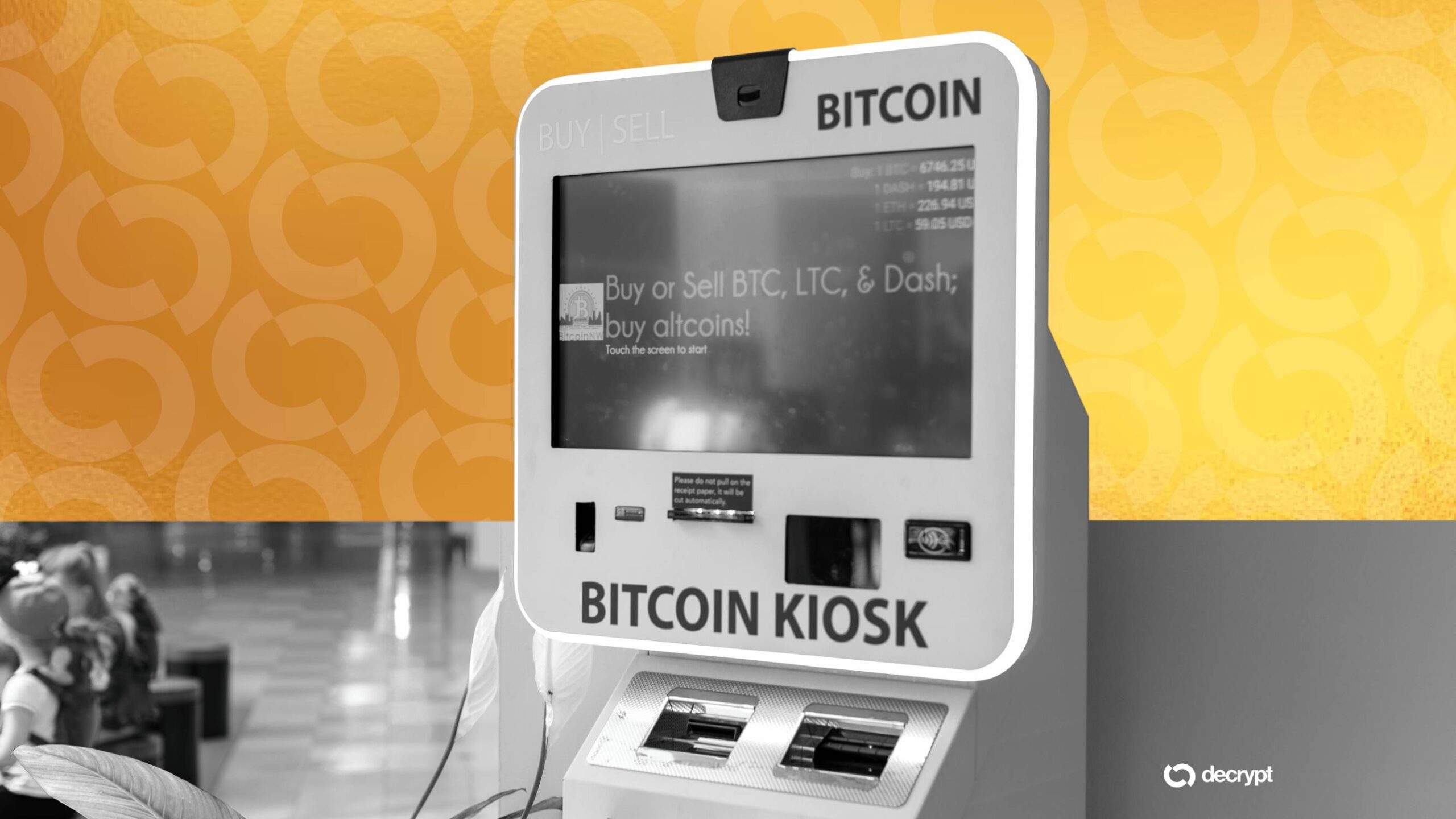
Bitcoin Depot's CEO resignation and leadership change signal significant internal challenges and a strategic pivot towards diversification, driven by increasing regulatory pressure on its core ATM business. The company's warning of a 30-40% revenue decline in its core kiosk business, coupled with executive turnover, indicates a substantial negative outlook for its current operational model. The appointment of Alex Holmes, with his background in payments and regulatory compliance, suggests a concerted effort to navigate and improve the company's standing within a tightening regulatory environment. Share price decline of over 14% reflects market reaction to the leadership instability and the acknowledged revenue headwinds, suggesting potential for further downside if regulatory and operational improvements are not swiftly realized.

Robinhood's $1.5 billion share buyback signals management confidence in undervaluation, potentially supporting HOOD's stock price despite recent downturns. The company's commitment to its Layer-2 network and RWA tokenization, evidenced by the upcoming mainnet launch, suggests continued strategic investment in crypto infrastructure. Despite a significant year-to-date stock decline, the buyback authorization and a strengthened credit facility indicate a focus on shareholder value and financial stability.

OpenAI's decision to discontinue its Sora video app after only six months signals a strategic pivot away from consumer-facing video products, potentially impacting the broader AI development landscape. The cancellation of a $1 billion Disney deal alongside the Sora shutdown indicates a significant shift in OpenAI's business strategy, moving focus towards enterprise productivity tools and robotics. Concerns over deepfakes and the rapid proliferation of realistic AI-generated content may have contributed to the early termination of Sora, highlighting regulatory and ethical challenges in AI development.
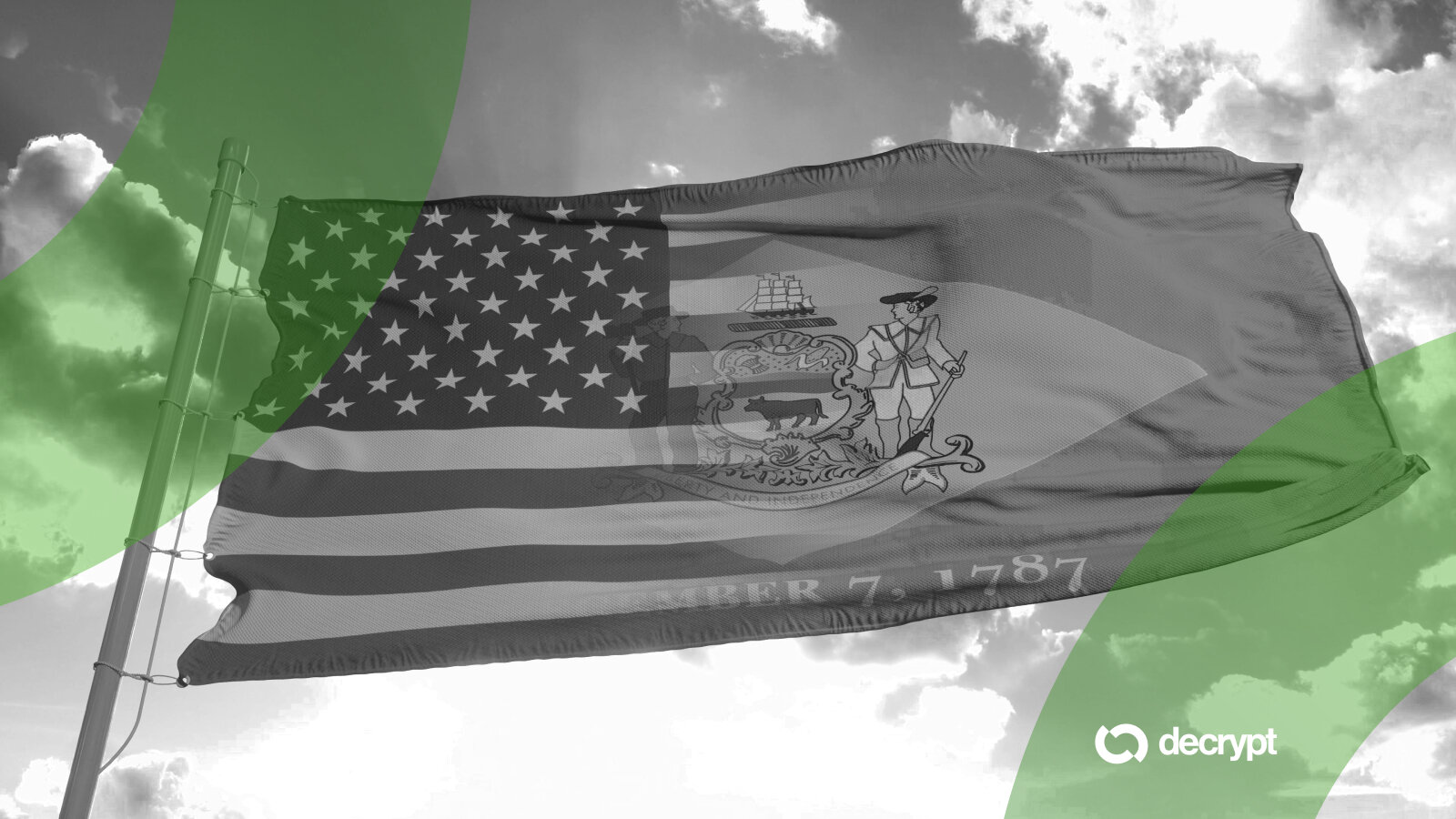
Delaware's introduction of a state regulatory framework for stablecoin issuers, aligning with the federal GENIUS Act, positions the state as a competitive jurisdiction for digital asset firms. The proposed legislation mandates licensing, reserve, redemption, and reporting requirements for stablecoin issuers, aiming to enhance consumer protection and regulatory clarity. This move by Delaware could attract significant stablecoin issuance activity, potentially influencing the growth trajectory of the multi-billion dollar stablecoin market. By establishing a clear state-level oversight mechanism, Delaware aims to leverage its corporate law expertise to become a preferred domicile for stablecoin companies seeking regulatory certainty.

NASA's strategic pivot to a permanent lunar base, pausing the Gateway, signals a long-term commitment to space infrastructure development that could eventually influence future deep-space mission economics. The substantial $20 billion investment over seven years for lunar surface infrastructure highlights a significant, albeit indirect, potential catalyst for companies involved in space technology, robotics, and materials science. Reprioritizing surface operations over orbital infrastructure for Artemis missions suggests a shift in near-term resource allocation, potentially impacting timelines for specific space hardware development and deployment.
OpenAI's decision to shut down its Sora video app and API, despite its advanced capabilities, signals a strategic pivot away from direct consumer-facing generative video products. The discontinuation of Sora directly impacts a reported $1 billion Disney investment, highlighting the financial and strategic risks associated with nascent AI technologies and their integration into major entertainment deals. The closure of Sora, reportedly costing $15 million daily, suggests a re-evaluation of resource allocation within OpenAI, potentially shifting focus to core AI research or enterprise solutions rather than standalone creative tools.
Rising US Treasury yields and increased inflation risk due to geopolitical tensions are pressuring Bitcoin, forcing a defensive market stance and a rush to cash. The probability of a Fed rate hike by July has surged, indicating a tighter monetary policy outlook that is likely to suppress risk assets like Bitcoin. Despite any favorable on-chain metrics, Bitcoin faces headwinds from macroeconomic factors, with a retest of $66,000 remaining a significant threat until inflation and war expenses subside. Investor sentiment has shifted towards risk aversion, evidenced by the sell-off in gold and Treasuries, suggesting a challenging environment for Bitcoin's bullish momentum.
Signal context only. Validate with price action, liquidity, and risk limits before taking a position.
