
Navigating Crypto News

CoinFeather
Navigating Crypto News

Quick market read from this story
Higher-than-expected inflation data and rising oil prices are pressuring Bitcoin and Ethereum, signaling potential headwinds for risk assets if interest rates remain elevated.
Geopolitical tensions and energy price shocks are creating a complex macro environment, potentially forcing the Fed to maintain a hawkish stance, which is generally bearish for crypto.
Despite recent price drops, the market has shown resilience in the past few weeks, but sustained high energy costs and inflation could challenge this trend.
Deep Dive
Bitcoin experienced a significant drop on Wednesday, falling from approximately $74,000 to around $71,135, a 5% decrease over the past day. This decline occurred alongside broader market movements in U.S. stock indexes and other major cryptocurrencies like Ethereum and Solana, which saw 7% and 6% drops respectively. The market is reacting to a hotter-than-expected inflation reading and heightened geopolitical tensions involving Iran.
The U.S. Producer Price Index (PPI) for the 12 months through February rose to 3.4%, exceeding economists' expectations of a 2.9% increase. This data suggests that rising wholesale prices could translate into higher consumer inflation. While the PPI data period did not fully capture the initial impact of the recent U.S.-Iran conflict, analysts believe elevated energy prices are a key driver of these producer price increases.
The conflict has also seen oil prices surge. Brent crude futures jumped over 5% to $109 following reports of attacks on Iran’s South Pars gas field, the world's largest. Former President Donald Trump intensified concerns by questioning the U.S. stance on Iran and urging allies to assist in securing the Strait of Hormuz, a vital global oil transit route. Trump also publicly pressed Federal Reserve Chair Jerome Powell on lowering interest rates, adding another layer of market uncertainty.
Despite these pressures, the Federal Reserve is widely expected to maintain its benchmark interest rate at the current target range of 3.5% to 3.75% during its upcoming policy announcement. Traders are increasingly anticipating that interest rates will remain unchanged for the rest of the year. However, if energy costs continue to rise significantly, analysts suggest the Fed might be compelled to keep rates higher for a longer duration, a scenario that could negatively impact riskier assets like cryptocurrencies.
Source, catalyst, and sector overlap from the latest feed.
Citigroup's downgrade of Gemini (GEMI) from Neutral to Sell, citing a prolonged path to profitability, directly impacts the exchange's valuation and investor sentiment. The downgrade, coupled with Citi's reduced price targets for BTC and ETH, suggests a cautious outlook on the broader crypto market's near-term prospects and potential for institutional adoption. Gemini's strategic cost-cutting measures, including international operational wind-downs and headcount reductions, highlight the pressure on crypto exchanges to achieve sustainable profitability amidst market volatility.
The launch of "The Crypto Castle" sitcom highlights a nostalgic view of Bitcoin's early days, contrasting its $250 price point in 2015 with its current market position. The series explores the evolution of crypto culture from a subculture focused on changing the world to one perceived as primarily driven by profit motives. This narrative framing suggests a potential market sentiment shift towards valuing foundational principles and community over pure financial speculation.
Canadian regulators are significantly increasing enforcement actions against crypto businesses for AML compliance failures, signaling a heightened risk environment for firms operating in the country. The revocation of 23 crypto firm registrations by FINTRAC indicates a proactive stance by Canadian authorities to combat money laundering and fraud, potentially impacting liquidity and operational continuity for affected entities. This aggressive regulatory approach, marked by a "significantly increased pace of action," suggests that other jurisdictions may follow suit, increasing compliance burdens and operational scrutiny for global crypto service providers.
Sustained Bitcoin ETF inflows totaling $1.16 billion over seven days indicate strong institutional demand, but experts caution this trend is 'episodic' without clear policy shifts. The upcoming FOMC meeting presents a critical juncture; a dovish tone could bolster Bitcoin's rally, while hawkishness may trigger short-term volatility, testing the market's resilience. Bitcoin's recent 14% surge, outperforming gold and the S&P 500 amidst geopolitical tensions, suggests a 'seller exhaustion' phase and institutional re-engagement, though its sensitivity to macro events is heightened.
The SEC and CFTC's joint guidance classifying most crypto assets as non-securities, excluding Bitcoin mining, staking, and airdrops, fundamentally alters the regulatory landscape in the US. This clarification is expected to reduce legal risk for projects and encourage innovation by providing a clearer path for token classification and broker offerings. The introduction of safe harbor frameworks for startups and entrepreneurs, alongside the potential for unregistered platforms to list non-security assets, signals a more accommodating regulatory environment for crypto businesses in the US. The explicit categorization of assets into digital commodities, collectibles, tools, stablecoins, and securities provides a much-needed framework, potentially unlocking new avenues for development and investment by reducing the ambiguity previously imposed by the Howey Test.
The SEC's classification of Solana as a digital commodity, alongside Bitcoin and Ethereum, removes significant regulatory uncertainty, potentially paving the way for increased institutional adoption and clearer market participation. With regulatory clarity established, Solana's price action shows strong accumulation at support levels, suggesting a potential upward trajectory towards the $100 psychological mark and beyond, driven by absorbed sell-side liquidity. This regulatory development provides a more defined framework for digital assets, distinguishing between commodities and securities, which could influence future investment strategies and the classification of other altcoins.
Bitcoin's correlation with the Nasdaq has fallen to its lowest point since 2018, suggesting a shift in market perception towards BTC as a geopolitical hedge rather than a tech-correlated risk asset. Significant institutional buying from Strategy and strong inflows into US spot Bitcoin ETFs, coupled with rising USDC liquidity potentially linked to Middle East demand, are creating demand pressure against a tightening Bitcoin supply. Despite positive demand signals, warnings from Arthur Hayes about a potential 'dead cat bounce' and negative Coinbase Premium Index data suggest underlying institutional demand may be weak, raising concerns about a potential price decline towards $51,000 if key support levels break. The divergence from tech stocks and increased demand as a geopolitical hedge presents a new narrative for Bitcoin, but conflicting analyst views and technical indicators create uncertainty regarding its near-term price direction.
The SEC's reclassification of major tokens like ETH, SOL, and ADA as 'digital commodities' fundamentally alters the US regulatory landscape, potentially reducing legal friction for these assets and their associated activities. This shift from 'regulation by enforcement' to a clearer commodity/security distinction, coupled with SEC-CFTC coordination, signals a move towards a more structured market, which could encourage greater onshore development and investment. The 'separation concept,' allowing tokens to exit securities status once issuer promises are fulfilled, provides crucial clarity for market participants, mitigating the long-standing fear of permanent securities classification based on initial sale terms. While this interpretation offers significant clarity, potential legal challenges and future regulatory shifts mean that uncertainty may persist in edge cases, requiring continued market observation.
Hot US PPI inflation data at 0.7% significantly exceeded expectations, signaling persistent price pressures and diminishing the likelihood of imminent Federal Reserve rate cuts. Bitcoin's price drop below $74,000 indicates a shift to risk-off sentiment, with the $74,000-$76,000 zone now acting as strong resistance. The elevated inflation outlook suggests that the Federal Reserve may need to consider further rate hikes, creating a challenging environment for risk assets like Bitcoin. The narrative of an easy path to $100,000 for Bitcoin is now invalidated by the resurgence of inflation concerns, implying a more complex and potentially volatile market ahead.
The Ethereum Foundation's new mandate document has sparked debate, with critics arguing it reinforces a hands-off approach despite the network's growing institutional interest and need for clearer leadership. The integration of World ID with Coinbase's x402 protocol signifies a crucial step towards verifying human identity for AI agent transactions, potentially unlocking new economic models for autonomous agents. The contrasting approaches of Visa and Coinbase towards AI agent transactions highlight a fundamental divergence in how traditional finance and crypto infrastructure are preparing for an agent-driven internet economy. AI agents are increasingly being utilized in prediction markets, such as Polystrat on Polymarket, demonstrating a new frontier for automated trading and insight aggregation.
Live Feed
Loading the broader stream in the same flow as the homepage feed.
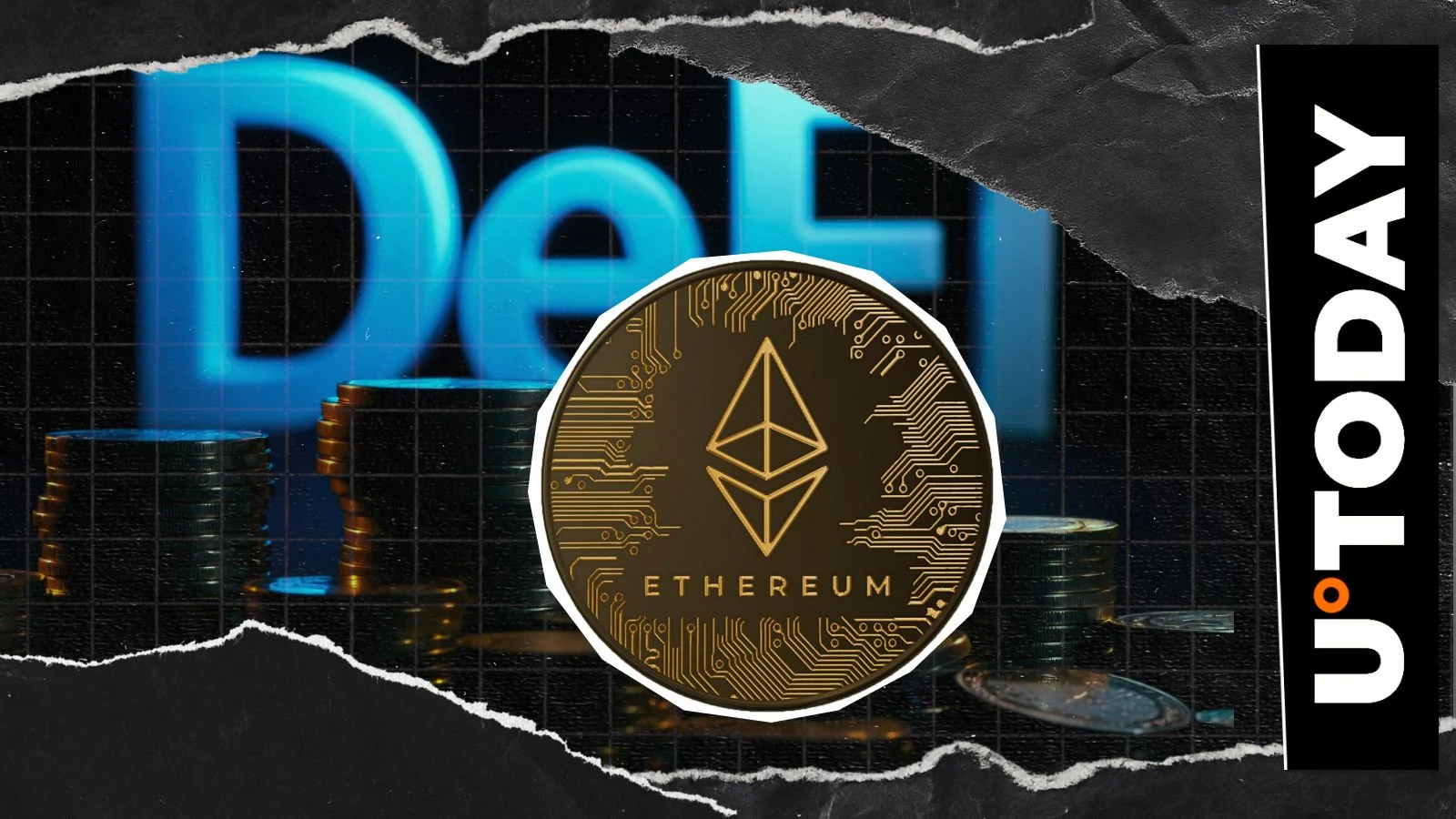
The Ethereum Foundation's continued deployment of significant ETH into Morpho Vaults signals increasing confidence in DeFi yield generation strategies by a major industry player. This move reinforces Morpho's position as a trusted DeFi protocol for institutional-grade treasury management, potentially attracting further capital. The allocation into Morpho Vaults V2 specifically indicates an intent to leverage upgraded infrastructure for enhanced capital efficiency and yield optimization.
The SEC's recent clarification that most crypto assets are not securities, alongside joint guidance with the CFTC, significantly reduces regulatory uncertainty, potentially boosting investor confidence and market participation. While the SEC issued a general investor alert regarding group chat advice, the core development is the regulatory clarity provided on crypto asset classification, shifting focus from enforcement to defined oversight. The improved social sentiment for XRP, SHIB, and DOGE, coupled with the new regulatory framework, suggests a potential near-term positive catalyst for these assets and the broader altcoin market.

The shift from price-driven gains to yield generation in crypto signals a maturing market, where investors are increasingly valuing sustainable income streams over speculative price action. The growing institutional interest in staking yield, evidenced by new ETF filings and bank charter applications, suggests a move towards more sophisticated financial products that can isolate and trade yield independently of principal. The development of crypto-native fixed-income markets, akin to traditional finance's strip bonds and floating-rate notes, is crucial for capturing yield opportunities and managing risk in a less speculative environment. While Bitcoin's use as collateral is inevitable, its inherent volatility and unique characteristics necessitate a reinterpretation of collateral concepts and robust risk management frameworks for institutional adoption.
Dogecoin's recent breach of the $0.10 level is characterized as a sentiment-driven event rather than a fundamental shift, with analysts cautioning against interpreting it as a sustainable rally trigger. The repeated failure to hold above $0.10 indicates a lack of buyer conviction, suggesting that this price point acts as indecision rather than a reliable support level. A sustained breakout above the 50-day exponential moving average (EMA) is identified as the critical technical hurdle for Dogecoin, with its current position below this indicator signaling a continuation of the bearish market structure. Traders should view rallies above $0.10 as noise within a larger downtrend until Dogecoin can reclaim and hold the 50 EMA, which historically marks a credible trend reversal signal.

Cardano's ADA has experienced a significant liquidation imbalance of 6,127% in the past hour, resulting in over $527,000 in long position liquidations, indicating strong bearish pressure. The sharp price decline has caused ADA to fall out of the top 10 cryptocurrencies by market capitalization, being overtaken by Hyperliquid, highlighting a loss of market standing. Despite the current bearish trend and overbought RSI signal, the potential for ADA to reclaim its top 10 position suggests a volatile but potentially reversible situation for traders watching the asset.
Bitcoin's current price action at $71,350, below critical $77K resistance, indicates a consolidation phase rather than a collapse, with the next significant move contingent on breaking this key level. Historically low consumer sentiment, as measured by the University of Michigan Consumer Sentiment Index, has preceded Bitcoin bottoms, suggesting that smart money may be accumulating while retail sentiment is low. The $77K level is identified as a crucial inflection point; a break above signals a bull continuation, while failure to do so suggests a potential shakeout, highlighting the immediate directional uncertainty for traders. While low sentiment historically favors gold and can precede Bitcoin bottoms, equities tend to rally before sentiment improves, implying that Bitcoin's price action may diverge from traditional markets in the short term.

Former Binance CEO CZ denies accusations of facilitating terrorism financing through Iran, stating there is no business benefit and that such transactions do not generate fees. CZ's defense against accusations of enabling terrorism financing in Iran highlights the lack of direct evidence and the dismissal of related civil lawsuits, suggesting a narrative pushback against negative press. The ongoing legal scrutiny and public statements from CZ regarding Binance's past alleged dealings with Iran underscore the persistent regulatory and compliance challenges faced by major crypto exchanges.
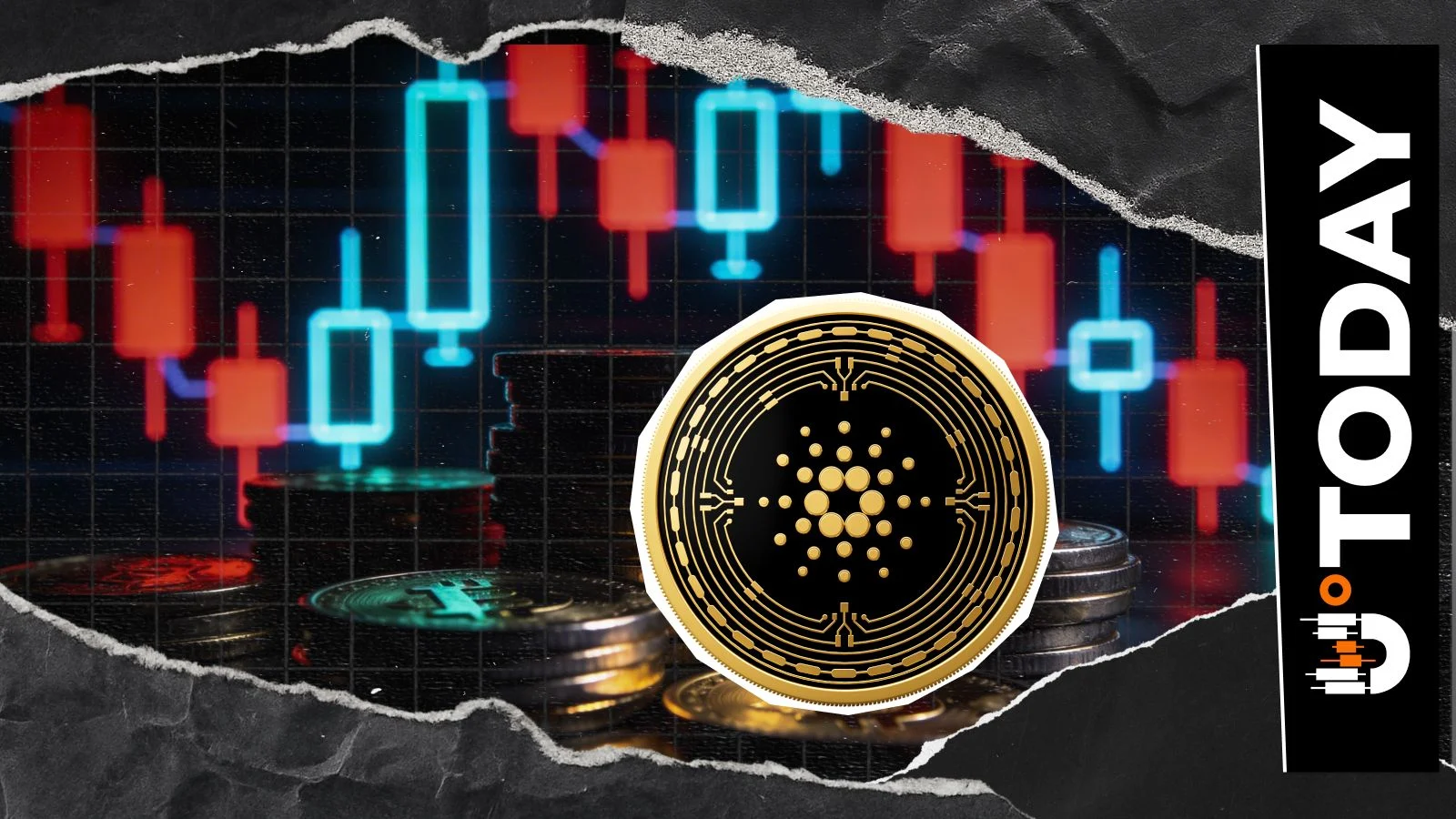
Cardano (ADA) has experienced a significant year-to-date decline of 12.9%, mirroring broader market weakness, but recent price action suggests potential for a short-term recovery. Technical indicators show ADA surpassing the 50-day moving average and nearing the end of a 45-day consolidation period, signaling a possible bullish breakout above $0.304. Analysts are observing potential reversal signals for Cardano, with a confirmed break above key resistance levels potentially leading to targets at $0.338 and $0.37.

American Bitcoin's significant BTC accumulation, now surpassing Galaxy Digital, signals a growing trend of corporate treasuries prioritizing direct Bitcoin holdings over other digital assets. The increasing BTC reserves held by Trump-affiliated entities, including American Bitcoin and Trump Media, could attract further political and market attention to Bitcoin's corporate adoption narrative. American Bitcoin's strategic focus on expanding mining capacity, rather than pivoting to AI infrastructure, indicates a continued belief in the profitability and long-term value of Bitcoin mining operations.
XRP's price surge to $1.50 is supported by a significant increase in XRP Ledger transaction volume, indicating potential institutional interest and network utility. Despite the price recovery, the bearish trend on major moving averages suggests that short-term upside may be limited, requiring further confirmation of a sustained uptrend. The high transaction count on the XRP Ledger, exceeding 3.133 million in 24 hours, signals robust network activity that could precede a broader price recovery if sustained.
Despite the launch of memecoin ETFs like TDOG, institutional investors remain hesitant due to the speculative nature and lack of clear valuation frameworks inherent in these assets. The expansion of memecoin ETFs, while indicative of regulatory progress, primarily caters to retail demand and has not translated into significant institutional capital inflows, which remain focused on Bitcoin. Memecoins face structural challenges for institutional adoption, including high volatility, social media sentiment dependence, and concentrated ownership, limiting their appeal compared to established cryptocurrencies.
The crypto market is experiencing a macro-driven correction, with Bitcoin and Ethereum prices falling alongside traditional risk assets like equities and gold, indicating a broader risk-off sentiment. Rising crude oil prices are contributing to inflationary pressures, which could pressure non-yielding assets like BTC and ETH as investors seek yield-generating instruments. While a pullback is occurring, the absence of excessive leverage or euphoria suggests this is not a classic bull trap, but rather a macro repricing event that could lead to further volatility. Key support levels for BTC ($70,000), ETH ($2,000), and XRP ($1.40) are crucial; a breakdown could extend the correction, while holding these levels might allow for a gradual recovery.
XRP long positions are surging on Binance, indicating strong trader conviction for a price rally above the $1.50 support level. Recent regulatory clarity, with XRP reclassified as a commodity by the SEC, alongside Ripple's expansion into Brazil and Mastercard's crypto program, provides a supportive fundamental backdrop for this bullish sentiment. The confluence of increased long-term trader accumulation and positive fundamental developments suggests potential for XRP to retest higher price targets, possibly towards the $2 mark.
Signal context only. Validate with price action, liquidity, and risk limits before taking a position.
