
Navigating Crypto News

CoinFeather
Navigating Crypto News

Quick market read from this story
Google's research highlights a potential quantum computing threat to current blockchain cryptography, specifically mentioning 'on-spend' attacks on Bitcoin's 10-minute block confirmation window.
Binance founder CZ downplays immediate panic, stating the crypto industry can adapt by transitioning to quantum-resistant algorithms, though acknowledges the significant challenge of decentralized implementation and upgrades.
The core market implication is a long-term security concern that necessitates proactive development and adoption of post-quantum cryptography, rather than an immediate threat to current market participants.
Deep Dive
Google Research has issued a warning regarding the potential threat of quantum computing to cryptocurrency encryption, suggesting that advanced quantum technology could compromise blockchain security in the future. The concern centers on the possibility of quantum computers enabling real-time “on-spend” attacks within the typical 10-minute block confirmation window of blockchains like Bitcoin. However, Binance founder Changpeng Zhao (CZ) has downplayed immediate panic, stating that the cryptocurrency industry can adapt by transitioning to quantum-resistant algorithms.
Google's research highlights that many blockchains rely on the 256-bit elliptic curve discrete logarithm problem for transaction and wallet security. Recent advancements in quantum computing suggest that fewer qubits might be needed to crack this type of cryptography than previously thought. Researchers indicated that an attacker could potentially exploit this to target transactions as they are being processed, not just older, dormant wallets. The white paper suggests that with further advancements, quantum machines could complete such attacks in a matter of minutes, a significantly shorter timeline than widely assumed.
In response to these concerns, CZ stated that the crypto industry simply needs to upgrade to Quantum-Resistant (Post-Quantum) Algorithms, advising against panic. He acknowledged, however, that implementing these upgrades in a decentralized environment presents significant challenges. These include potential disagreements within the industry on which cryptographic methods to adopt, leading to fragmented development. Furthermore, the transition process itself could introduce bugs in new wallet software or code, and users might need to move their funds to new, upgraded wallets to ensure security.
CZ also pointed out that inactive wallets, including those potentially belonging to early adopters like Satoshi Nakamoto, could become vulnerable if quantum attacks become practical. Despite these challenges, CZ expressed confidence in the long-term resilience of cryptocurrency, stating, “Fundamentally: It’s always easier to encrypt than decrypt. More computing power is always good. Crypto will stay, post quantum.” His message to the community emphasizes that while hurdles exist, the ongoing evolution of encryption and hacking is a familiar dynamic for the crypto space, with the primary challenge being industry-wide consensus on the path forward.
Source, catalyst, and sector overlap from the latest feed.
Plume's new tokenized payroll system, integrating WisdomTree Prime and Toku, signifies a significant expansion of Real-World Asset (RWA) tokenization into payroll and taxation services. The development allows users to receive portions of their salary as investments in money market funds, directly bridging traditional finance with digital asset investment opportunities. WisdomTree's involvement highlights the growing trend of established financial institutions leveraging blockchain infrastructure for innovative financial products, with its operations on the Avalanche network. Toku's role in ensuring tax compliance for this tokenized payroll system demonstrates the increasing need for regulatory solutions within the expanding RWA ecosystem.
The proposed Ethereum Economic Zone (EEZ) framework aims to solve L2 fragmentation by enabling direct cross-rollup interoperability and shared liquidity, potentially improving user experience and capital efficiency across the Ethereum ecosystem. While the EEZ addresses a critical issue of over 20 L2s holding $40B in value but being fragmented, its success hinges on adoption by infrastructure providers and DeFi protocols, suggesting a 'WATCHLIST' approach for its development. The development of the EEZ highlights ongoing debates about Ethereum's scaling strategy and potential weaknesses in current L2 designs, such as centralized sequencers and trusted bridges, indicating a need for protocol evolution.
Sam Bankman-Fried's motion for Judge Kaplan's recusal introduces procedural uncertainty into the FTX legal proceedings, potentially delaying any resolution on his retrial request. The judge's scrutiny of SBF's filing procedures and the involvement of his mother raises questions about the validity of the new evidence presented for a retrial, suggesting a low probability of success for the motion. This legal maneuvering by SBF, while unlikely to alter the fundamental outcome of his conviction, serves as a distraction and highlights ongoing legal complexities surrounding the FTX collapse.
Google's updated research suggests quantum computers could break Bitcoin's encryption in as little as 9 minutes, significantly reducing the previously estimated timeline and highlighting an urgent need for post-quantum cryptography adoption. While Google indicates no immediate threat and notes Bitcoin's current resilience, the potential for quantum attacks by 2029 necessitates proactive development and implementation of quantum-resistant solutions by crypto projects. The report specifically flags dormant wallets as potentially vulnerable, raising concerns about the recovery or confiscation of lost assets and underscoring the importance of upgrading security for older addresses. Google's call to action for developers to implement post-quantum cryptography (PQC) is a critical signal for the entire blockchain ecosystem, particularly for Proof-of-Stake networks and the tokenization industry.
Ripple's monthly RLUSD attestation enhances transparency and trust, potentially driving further adoption for its stablecoin in institutional use cases. The XRPL upgrade introducing confidential MPTs addresses privacy concerns, making the ledger more appealing for regulated financial applications and institutional capital. The expanded Hyperliquid integration for Ripple Prime traders offers access to traditional asset derivatives on-chain, bridging TradFi and DeFi for institutional participants. These combined developments signal Ripple's strategic focus on enhancing its stablecoin utility, improving XRPL's institutional appeal through privacy features, and expanding its derivatives trading offerings.
Significant XRP supply compression, with 7 billion tokens leaving exchanges, suggests a tightening sell-side that historically precedes price appreciation. Divergent flows show spot buyers accumulating XRP while perpetual traders build short positions, creating a setup ripe for a short squeeze if price breaks key resistance levels. Despite bullish supply and derivatives signals, XRP remains technically bearish, trading below major moving averages, making a Bitcoin-driven catalyst crucial for initiating a potential upward move. The high correlation (0.87) with Bitcoin indicates XRP's price action is heavily dependent on BTC's performance, with external factors like geopolitical events influencing Bitcoin's direction and, consequently, XRP's potential breakout.
The CLARITY Act's potential to classify XRP as a digital commodity under U.S. law could permanently resolve legal ambiguity, paving the way for increased institutional adoption and capital inflows. A clear regulatory framework for stablecoins and digital assets, as proposed by the CLARITY Act, is expected to foster greater integration with traditional finance and encourage broader adoption of XRP in payments and settlements. The U.S. establishing clear digital asset regulations through the CLARITY Act could set a global standard, influencing international regulatory approaches and accelerating worldwide adoption of assets like XRP.
Bitget Wallet's integration of XRP Ledger enhances its payment capabilities, leveraging XRPL's low-cost, near-instant transaction features to drive broader adoption of crypto payments. The partnership signals a strategic move by Bitget Wallet to expand its global payment solutions, potentially increasing transaction volume and user engagement on both platforms. XRPL's focus on payments and Bitget Wallet's planned features like crypto cards and QR payments suggest a push towards mainstream utility for digital assets in everyday transactions.
Bitcoin transaction fees have fallen below $0.40, reaching historic lows not seen since 2017, indicating improved network efficiency despite sustained activity. The reduction in fees, attributed to inscriptions and better block space management, suggests a more cost-effective environment for Bitcoin users, potentially encouraging greater on-chain utilization. Despite low fees, Bitcoin price action remains volatile with significant sell walls around $69K, suggesting that short-term price movements are more influenced by whale activity and market sentiment than network cost efficiency. Persistently low transaction fees could pose a long-term concern for miner incentives as block rewards diminish, potentially impacting the network's security model if not offset by other revenue streams.
Live Feed
Loading the broader stream in the same flow as the homepage feed.

Australia's passage of its first crypto law mandates exchanges and custodians to obtain AFSL licenses, integrating digital asset platforms into the traditional financial regulatory framework. The new regulation aims to enhance consumer protection and reduce risks from exchange failures by aligning crypto businesses with established financial rules and providing oversight by the Australian Securities and Investments Commission. This regulatory clarity in Australia could foster greater industry trust and potentially encourage institutional adoption, though it imposes compliance burdens on existing crypto businesses.

MicroStrategy's STRC preferred stock maintained its 11.5% dividend rate, marking the first time it has not increased since launch, indicating a stabilization in its yield strategy. The steady dividend rate on STRC, coupled with its price stabilizing near $100 par, positions it as a yield-focused savings alternative, potentially attracting capital seeking stable, high-yield options. The success of Strive's SATA product reaching par and enabling further Bitcoin purchases highlights a growing trend of treasury asset managers utilizing preferred stock to fund digital asset accumulation.
The proposed CLARITY Act, if enacted, could classify XRP as a commodity, removing significant regulatory uncertainty and potentially unlocking substantial institutional capital for broader adoption. Formal classification under the CLARITY Act would provide XRP with a clear legal framework, enabling developers and institutions to build structured markets with reduced legal risk. Evernorth's planned deployment of 473 million XRP into on-ledger markets and launch of native XRP lending could inject significant liquidity and demonstrate the utility of XRP within DeFi ecosystems. Regulatory clarity for XRP could set a global precedent, influencing the development of tokenized capital markets worldwide and expanding XRP's reach beyond current limitations.

Australia's new digital asset framework mandates financial services licenses for crypto exchanges and custody platforms, signaling a move towards greater regulatory oversight and potentially increasing operational costs for businesses operating in the country. The legislation targets companies holding customer assets, aiming to mitigate risks like commingling and insolvency, which could enhance investor confidence and attract institutional capital by providing a clearer, more secure operating environment. This regulatory development is expected to foster significant growth in Australia's digital finance sector, with estimates suggesting a potential increase from A$1 billion to A$24 billion annually, indicating a positive outlook for compliant digital asset businesses.
The Fusaka Hard Fork upgrade for Ethereum enhances scalability and transaction speed, aligning with Bitcoin Suisse's $7,000-$9,000 ETH price targets for 2026, contingent on regulatory clarity from the CLARITY Act. While ETH's long-term outlook is positive due to infrastructure improvements, the article highlights a presale for 'Pepeto' as a potential source of faster, higher returns compared to ETH's projected 3.6x growth over months. Pepeto's presale has attracted over $8 million, driven by features like zero-fee trading, a risk scorer, and a free cross-chain bridge, with a 190% APY staking reward and a structured listing timeline suggesting potential for significant gains post-Binance listing.

Malta's opposition to EU crypto centralization signals a potential regulatory fragmentation within Europe, which could lead crypto firms to seek more favorable jurisdictions. The stance highlights a conflict between national innovation-focused regulation and centralized EU oversight, potentially impacting the growth trajectory of crypto businesses operating within or looking to enter the EU market. This development suggests that regulatory arbitrage may continue to be a significant factor for crypto firms, influencing their operational bases and potentially impacting liquidity flows across different regions.
U.S. authorities have charged ten foreign nationals with crypto market manipulation, signaling increased regulatory scrutiny on illicit market-making activities. The indictment involves wash trading and pump-and-dump schemes, highlighting the risks associated with artificial inflation of token prices and the potential for significant investor losses. The seizure of over $1 million in digital assets and the arrests of key individuals demonstrate the tangible consequences of such schemes and the government's commitment to enforcement. This coordinated global operation, involving multiple firms and international cooperation, suggests a broader trend of targeted enforcement against market manipulation in the crypto space.
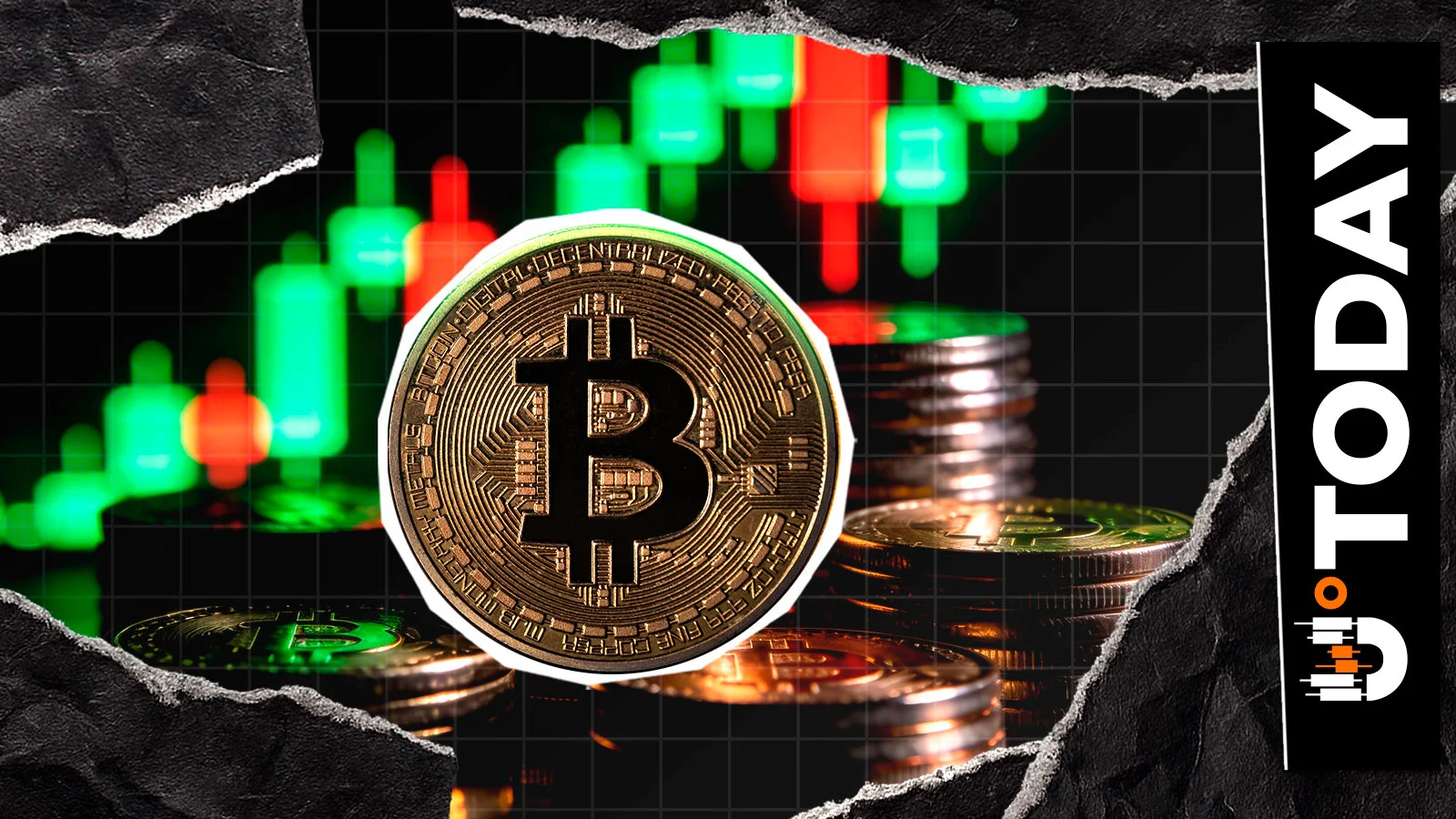
Bitcoin has broken a five-month losing streak with a marginal 1.84% gain in March, marking its first green monthly candle since September 2025. Despite the positive monthly close, Bitcoin experienced significant volatility within March, trading near $76,000 before dropping below $65,000, indicating underlying weakness and uncertainty. The current market sentiment remains cautious as the small green candle resembles a doji or spinning top, suggesting indecision and the need for further confirmation before a sustained bullish trend can be established.

The SEC and CFTC's joint classification of Shiba Inu as a digital commodity, alongside established assets like Bitcoin and Ethereum, signals a potentially broader regulatory approach to tokens with utility features, despite its meme coin origins. An analyst's questioning of Shiba Inu's commodity classification highlights the evolving and potentially ambiguous nature of current regulatory frameworks, suggesting that assets may not fit neatly into predefined categories. The inclusion of SHIB as a digital commodity, rather than a digital collectible, could imply a shift in how regulators perceive meme coins that develop ecosystems, staking, or other functional aspects, potentially impacting future classifications and market expectations.
Arizona's legislative approval of bills allowing state investment in cryptocurrencies and the creation of a digital asset fund signals increasing institutional acceptance and potential for new capital inflows into the crypto market. New Hampshire's plan for Bitcoin-backed municipal bonds, with a provisional Ba2 rating and no taxpayer risk, demonstrates innovative financial structuring that could pave the way for similar state-level initiatives and broaden Bitcoin's utility. These state-level regulatory advancements, particularly regarding public fund investment and bond issuance, suggest a growing trend of integrating digital assets into traditional financial frameworks, potentially influencing broader market sentiment and adoption.

Ethereum is consolidating above a critical $2,000 support level, with increasing buyer accumulation and fading selling pressure suggesting a potential breakout is building. Institutional accumulation, exemplified by Bitmine's $340 million ETH stake and staking, is reducing liquid supply and providing a supportive base for potential upside. A confirmed break above the $2,200 resistance zone could trigger a rapid ascent towards $2,600-$2,700 and potentially the $3,000 target, while failure to hold support risks a retreat to $1,900.
Cardano's transition to an execution-driven phase, marked by scalability upgrades and privacy features like Midnight, positions it to compete more effectively in DeFi and enterprise applications. Current on-chain metrics, including a negative MVRV ratio and steady development activity, suggest an accumulation phase for ADA, potentially preceding a significant price expansion. Price predictions for ADA range from $2.75-$5.00 by 2026 and up to $350 by 2050, contingent on sustained adoption, network growth, and favorable market conditions. Near-term price action for ADA is constrained by the $0.30-$0.35 resistance, with a decisive breakout needed to confirm a trend reversal and target higher zones.
Strategy's continued weekly Bitcoin accumulation signals sustained institutional conviction, potentially providing a foundational support for the broader market. The shift in investor preference towards direct revenue-generating tokens like HYPE, which has surpassed ADA in market cap, indicates a rotation away from research-focused chains towards more immediate utility. Pepeto's presale success, driven by its focus on verified tools and a Pepe co-founder's involvement, suggests a market appetite for utility-focused meme-adjacent projects with clear upcoming catalysts like a Binance listing. The article highlights a growing concern around AI-powered scams and crypto ATM fraud, emphasizing the increasing importance of security and verification tools for capital protection.

Render's transition to Solana and increasing demand for decentralized GPU infrastructure, particularly for AI workloads, position it as a key player in the evolving compute marketplace. The article presents a bullish long-term outlook for RNDR, projecting significant price appreciation by 2026 and 2030, contingent on sustained adoption and network utilization. On-chain analysis indicates stable network usage and development activity, suggesting a fundamental growth cycle rather than pure speculation, which could support future price expansion. While the article forecasts substantial long-term growth, near-term price action in April 2026 is expected to be in a consolidation phase between $2 and $5, awaiting a breakout above $3 resistance.
Signal context only. Validate with price action, liquidity, and risk limits before taking a position.
