
Navigating Crypto News

CoinFeather
Navigating Crypto News
Quick market read from this story
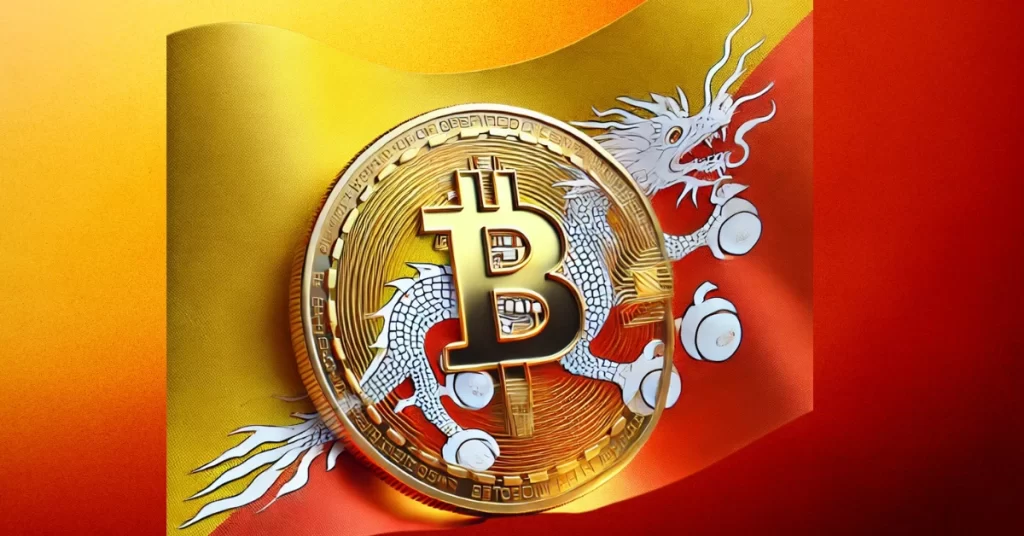
Bhutan's government has actively managed its Bitcoin holdings by transferring over 1,000 BTC in a week, signaling potential strategic adjustments to its digital asset reserves.
The significant volume of Bitcoin transfers by Bhutan, totaling $70.43 million, indicates substantial on-chain activity that could influence market sentiment or liquidity if the assets are moved to exchanges.
While the specific reasons for Bhutan's large Bitcoin transfers remain undisclosed, such sovereign-level asset movements warrant attention for potential market implications, especially concerning supply dynamics.
Deep Dive
The Royal Government of Bhutan has recently transferred an additional 375 BTC, valued at approximately $25.18 million. This transaction follows a series of movements over the past week, during which the nation has moved a total of 1,018 BTC, amounting to roughly $70.43 million. These activities underscore Bhutan’s ongoing and active management of its Bitcoin holdings, attracting considerable attention within the cryptocurrency community.
The latest transfer of 375 BTC represents a significant portion of Bhutan's digital asset reserves. The cumulative transfers over the last week, totaling 1,018 BTC, indicate a strategic reshuffling of the country's cryptocurrency assets. While the specific motivations behind these large-scale transfers have not been publicly disclosed by the government, the sheer volume highlights a notable engagement with its Bitcoin reserves.
Source, catalyst, and sector overlap from the latest feed.
ZEC price has broken out of a descending triangle pattern, indicating a potential shift in market control towards bulls and targeting the $290-$300 range if momentum sustains. The price surge is supported by on-chain data showing increased shielded transaction volume and a preference for newer privacy features, suggesting renewed utility and demand for Zcash's core offering. A recent network upgrade (Zebra 4.3.0) with security fixes and performance improvements, coupled with renewed capital inflow and development focus, signals a potential revitalization of the Zcash ecosystem. The increasing use of shielded transactions, now representing 86.5% of total activity and 31.1% of circulating supply, reinforces the privacy narrative and could attract further investor interest.
Live Feed
Loading the broader stream in the same flow as the homepage feed.
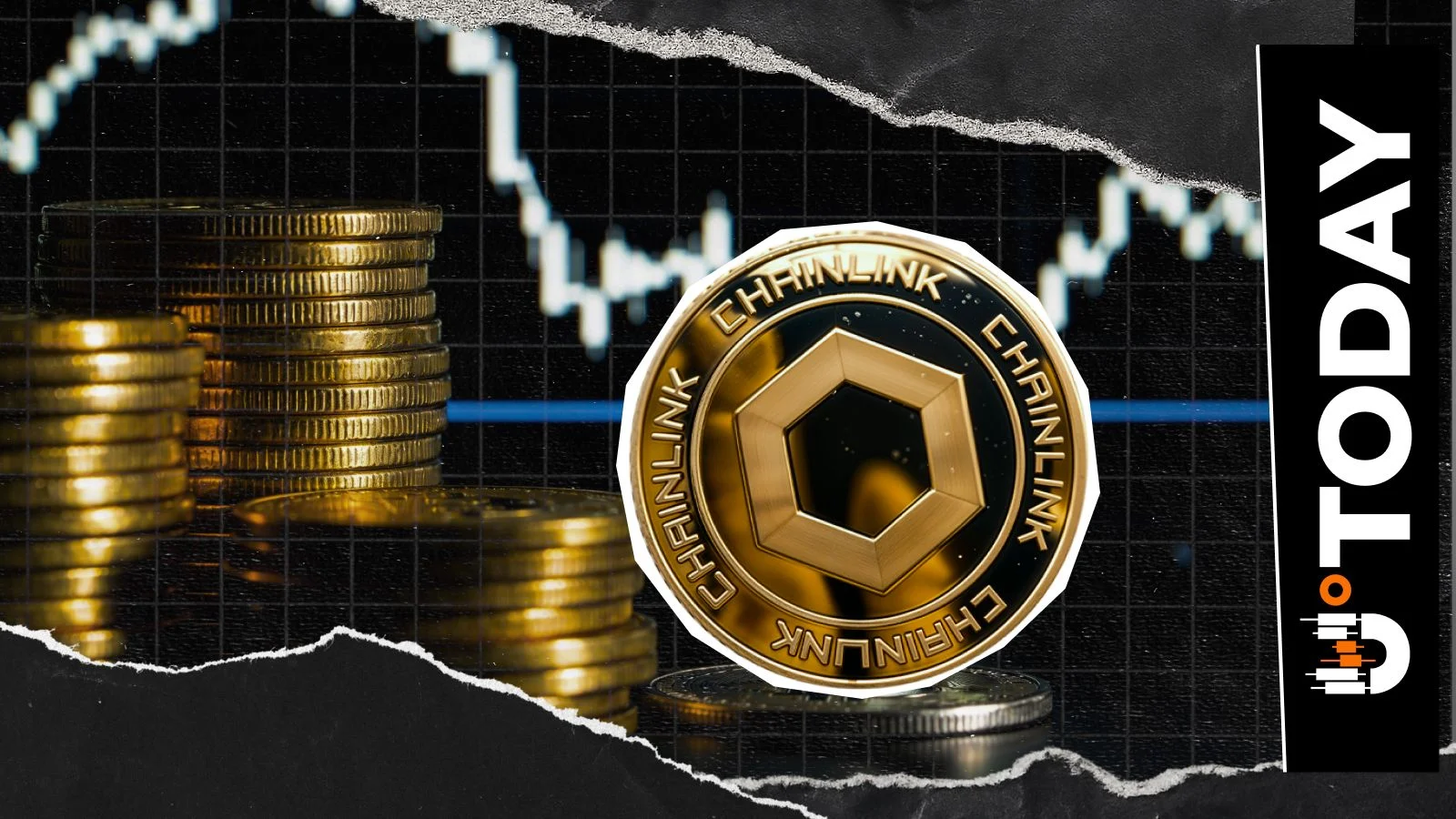
Chainlink's 18% volume spike suggests potential early accumulation following a period of low participation, though the broader downtrend remains intact. Despite increased trading volume, LINK's price is consolidating and remains below key moving averages and the $10-$11 resistance range, indicating a bearish macro bias until a decisive breakout occurs. The rising volume-to-market cap ratio above 5% signals renewed trader activity, which could precede increased volatility, but confirmation of accumulation requires breaking significant resistance levels.

Increased legislative scrutiny and state-level lawsuits against prediction markets like Kalshi and Polymarket suggest a heightened regulatory risk that could impact their operational scope and market activity. The potential for a Democratic majority in Congress in 2027 could accelerate the passage of stricter regulations, particularly concerning bets on government actions and elections, posing a significant challenge to the sector's growth. Despite regulatory headwinds, the prediction market sector has seen exponential growth, indicating strong user demand and potential for continued expansion if regulatory challenges are navigated successfully. The ongoing jurisdictional debate between federal (CFTC) and state regulators, potentially heading to the Supreme Court, creates uncertainty and a 'minefield' for operators, impacting near-term investment and operational decisions.
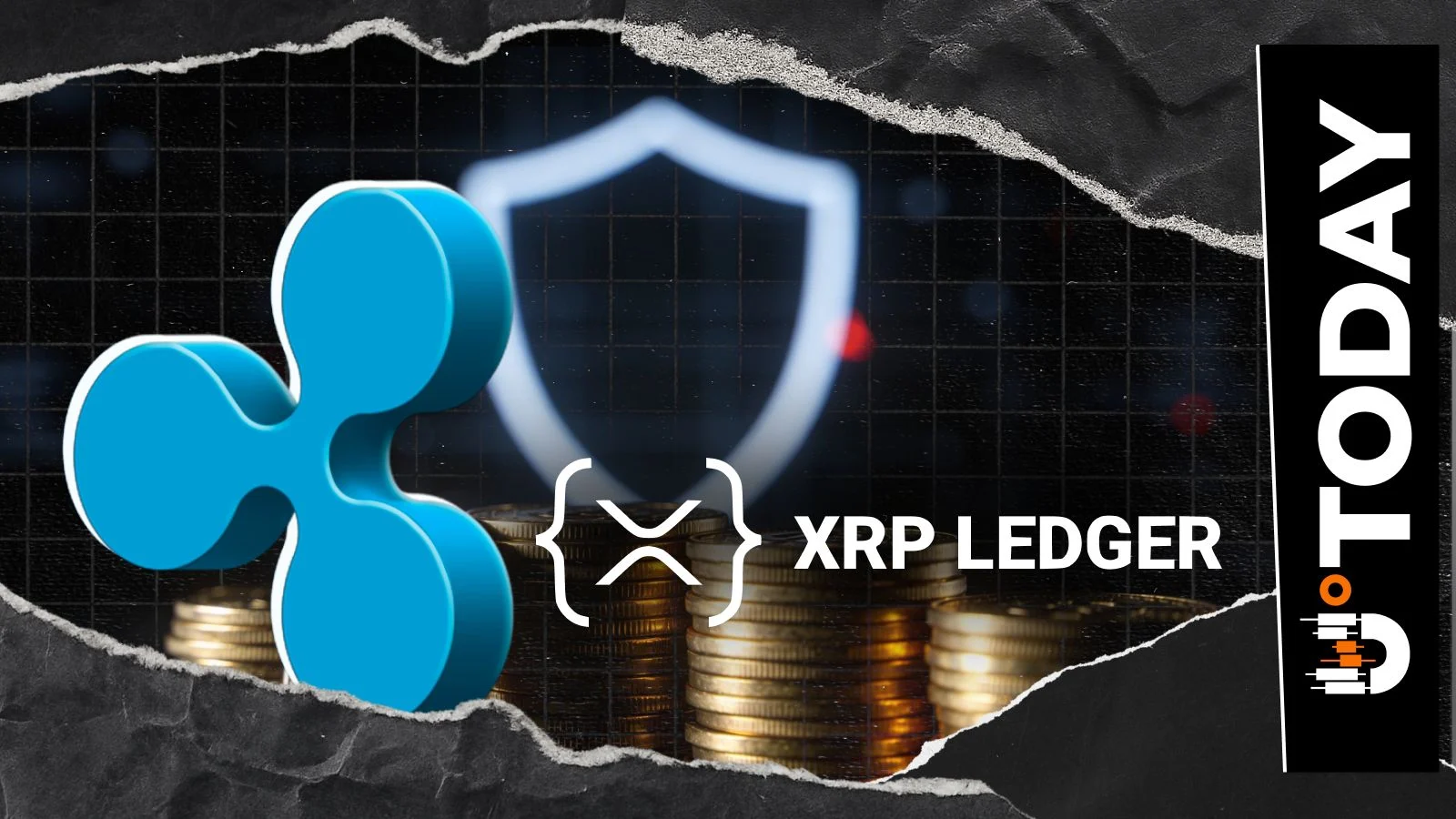
Ripple researchers have introduced Confidential Multi-Purpose Tokens (CMPTs) to the XRP Ledger, enabling hidden transaction amounts and balances through EC-ElGamal encryption and zero-knowledge proofs. This privacy enhancement is specifically targeted at institutional use cases, aiming to secure corporate treasury transfers and tokenized securities by allowing private financial activities while maintaining public verifiability of total supply. The integration of advanced privacy features addresses a key trade-off faced by many blockchains, positioning XRP Ledger to better meet institutional finance demands and potentially drive significant adoption.
A potential de-escalation in the Middle East conflict, driven by a shift in U.S. policy towards prioritizing an Iran war exit, could trigger a significant risk-on rally in crypto markets, potentially pushing Bitcoin above $90,000. Despite geopolitical easing, Bitcoin's price action remains constrained around $66,000, highlighting the market's continued demand for sustained institutional flows and regulatory clarity before a major bull run can be sustained. While oil prices have surged due to the conflict, the Federal Reserve is widely expected to hold interest rates steady, creating a potentially favorable macro environment for risk assets if geopolitical tensions further subside.
The upcoming Qubic mainnet mining launch for Dogecoin introduces a novel dual-purpose computing model, potentially boosting network security and providing a fresh narrative catalyst for traders. Despite the Qubic integration, Dogecoin's price remains technically bearish, trading below key EMAs and facing resistance at the $0.095 descending trendline, suggesting caution is warranted. A successful Qubic mining launch could drive short-term sentiment, but sustained price appreciation hinges on breaking the established bearish technical structure and overcoming resistance levels.

A supply chain attack on the Axios npm library, compromising versions 1.14.1 and 0.30.4, poses a significant risk to developers and platforms relying on this popular JavaScript HTTP client. The attack, which involved injecting a malicious dependency (plain-crypto-js@4.2.1), could grant attackers remote access and lead to the theft of sensitive data including API keys and crypto wallet information. This incident underscores the persistent and evolving threat of supply chain attacks within the software development ecosystem, highlighting the need for rigorous security audits and prompt credential rotation for affected users. Past incidents involving Trust Wallet and other projects demonstrate the potential for such compromises to escalate, leading to direct financial losses for end-users and impacting trust in the broader crypto infrastructure.

OpenFX's $94 million funding round signifies strong investor confidence in stablecoin-powered cross-border payments, potentially driving increased adoption and integration within traditional finance. The company's expansion into Southeast Asia and Latin America, regions with growing stablecoin usage, positions it to capitalize on emerging market opportunities for efficient FX conversions. With $45 billion in annualized payment volume, OpenFX's growth trajectory suggests a tangible demand for its services, bridging the gap between legacy banking and digital asset solutions.
Rising US gas prices above $4 and European gas up 70% signal significant supply chain stress and geopolitical risk impacting consumer costs and potentially inflation. The divergence between crude oil and refined product prices highlights refinery and distribution constraints, suggesting a more direct and immediate impact on consumers and transportation costs. Escalating geopolitical tensions in the Middle East, particularly concerning the Strait of Hormuz and LNG facility disruptions, are driving sharp energy price increases globally, posing inflation risks for policymakers.

CoinDCX's launch of a 100 crore INR anti-fraud network signals a proactive response to increasing cyber threats and brand impersonation within the Indian crypto market. The initiative, backed by a significant financial commitment, aims to address a broader industry issue of phishing and fraud, potentially enhancing user trust and security across Indian crypto platforms. Following the clearance of its founders in an impersonation case, CoinDCX's move to establish a sector-wide security push could be interpreted as an effort to rebuild confidence and demonstrate commitment to user protection.

Dunamu's reaffirmed IPO plans are contingent on the completion of its share swap with Naver Financial, indicating a strategic focus on corporate restructuring before public market entry. The company's strong operating margin of 55.8% and significant revenue highlight its financial health, providing a solid foundation for its IPO ambitions. The delayed merger timeline, now extended to September 2026, suggests that Dunamu's IPO will likely not occur until late 2026, pending regulatory approvals and deal finalization. Dunamu's diversification strategy into AI-powered solutions and global market expansion signals a forward-looking approach beyond its core exchange operations.
The OCC's revised rule effective April 1, 2026, provides a clearer regulatory framework for national trust banks engaging in digital asset custody, potentially benefiting Ripple's pending national trust bank charter. Despite the regulatory clarity, Ripple's national trust bank charter remains conditional, requiring satisfaction of supervisory and licensing conditions before full operations can commence, indicating a path forward but not immediate authorization. XRP price action remains weak and technically bearish, with resistance at the mid-$1.50 range and declining open interest suggesting short-term trader caution despite the ongoing regulatory developments.
Flare Network's planned Bitcoin integration aims to transform it into a universal computation layer for non-smart contract assets, potentially unlocking new DeFi opportunities for BTC holders. The integration of Bitcoin into the Flare ecosystem, alongside privacy tools, signals a strategic move to attract institutional capital and position Flare as a key bridge between legacy cryptocurrencies and modern DeFi. By first capturing liquidity in XRP via XRPFi and then extending this model to Bitcoin, Flare is positioning itself as a central hub for asset utilization beyond simple store-of-value functions.
Signal context only. Validate with price action, liquidity, and risk limits before taking a position.
No explicit catalyst tagged.
Bitcoin's Long-Term Holder SOPR dropping below 1.0 signals a 'surrender phase,' historically preceding major rallies and indicating potential capitulation zones. Despite recent monthly losses, on-chain data mirroring past major bottoms suggests that current price action may represent a significant accumulation opportunity. Analysts suggest a potential liquidity sweep in early April, with a recovery zone between $53,000 and $60,000 before a potential reversal, aligning with historically strong April performance for Bitcoin. The upcoming monthly close is a critical short-term indicator, but the confluence of on-chain signals suggests a potential macro turning point for Bitcoin.
