
Navigating Crypto News

CoinFeather
Navigating Crypto News
Quick market read from this story
Escalating geopolitical tensions and supply chain disruptions, particularly through the Strait of Hormuz, are driving up oil prices and creating a critical shortage of helium, a key component in semiconductor manufacturing.
The confluence of rising energy costs, helium scarcity, and supply chain bottlenecks directly impacts the cost of producing memory chips and AI infrastructure, potentially leading to higher computing costs.
The AI economy's reliance on geographically concentrated production hubs like South Korea and Taiwan creates structural vulnerabilities, as capacity cannot be quickly scaled to meet demand or recover from disruptions.
While oil price surges are visible, the less apparent but more consequential impact may be the structural increase in the cost of computing power, affecting the future economics of AI development and deployment.
Deep Dive
Global markets are experiencing significant disruption, with oil prices surging above $112 per barrel due to escalating conflict. This price hike fuels fears of inflation and economic slowdown. However, the impact extends far beyond energy, affecting critical sectors like semiconductor production.
Several interconnected factors are contributing to rising costs across industries:
The current crisis highlights a fundamental vulnerability in the AI economy, which depends on a few geographic bottlenecks. These include the Strait of Hormuz for energy and materials, South Korea for memory chips, and Taiwan for advanced logic chips. While these dependencies have driven efficiency, they lack resilience. Unlike oil, semiconductor manufacturing capacity cannot be rapidly scaled up, as new fabrication plants require years and substantial investment to build.
The global focus remains on oil prices, but the underlying shift in the cost of computing and its implications for the future of AI may prove more consequential. Continued disruption could lead to a new wave of inflation, impacting not only fuel costs but also the price of technology.
Source, catalyst, and sector overlap from the latest feed.
XRP's potential $1 trillion market cap hinges on two critical developments: widespread XRPL ecosystem adoption and Ripple's success in the RWA tokenization market. A thriving XRPL ecosystem with increased dApps and financial tools could drive demand for XRP as a bridge asset, enhancing its utility in cross-border payments. The RWA tokenization sector presents a multi-trillion dollar opportunity, and if XRP becomes a core settlement layer for these assets, its demand could surge significantly. Despite a bullish long-term narrative, XRP faces a substantial technical and adoption hurdle to reach a $1 trillion valuation, making the scenario a conditional, long-term prospect.
Ethereum has experienced a significant liquidation of leveraged long positions, which may reduce bullish overcrowding but does not confirm a trend reversal due to a weak technical structure. While the market focus shifts to potential short liquidations, Ethereum's chart indicates a fragile rebound attempt within a broader downtrend, with key resistance zones capping upside potential. Traders should maintain caution as Ethereum faces significant resistance levels, suggesting that the current price action is more of a technical test for buyers rather than a confirmed bullish breakout.
Bitcoin's price action shows a breakdown below a symmetrical triangle, indicating weakening momentum and a potential test of the $62K-$63K support zone. On-chain data, specifically the Inter Exchange Flow Pulse (IFP), is showing a potential bullish signal with a recent uptick, suggesting increased liquidity rotation. The conflicting signals between on-chain indicators and price action place Bitcoin at a critical juncture, requiring traders to monitor the $62K support level against the IFP's recovery. Despite the bullish IFP signal, the technical breakdown below key support levels suggests near-term downside risk, making the $62K-$63K area a crucial level to watch for potential buying interest.
Nevada's temporary restraining order against Kalshi escalates regulatory pressure on prediction markets, potentially impacting how event contracts are classified as gambling versus financial derivatives. The court's decision to allow state gaming laws to apply to Kalshi's contracts, despite the company's CFTC-based arguments, signals a significant challenge to its operational model and could influence similar cases in other states. With legal actions in Massachusetts and Arizona also ongoing, the cumulative regulatory scrutiny on Kalshi highlights a growing trend of state-level challenges to novel financial products, creating uncertainty for the prediction market sector.
Solana is exhibiting two bullish technical patterns, a cup and handle formation with a potential $500 target and easing momentum within a descending channel, suggesting a possible longer-term base formation. While both chart patterns are interpreted as bullish, neither has confirmed a breakout, indicating that current price action is consolidating and requires further upward momentum to validate the bullish outlook. The analysis suggests that while the long-term structure is positive, traders should await a confirmed break above resistance levels before expecting significant price appreciation, implying a 'watchlist' scenario.
TRON's relative market outperformance and sustained $1M daily revenue highlight its resilience and utility, particularly from USDT transfers, suggesting a strong underlying user base despite broader altcoin declines. The resolution of Justin Sun's SEC fraud charges removes a significant overhang, potentially improving institutional sentiment towards TRON, while the Mastercard partnership signals progress in real-world payment adoption. Despite a reported phishing scam, TRON's long-term technical support trendline and positive momentum indicators suggest potential for a significant breakout if current support levels hold, according to analyst Crypto Patel. TRON's strategic pivot towards AI infrastructure, coupled with its established network revenue and partnerships, positions it as a potentially undervalued asset with multiple catalysts for future growth.
Bitcoin Everlight presents a distinct revenue model by distributing transaction routing fees to participants holding 'shards', contrasting with competitors like Remittix and IPO Genie which rely on unproven or variable external factors. The project emphasizes transparency with completed dual smart contract audits and KYC verifications from reputable firms, aiming to build trust compared to competitors with less documented or delayed verification processes. Bitcoin Everlight's presale offers tiered 'shard' activations with potential APY in BTCL, transitioning to real BTC rewards from network activity post-mainnet, providing a clear earning mechanism tied to network utility. The fixed supply of 21 billion BTCL and a significant portion allocated to presale participants, coupled with a clear distribution plan, suggests a structured tokenomics approach that could appeal to value-oriented investors.
Fidelity's advocacy for a clearer regulatory framework for broker-dealers engaging with crypto assets on ATS signals a potential for increased institutional adoption and integration of tokenized securities into traditional finance infrastructure. The call for bridging regulatory gaps between centralized and decentralized trading systems, alongside adapting reporting rules for DeFi, suggests a move towards accommodating novel market structures and reducing friction for digital asset innovation. Fidelity's recommendation for using distributed ledger technology in ATS and recordkeeping highlights the growing recognition of blockchain's utility beyond speculative assets, potentially impacting infrastructure and RWA sectors.
Ethereum faces a critical juncture as it balances base-layer scaling with emerging threats like quantum computing and the integration of AI, signaling a potential shift in its foundational role. Vitalik Buterin's critique of current L2 scaling solutions highlights fragmentation and security concerns, suggesting a need for rollups to align more closely with Ethereum's core principles or risk structural risks. The Ethereum Foundation's increased focus on post-quantum cryptography and AI integration indicates a strategic pivot towards long-term security and a broader role as a 'trust layer' for future decentralized systems. Upcoming upgrades like 'Glamsterdam' will serve as a crucial test for Ethereum's ability to address scaling, security, and AI integration challenges, potentially reshaping its market position and utility.
Strategy's STRC preferred stock offers a novel funding mechanism that allows for significant Bitcoin accumulation, but its risk profile is complex, shifting potential downside from the issuer to security holders under stress scenarios. The STRC's flexible dividend structure, designed to maintain a $100 share price, creates a potential feedback loop where dividend adjustments could lead to suboptimal outcomes for investors if market confidence wanes or Bitcoin prices decline. While STRC has facilitated billions in Bitcoin acquisition and attracted institutional interest, its long-term viability hinges on continued access to capital markets and the stability of its Bitcoin holdings, with potential stress points arising from adverse market conditions.
Live Feed
Loading the broader stream in the same flow as the homepage feed.

Prediction markets face a critical design flaw where contracts can incentivize users to manipulate outcomes rather than predict them, potentially undermining credibility and deterring institutional capital. The article argues that platforms must proactively exclude markets with easily influenceable outcomes to maintain long-term trust, as regulatory bodies are likely to impose external standards if platforms fail to self-regulate. The core issue is not market volatility but the inherent design that can turn prediction markets into tools for profiting from interference, especially in thinly traded political or event-based contracts.

Anthony Scaramucci suggests Bitcoin's four-year cycle is still relevant, predicting a price rise in Q4 2026 despite current market conditions. The influence of institutional investors and ETF inflows has muted Bitcoin's traditional cycles, but Scaramucci believes self-fulfilling prophecy will drive future price action. Geopolitical turmoil and a strong correlation with the S&P 500 pose downside risks, with some analysts forecasting a potential 50% drop in BTC price if these trends persist. Market sentiment has shifted from widespread expectation of a 2025 bull run to concerns about a potential bear market, highlighting the unpredictable nature of crypto price movements.
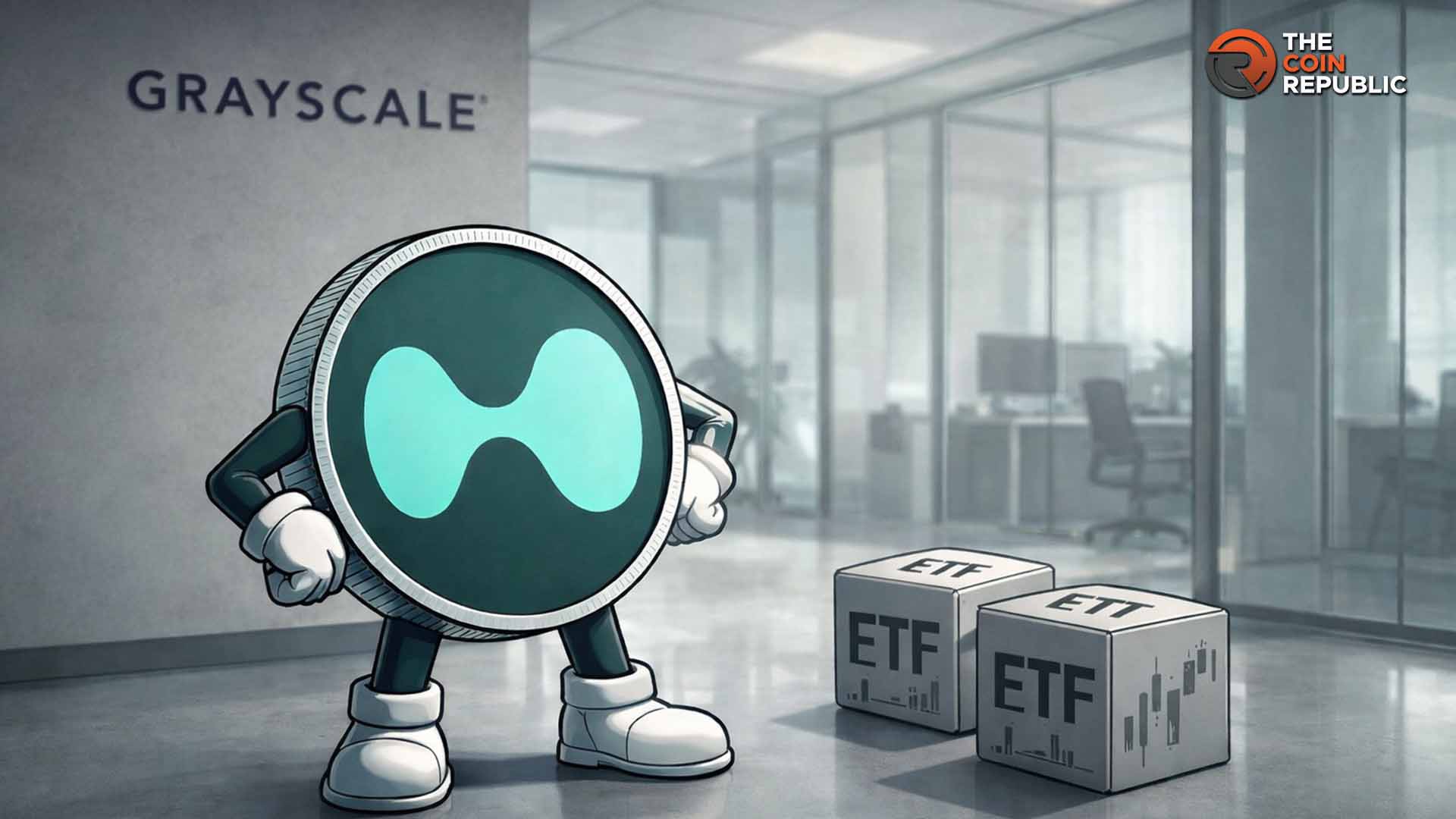
Grayscale's ETF filing for Hyperliquid (HYPE) signals institutional interest expanding beyond spot BTC/ETH to derivatives-focused protocols. The filing places Grayscale in direct competition with Bitwise and 21Shares for Hyperliquid-based ETF products, intensifying the race for new crypto investment vehicles. Hyperliquid's sustained high trading volumes and expansion into RWA markets provide a fundamental basis for Grayscale's thesis on broader institutional demand. While staking integration is considered, regulatory uncertainty in the US may delay its inclusion in the ETF, focusing initial offerings on token price tracking.

Bitcoin's price dip below $69,000 and approach to the 200-week EMA suggests continued bearish sentiment, with some analysts targeting $50,000. Despite the overall bearish trend, a daily chart golden cross offers a potential short-term bullish signal, though its durability remains uncertain. Over $400 million in crypto liquidations occurred as Bitcoin experienced a weekend price drop, indicating significant volatility and forced deleveraging.

The SEC and CFTC have released joint interpretive guidance clarifying the definition of a security in crypto, aiming to provide more regulatory certainty for market participants. While the guidance categorizes most crypto assets as non-securities, it emphasizes that the context of marketing and transactions remains crucial for determining security status, leaving room for SEC enforcement actions. The ongoing legislative efforts for market structure reform are highlighted as a critical factor, as future administrations could alter interpretative guidance, underscoring the need for codified law. Regulatory actions against prediction markets like Kalshi in Arizona and Nevada indicate a growing scrutiny of these platforms, potentially impacting their operations and future development.
BNB has surpassed XRP in market capitalization, reclaiming the fourth-largest cryptocurrency spot, signaling a potential shift in investor preference towards exchange-native tokens. The close market cap gap between BNB and XRP suggests continued competition for the fourth position, with institutional liquidity flows likely to influence future rankings. This market reshuffle highlights a broader trend of liquidity redistribution favoring high-utility ecosystem tokens over simple value transfer assets.

The US government's $200 billion war funding request, equivalent to nearly 3 million BTC, highlights Bitcoin's scarcity against expanding fiat supply and government debt. This comparison frames Bitcoin as a potential check against inflation and excessive government spending, reinforcing its narrative as a store of value for investors concerned about fiscal policy. The article uses the war bill to illustrate Bitcoin's relative scarcity compared to major institutional holdings, including government reserves, ETFs, and corporate treasuries, underscoring its unique monetary properties.
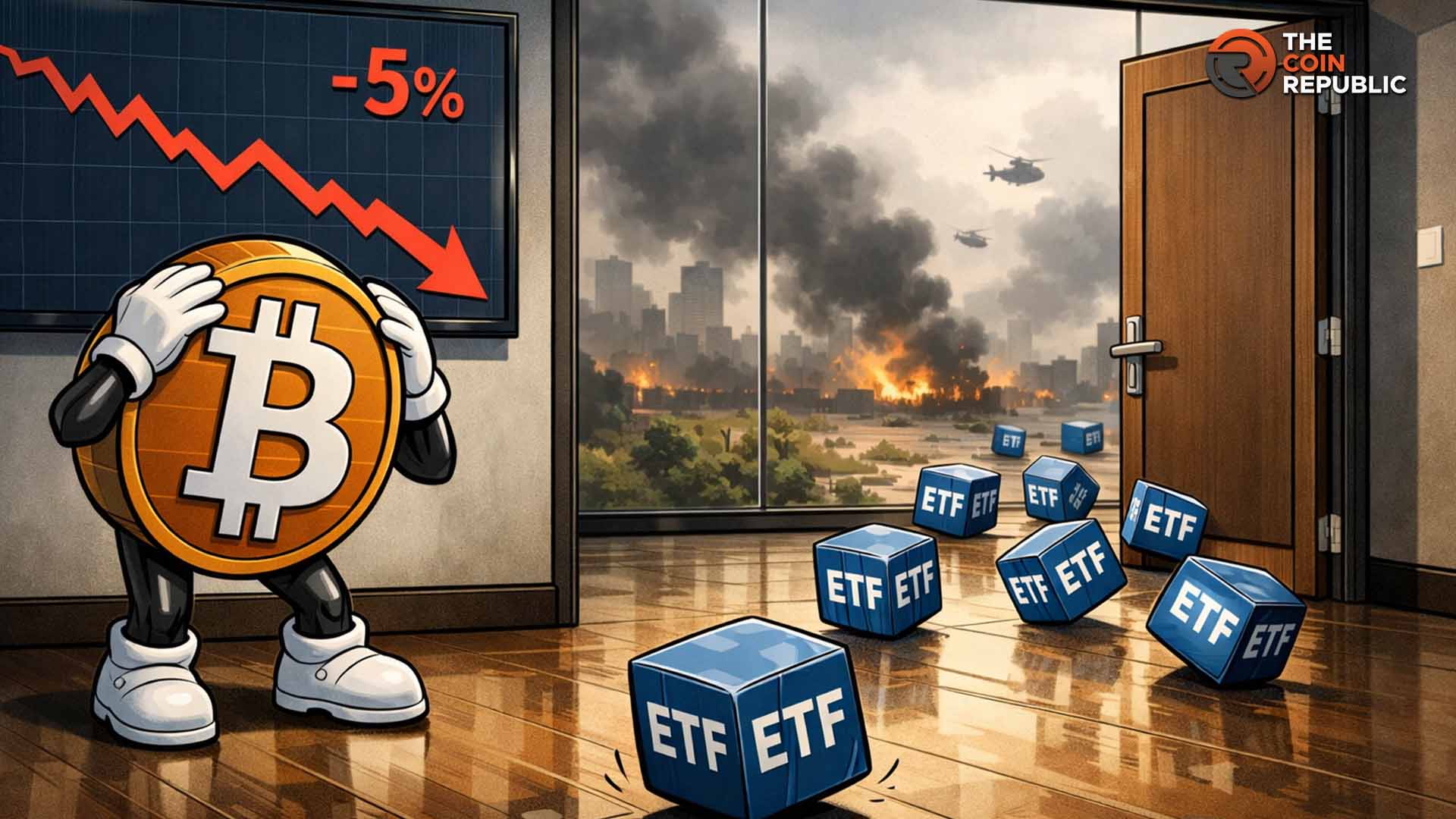
Bitcoin's price decline is directly linked to a broader risk-off sentiment in global markets driven by geopolitical tensions, indicating that macro factors are currently overriding crypto-specific catalysts for price action. Significant outflows from major equity ETFs, coupled with Bitcoin ETF outflows, signal a defensive capital shift by investors, suggesting a lack of immediate demand for risk assets and potentially prolonging price weakness. Historical patterns during geopolitical conflicts show that initial crypto rallies can be short-lived, implying that current price action may mirror past downturns if macro uncertainty persists, leading to potential tests of lower support levels. The market's struggle to absorb selling pressure, evidenced by accelerated profit-taking and compressed demand depth, highlights reduced liquidity and risk appetite, which could lead to further price depreciation if geopolitical risks are not resolved.
Michael Saylor's MicroStrategy continues its aggressive Bitcoin accumulation strategy, signaling strong conviction in BTC's long-term value despite current paper losses. The company's innovative use of perpetual preferred shares (STRC) to fund Bitcoin purchases highlights a novel approach to corporate treasury management and leverage in the crypto market. Saylor's 'orange march' narrative, coupled with consistent buying, acts as a bullish signal to the market, potentially influencing investor sentiment and encouraging further accumulation. If MicroStrategy reaches its potential goal of 1 million BTC, it would represent a significant portion of Bitcoin's total supply held by a single entity, impacting market dynamics.

Shiba Inu's hourly death cross, with the MA 50 crossing below the MA 200, signals continued short-term bearish momentum following a failed golden cross. The broader market sell-off, exacerbated by $361 million in liquidations and macro concerns from the Fed's stance, is pressuring SHIB and contributing to its technical breakdown. With SHIB trading below prior support levels now acting as resistance and the Crypto Fear and Greed Index at 27 (fear), further downside risk is present in the near term.

Geopolitical de-escalation signals from the US regarding Iran have led to a positive market reaction, suggesting that reduced global uncertainty can act as a tailwind for crypto assets. The crypto market's sensitivity to macro events, particularly shifts in geopolitical risk, is highlighted by the current rebound, indicating that traders are pricing in a decrease in global instability. While Trump's statements suggest a potential reduction in military actions, the lack of a formal end to the US-Iran conflict introduces lingering uncertainty, warranting a cautious approach to aggressive bullish positions.

Analyst Aksel Kibar identifies a bearish 'rising wedge' pattern on Bitcoin's chart, suggesting current price action is a technical trap within a broader downtrend. The breakdown of the rising wedge pattern, coupled with Bitcoin trading below its 365-day moving average, signals potential downside targets at $60,000 and $52,000-$48,000. Traders should exercise caution and avoid interpreting short-term price recoveries as a reversal of the dominant downward trend, especially while BTC remains below $90,000.
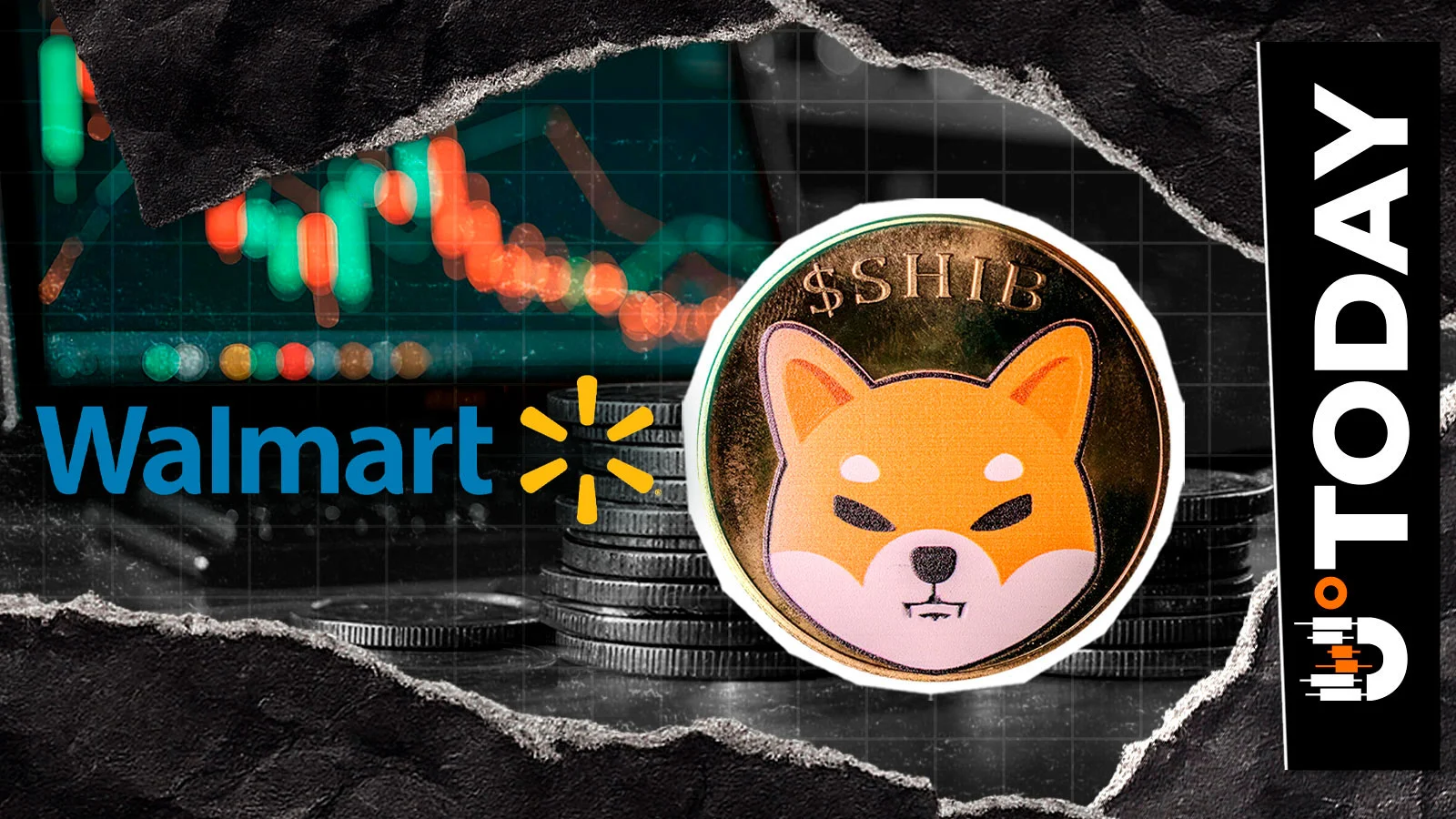
Shiba Inu's integration with OnePay, a Walmart-majority-owned fintech platform with 3 million users, signifies a notable expansion of its payment utility and potential for broader adoption in retail environments. The listing on OnePay, alongside other major cryptocurrencies like BTC and ETH, positions SHIB for increased accessibility and transactional use, potentially influencing short-term trading interest. While the OnePay listing is positive for SHIB's payment use case, the article also notes recent price declines and reduced trading volumes, suggesting that market sentiment may be mixed or that the positive news has yet to translate into sustained price appreciation. The mention of the SEC deeming most mature cryptocurrencies, including Shiba Inu, as non-securities provides a degree of regulatory clarity, which could reduce future uncertainty for the asset and its holders.
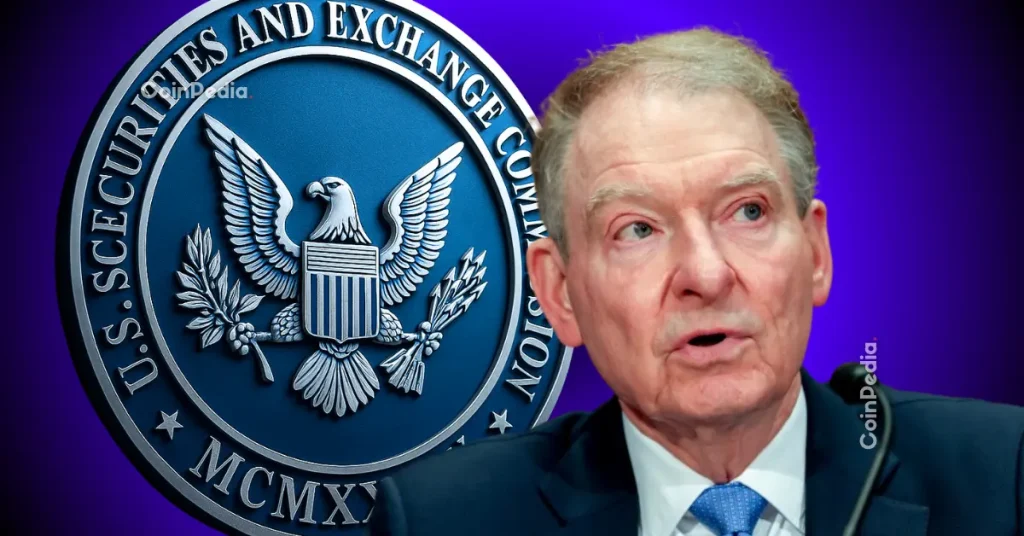
The SEC's formal declaration that Bitcoin and Ethereum are not securities, alongside a new token taxonomy, provides significant regulatory clarity, potentially unlocking institutional capital and reducing legal risks for projects operating in the US. The introduction of startup and project fundraising exemptions, allowing for capital raises up to $5 million and $75 million respectively, offers a more defined path for crypto innovation and fundraising within the United States. While the SEC's framework offers immediate relief, the emphasis on Congress passing comprehensive legislation like the Clarity Act highlights that long-term regulatory certainty still depends on legislative action.
Signal context only. Validate with price action, liquidity, and risk limits before taking a position.
